Agriculture›
 Apparel and fashion accessories›
 Construction & real estate›💡Electronic & Electrical›🍎Food & Beverages›🛋️Home furnishing & supplies›⚗️Industrial goods & chemical›🪨Minerals & metals›📦Miscellaneous›Agriculture›Apparel and fashion accessories›Construction & real estate›💡Electronic & Electrical›🍎Food & Beverages›🛋️Home furnishing & supplies›⚗️Industrial goods & chemical›🪨Minerals & metals›📦Miscellaneous›
Professional International Trading - Egypt
⚓ Harbor , EgyptNew supplier / no reviews yet
Professional International Trading - Egypt Product Catalog
About Professional International Trading - Egypt - Other Ores & Minerals Supplier in Egypt
Based in Egypt, Professional International Trading - Egypt lists 28 active products across several mineral and chemical categories. Its catalogue includes Egyptian Rock Phosphate (HS 2510.20, natural phosphate rock with P2O5 18‑32%), Silica Sand (HS 2505.10, natural silica sand, SiO2), Iron Ore (HS 2601.11, raw iron ore concentrate comprising hematite, magnetite and limonite), Kaolin (HS 2507.00, natural china clay, Al2Si2O5(OH)4), Barite (HS 2511.10, natural barium sulfate), and a range of fertilizers, chemicals and agricultural feeds.
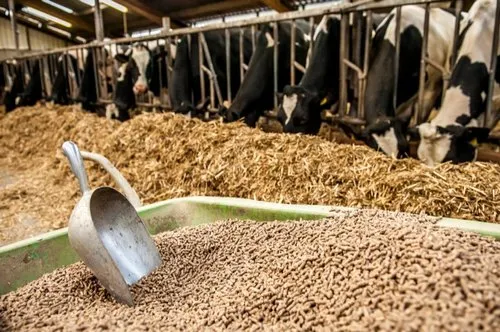
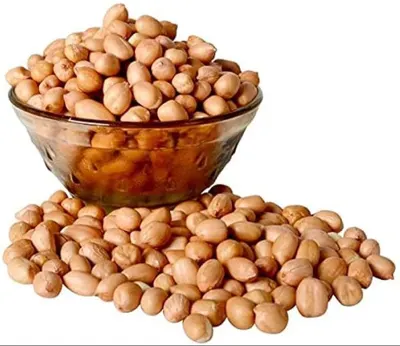
The product mix also covers feldspar, quartz, bentonite, talc, gypsum, calcium carbonate, dolomite, ilmenite, fluorospar, as well as agricultural commodities such as alfalfa hay, animal fodders, onions, peanuts, fruits and vegetables. Each entry is linked to its HS code where available, enabling buyers to reference customs classifications for international shipment.
Product Range and Specialties of Professional International Trading - Egypt
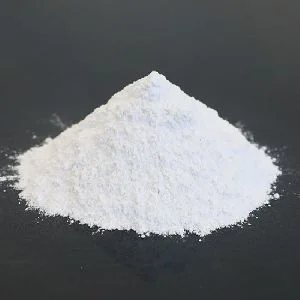
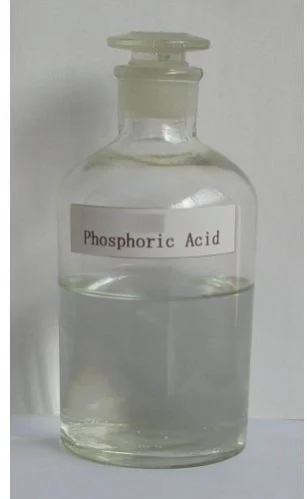
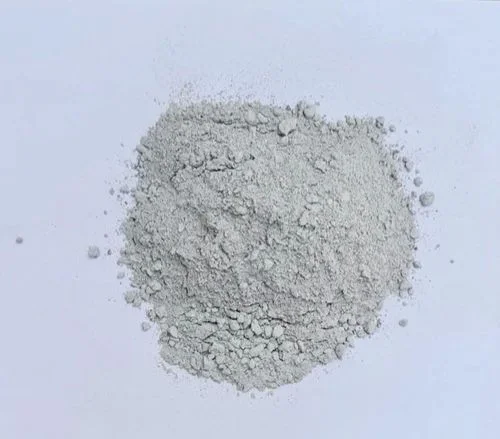
The phosphate portfolio comprises Egyptian Rock Phosphate (P2O5 18‑32%) and two soluble fertilizers - Single Super Phosphate (SSP) and Triple Super Phosphate (TSP). In the industry, SSP typically contains 16‑22% P2O5 and is produced by reacting phosphate rock with sulfuric acid, while TSP contains 45‑48% P2O5 and is used for high‑phosphorus demand crops. Phosphoric acid (HS 2809.20) with 52‑54% P2O5 is a standard feedstock for these fertilizers.
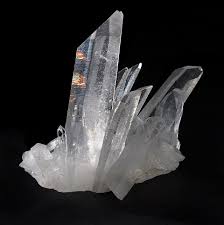
Mineral raw materials include silica sand (often required ≥99% SiO2, particle size 0.1‑2 mm for glass and foundry use), iron ore concentrate (Fe content 55‑65% for steelmaking), kaolin (brightness >80% ISO, particle size <10 µm for ceramics), barite (BaSO4 purity 95‑99% for drilling fluids), feldspar (KAlSi3O8 or NaAlSi3O8, commonly 65‑70% purity for ceramics), quartz (SiO2 ≥99.5% for electronics), bentonite (calcium‑montmorillonite, swelling index >120% for drilling), talc (grade 1‑3, moisture <0.5% for cosmetics), gypsum (purity 85‑98% for construction), calcium carbonate (≥99% purity for fillers), dolomite (CaMg(CO3)2), ilmenite (FeTiO3, TiO2 content 45‑55% for pigment production) and fluorospar (CaF2).
Frequently Asked Questions About Professional International Trading - Egypt
What mineral products does Professional International Trading offer from Egypt?
The supplier lists 28 products including Egyptian Rock Phosphate (HS 2510.20), Silica Sand (HS 2505.10), Iron Ore concentrate (HS 2601.11), Kaolin (HS 2507.00), Barite (HS 2511.10), Feldspar (HS 2529.10), Quartz (HS 2506.10), Bentonite (HS 2508.10), Talc (HS 2526.20), Gypsum (HS 2520.20), Calcium Carbonate (HS 2836.50), Dolomite (HS 2518.10), Ilmenite (HS 2614.00) and related fertilizers and chemicals.
Which HS codes are associated with the phosphate products?
Egyptian Rock Phosphate uses HS 2510.20, Phosphoric Acid is classified under HS 2809.20, and Aqua Ammonia Solution falls under HS 2814.20.
What typical grades are expected for silica sand and barite?
Silica sand is usually supplied with ≥99% SiO2 and a grain size of 0.1‑2 mm. Barite is commonly delivered with 95‑99% BaSO4 purity and low moisture content.
What documentation should a buyer request before purchasing fertilizers?
Buyers should ask for a fertilizer analysis report showing P2O5 content, a Safety Data Sheet, and, where required, REACH registration or equivalent compliance certificates.
How are bulk mineral shipments usually packaged for export from Egypt?
Bulk minerals such as iron ore or silica sand are typically loaded on bulk carriers or packed in 1‑tonne polypropylene bags; liquids like phosphoric acid are shipped in ISO tank containers or steel drums.
EgyptRelated Suppliers & Products
Explore similar suppliers, related products and trending categories