Pinglu Group Co.,Ltd — Verified Supplier
About Pinglu Group Co.,Ltd - Automobile Spare Parts & Supplies Supplier in China
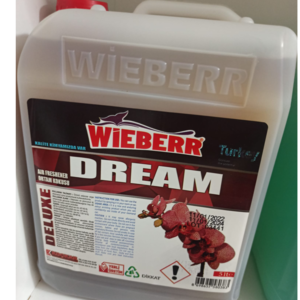
China‑based Pinglu Group Co.,Ltd lists seven active products across automobile spare parts, locks, gear boxes, tools, ladders and rope products. The catalogue includes an E‑Locker for Chrysler or Jeep, HDPE jerry cans ranging from 3 L to 30 L (HS 3923.30.00), an off‑road snorkel made of LLDPE (HS 8708.99), front and rear ring‑and‑pinion gears of case‑hardened forged steel (HS 8708.50), a Jeep Wrangler fender flare, a 4×4 recovery sand ladder, and a synthetic winch rope line. Each entry references the material and, where provided, the relevant HS code, allowing buyers to match customs classifications. The product set reflects typical aftermarket components used in 4×4 and light‑vehicle modification markets. The supplier’s trust tier is listed as “harbor,” indicating a mid‑level verification level in the platform.
Product Range and Specialties of Pinglu Group Co.,Ltd
The product portfolio covers plastic fuel containers, polymer snorkels, hardened steel gear sets, metal fender flares, steel recovery ladders and synthetic winch ropes. HDPE jerry cans of 3 L‑30 L capacity normally comply with ISO 9001 quality systems and meet UL 142 or EN 590 standards for fuel containment, while LLDPE snorkels are evaluated for impact resistance and UV stability as required by automotive OEM specifications. Ring‑and‑pinion gears listed as case‑hardened forged steel grades 8620, 4320 or 5140 typically achieve surface hardness of 55‑60 HRC and are machined to ISO 1328 gear tooth geometry. Synthetic winch ropes are usually polyester or polyamide blends with tensile strengths of 2 000‑3 500 N and are tested to ISO 9002 rope‑tensile standards. Recovery ladders for off‑road use are fabricated from high‑strength steel, often coated for corrosion resistance, and sized to span 1.5‑2.5 m for vehicle under‑body access.
Trade and Export Information - Pinglu Group Co.,Ltd
China is a major exporter of automotive aftermarket components, and products such as HDPE fuel cans (HS 3923) and polymer snorkels (HS 8708) are regularly shipped to North America, Europe and Southeast Asia. Buyers typically request CE marking or ASTM compliance for fuel containers, and customs authorities may require material safety data sheets (MSDS) for polymer parts. Gear sets under HS 8708.50 are subject to vehicle part import regulations, with many importers requiring test reports confirming gear tooth profile and hardness, as well as conformity to ISO 14001 environmental management where applicable. Standard export packaging includes 20‑ft or 40‑ft containers with pallets or wooden crates, and Incoterms such as CIF or FOB are commonly used for these bulk automotive parts.
Sourcing from Pinglu Group Co.,Ltd - Buyer Guidance
When sourcing the HDPE jerry cans, request the supplier’s material certificate, a UL 142 compliance test report, and a 3‑year storage stability statement. For the LLDPE snorkel, ask for UV‑resistance test data and a declaration of conformity to automotive OEM specifications. Gear sets should be accompanied by a heat‑treatment certificate, hardness test results (Rockwell or Vickers), and a gear geometry inspection report. The synthetic winch rope line requires a tensile strength test report, abrasion resistance data, and confirmation of the polymer blend composition. Verify that the recovery ladder’s steel grade and anti‑corrosion coating are documented, and request a load‑capacity certification before finalizing the order.
Frequently Asked Questions About Pinglu Group Co.,Ltd
What HS codes are associated with Pinglu Group's listed products?
The HDPE jerry cans use HS 3923.30.00, the off‑road snorkel is classified under HS 8708.99, and the front and rear ring‑and‑pinion gears fall under HS 8708.50. Other items such as the fender flare, recovery ladder and winch rope are covered by broader automotive parts codes within chapter 87.
Which material specifications apply to the fuel jerry cans?
The jerry cans are made from high‑density polyethylene (HDPE) and are typically produced to meet UL 142 or EN 590 fuel‑container standards, with capacities of 3 L, 5 L, 10 L, 20 L and 30 L.
What hardness and steel grades are typical for the ring‑and‑pinion gears?
The gears are forged from case‑hardened steel grades 8620, 4320 or 5140 and usually achieve a surface hardness of 55‑60 HRC after heat treatment, conforming to ISO 1328 gear geometry tolerances.
What performance tests are standard for synthetic winch ropes?
Synthetic winch ropes are tested for tensile strength (typically 2 000‑3 500 N), abrasion resistance, and elongation at break, with results reported according to ISO 9002 rope‑tensile standards.
How are the off‑road snorkels evaluated for durability?
Snorkels made of LLDPE are assessed for impact resistance, UV degradation, and chemical compatibility with diesel or gasoline, with test data often referenced to ASTM D256 or equivalent automotive durability standards.
What packaging and shipping formats are used for the recovery ladder?
The 4×4 recovery sand ladder is usually packed in wooden crates or on pallets, suitable for loading into a 20‑ft or 40‑ft container, and shipped under FOB or CIF Incoterms.
Which certifications should a buyer request before purchasing?
Buyers should request material certificates, relevant safety test reports (e.g., UL 142 for fuel cans), heat‑treatment and hardness certificates for gear sets, tensile test reports for ropes, and any CE or ISO compliance documents that apply to the specific product category.
What are the typical lead times for these automotive aftermarket items?
Lead times vary by product; plastic jerry cans and polymer snorkels often ship within 15‑25 days after order confirmation, while forged steel gears and custom‑fabricated ladders may require 30‑45 days depending on machining and heat‑treatment schedules.




 , China