Pab & Jas Exports — Verified Supplier

About Pab & Jas Exports - Dehydrated Ginger Supplier in India

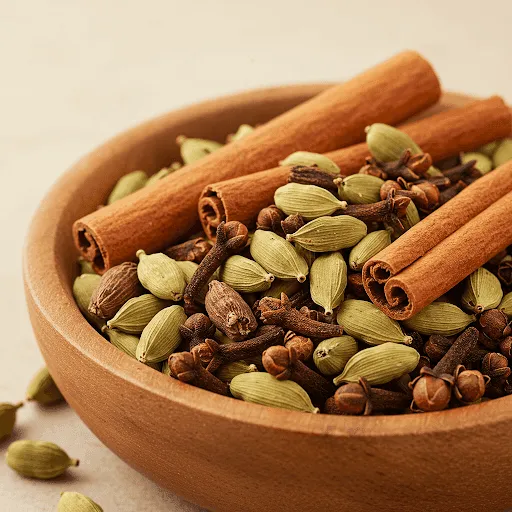
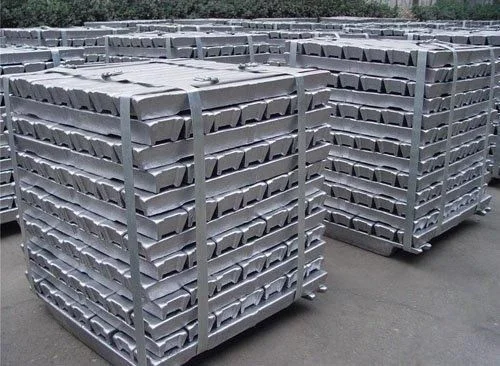
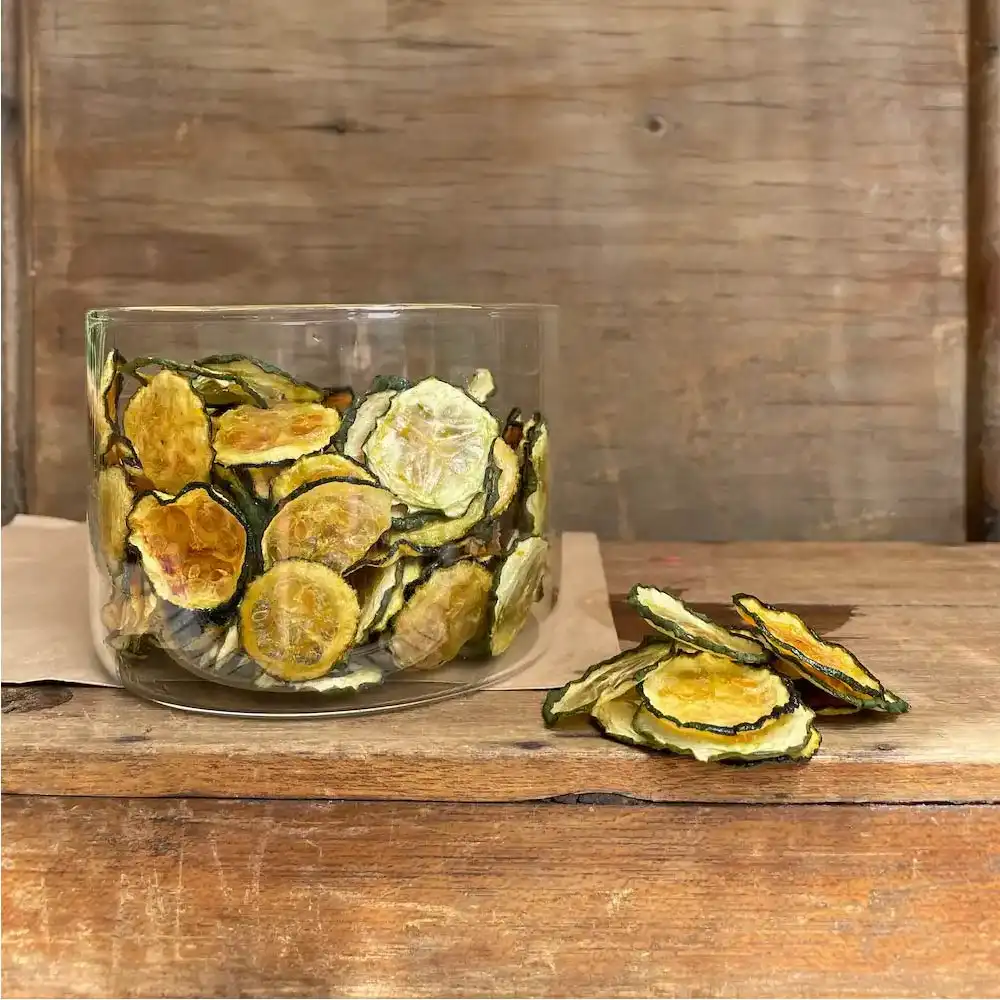
Pab & Jas Exports is based in India and currently lists 28 active products across food, metals, and textile categories. The catalogue includes dehydrated spices such as ginger, onion, garlic, turmeric, cardamom (HS 0908.31) and black pepper, as well as fruit pulps like jackfruit and mango. It also covers protein sources including roasted peanuts, brown and white chicken eggs, and egg powder, together with coconut derivatives and Moringa powders. In the non‑food segment the supplier offers zinc, copper, aluminum and brass ingots with HS codes 7901.11, 7403.11, 7601.10 and 7403.21 respectively, and garment items such as children’s cotton‑polyester readymade garments (HS 6109.10) and various T‑shirts.

The listed HS codes correspond to the standard tariff headings for each material: 0908.31 for whole black cardamom pods, 7901.11 for high‑grade zinc, 7403.11 for electrolytic copper, 7601.10 for primary aluminum, and 7403.21 for brass alloy. Metal entries specify purity levels of 99.99 % for zinc and copper and 99.7 % for aluminum, matching typical LME or ASTM specifications. Food items such as dehydrated ginger and garlic are presented without explicit HS codes but fall under chapter 09 for spices, while egg powder aligns with chapter 04 for animal products. The garment entry notes a composition of 100 % cotton or cotton‑polyester blend, which is classified under chapter 61 for apparel.

Product Range and Specialties of Pab & Jas Exports

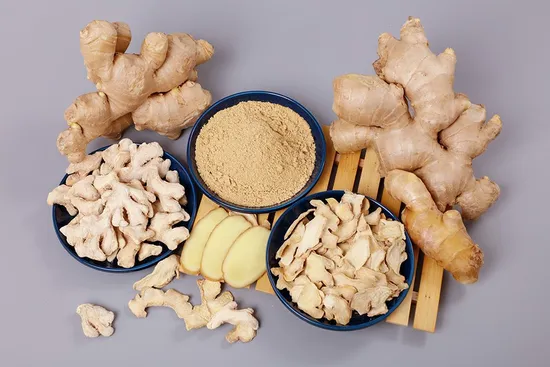
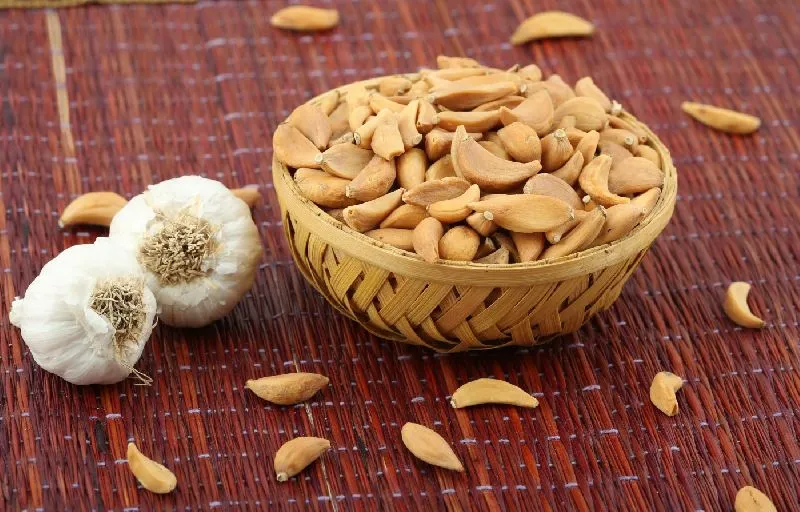
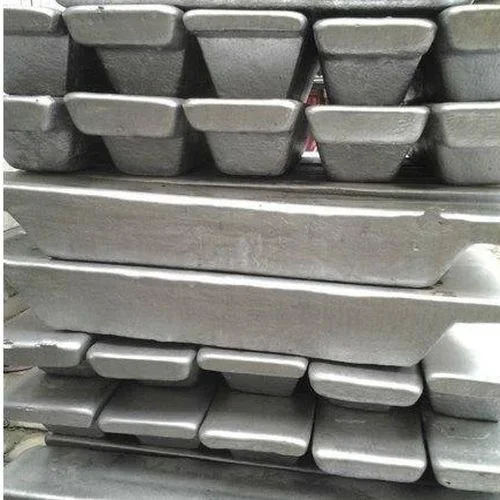
The food portfolio spans common Indian export commodities. Dehydrated ginger, onion and garlic are usually sold with moisture content below 12 % and volatile oil retention above 3 %, meeting the standards of the International Spice Organization (ISO 17025) laboratory testing. Cardamom (HS 0908.31) is graded by size and oil content, with premium grades requiring ≥6 % essential oil. Fruit pulps such as jackfruit and mango are processed to meet ISO 22000 hygiene standards and are typically packed in 20 kg food‑grade drums or 25 kg bulk bags for bulk shipments. Egg powder conforms to Codex Alimentarius specifications, requiring ≥94 % protein and ≤6 % moisture. Coconut products, including desiccated powder and oil cakes, are expected to have ≤5 % moisture and meet FSSAI specifications for edible coconut derivatives. Metal ingots listed by the supplier correspond to globally recognised purity grades: zinc (99.99 % HG), copper (99.99 % LME Grade A), aluminum (99.7 % primary) and brass (copper‑zinc alloy). Buyers typically request assay certificates and compliance with ASTM B209 (aluminum) or ASTM B209 for brass, as well as mill test reports. The garment items, classified under HS 6109.10, are produced from Grade A cotton or cotton‑polyester blends, and international buyers often verify compliance with Oeko‑Tex Standard 100 and require labelling according to the textile regulations of the destination market.

Trade and Export Information - Pab & Jas Exports

India is a major exporter of spices, fruit pulps, nuts and animal‑protein products to the Middle East, European Union, United States and Southeast Asian markets. HS chapter 09 spices and chapter 20 fruit preparations are subject to phytosanitary certification and, for many EU destinations, a EU organic or conventional conformity assessment. Egg powder and egg products fall under HS 0407 and require a health certificate from the Indian Ministry of Health and Family Welfare, as well as compliance with Codex maximum residue limits for aflatoxins. Metal ingots are exported under HS 74 and 79 headings; buyers usually request a Certificate of Origin and a furnace‑type assay report, and shipments are commonly handled on 40‑ft containers with FOB Indian port terms. Garments classified under HS 61 are shipped in bulk or cartonised form, with typical Incoterms FOB or CIF and require compliance with the destination country’s textile labelling regulations.

Sourcing from Pab & Jas Exports - Buyer Guidance

When sourcing dehydrated spices from Pab & Jas Exports, buyers should request a recent SGS or Intertek analysis covering moisture, volatile oil content, microbial load and pesticide residues, and verify that the product meets the ISO 17025 test method for the specific spice. For fruit pulps and coconut derivatives, request a batch‑wise microbiological report, a moisture analysis and a compliance certificate with FSSAI or the relevant food safety authority. Metal ingot purchases should be accompanied by a mill test report, assay certificate and, where required, a conformity statement to ASTM or ISO standards. For the children’s readymade garments, ask for a product compliance certificate confirming Oeko‑Tex Standard 100 and a labelling compliance statement, as well as a fabric GSM specification and any relevant safety test results.

Frequently Asked Questions About Pab & Jas Exports

What product categories does Pab & Jas Exports list?

The supplier lists food items such as dehydrated ginger, onion, garlic, turmeric, cardamom, black pepper, roasted peanuts, egg powder, coconut and fruit pulps, metal ingots of zinc, copper, aluminum and brass, and apparel items including children’s cotton‑polyester garments and various T‑shirts. Each category is represented in the catalogue of 28 active products.

Which HS codes are provided for the listed products?

The catalogue specifies HS 0908.31 for whole black cardamom pods, HS 7901.11 for high‑grade zinc ingots, HS 7403.11 for electrolytic copper, HS 7601.10 for primary aluminum, HS 7403.21 for brass alloy, and HS 6109.10 for children’s readymade garments. Other products fall under the standard chapter headings for spices, nuts, egg products, fruit preparations and textiles.

What quality specifications are typical for the dehydrated spices?

Buyers usually require moisture below 12 %, volatile oil content above 3 % for ginger and garlic, and a minimum essential oil percentage of 6 % for cardamom. Test reports should be issued by an ISO‑accredited laboratory and include microbial limits and pesticide residue analysis.

What documentation is needed for metal ingot shipments?

A mill test report or assay certificate confirming the stated purity (e.g., 99.99 % for zinc and copper, 99.7 % for aluminum) is standard, together with a Certificate of Origin and compliance with ASTM or ISO metal standards. Freight is typically arranged on 40‑ft containers under FOB terms.

How are fruit pulps packaged for export?

Fruit pulps such as jackfruit and mango are usually packed in food‑grade 20 kg drums or 25 kg bulk bags, sealed to prevent moisture ingress. Shipments are accompanied by a phytosanitary certificate and a compliance statement with ISO 22000.

What are the typical minimum order quantities (MOQ) for the apparel items?

Children’s readymade garments are commonly offered with an MOQ of 500 pieces, while standard T‑shirts may be ordered in multiples of 1 000 units. Both can be shipped cartonised, typically 20‑30 pcs per carton.

Which certifications should buyers request before purchasing the food products?

Buyers should ask for an FSSAI license or equivalent food safety certification, a phytosanitary certificate for spices and fruit pulps, and laboratory test reports covering moisture, microbial load, aflatoxin limits (for egg products) and pesticide residues. These documents confirm compliance with international food safety standards.


Featured Products from this Supplier

Other Suppliers in Primary Category

Top Trusted Suppliers

Related Products

Trending in Parent Category

More Suppliers in Category

Related Products

Other Suppliers

EximNext
58.4K+ live requirements
Register Free🎁 5 free buy-lead credits
Post Requirement
🌍 Trusted by 224.4K+ businesses in 200+ countries|
58.4K+ active requirements right now
✉️ [email protected]
|
Sell on EximNextPost Requirement
EximNext
AgricultureApparelConstructionElectronicFoodHomeIndustrialMineralsMiscellaneous
🔥 Deals|✨ AI Match|🏭 Suppliers|📋 Buy Leads|💰 Trade Finance|⭐ Upgrade
58.4K+ live RFQs·194.4K+ suppliers
🎁 5 free credits →
EximNext
EximNext
Register Free
🎁 5 free buy-lead credits
Sign In
📋Post Requirement💬Get QuotesAI Match📋RFQ Marketplace
All Categories
Services & Tools
🏭Supplier Directory🔥Today's Deals💰Trade FinanceMembership
Sell on EximNext
AboutContactBlogHelp
🏭

Pab & Jas Exports

Harbor
Country flag , India
🛡️
77/100
Trust Score

Pab & Jas Exports Product Catalog

Showing 12 of 28 products
View all products →
Menshirts
Harbor
Menshirts
Contact
MOQ: 1 Unit
Mens T-Shirts
Harbor
Mens T-Shirts
Contact
MOQ: 1 Unit
Children Readymade Garment
Harbor
Children Readymade Garment
Contact
MOQ: 1 Unit
Brass Ignots
Harbor
Brass Ignots
Contact
MOQ: 1 Unit
Aluminum Ingots
Harbor
Aluminum Ingots
Contact
MOQ: 1 Unit
Coco Pith Bricks
Harbor
Coco Pith Bricks
Contact
MOQ: 1 Unit
MoringaOleifera seeds powder
Harbor
MoringaOleifera seeds powder
Contact
MOQ: 1 Unit
Dehydrated Ginger
Harbor
Dehydrated Ginger
Contact
MOQ: 1 Unit
Dehydrated Garlic
Harbor
Dehydrated Garlic
Contact
MOQ: 1 Unit
Coconut oil cakes
Harbor
Coconut oil cakes
Contact
MOQ: 1 Unit
Sesame oil cakes
Harbor
Sesame oil cakes
Contact
MOQ: 1 Unit
Grape Seeds
Harbor
Grape Seeds
Contact
MOQ: 1 Unit

About Pab & Jas Exports - Dehydrated Ginger Supplier in India

Pab & Jas Exports is based in India and currently lists 28 active products across food, metals, and textile categories. The catalogue includes dehydrated spices such as ginger, onion, garlic, turmeric, cardamom (HS 0908.31) and black pepper, as well as fruit pulps like jackfruit and mango. It also covers protein sources including roasted peanuts, brown and white chicken eggs, and egg powder, together with coconut derivatives and Moringa powders. In the non‑food segment the supplier offers zinc, copper, aluminum and brass ingots with HS codes 7901.11, 7403.11, 7601.10 and 7403.21 respectively, and garment items such as children’s cotton‑polyester readymade garments (HS 6109.10) and various T‑shirts.

The listed HS codes correspond to the standard tariff headings for each material: 0908.31 for whole black cardamom pods, 7901.11 for high‑grade zinc, 7403.11 for electrolytic copper, 7601.10 for primary aluminum, and 7403.21 for brass alloy. Metal entries specify purity levels of 99.99 % for zinc and copper and 99.7 % for aluminum, matching typical LME or ASTM specifications. Food items such as dehydrated ginger and garlic are presented without explicit HS codes but fall under chapter 09 for spices, while egg powder aligns with chapter 04 for animal products. The garment entry notes a composition of 100 % cotton or cotton‑polyester blend, which is classified under chapter 61 for apparel.

Product Range and Specialties of Pab & Jas Exports

The food portfolio spans common Indian export commodities. Dehydrated ginger, onion and garlic are usually sold with moisture content below 12 % and volatile oil retention above 3 %, meeting the standards of the International Spice Organization (ISO 17025) laboratory testing. Cardamom (HS 0908.31) is graded by size and oil content, with premium grades requiring ≥6 % essential oil. Fruit pulps such as jackfruit and mango are processed to meet ISO 22000 hygiene standards and are typically packed in 20 kg food‑grade drums or 25 kg bulk bags for bulk shipments. Egg powder conforms to Codex Alimentarius specifications, requiring ≥94 % protein and ≤6 % moisture. Coconut products, including desiccated powder and oil cakes, are expected to have ≤5 % moisture and meet FSSAI specifications for edible coconut derivatives. Metal ingots listed by the supplier correspond to globally recognised purity grades: zinc (99.99 % HG), copper (99.99 % LME Grade A), aluminum (99.7 % primary) and brass (copper‑zinc alloy). Buyers typically request assay certificates and compliance with ASTM B209 (aluminum) or ASTM B209 for brass, as well as mill test reports. The garment items, classified under HS 6109.10, are produced from Grade A cotton or cotton‑polyester blends, and international buyers often verify compliance with Oeko‑Tex Standard 100 and require labelling according to the textile regulations of the destination market.

Trade and Export Information - Pab & Jas Exports

India is a major exporter of spices, fruit pulps, nuts and animal‑protein products to the Middle East, European Union, United States and Southeast Asian markets. HS chapter 09 spices and chapter 20 fruit preparations are subject to phytosanitary certification and, for many EU destinations, a EU organic or conventional conformity assessment. Egg powder and egg products fall under HS 0407 and require a health certificate from the Indian Ministry of Health and Family Welfare, as well as compliance with Codex maximum residue limits for aflatoxins. Metal ingots are exported under HS 74 and 79 headings; buyers usually request a Certificate of Origin and a furnace‑type assay report, and shipments are commonly handled on 40‑ft containers with FOB Indian port terms. Garments classified under HS 61 are shipped in bulk or cartonised form, with typical Incoterms FOB or CIF and require compliance with the destination country’s textile labelling regulations.

Sourcing from Pab & Jas Exports - Buyer Guidance

When sourcing dehydrated spices from Pab & Jas Exports, buyers should request a recent SGS or Intertek analysis covering moisture, volatile oil content, microbial load and pesticide residues, and verify that the product meets the ISO 17025 test method for the specific spice. For fruit pulps and coconut derivatives, request a batch‑wise microbiological report, a moisture analysis and a compliance certificate with FSSAI or the relevant food safety authority. Metal ingot purchases should be accompanied by a mill test report, assay certificate and, where required, a conformity statement to ASTM or ISO standards. For the children’s readymade garments, ask for a product compliance certificate confirming Oeko‑Tex Standard 100 and a labelling compliance statement, as well as a fabric GSM specification and any relevant safety test results.

Frequently Asked Questions About Pab & Jas Exports

What product categories does Pab & Jas Exports list?

The supplier lists food items such as dehydrated ginger, onion, garlic, turmeric, cardamom, black pepper, roasted peanuts, egg powder, coconut and fruit pulps, metal ingots of zinc, copper, aluminum and brass, and apparel items including children’s cotton‑polyester garments and various T‑shirts. Each category is represented in the catalogue of 28 active products.

Which HS codes are provided for the listed products?

The catalogue specifies HS 0908.31 for whole black cardamom pods, HS 7901.11 for high‑grade zinc ingots, HS 7403.11 for electrolytic copper, HS 7601.10 for primary aluminum, HS 7403.21 for brass alloy, and HS 6109.10 for children’s readymade garments. Other products fall under the standard chapter headings for spices, nuts, egg products, fruit preparations and textiles.

What quality specifications are typical for the dehydrated spices?

Buyers usually require moisture below 12 %, volatile oil content above 3 % for ginger and garlic, and a minimum essential oil percentage of 6 % for cardamom. Test reports should be issued by an ISO‑accredited laboratory and include microbial limits and pesticide residue analysis.

What documentation is needed for metal ingot shipments?

A mill test report or assay certificate confirming the stated purity (e.g., 99.99 % for zinc and copper, 99.7 % for aluminum) is standard, together with a Certificate of Origin and compliance with ASTM or ISO metal standards. Freight is typically arranged on 40‑ft containers under FOB terms.

How are fruit pulps packaged for export?

Fruit pulps such as jackfruit and mango are usually packed in food‑grade 20 kg drums or 25 kg bulk bags, sealed to prevent moisture ingress. Shipments are accompanied by a phytosanitary certificate and a compliance statement with ISO 22000.

What are the typical minimum order quantities (MOQ) for the apparel items?

Children’s readymade garments are commonly offered with an MOQ of 500 pieces, while standard T‑shirts may be ordered in multiples of 1 000 units. Both can be shipped cartonised, typically 20‑30 pcs per carton.

Which certifications should buyers request before purchasing the food products?

Buyers should ask for an FSSAI license or equivalent food safety certification, a phytosanitary certificate for spices and fruit pulps, and laboratory test reports covering moisture, microbial load, aflatoxin limits (for egg products) and pesticide residues. These documents confirm compliance with international food safety standards.

About Pab & Jas Exports - Dehydrated Ginger Supplier in India

Pab & Jas Exports is based in India and currently lists 28 active products across food, metals, and textile categories. The catalogue includes dehydrated spices such as ginger, onion, garlic, turmeric, cardamom (HS 0908.31) and black pepper, as well as fruit pulps like jackfruit and mango. It also covers protein sources including roasted peanuts, brown and white chicken eggs, and egg powder, together with coconut derivatives and Moringa powders. In the non‑food segment the supplier offers zinc, copper, aluminum and brass ingots with HS codes 7901.11, 7403.11, 7601.10 and 7403.21 respectively, and garment items such as children’s cotton‑polyester readymade garments (HS 6109.10) and various T‑shirts.

The listed HS codes correspond to the standard tariff headings for each material: 0908.31 for whole black cardamom pods, 7901.11 for high‑grade zinc, 7403.11 for electrolytic copper, 7601.10 for primary aluminum, and 7403.21 for brass alloy. Metal entries specify purity levels of 99.99 % for zinc and copper and 99.7 % for aluminum, matching typical LME or ASTM specifications. Food items such as dehydrated ginger and garlic are presented without explicit HS codes but fall under chapter 09 for spices, while egg powder aligns with chapter 04 for animal products. The garment entry notes a composition of 100 % cotton or cotton‑polyester blend, which is classified under chapter 61 for apparel.

Product Range and Specialties of Pab & Jas Exports

The food portfolio spans common Indian export commodities. Dehydrated ginger, onion and garlic are usually sold with moisture content below 12 % and volatile oil retention above 3 %, meeting the standards of the International Spice Organization (ISO 17025) laboratory testing. Cardamom (HS 0908.31) is graded by size and oil content, with premium grades requiring ≥6 % essential oil. Fruit pulps such as jackfruit and mango are processed to meet ISO 22000 hygiene standards and are typically packed in 20 kg food‑grade drums or 25 kg bulk bags for bulk shipments. Egg powder conforms to Codex Alimentarius specifications, requiring ≥94 % protein and ≤6 % moisture. Coconut products, including desiccated powder and oil cakes, are expected to have ≤5 % moisture and meet FSSAI specifications for edible coconut derivatives. Metal ingots listed by the supplier correspond to globally recognised purity grades: zinc (99.99 % HG), copper (99.99 % LME Grade A), aluminum (99.7 % primary) and brass (copper‑zinc alloy). Buyers typically request assay certificates and compliance with ASTM B209 (aluminum) or ASTM B209 for brass, as well as mill test reports. The garment items, classified under HS 6109.10, are produced from Grade A cotton or cotton‑polyester blends, and international buyers often verify compliance with Oeko‑Tex Standard 100 and require labelling according to the textile regulations of the destination market.

Trade and Export Information - Pab & Jas Exports

India is a major exporter of spices, fruit pulps, nuts and animal‑protein products to the Middle East, European Union, United States and Southeast Asian markets. HS chapter 09 spices and chapter 20 fruit preparations are subject to phytosanitary certification and, for many EU destinations, a EU organic or conventional conformity assessment. Egg powder and egg products fall under HS 0407 and require a health certificate from the Indian Ministry of Health and Family Welfare, as well as compliance with Codex maximum residue limits for aflatoxins. Metal ingots are exported under HS 74 and 79 headings; buyers usually request a Certificate of Origin and a furnace‑type assay report, and shipments are commonly handled on 40‑ft containers with FOB Indian port terms. Garments classified under HS 61 are shipped in bulk or cartonised form, with typical Incoterms FOB or CIF and require compliance with the destination country’s textile labelling regulations.

Sourcing from Pab & Jas Exports - Buyer Guidance

When sourcing dehydrated spices from Pab & Jas Exports, buyers should request a recent SGS or Intertek analysis covering moisture, volatile oil content, microbial load and pesticide residues, and verify that the product meets the ISO 17025 test method for the specific spice. For fruit pulps and coconut derivatives, request a batch‑wise microbiological report, a moisture analysis and a compliance certificate with FSSAI or the relevant food safety authority. Metal ingot purchases should be accompanied by a mill test report, assay certificate and, where required, a conformity statement to ASTM or ISO standards. For the children’s readymade garments, ask for a product compliance certificate confirming Oeko‑Tex Standard 100 and a labelling compliance statement, as well as a fabric GSM specification and any relevant safety test results.

Frequently Asked Questions About Pab & Jas Exports
What product categories does Pab & Jas Exports list?
The supplier lists food items such as dehydrated ginger, onion, garlic, turmeric, cardamom, black pepper, roasted peanuts, egg powder, coconut and fruit pulps, metal ingots of zinc, copper, aluminum and brass, and apparel items including children’s cotton‑polyester garments and various T‑shirts. Each category is represented in the catalogue of 28 active products.
Which HS codes are provided for the listed products?
The catalogue specifies HS 0908.31 for whole black cardamom pods, HS 7901.11 for high‑grade zinc ingots, HS 7403.11 for electrolytic copper, HS 7601.10 for primary aluminum, HS 7403.21 for brass alloy, and HS 6109.10 for children’s readymade garments. Other products fall under the standard chapter headings for spices, nuts, egg products, fruit preparations and textiles.
What quality specifications are typical for the dehydrated spices?
Buyers usually require moisture below 12 %, volatile oil content above 3 % for ginger and garlic, and a minimum essential oil percentage of 6 % for cardamom. Test reports should be issued by an ISO‑accredited laboratory and include microbial limits and pesticide residue analysis.
What documentation is needed for metal ingot shipments?
A mill test report or assay certificate confirming the stated purity (e.g., 99.99 % for zinc and copper, 99.7 % for aluminum) is standard, together with a Certificate of Origin and compliance with ASTM or ISO metal standards. Freight is typically arranged on 40‑ft containers under FOB terms.
How are fruit pulps packaged for export?
Fruit pulps such as jackfruit and mango are usually packed in food‑grade 20 kg drums or 25 kg bulk bags, sealed to prevent moisture ingress. Shipments are accompanied by a phytosanitary certificate and a compliance statement with ISO 22000.
What are the typical minimum order quantities (MOQ) for the apparel items?
Children’s readymade garments are commonly offered with an MOQ of 500 pieces, while standard T‑shirts may be ordered in multiples of 1 000 units. Both can be shipped cartonised, typically 20‑30 pcs per carton.
Which certifications should buyers request before purchasing the food products?
Buyers should ask for an FSSAI license or equivalent food safety certification, a phytosanitary certificate for spices and fruit pulps, and laboratory test reports covering moisture, microbial load, aflatoxin limits (for egg products) and pesticide residues. These documents confirm compliance with international food safety standards.

🏭
Pab & Jas Exports
Country flag , India
Harbor
77/100
Trust Score
📦
28
Products
Free to contact — no commission
Escrow payment available
Verified business identity
Compare more suppliers
Post a requirement — get 10 quotes free
Let verified suppliers compete for your business. Free, fast, no commitment.
EximNext Verified Supplier
Business identity verified
Physical address confirmed
Financial history checked
Certifications authenticated
Trade references validated
Due Diligence
Verify this supplier's real shipping history.
Every shipment, every buyer, every port. Trade data that can't be faked.
Run due diligence →
Discover More

Related Suppliers & Products

Explore similar suppliers, related products and trending categories

Featured Products from this Supplier

Other Suppliers in Primary Category

Top Trusted Suppliers

Related Products

Trending in Parent Category

More Suppliers in Category

Stay ahead in global trade
Weekly market insights & new supplier alerts.
EximNext
Exim Next is a leading global B2B marketplace, connecting over 205,000 verified suppliers and buyers across 200+ countries. As a trusted import export marketplace, it serves as the essential B2B portal for businesses worldwide, empowering them to expand their international reach. With Exim Next, businesses can trade smarter and grow faster.
SECURE PAYMENTS
VISAMastercardPayPalSWIFTL/CEscrow
Follow us
© 2026 EximNext