Optra Clock Pvt. Ltd. — Supplier
About Optra Clock Pvt. Ltd. - Table Clocks Supplier in India
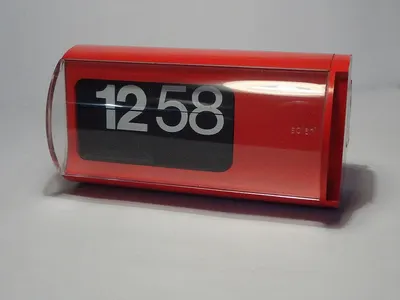
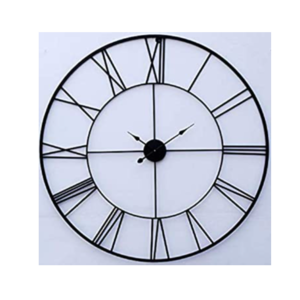
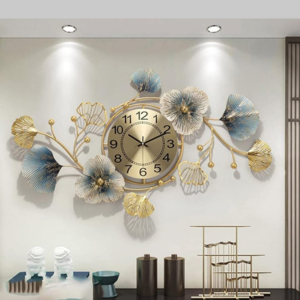
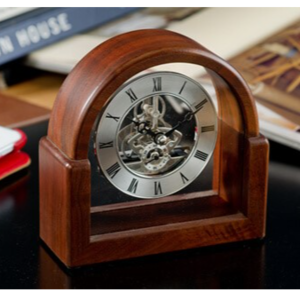
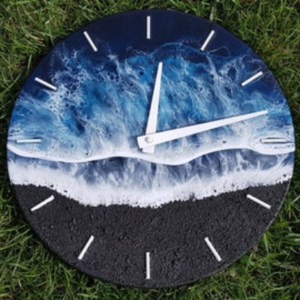
Optra Clock Pvt. Ltd. operates from India and currently lists five distinct table‑clock models in its catalogue. The active product count of five includes a Fancy Clock, a Pendulum clock, a Sweep clock, a Glass clock and an Office clock. Each item is positioned within the broader table‑clock category that is classified under HS chapter 91, sub‑heading 9105 for clocks. The supplier’s catalogue does not provide further technical specifications, but the product titles indicate a focus on decorative and functional desk‑top timepieces.
The five listed models cover both aesthetic and functional segments, ranging from ornamental glass designs to mechanically driven pendulum units. While the catalogue does not specify movement type, typical table clocks from India employ quartz battery‑powered movements or spring‑driven mechanical mechanisms. Buyers can expect standard dimensions between 20 cm and 45 cm in diameter, with weight varying from 0.8 kg for glass variants to up to 2 kg for solid‑frame office models.
Product Range and Specialties of Optra Clock Pvt. Ltd.
The catalogue’s five models span common material choices in the table‑clock market: the Fancy Clock often uses lacquered wood or metal frames, the Pendulum clock relies on brass or steel components for the swing, the Sweep clock commonly incorporates a quartz movement with a sweeping second hand, the Glass clock features a transparent or frosted glass face, and the Office clock typically employs a sturdy polymer or metal housing for durability. In the industry, table clocks are graded by finish quality (e.g., premium lacquer, matte metal) and by movement accuracy, with quartz models usually meeting ISO 3159 tolerance of ±15 seconds per month. Buyers frequently request specifications such as case dimensions, weight, power source (AA battery or 3 V button cell), and finish type to match interior design requirements.
Trade and Export Information - Optra Clock Pvt. Ltd.
India ranks among the top exporters of decorative table clocks, with shipments primarily destined for the European Union, the United States, the Middle East and Southeast Asian markets. The HS code 9105.00 covers all listed clock types, and customs authorities in these regions commonly require CE marking for the EU, FCC compliance for the US, and RoHS conformity for electronic components.
Export logistics for table clocks typically involve packing each unit in a reinforced cardboard box or a wooden crate, then consolidating 1,800‑2,200 pieces into a standard 20‑foot container depending on size and packaging density. Indian exporters often quote FOB Mumbai or CIF destinations in Europe, and they adhere to standard Incoterms while providing phytosanitary certificates only for wooden packaging if required by the destination country.
Sourcing from Optra Clock Pvt. Ltd. - Buyer Guidance
When sourcing from Optra Clock Pvt. Ltd., buyers should request a detailed product data sheet that lists dimensions, material composition, movement type (quartz or mechanical), power requirements and any applicable safety certifications. It is advisable to obtain a pre‑shipment sample and test reports for EMC compliance, CE marking or other regional certifications that the buyer’s market mandates.
Typical minimum order quantities for Indian table‑clock manufacturers range from 300 to 500 units per model, with lead times of 30‑45 days after design approval and sample acceptance. Buyers should verify packaging specifications (e.g., double‑wall boxes, palletization) and confirm that the supplier can provide the necessary export documentation, such as a commercial invoice, packing list, and certificate of origin.
Frequently Asked Questions About Optra Clock Pvt. Ltd.
What types of table clocks does Optra Clock Pvt. Ltd. offer?
The supplier lists five models - Fancy Clock, Pendulum clock, Sweep clock, Glass clock and Office clock - all classified under the table‑clock segment. Each model is presented as a distinct design intended for decorative or office environments.
Are the clocks powered by battery or mains?
The catalogue does not specify, but table clocks from this region are usually battery‑powered, employing AA or button‑cell batteries for quartz movements, while mechanical pendulum models operate without external power. Buyers should confirm the power source during the quotation stage.
Which certifications should a buyer request for these clocks?
Buyers should ask for CE marking for EU markets, FCC or UL compliance for North America, and RoHS certification for electronic components; these are standard industry requirements for decorative clocks. Requesting test reports that demonstrate conformity helps streamline customs clearance.
What is the typical packaging for the listed clocks?
Each unit is normally packed in a single‑wall or double‑wall cardboard box with protective inserts, and multiple boxes are stacked on pallets for container loading. The packaging is designed to protect the clock face and mechanism during sea freight.
What are common minimum order quantities and lead times?
Indian clock manufacturers generally set MOQs between 300 and 500 pieces per model, with production lead times of 30 to 45 days after sample approval. Lead times may vary depending on order size and any custom finish requirements.
How can a buyer verify the material and finish quality?
Request a material certification or test report that details the type of wood, metal or glass used, along with finish grade and any surface treatment specifications. Such documentation verifies compliance with buyer specifications and quality expectations.
What shipping terms are typically used for these products?
Exporters from India commonly quote FOB Mumbai or CIF to the buyer’s destination port, using standard Incoterms and providing the usual export documents. Buyers should confirm the preferred Incoterm and any additional insurance or freight forwarding arrangements.




 , India