Nirmal Trans Belts Pvt Ltd — Supplier
About Nirmal Trans Belts Pvt Ltd - Industrial Belts & Straps Supplier in India
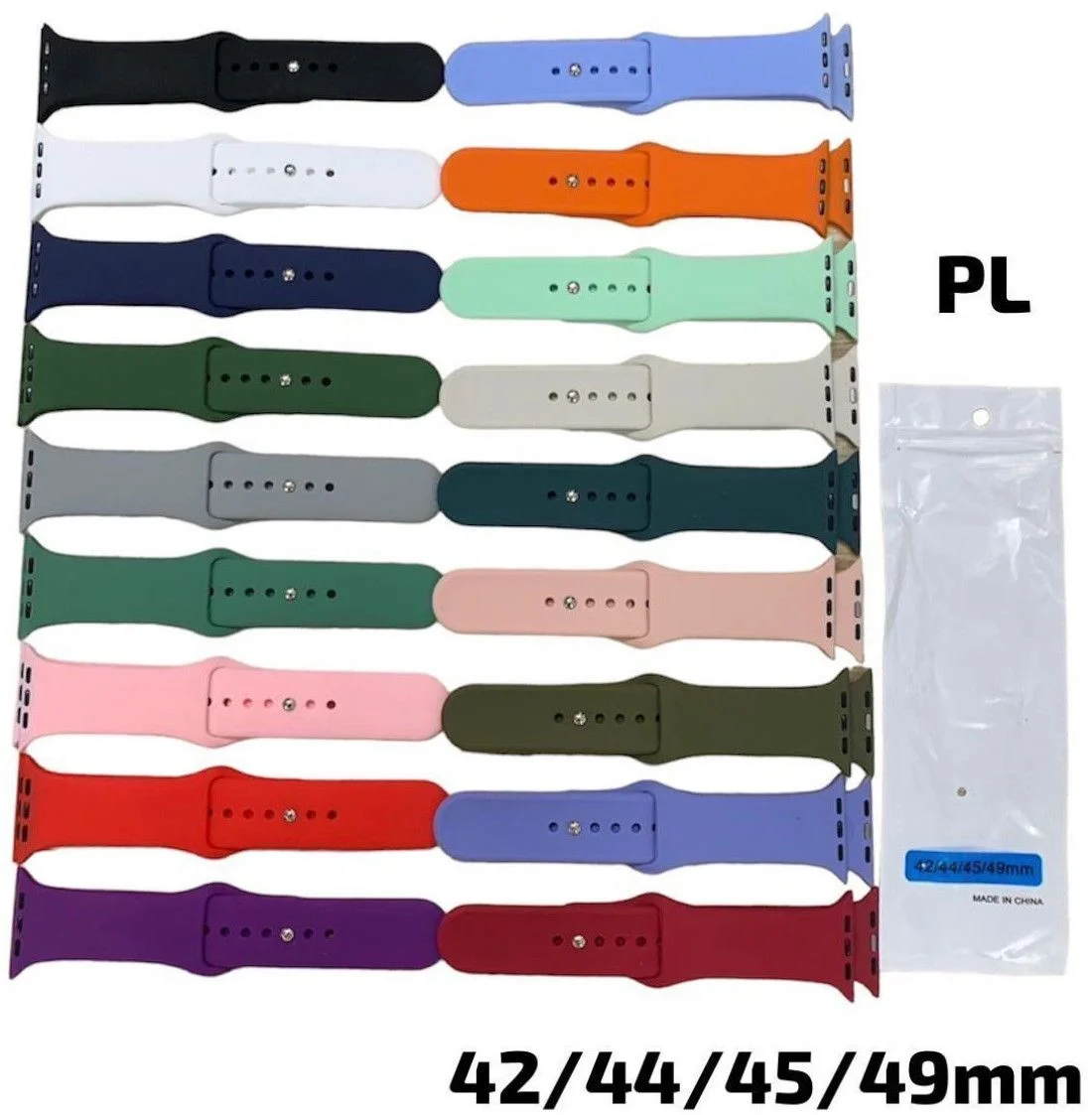
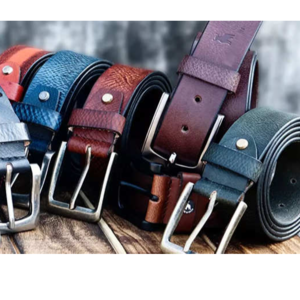
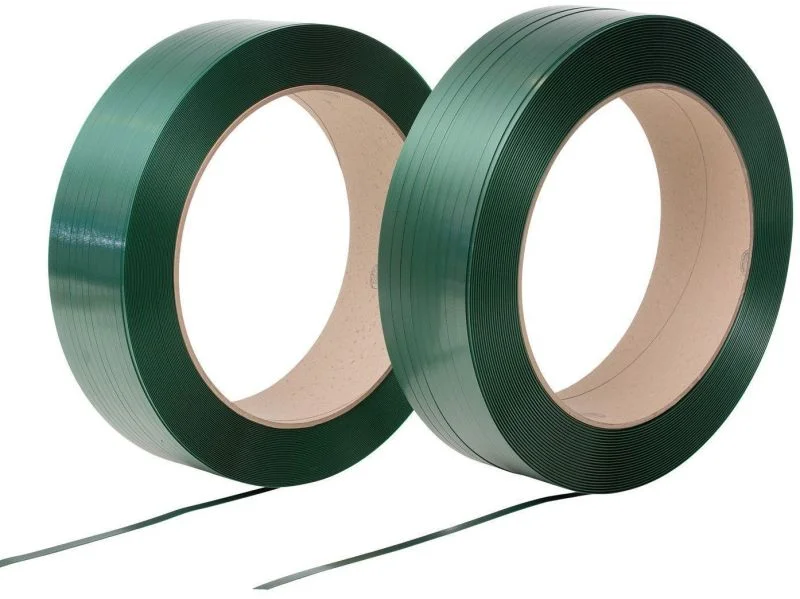
India hosts Nirmal Trans Belts Pvt Ltd, which currently lists eight distinct belt products across its catalogue. The company classifies its output under the categories Industrial Belts & Straps and Belts (Clothing Accessories), covering both machinery transmission and apparel uses. Products include Classical Section, Space Saver Belt, Raw Edge Cogged Belt, 8 V Section Belts, Harvester Belts, another Raw Edge Cogged variant, Poly Belts and Washing Machine Belt. The Poly Belts are recorded under HS code 4010.35 and are described as polyurethane or polymer composite material. The remaining items have no HS code specified in the supplied data, but they are all identified as belt types used in various industrial settings.
The listed belt range spans a variety of cross‑section profiles such as classical, V‑section, and cogged designs, each intended for specific power‑transmission or material‑handling tasks. The catalogue’s eight products reflect a focus on both standard and specialty belt formats, from space‑saving configurations to heavy‑duty harvester applications. While the data provide no explicit dimensions, typical industrial belts of this type are offered in widths from 30 mm to 200 mm and lengths up to several metres. The inclusion of a washing‑machine belt indicates a presence in appliance‑sector components as well as broader industrial machinery.
Product Range and Specialties of Nirmal Trans Belts Pvt Ltd
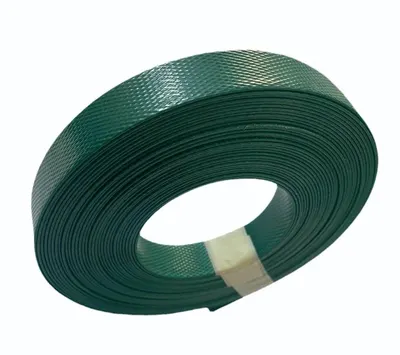
The catalogue enumerates Classical Section, Space Saver, Raw Edge Cogged, 8 V Section, Harvester, Poly (PU) and Washing Machine belts, each falling under the broader industrial belt segment. Poly Belts are identified with HS code 4010.35 and are manufactured from polyurethane or polymer composites, a material commonly selected for its abrasion resistance and flexibility. In the wider belt industry, PU belts are often graded by durometer hardness (Shore A 70‑90) and tensile strength (200‑800 N/mm). Classical and V‑section belts typically conform to ASTM D226 standards for rubber belts, with width ranges of 30‑200 mm and thicknesses of 3‑10 mm. Cogged belts are used where high grip on pulleys is required, and harvester belts are engineered for agricultural equipment, often featuring reinforced cords for extra load capacity.
Buyers of industrial belts generally look for specifications such as belt profile dimensions, material composition, tensile load rating, temperature operating range (‑20 °C to +120 °C for PU, higher for rubber), and compliance with standards like ISO 9001 for quality management. The washing‑machine belt, as a consumer‑appliance component, is typically supplied in a compact size (e.g., 15‑30 mm width) and must meet IEC 60335 safety requirements when used in EU markets. These industry benchmarks complement the supplier’s product list, giving buyers a clear reference for evaluating fit and performance.
Trade and Export Information - Nirmal Trans Belts Pvt Ltd
India is a major exporter of power‑transmission belts, with Europe, North America and the Middle East representing the largest import destinations for industrial and appliance belts. The HS‑code family 4010 covers "Other polymer products" and is routinely inspected under customs regimes that may require a Certificate of Origin and compliance documents such as REACH registration for EU shipments. Buyers often request ISO 9001 certification to verify the supplier’s quality system, and CE marking is common for belts destined for the European market, especially for appliance components like washing‑machine belts. Shipping is typically arranged in 20‑ft or 40‑ft containers, with belts packed in reinforced cardboard boxes or wooden crates to prevent deformation; Incoterms such as FOB (Chennai or Mumbai ports) or CIF are regularly used.
Export logistics from India include pre‑shipment inspection by agencies like SGS or Bureau Veritas, especially when the buyer demands third‑party verification of tensile strength or material safety data sheets. Polyurethane belts under HS 4010.35 may also be subject to phytosanitary or chemical safety checks depending on the destination country’s regulations. The supplier’s target markets, while not listed, are expected to align with the typical buyer profile of automotive OEMs, appliance manufacturers and agricultural equipment firms that source belts from Indian manufacturers.
Sourcing from Nirmal Trans Belts Pvt Ltd - Buyer Guidance
When sourcing belts from Nirmal Trans Belts, buyers should request detailed product data sheets that list width, thickness, tensile strength, durometer hardness (for PU), and temperature limits. Material Safety Data Sheets (MSDS) and third‑party test reports (e.g., ASTM D226 tensile test, ISO 9001 audit report) are standard documents that help verify compliance with performance and safety requirements.
Before confirming an order, verify the HS code classification (4010.35 for Poly Belts) and ensure any required certifications for the destination market are available, such as CE marking for EU appliance belts or REACH registration for chemical safety. Requesting a physical sample of the specific belt profile is advisable to assess fit and durability, and the supplier should be able to provide a sample in standard packaging for laboratory testing.
Frequently Asked Questions About Nirmal Trans Belts Pvt Ltd
What belt types are included in Nirmal Trans Belts' catalogue?
The catalogue lists Classical Section, Space Saver Belt, Raw Edge Cogged Belt, 8 V Section Belts, Harvester Belts, a second Raw Edge Cogged variant, Poly Belts and Washing Machine Belt, covering both industrial transmission and clothing‑accessory applications.
Which HS code applies to the Poly Belts?
Poly Belts are recorded under HS code 4010.35, which falls within the "Other polymer products" chapter used for polyurethane and composite belt materials.
What certifications are typically required for these belts?
Buyers usually request ISO 9001 quality‑management certification, CE conformity for EU markets, and any relevant REACH or ASTM test reports that confirm material performance and safety.
What are common technical specifications for industrial belts?
Typical specifications include belt width from 30 mm to 200 mm, tensile strength between 200 N/mm and 800 N/mm, Shore A durometer hardness of 70‑90 for PU belts, and operating temperature ranges from - 20 °C to +120 °C.
How are the belts packaged and shipped?
Belts are commonly packed in reinforced cardboard boxes or wooden crates, loaded into 20‑ft or 40‑ft containers, and shipped under Incoterms such as FOB or CIF, depending on the buyer’s preference.
What lead time and minimum order quantity are typical?
Lead times generally range from two to four weeks after order confirmation, and minimum order quantities often start at 500 kg or a full container load, varying by belt type.
How can a buyer request a sample?
A buyer should specify the belt name, desired dimensions and intended application; the supplier can then send a small quantity in standard packaging for testing and evaluation.
Which regions commonly import belts from India?
Indian belt exporters mainly serve automotive and appliance manufacturers in Europe, North America and the Middle East, as well as agricultural equipment users in Southeast Asia.




 , India