Neo Agri Tech — Verified Supplier

About Neo Agri Tech - Coco Peat and Coir Fibre Supplier in India

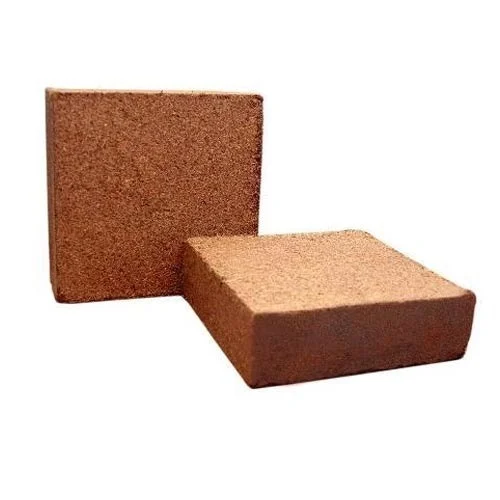
Neo Agri Tech is an India-based exporter operating from the country, with 11 active products listed across three related categories: Coco Peat and Coir Pith, Coir Fibres, and Coconut By-Products. The catalogue covers the principal value-added outputs derived from the coconut husk, including raw and processed fibre forms, compressed growing media, and fuel briquettes. Together these lines represent the main commercial streams of the Indian coconut by-products industry, which is concentrated in the southern states of Tamil Nadu, Kerala, Karnataka, and Andhra Pradesh where coconut cultivation is most dense. The supplier's listing spans horticultural inputs (Coir Pots, Buffered Coco Peat, Coco Peat Discs, Grow Bags, Coir Poles, Husk Chips), industrial fibre products (Coir Fibre, Curled Rope, Cut Fibre), and solid fuel lines (Barbecue Briquettes and Briquettes). This combination of substrate, fibre, and fuel items is typical of vertically integrated Indian coir processors who convert raw husks from nearby copra and coconut processing units into multiple finished SKUs for export. Indian coir exports are anchored by the Coir Board of India and the country's network of coir manufacturing clusters, which supply a significant share of global demand for these goods.

Product Range and Specialties of Neo Agri Tech

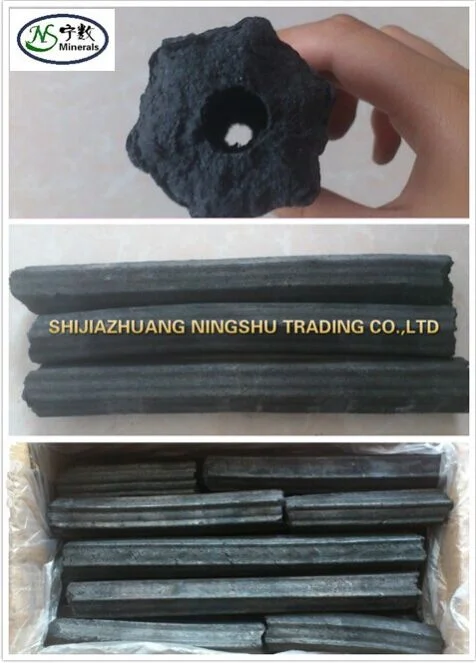
The 11-product catalogue divides cleanly into three families. The horticultural substrate line includes Buffered Coco Peat, Coco Peat Discs, Husk Chips, Grow Bags, and Coir Pots, all produced from coconut husk pith or fibre. Buffered Coco Peat is typically washed to reduce electrical conductivity (EC) to below 1.0 mS/cm and adjusted to a pH range of 5.5 to 6.5 for hydroponic and nursery use, while Husk Chips are graded by particle size (commonly 4-6 mm, 6-10 mm, and 10-20 mm) for orchid and anthurium cultivation. Grow Bags are usually filled to 1 kg, 2 kg, 5 kg, or 11 kg of compressed coir and wrapped in UV-stabilised co-extruded polyethylene, with standard dimensions of 100x18x16 cm for tomato and cucumber production. The fibre line covers Coir Fibre, Curled Rope, and Cut Fibre, which are the traditional bristle and twisted products of the Indian coir industry. Coir fibre is graded by length and colour, with bristle fibre typically exceeding 20 cm and shorter mattress fibre in the 10-20 cm range; cut fibre is supplied to specific millimetre lengths for brush, mattress, and geotextile applications. The fuel line includes Barbecue Briquettes and Briquettes, made from compressed coconut shell or husk charcoal, commonly produced as pillow or hexagonal shapes with fixed carbon content of 60-75%, ash content under 8%, and moisture below 6% for export-grade barbecue fuel.

Trade and Export Information - Neo Agri Tech

Indian coir and coco peat exports are classified under HS code 5305 for coconut, abaca, ramie and other vegetable textile fibres (Coir Fibre, Curled Rope, Cut Fibre), HS code 5308 for yarn and twine of these fibres, and HS code 2701 or 4401 for briquette products depending on whether they are classified as charcoal or wood-based solid fuel. Coco peat growing media generally falls under HS code 2703 or 5305 depending on customs interpretation, while coir pots and grow bags are typically classified under HS code 3923 or 3924 (articles of plastics or other materials) or under the coir textile heading depending on the importing country's tariff schedule. The principal import markets for Indian coco peat, coir fibre, and briquettes are the Netherlands, the United Kingdom, Germany, Spain, the United States, South Korea, and Australia, with horticulture and greenhouse operators as the main end-buyers for substrates, brush and mattress manufacturers for fibre, and the Middle East, Europe, and North America for barbecue briquettes. Buyers in these markets typically require fumigation and phytosanitary certificates for raw fibre and husk products, SGS or Bureau Veritas pre-shipment inspection reports for briquettes, and documentation confirming low EC and pH buffering for horticultural coir. Standard shipping is by 40 ft high-cube containers, with palletised compressed coir bales of 25 kg, 100 kg, or 5 kg briquette packs, and the typical Incoterms offered by Indian coir exporters are FOB, CFR, and CIF to major Asian and European ports.

Sourcing from Neo Agri Tech - Buyer Guidance

Buyers sourcing from Neo Agri Tech should request the technical specifications relevant to each product line before confirming an order. For Buffered Coco Peat and Coco Peat Discs, ask for the current batch EC (mS/cm), pH, moisture content (target below 15%), and expansion volume per kg, plus a sieve analysis showing the particle size distribution. For Coir Fibre, Curled Rope, and Cut Fibre, confirm fibre length in mm, colour grade (golden, brown, or white), moisture content, and tensile strength if the fibre is destined for brush or geotextile use. For Briquettes and Barbecue Briquettes, request ash content, fixed carbon percentage, calorific value in kcal/kg, moisture, and burning time, ideally verified by a third-party inspection agency. Standard export documents that should be requested include a phytosanitary certificate for raw fibre and husk items, a certificate of origin, a commercial invoice, a packing list, and a bill of lading. Buyers should also ask for product samples, lead time confirmation against the production calendar, and a clear statement of MOQ per SKU, since compressed coir products are commonly shipped in full container loads of approximately 22-26 metric tonnes per 40 ft HC. Confirming the supplier's documentation practices and third-party test reports before order placement is standard practice in this category and helps align the shipment with the importing country's plant health and quality regulations.

Frequently Asked Questions About Neo Agri Tech

What product categories does Neo Agri Tech supply?

The catalogue covers three categories: Coco Peat and Coir Pith (Buffered Coco Peat, Coco Peat Discs, Husk Chips, Grow Bags, Coir Pots), Coir Fibres (Coir Fibre, Curled Rope, Cut Fibre), and Coconut By-Products (Barbecue Briquettes, Briquettes, Coir Pole). Together these account for 11 active products.

Which HS codes apply to the coir and coco peat products listed?

Coir Fibre, Curled Rope, and Cut Fibre typically fall under HS 5305 (coconut and other vegetable textile fibres). Coco peat growing media is commonly classified under HS 5305 or HS 2703 depending on the importing customs authority, while coir pots and grow bags are often declared under HS 3923 or HS 3924. Briquettes are usually classified under HS 2701 or HS 4401.

What specifications should a buyer request for Buffered Coco Peat?

Ask for the EC in mS/cm (washed grade is typically below 1.0 mS/cm), pH (buffered to 5.5-6.5), moisture content below 15%, expansion ratio per kg, and a sieve analysis of particle size distribution. A third-party lab report from an SGS or equivalent agency is standard.

What documents are typically required for an export shipment of coir fibre or briquettes?

A phytosanitary certificate is usually required for raw coir fibre and husk products, along with a certificate of origin, commercial invoice, packing list, and bill of lading. For briquettes, buyers typically request an SGS or Bureau Veritas pre-shipment inspection report covering ash, moisture, fixed carbon, and calorific value.

What is the typical MOQ and container loading for these products?

Compressed coco peat and briquettes are most commonly shipped in full 40 ft high-cube containers, with a typical load of 22-26 metric tonnes depending on product density. Buyers should confirm the MOQ per SKU with the supplier, as it varies between loose bulk, palletised, and retail-packed configurations.

Which countries are the main import markets for Indian coir and coco peat?

The principal destinations for Indian coco peat and coir fibre are the Netherlands, the United Kingdom, Germany, Spain, the United States, South Korea, and Australia, driven by greenhouse horticulture and substrate blending. Barbecue briquettes are typically shipped to the Middle East, Europe, and North America.

What is the difference between Coir Fibre, Curled Rope, and Cut Fibre in this catalogue?

Coir Fibre is the raw twisted or untwisted bristle and mattress fibre graded by length and colour. Curled Rope is a twisted fibre product supplied in coils for mattress, netting, and erosion-control applications. Cut Fibre is fibre cut to specified millimetre lengths for brush filling, mattress padding, and geotextile manufacturing.


Featured Products from this Supplier

Other Suppliers in Primary Category

Related Products

Trending in Parent Category

More Suppliers in Category

Related Products

Other Suppliers

EximNext
58.4K+ live requirements
Register Free🎁 5 free buy-lead credits
Post Requirement
🌍 Trusted by 224.3K+ businesses in 200+ countries|
58.4K+ active requirements right now
✉️ [email protected]
|
Sell on EximNextPost Requirement
EximNext
AgricultureApparelConstructionElectronicFoodHomeIndustrialMineralsMiscellaneous
🔥 Deals|✨ AI Match|🏭 Suppliers|📋 Buy Leads|💰 Trade Finance|⭐ Upgrade
58.4K+ live RFQs·194.4K+ suppliers
🎁 5 free credits →
EximNext
EximNext
Register Free
🎁 5 free buy-lead credits
Sign In
📋Post Requirement💬Get QuotesAI Match📋RFQ Marketplace
All Categories
Services & Tools
🏭Supplier Directory🔥Today's Deals💰Trade FinanceMembership
Sell on EximNext
AboutContactBlogHelp
🏭

Neo Agri Tech

Harbor
Country flag , India
🛡️
55/100
Trust Score

Neo Agri Tech Product Catalog

Showing 11 of 11 products
View all products →
Briquettes
Harbor
Briquettes
Contact
MOQ: 1 Unit
Coir Pole
Harbor
Coir Pole
Contact
MOQ: 1 Unit
Cut Fibre
Harbor
Cut Fibre
Contact
MOQ: 1 Unit
Grow Bags
Harbor
Grow Bags
Contact
MOQ: 1 Unit
Coir Pots
Harbor
Coir Pots
Contact
MOQ: 1 Unit
Coir Fibre
Harbor
Coir Fibre
Contact
MOQ: 1 Unit
Curled Rope
Harbor
Curled Rope
Contact
MOQ: 1 Unit
Buffered Coco Peat
Harbor
Buffered Coco Peat
Contact
MOQ: 1 Unit
Coco Peat Discs
Harbor
Coco Peat Discs
Contact
MOQ: 1 Unit
Husk Chips
Harbor
Husk Chips
Contact
MOQ: 1 Unit
Barbecue Briquettes
Harbor
Barbecue Briquettes
Contact
MOQ: 1 Unit

About Neo Agri Tech - Coco Peat and Coir Fibre Supplier in India

Neo Agri Tech is an India-based exporter operating from the country, with 11 active products listed across three related categories: Coco Peat and Coir Pith, Coir Fibres, and Coconut By-Products. The catalogue covers the principal value-added outputs derived from the coconut husk, including raw and processed fibre forms, compressed growing media, and fuel briquettes. Together these lines represent the main commercial streams of the Indian coconut by-products industry, which is concentrated in the southern states of Tamil Nadu, Kerala, Karnataka, and Andhra Pradesh where coconut cultivation is most dense. The supplier's listing spans horticultural inputs (Coir Pots, Buffered Coco Peat, Coco Peat Discs, Grow Bags, Coir Poles, Husk Chips), industrial fibre products (Coir Fibre, Curled Rope, Cut Fibre), and solid fuel lines (Barbecue Briquettes and Briquettes). This combination of substrate, fibre, and fuel items is typical of vertically integrated Indian coir processors who convert raw husks from nearby copra and coconut processing units into multiple finished SKUs for export. Indian coir exports are anchored by the Coir Board of India and the country's network of coir manufacturing clusters, which supply a significant share of global demand for these goods.

Product Range and Specialties of Neo Agri Tech

The 11-product catalogue divides cleanly into three families. The horticultural substrate line includes Buffered Coco Peat, Coco Peat Discs, Husk Chips, Grow Bags, and Coir Pots, all produced from coconut husk pith or fibre. Buffered Coco Peat is typically washed to reduce electrical conductivity (EC) to below 1.0 mS/cm and adjusted to a pH range of 5.5 to 6.5 for hydroponic and nursery use, while Husk Chips are graded by particle size (commonly 4-6 mm, 6-10 mm, and 10-20 mm) for orchid and anthurium cultivation. Grow Bags are usually filled to 1 kg, 2 kg, 5 kg, or 11 kg of compressed coir and wrapped in UV-stabilised co-extruded polyethylene, with standard dimensions of 100x18x16 cm for tomato and cucumber production. The fibre line covers Coir Fibre, Curled Rope, and Cut Fibre, which are the traditional bristle and twisted products of the Indian coir industry. Coir fibre is graded by length and colour, with bristle fibre typically exceeding 20 cm and shorter mattress fibre in the 10-20 cm range; cut fibre is supplied to specific millimetre lengths for brush, mattress, and geotextile applications. The fuel line includes Barbecue Briquettes and Briquettes, made from compressed coconut shell or husk charcoal, commonly produced as pillow or hexagonal shapes with fixed carbon content of 60-75%, ash content under 8%, and moisture below 6% for export-grade barbecue fuel.

Trade and Export Information - Neo Agri Tech

Indian coir and coco peat exports are classified under HS code 5305 for coconut, abaca, ramie and other vegetable textile fibres (Coir Fibre, Curled Rope, Cut Fibre), HS code 5308 for yarn and twine of these fibres, and HS code 2701 or 4401 for briquette products depending on whether they are classified as charcoal or wood-based solid fuel. Coco peat growing media generally falls under HS code 2703 or 5305 depending on customs interpretation, while coir pots and grow bags are typically classified under HS code 3923 or 3924 (articles of plastics or other materials) or under the coir textile heading depending on the importing country's tariff schedule. The principal import markets for Indian coco peat, coir fibre, and briquettes are the Netherlands, the United Kingdom, Germany, Spain, the United States, South Korea, and Australia, with horticulture and greenhouse operators as the main end-buyers for substrates, brush and mattress manufacturers for fibre, and the Middle East, Europe, and North America for barbecue briquettes. Buyers in these markets typically require fumigation and phytosanitary certificates for raw fibre and husk products, SGS or Bureau Veritas pre-shipment inspection reports for briquettes, and documentation confirming low EC and pH buffering for horticultural coir. Standard shipping is by 40 ft high-cube containers, with palletised compressed coir bales of 25 kg, 100 kg, or 5 kg briquette packs, and the typical Incoterms offered by Indian coir exporters are FOB, CFR, and CIF to major Asian and European ports.

Sourcing from Neo Agri Tech - Buyer Guidance

Buyers sourcing from Neo Agri Tech should request the technical specifications relevant to each product line before confirming an order. For Buffered Coco Peat and Coco Peat Discs, ask for the current batch EC (mS/cm), pH, moisture content (target below 15%), and expansion volume per kg, plus a sieve analysis showing the particle size distribution. For Coir Fibre, Curled Rope, and Cut Fibre, confirm fibre length in mm, colour grade (golden, brown, or white), moisture content, and tensile strength if the fibre is destined for brush or geotextile use. For Briquettes and Barbecue Briquettes, request ash content, fixed carbon percentage, calorific value in kcal/kg, moisture, and burning time, ideally verified by a third-party inspection agency. Standard export documents that should be requested include a phytosanitary certificate for raw fibre and husk items, a certificate of origin, a commercial invoice, a packing list, and a bill of lading. Buyers should also ask for product samples, lead time confirmation against the production calendar, and a clear statement of MOQ per SKU, since compressed coir products are commonly shipped in full container loads of approximately 22-26 metric tonnes per 40 ft HC. Confirming the supplier's documentation practices and third-party test reports before order placement is standard practice in this category and helps align the shipment with the importing country's plant health and quality regulations.

Frequently Asked Questions About Neo Agri Tech

What product categories does Neo Agri Tech supply?

The catalogue covers three categories: Coco Peat and Coir Pith (Buffered Coco Peat, Coco Peat Discs, Husk Chips, Grow Bags, Coir Pots), Coir Fibres (Coir Fibre, Curled Rope, Cut Fibre), and Coconut By-Products (Barbecue Briquettes, Briquettes, Coir Pole). Together these account for 11 active products.

Which HS codes apply to the coir and coco peat products listed?

Coir Fibre, Curled Rope, and Cut Fibre typically fall under HS 5305 (coconut and other vegetable textile fibres). Coco peat growing media is commonly classified under HS 5305 or HS 2703 depending on the importing customs authority, while coir pots and grow bags are often declared under HS 3923 or HS 3924. Briquettes are usually classified under HS 2701 or HS 4401.

What specifications should a buyer request for Buffered Coco Peat?

Ask for the EC in mS/cm (washed grade is typically below 1.0 mS/cm), pH (buffered to 5.5-6.5), moisture content below 15%, expansion ratio per kg, and a sieve analysis of particle size distribution. A third-party lab report from an SGS or equivalent agency is standard.

What documents are typically required for an export shipment of coir fibre or briquettes?

A phytosanitary certificate is usually required for raw coir fibre and husk products, along with a certificate of origin, commercial invoice, packing list, and bill of lading. For briquettes, buyers typically request an SGS or Bureau Veritas pre-shipment inspection report covering ash, moisture, fixed carbon, and calorific value.

What is the typical MOQ and container loading for these products?

Compressed coco peat and briquettes are most commonly shipped in full 40 ft high-cube containers, with a typical load of 22-26 metric tonnes depending on product density. Buyers should confirm the MOQ per SKU with the supplier, as it varies between loose bulk, palletised, and retail-packed configurations.

Which countries are the main import markets for Indian coir and coco peat?

The principal destinations for Indian coco peat and coir fibre are the Netherlands, the United Kingdom, Germany, Spain, the United States, South Korea, and Australia, driven by greenhouse horticulture and substrate blending. Barbecue briquettes are typically shipped to the Middle East, Europe, and North America.

What is the difference between Coir Fibre, Curled Rope, and Cut Fibre in this catalogue?

Coir Fibre is the raw twisted or untwisted bristle and mattress fibre graded by length and colour. Curled Rope is a twisted fibre product supplied in coils for mattress, netting, and erosion-control applications. Cut Fibre is fibre cut to specified millimetre lengths for brush filling, mattress padding, and geotextile manufacturing.

About Neo Agri Tech - Coco Peat and Coir Fibre Supplier in India

Neo Agri Tech is an India-based exporter operating from the country, with 11 active products listed across three related categories: Coco Peat and Coir Pith, Coir Fibres, and Coconut By-Products. The catalogue covers the principal value-added outputs derived from the coconut husk, including raw and processed fibre forms, compressed growing media, and fuel briquettes. Together these lines represent the main commercial streams of the Indian coconut by-products industry, which is concentrated in the southern states of Tamil Nadu, Kerala, Karnataka, and Andhra Pradesh where coconut cultivation is most dense. The supplier's listing spans horticultural inputs (Coir Pots, Buffered Coco Peat, Coco Peat Discs, Grow Bags, Coir Poles, Husk Chips), industrial fibre products (Coir Fibre, Curled Rope, Cut Fibre), and solid fuel lines (Barbecue Briquettes and Briquettes). This combination of substrate, fibre, and fuel items is typical of vertically integrated Indian coir processors who convert raw husks from nearby copra and coconut processing units into multiple finished SKUs for export. Indian coir exports are anchored by the Coir Board of India and the country's network of coir manufacturing clusters, which supply a significant share of global demand for these goods.

Product Range and Specialties of Neo Agri Tech

The 11-product catalogue divides cleanly into three families. The horticultural substrate line includes Buffered Coco Peat, Coco Peat Discs, Husk Chips, Grow Bags, and Coir Pots, all produced from coconut husk pith or fibre. Buffered Coco Peat is typically washed to reduce electrical conductivity (EC) to below 1.0 mS/cm and adjusted to a pH range of 5.5 to 6.5 for hydroponic and nursery use, while Husk Chips are graded by particle size (commonly 4-6 mm, 6-10 mm, and 10-20 mm) for orchid and anthurium cultivation. Grow Bags are usually filled to 1 kg, 2 kg, 5 kg, or 11 kg of compressed coir and wrapped in UV-stabilised co-extruded polyethylene, with standard dimensions of 100x18x16 cm for tomato and cucumber production. The fibre line covers Coir Fibre, Curled Rope, and Cut Fibre, which are the traditional bristle and twisted products of the Indian coir industry. Coir fibre is graded by length and colour, with bristle fibre typically exceeding 20 cm and shorter mattress fibre in the 10-20 cm range; cut fibre is supplied to specific millimetre lengths for brush, mattress, and geotextile applications. The fuel line includes Barbecue Briquettes and Briquettes, made from compressed coconut shell or husk charcoal, commonly produced as pillow or hexagonal shapes with fixed carbon content of 60-75%, ash content under 8%, and moisture below 6% for export-grade barbecue fuel.

Trade and Export Information - Neo Agri Tech

Indian coir and coco peat exports are classified under HS code 5305 for coconut, abaca, ramie and other vegetable textile fibres (Coir Fibre, Curled Rope, Cut Fibre), HS code 5308 for yarn and twine of these fibres, and HS code 2701 or 4401 for briquette products depending on whether they are classified as charcoal or wood-based solid fuel. Coco peat growing media generally falls under HS code 2703 or 5305 depending on customs interpretation, while coir pots and grow bags are typically classified under HS code 3923 or 3924 (articles of plastics or other materials) or under the coir textile heading depending on the importing country's tariff schedule. The principal import markets for Indian coco peat, coir fibre, and briquettes are the Netherlands, the United Kingdom, Germany, Spain, the United States, South Korea, and Australia, with horticulture and greenhouse operators as the main end-buyers for substrates, brush and mattress manufacturers for fibre, and the Middle East, Europe, and North America for barbecue briquettes. Buyers in these markets typically require fumigation and phytosanitary certificates for raw fibre and husk products, SGS or Bureau Veritas pre-shipment inspection reports for briquettes, and documentation confirming low EC and pH buffering for horticultural coir. Standard shipping is by 40 ft high-cube containers, with palletised compressed coir bales of 25 kg, 100 kg, or 5 kg briquette packs, and the typical Incoterms offered by Indian coir exporters are FOB, CFR, and CIF to major Asian and European ports.

Sourcing from Neo Agri Tech - Buyer Guidance

Buyers sourcing from Neo Agri Tech should request the technical specifications relevant to each product line before confirming an order. For Buffered Coco Peat and Coco Peat Discs, ask for the current batch EC (mS/cm), pH, moisture content (target below 15%), and expansion volume per kg, plus a sieve analysis showing the particle size distribution. For Coir Fibre, Curled Rope, and Cut Fibre, confirm fibre length in mm, colour grade (golden, brown, or white), moisture content, and tensile strength if the fibre is destined for brush or geotextile use. For Briquettes and Barbecue Briquettes, request ash content, fixed carbon percentage, calorific value in kcal/kg, moisture, and burning time, ideally verified by a third-party inspection agency. Standard export documents that should be requested include a phytosanitary certificate for raw fibre and husk items, a certificate of origin, a commercial invoice, a packing list, and a bill of lading. Buyers should also ask for product samples, lead time confirmation against the production calendar, and a clear statement of MOQ per SKU, since compressed coir products are commonly shipped in full container loads of approximately 22-26 metric tonnes per 40 ft HC. Confirming the supplier's documentation practices and third-party test reports before order placement is standard practice in this category and helps align the shipment with the importing country's plant health and quality regulations.

Frequently Asked Questions About Neo Agri Tech
What product categories does Neo Agri Tech supply?
The catalogue covers three categories: Coco Peat and Coir Pith (Buffered Coco Peat, Coco Peat Discs, Husk Chips, Grow Bags, Coir Pots), Coir Fibres (Coir Fibre, Curled Rope, Cut Fibre), and Coconut By-Products (Barbecue Briquettes, Briquettes, Coir Pole). Together these account for 11 active products.
Which HS codes apply to the coir and coco peat products listed?
Coir Fibre, Curled Rope, and Cut Fibre typically fall under HS 5305 (coconut and other vegetable textile fibres). Coco peat growing media is commonly classified under HS 5305 or HS 2703 depending on the importing customs authority, while coir pots and grow bags are often declared under HS 3923 or HS 3924. Briquettes are usually classified under HS 2701 or HS 4401.
What specifications should a buyer request for Buffered Coco Peat?
Ask for the EC in mS/cm (washed grade is typically below 1.0 mS/cm), pH (buffered to 5.5-6.5), moisture content below 15%, expansion ratio per kg, and a sieve analysis of particle size distribution. A third-party lab report from an SGS or equivalent agency is standard.
What documents are typically required for an export shipment of coir fibre or briquettes?
A phytosanitary certificate is usually required for raw coir fibre and husk products, along with a certificate of origin, commercial invoice, packing list, and bill of lading. For briquettes, buyers typically request an SGS or Bureau Veritas pre-shipment inspection report covering ash, moisture, fixed carbon, and calorific value.
What is the typical MOQ and container loading for these products?
Compressed coco peat and briquettes are most commonly shipped in full 40 ft high-cube containers, with a typical load of 22-26 metric tonnes depending on product density. Buyers should confirm the MOQ per SKU with the supplier, as it varies between loose bulk, palletised, and retail-packed configurations.
Which countries are the main import markets for Indian coir and coco peat?
The principal destinations for Indian coco peat and coir fibre are the Netherlands, the United Kingdom, Germany, Spain, the United States, South Korea, and Australia, driven by greenhouse horticulture and substrate blending. Barbecue briquettes are typically shipped to the Middle East, Europe, and North America.
What is the difference between Coir Fibre, Curled Rope, and Cut Fibre in this catalogue?
Coir Fibre is the raw twisted or untwisted bristle and mattress fibre graded by length and colour. Curled Rope is a twisted fibre product supplied in coils for mattress, netting, and erosion-control applications. Cut Fibre is fibre cut to specified millimetre lengths for brush filling, mattress padding, and geotextile manufacturing.

🏭
Neo Agri Tech
Country flag , India
Harbor
55/100
Trust Score
📦
11
Products
Free to contact — no commission
Escrow payment available
Verified business identity
Compare more suppliers
Post a requirement — get 10 quotes free
Let verified suppliers compete for your business. Free, fast, no commitment.
EximNext Verified Supplier
Business identity verified
Physical address confirmed
Financial history checked
Certifications authenticated
Trade references validated
Due Diligence
Verify this supplier's real shipping history.
Every shipment, every buyer, every port. Trade data that can't be faked.
Run due diligence →
Discover More

Related Suppliers & Products

Explore similar suppliers, related products and trending categories

Featured Products from this Supplier

Other Suppliers in Primary Category

Related Products

Trending in Parent Category

More Suppliers in Category

Stay ahead in global trade
Weekly market insights & new supplier alerts.
EximNext
Exim Next is a leading global B2B marketplace, connecting over 205,000 verified suppliers and buyers across 200+ countries. As a trusted import export marketplace, it serves as the essential B2B portal for businesses worldwide, empowering them to expand their international reach. With Exim Next, businesses can trade smarter and grow faster.
SECURE PAYMENTS
VISAMastercardPayPalSWIFTL/CEscrow
Follow us
© 2026 EximNext