Nef Kimya — Verified Supplier

About Nef Kimya - Plastic Raw Materials Supplier in Turkey

Nef Kimya is based in Turkey and lists ten active products across the categories of Plastic Raw Materials, Bags & Baggage Accessories, Agriculture, Nylon Bags and Garbage Bags. The catalogue includes shrink films, stretch films, greenhouse covers, pallet covers, big‑bags, nylon bags, roll grocery bags, delicatessen bags, handle bags and garbage bags. Each item falls under the broader HS chapter 39 for plastics and the HS chapter 42 for polymer bags, which are the standard customs classifications for these goods. The supplier’s product set reflects typical Turkish exporters that focus on flexible polymer solutions for packaging, agricultural protection and bulk handling.

The product list combines film‑type materials such as shrink and stretch films with a range of bag solutions from bulk big‑bags to consumer‑grade grocery bags. The inclusion of greenhouse and pallet covers indicates a focus on agricultural and logistics applications, while the nylon and garbage bag lines address both industrial and municipal needs. All items are manufactured from polymer grades commonly used in the industry, such as low‑density polyethylene (LDPE), linear low‑density polyethylene (LLDPE) and woven polypropylene. The catalogue therefore spans both thin‑film applications (typically 12‑30 µm) and heavy‑duty bulk containers (often 1 mm thick woven PP).

Product Range and Specialties of Nef Kimya

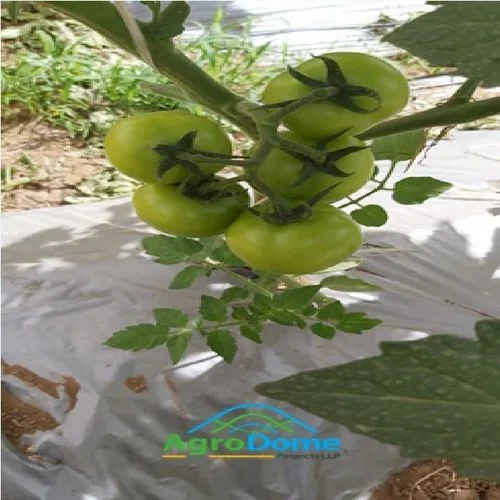
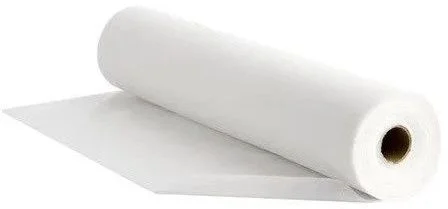
The catalogue’s shrink films are generally supplied in linear low‑density polyethylene with thicknesses from 12 µm to 30 µm, offering cling and seal properties for retail packaging. Stretch films are typically biaxially oriented polypropylene (BOPP) or polyethylene terephthalate (BOPET) with tensile strengths above 300 MPa and puncture resistance suited for pallet unitisation. Greenhouse covers are usually UV‑stabilised LDPE or LLDPE, 40 µm to 80 µm thick, providing light transmission of 80‑90 % and weather resistance for horticultural use. Pallet covers are heavy‑duty polyethylene sheets, often 150 µm thick, designed to protect loads during transport. Big‑bags are woven polypropylene with a typical load capacity of 2‑5 tonnes and dimensions around 1 200 mm × 1 000 mm. Nylon bags are made from nylon‑6 polymer, commonly 30‑70 µm thick, offering high tear strength for industrial packaging. Roll grocery bags are low‑density polyethylene rolls, usually 20‑30 µm thick and supplied on cores of 1 m to 2 m width. Delicatessen bags are often multi‑layer PE/PA laminates providing moisture barrier and food‑contact compliance. Handle bags feature reinforced polypropylene walls with molded handles, typically 50‑80 µm thick, for reusable retail applications. Garbage bags are low‑density polyethylene, 30‑70 µm thick, with perforations for drainage in municipal waste collection.

Trade and Export Information - Nef Kimya

Turkey is a major exporter of polymer films and flexible packaging, with the European Union, the Middle East and North Africa representing the largest destination markets. HS chapter 39 (plastic sheets, films and bags) and HS chapter 42 (plastic articles for the conveyance or packaging of goods) dominate customs filings for these products. Buyers often request compliance with REACH registration for chemical safety, as well as ISO 9001 quality management certification from Turkish manufacturers. For food‑contact applications such as grocery and delicatessen bags, FDA or EU food‑contact regulations (e.g., EU Regulation No 1935/2004) are typically required. Export shipments are commonly packed in 20‑ft or 40‑ft containers, with films and covers rolled on cores and bags stacked or palletised. Incoterms such as CIF or FOB are standard, and freight forwarders usually handle the necessary phytosanitary or material safety data sheet documentation for polymer exports.

Sourcing from Nef Kimya - Buyer Guidance

When sourcing films or bags from Nef Kimya, request a material safety data sheet (MSDS) that details polymer type, additives and migration limits. Verify test reports for thickness, tensile strength, puncture resistance and, where relevant, food‑contact migration testing. Request sample rolls or bags to confirm visual quality, sealability and handle strength before committing to larger volumes. Clarify the required certifications - REACH registration, ISO 9001, and any food‑contact approvals - and ensure the supplier can provide the corresponding certificates. Confirm packaging details, such as core diameter for films or pallet configuration for big‑bags, to align with your logistics plan. Establish the minimum order quantity (MOQ) and lead time, which for polymer films typically range from 5 000 m² to 20 000 m² per shipment, and negotiate inspection points such as pre‑shipment quality audit.

Frequently Asked Questions About Nef Kimya

What polymer types are used for the shrink and stretch films listed by Nef Kimya?

Shrink films are usually linear low‑density polyethylene (LLDPE) and stretch films are commonly biaxially oriented polypropylene (BOPP) or polyethylene terephthalate (BOPET), each providing the tensile and seal properties required for packaging.

Which HS codes apply to the bag products in the catalogue?

Bag products such as nylon bags, grocery bags and garbage bags fall under HS chapter 42, specifically HS 4202 for plastic bags, while woven polypropylene big‑bags are classified under HS 6305 for sacks and bags.

Are food‑contact certifications required for the delicatessen and grocery bags?

Yes, buyers typically require compliance with EU food‑contact regulations (Regulation No 1935/2004) or FDA food‑contact standards, and they should request the relevant test reports and certificates from the supplier.

What documentation should a buyer request before placing an order?

Ask for an MSDS, REACH registration confirmation, ISO 9001 certificate, product test reports (thickness, tensile strength, barrier properties) and, where applicable, food‑contact migration test results.

What are typical minimum order quantities for the film products?

Film products are often sold by the square metre; common MOQs range from 5 000 m² to 20 000 m² per shipment, depending on thickness and polymer grade.

How are the bag products usually packed for export?

Bag items are generally palletised with stretch film wraps for stability, while film rolls are placed on cores and stacked in 20‑ft or 40‑ft containers, protected by cardboard or wooden crates.

Which regions import Turkish polymer films and bags most frequently?

The European Union, the Middle East and North Africa are the primary import markets for Turkish polymer films and flexible packaging, driven by proximity and trade agreements.

What lead times can buyers expect for these polymer products?

Lead times typically range from 15 to 30 days after order confirmation, depending on product complexity, required certifications and the size of the shipment.


Featured Products from this Supplier

Other Suppliers in Primary Category

Top Trusted Suppliers

Related Products

Trending in Parent Category

More Suppliers in Category

Related Products

Other Suppliers

EximNext
58.5K+ live requirements
Register Free🎁 Reach verified global buyers
Post Requirement
🌍 Trusted by 224.6K+ businesses in 200+ countries|
58.5K+ active requirements right now
✉️ [email protected]
|
Sell on EximNextPost Requirement
EximNext
AgricultureApparelConstructionElectronicFoodHomeIndustrialMineralsMiscellaneous
🔥 Deals|✨ AI Match|🏭 Suppliers|📋 Buy Leads|💰 Trade Finance
58.5K+ live RFQs·194.6K+ suppliers
🎁 Reach global buyers →
EximNext
EximNext
Register Free
🎁 Reach verified global buyers
Sign In
📋Post Requirement💬Get QuotesAI Match📋RFQ Marketplace
All Categories
Services & Tools
🏭Supplier Directory🔥Today's Deals💰Trade Finance
Sell on EximNext
AboutContactBlogHelp
🏭

Nef Kimya

Harbor
Country flag , Turkey
🛡️
55/100
Trust Score

Nef Kimya Product Catalog

Showing 10 of 10 products
View all products →
Shrink Films
Harbor
Shrink Films
Contact
MOQ: 1 Unit
Strech Films
Harbor
Strech Films
Contact
MOQ: 1 Unit
Greenhouse Cover
Harbor
Greenhouse Cover
Contact
MOQ: 1 Unit
Pallet Cover
Harbor
Pallet Cover
Contact
MOQ: 1 Unit
Big-Bag
Harbor
Big-Bag
Contact
MOQ: 1 Unit
Nylon Bag
Harbor
Nylon Bag
Contact
MOQ: 1 Unit
Roll Grocery Bag
Harbor
Roll Grocery Bag
Contact
MOQ: 1 Unit
Delicatessen Bag
Harbor
Delicatessen Bag
Contact
MOQ: 1 Unit
Handle Bag
Harbor
Handle Bag
Contact
MOQ: 1 Unit
Garbage Bag
Harbor
Garbage Bag
Contact
MOQ: 1 Unit

About Nef Kimya - Plastic Raw Materials Supplier in Turkey

Nef Kimya is based in Turkey and lists ten active products across the categories of Plastic Raw Materials, Bags & Baggage Accessories, Agriculture, Nylon Bags and Garbage Bags. The catalogue includes shrink films, stretch films, greenhouse covers, pallet covers, big‑bags, nylon bags, roll grocery bags, delicatessen bags, handle bags and garbage bags. Each item falls under the broader HS chapter 39 for plastics and the HS chapter 42 for polymer bags, which are the standard customs classifications for these goods. The supplier’s product set reflects typical Turkish exporters that focus on flexible polymer solutions for packaging, agricultural protection and bulk handling.

The product list combines film‑type materials such as shrink and stretch films with a range of bag solutions from bulk big‑bags to consumer‑grade grocery bags. The inclusion of greenhouse and pallet covers indicates a focus on agricultural and logistics applications, while the nylon and garbage bag lines address both industrial and municipal needs. All items are manufactured from polymer grades commonly used in the industry, such as low‑density polyethylene (LDPE), linear low‑density polyethylene (LLDPE) and woven polypropylene. The catalogue therefore spans both thin‑film applications (typically 12‑30 µm) and heavy‑duty bulk containers (often 1 mm thick woven PP).

Product Range and Specialties of Nef Kimya

The catalogue’s shrink films are generally supplied in linear low‑density polyethylene with thicknesses from 12 µm to 30 µm, offering cling and seal properties for retail packaging. Stretch films are typically biaxially oriented polypropylene (BOPP) or polyethylene terephthalate (BOPET) with tensile strengths above 300 MPa and puncture resistance suited for pallet unitisation. Greenhouse covers are usually UV‑stabilised LDPE or LLDPE, 40 µm to 80 µm thick, providing light transmission of 80‑90 % and weather resistance for horticultural use. Pallet covers are heavy‑duty polyethylene sheets, often 150 µm thick, designed to protect loads during transport. Big‑bags are woven polypropylene with a typical load capacity of 2‑5 tonnes and dimensions around 1 200 mm × 1 000 mm. Nylon bags are made from nylon‑6 polymer, commonly 30‑70 µm thick, offering high tear strength for industrial packaging. Roll grocery bags are low‑density polyethylene rolls, usually 20‑30 µm thick and supplied on cores of 1 m to 2 m width. Delicatessen bags are often multi‑layer PE/PA laminates providing moisture barrier and food‑contact compliance. Handle bags feature reinforced polypropylene walls with molded handles, typically 50‑80 µm thick, for reusable retail applications. Garbage bags are low‑density polyethylene, 30‑70 µm thick, with perforations for drainage in municipal waste collection.

Trade and Export Information - Nef Kimya

Turkey is a major exporter of polymer films and flexible packaging, with the European Union, the Middle East and North Africa representing the largest destination markets. HS chapter 39 (plastic sheets, films and bags) and HS chapter 42 (plastic articles for the conveyance or packaging of goods) dominate customs filings for these products. Buyers often request compliance with REACH registration for chemical safety, as well as ISO 9001 quality management certification from Turkish manufacturers. For food‑contact applications such as grocery and delicatessen bags, FDA or EU food‑contact regulations (e.g., EU Regulation No 1935/2004) are typically required. Export shipments are commonly packed in 20‑ft or 40‑ft containers, with films and covers rolled on cores and bags stacked or palletised. Incoterms such as CIF or FOB are standard, and freight forwarders usually handle the necessary phytosanitary or material safety data sheet documentation for polymer exports.

Sourcing from Nef Kimya - Buyer Guidance

When sourcing films or bags from Nef Kimya, request a material safety data sheet (MSDS) that details polymer type, additives and migration limits. Verify test reports for thickness, tensile strength, puncture resistance and, where relevant, food‑contact migration testing. Request sample rolls or bags to confirm visual quality, sealability and handle strength before committing to larger volumes. Clarify the required certifications - REACH registration, ISO 9001, and any food‑contact approvals - and ensure the supplier can provide the corresponding certificates. Confirm packaging details, such as core diameter for films or pallet configuration for big‑bags, to align with your logistics plan. Establish the minimum order quantity (MOQ) and lead time, which for polymer films typically range from 5 000 m² to 20 000 m² per shipment, and negotiate inspection points such as pre‑shipment quality audit.

Frequently Asked Questions About Nef Kimya

What polymer types are used for the shrink and stretch films listed by Nef Kimya?

Shrink films are usually linear low‑density polyethylene (LLDPE) and stretch films are commonly biaxially oriented polypropylene (BOPP) or polyethylene terephthalate (BOPET), each providing the tensile and seal properties required for packaging.

Which HS codes apply to the bag products in the catalogue?

Bag products such as nylon bags, grocery bags and garbage bags fall under HS chapter 42, specifically HS 4202 for plastic bags, while woven polypropylene big‑bags are classified under HS 6305 for sacks and bags.

Are food‑contact certifications required for the delicatessen and grocery bags?

Yes, buyers typically require compliance with EU food‑contact regulations (Regulation No 1935/2004) or FDA food‑contact standards, and they should request the relevant test reports and certificates from the supplier.

What documentation should a buyer request before placing an order?

Ask for an MSDS, REACH registration confirmation, ISO 9001 certificate, product test reports (thickness, tensile strength, barrier properties) and, where applicable, food‑contact migration test results.

What are typical minimum order quantities for the film products?

Film products are often sold by the square metre; common MOQs range from 5 000 m² to 20 000 m² per shipment, depending on thickness and polymer grade.

How are the bag products usually packed for export?

Bag items are generally palletised with stretch film wraps for stability, while film rolls are placed on cores and stacked in 20‑ft or 40‑ft containers, protected by cardboard or wooden crates.

Which regions import Turkish polymer films and bags most frequently?

The European Union, the Middle East and North Africa are the primary import markets for Turkish polymer films and flexible packaging, driven by proximity and trade agreements.

What lead times can buyers expect for these polymer products?

Lead times typically range from 15 to 30 days after order confirmation, depending on product complexity, required certifications and the size of the shipment.

About Nef Kimya - Plastic Raw Materials Supplier in Turkey

Nef Kimya is based in Turkey and lists ten active products across the categories of Plastic Raw Materials, Bags & Baggage Accessories, Agriculture, Nylon Bags and Garbage Bags. The catalogue includes shrink films, stretch films, greenhouse covers, pallet covers, big‑bags, nylon bags, roll grocery bags, delicatessen bags, handle bags and garbage bags. Each item falls under the broader HS chapter 39 for plastics and the HS chapter 42 for polymer bags, which are the standard customs classifications for these goods. The supplier’s product set reflects typical Turkish exporters that focus on flexible polymer solutions for packaging, agricultural protection and bulk handling.

The product list combines film‑type materials such as shrink and stretch films with a range of bag solutions from bulk big‑bags to consumer‑grade grocery bags. The inclusion of greenhouse and pallet covers indicates a focus on agricultural and logistics applications, while the nylon and garbage bag lines address both industrial and municipal needs. All items are manufactured from polymer grades commonly used in the industry, such as low‑density polyethylene (LDPE), linear low‑density polyethylene (LLDPE) and woven polypropylene. The catalogue therefore spans both thin‑film applications (typically 12‑30 µm) and heavy‑duty bulk containers (often 1 mm thick woven PP).

Product Range and Specialties of Nef Kimya

The catalogue’s shrink films are generally supplied in linear low‑density polyethylene with thicknesses from 12 µm to 30 µm, offering cling and seal properties for retail packaging. Stretch films are typically biaxially oriented polypropylene (BOPP) or polyethylene terephthalate (BOPET) with tensile strengths above 300 MPa and puncture resistance suited for pallet unitisation. Greenhouse covers are usually UV‑stabilised LDPE or LLDPE, 40 µm to 80 µm thick, providing light transmission of 80‑90 % and weather resistance for horticultural use. Pallet covers are heavy‑duty polyethylene sheets, often 150 µm thick, designed to protect loads during transport. Big‑bags are woven polypropylene with a typical load capacity of 2‑5 tonnes and dimensions around 1 200 mm × 1 000 mm. Nylon bags are made from nylon‑6 polymer, commonly 30‑70 µm thick, offering high tear strength for industrial packaging. Roll grocery bags are low‑density polyethylene rolls, usually 20‑30 µm thick and supplied on cores of 1 m to 2 m width. Delicatessen bags are often multi‑layer PE/PA laminates providing moisture barrier and food‑contact compliance. Handle bags feature reinforced polypropylene walls with molded handles, typically 50‑80 µm thick, for reusable retail applications. Garbage bags are low‑density polyethylene, 30‑70 µm thick, with perforations for drainage in municipal waste collection.

Trade and Export Information - Nef Kimya

Turkey is a major exporter of polymer films and flexible packaging, with the European Union, the Middle East and North Africa representing the largest destination markets. HS chapter 39 (plastic sheets, films and bags) and HS chapter 42 (plastic articles for the conveyance or packaging of goods) dominate customs filings for these products. Buyers often request compliance with REACH registration for chemical safety, as well as ISO 9001 quality management certification from Turkish manufacturers. For food‑contact applications such as grocery and delicatessen bags, FDA or EU food‑contact regulations (e.g., EU Regulation No 1935/2004) are typically required. Export shipments are commonly packed in 20‑ft or 40‑ft containers, with films and covers rolled on cores and bags stacked or palletised. Incoterms such as CIF or FOB are standard, and freight forwarders usually handle the necessary phytosanitary or material safety data sheet documentation for polymer exports.

Sourcing from Nef Kimya - Buyer Guidance

When sourcing films or bags from Nef Kimya, request a material safety data sheet (MSDS) that details polymer type, additives and migration limits. Verify test reports for thickness, tensile strength, puncture resistance and, where relevant, food‑contact migration testing. Request sample rolls or bags to confirm visual quality, sealability and handle strength before committing to larger volumes. Clarify the required certifications - REACH registration, ISO 9001, and any food‑contact approvals - and ensure the supplier can provide the corresponding certificates. Confirm packaging details, such as core diameter for films or pallet configuration for big‑bags, to align with your logistics plan. Establish the minimum order quantity (MOQ) and lead time, which for polymer films typically range from 5 000 m² to 20 000 m² per shipment, and negotiate inspection points such as pre‑shipment quality audit.

Frequently Asked Questions About Nef Kimya
What polymer types are used for the shrink and stretch films listed by Nef Kimya?
Shrink films are usually linear low‑density polyethylene (LLDPE) and stretch films are commonly biaxially oriented polypropylene (BOPP) or polyethylene terephthalate (BOPET), each providing the tensile and seal properties required for packaging.
Which HS codes apply to the bag products in the catalogue?
Bag products such as nylon bags, grocery bags and garbage bags fall under HS chapter 42, specifically HS 4202 for plastic bags, while woven polypropylene big‑bags are classified under HS 6305 for sacks and bags.
Are food‑contact certifications required for the delicatessen and grocery bags?
Yes, buyers typically require compliance with EU food‑contact regulations (Regulation No 1935/2004) or FDA food‑contact standards, and they should request the relevant test reports and certificates from the supplier.
What documentation should a buyer request before placing an order?
Ask for an MSDS, REACH registration confirmation, ISO 9001 certificate, product test reports (thickness, tensile strength, barrier properties) and, where applicable, food‑contact migration test results.
What are typical minimum order quantities for the film products?
Film products are often sold by the square metre; common MOQs range from 5 000 m² to 20 000 m² per shipment, depending on thickness and polymer grade.
How are the bag products usually packed for export?
Bag items are generally palletised with stretch film wraps for stability, while film rolls are placed on cores and stacked in 20‑ft or 40‑ft containers, protected by cardboard or wooden crates.
Which regions import Turkish polymer films and bags most frequently?
The European Union, the Middle East and North Africa are the primary import markets for Turkish polymer films and flexible packaging, driven by proximity and trade agreements.
What lead times can buyers expect for these polymer products?
Lead times typically range from 15 to 30 days after order confirmation, depending on product complexity, required certifications and the size of the shipment.

🏭
Nef Kimya
Country flag , Turkey
Harbor
55/100
Trust Score
📦
10
Products
Free to contact — no commission
Escrow payment available
Verified business identity
Compare more suppliers
Post a requirement — get 10 quotes free
Let verified suppliers compete for your business. Free, fast, no commitment.
EximNext Verified Supplier
Business identity verified
Physical address confirmed
Financial history checked
Certifications authenticated
Trade references validated
Due Diligence
Verify this supplier's real shipping history.
Every shipment, every buyer, every port. Trade data that can't be faked.
Run due diligence →
Discover More

Related Suppliers & Products

Explore similar suppliers, related products and trending categories

Featured Products from this Supplier

Other Suppliers in Primary Category

Top Trusted Suppliers

Related Products

Trending in Parent Category

More Suppliers in Category

Stay ahead in global trade
Weekly market insights & new supplier alerts.
EximNext
Exim Next is a leading global B2B marketplace, connecting over 205,000 verified suppliers and buyers across 200+ countries. As a trusted import export marketplace, it serves as the essential B2B portal for businesses worldwide, empowering them to expand their international reach. With Exim Next, businesses can trade smarter and grow faster.
SECURE PAYMENTS
VISAMastercardPayPalSWIFTL/CEscrow
Follow us
© 2026 EximNext