Navan Exports — Verified Supplier
About Navan Exports - Spices Supplier in India
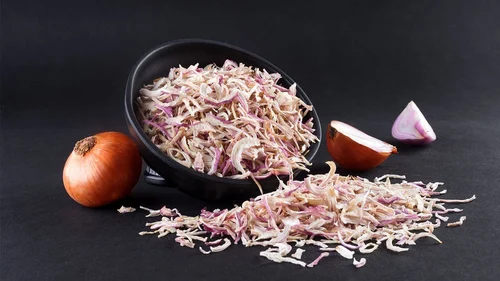
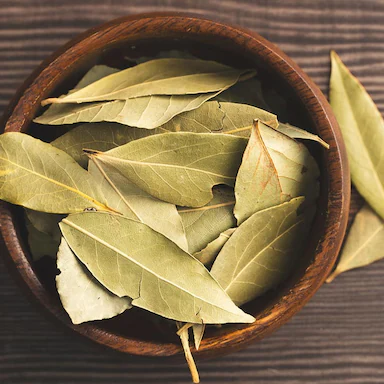
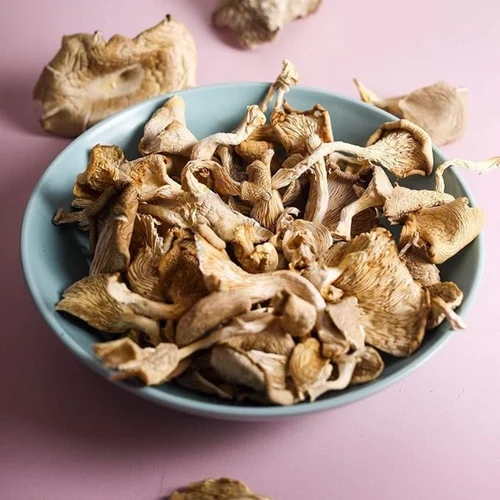
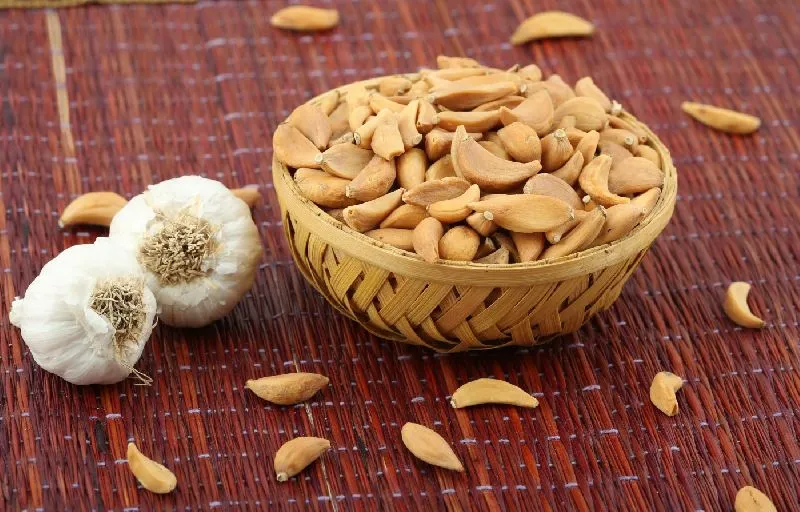
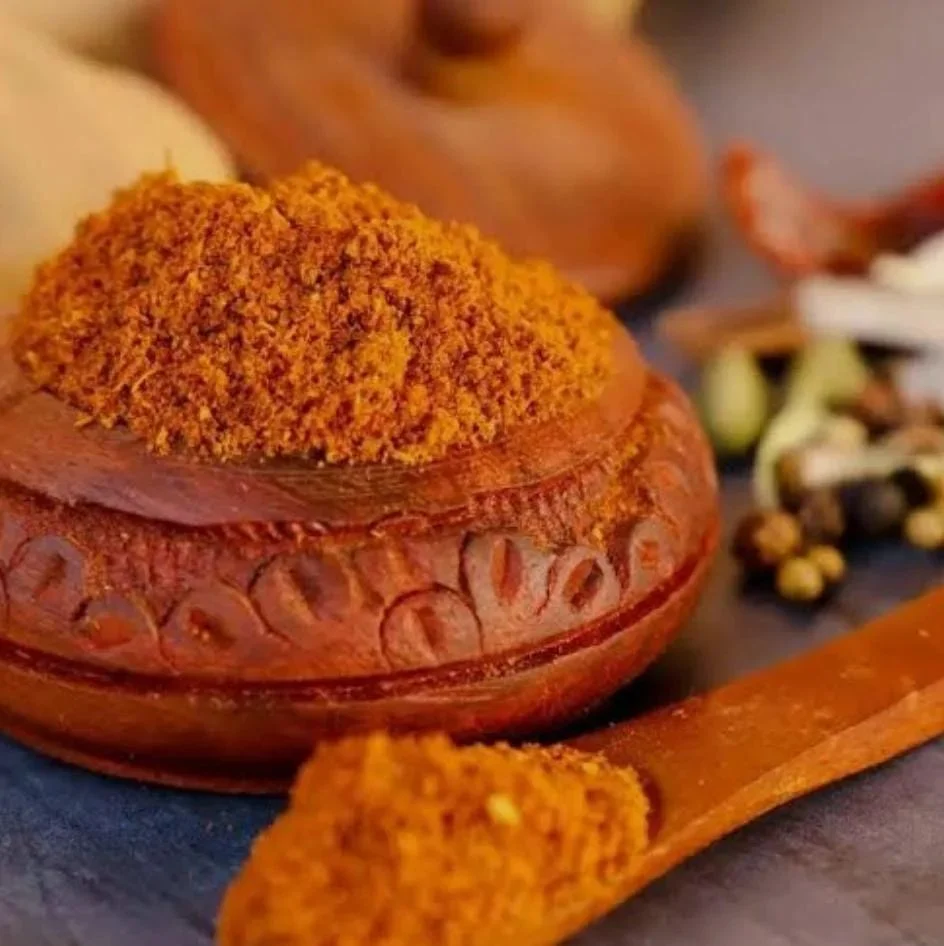
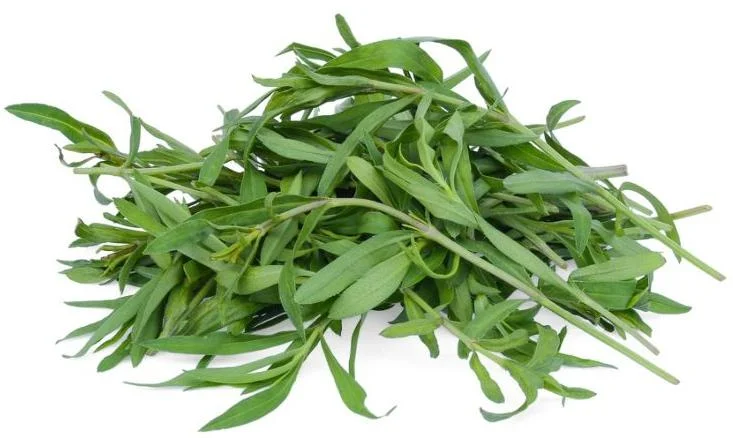
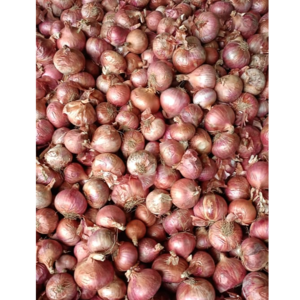
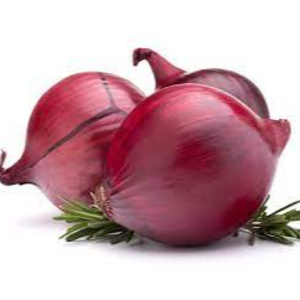
India, with a catalogue of 11 listed products, Navan Exports supplies a range of food‑grade and non‑food items. The catalogue includes Areca leaf plates, essential oils, dehydrated onion powder, dehydrated garlic powder (granules and minced), processed spices, herbs, spice blends, dried mushroom, dehydrated onion flakes, ground turmeric, and oleoresins such as turmeric and black pepper. These items fall under HS chapters 07 (vegetables), 09 (spices and condiments), and 33 (essential oils).
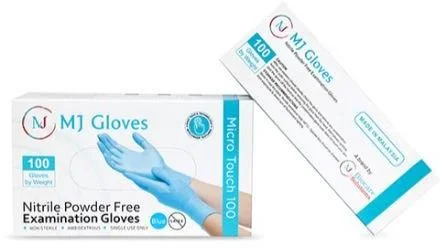
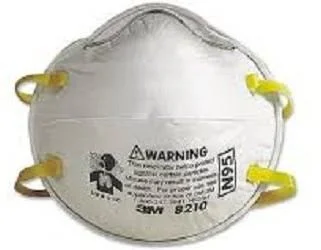
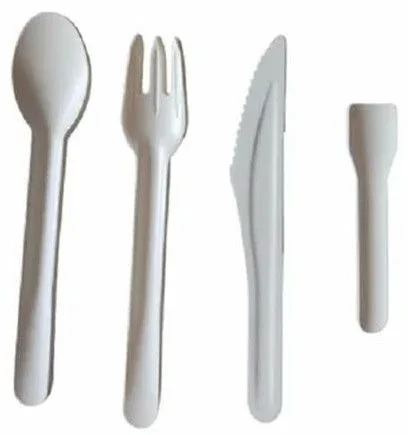
The supplier’s top‑category list also mentions medical face masks, disposable cutlery, and medical gloves, indicating activity in personal protective equipment, although those items are not detailed in the current product list. The focus of the catalogue is on plant‑based consumables that are commonly exported from India to global food‑processing and flavor‑manufacturing markets.
Product Range and Specialties of Navan Exports
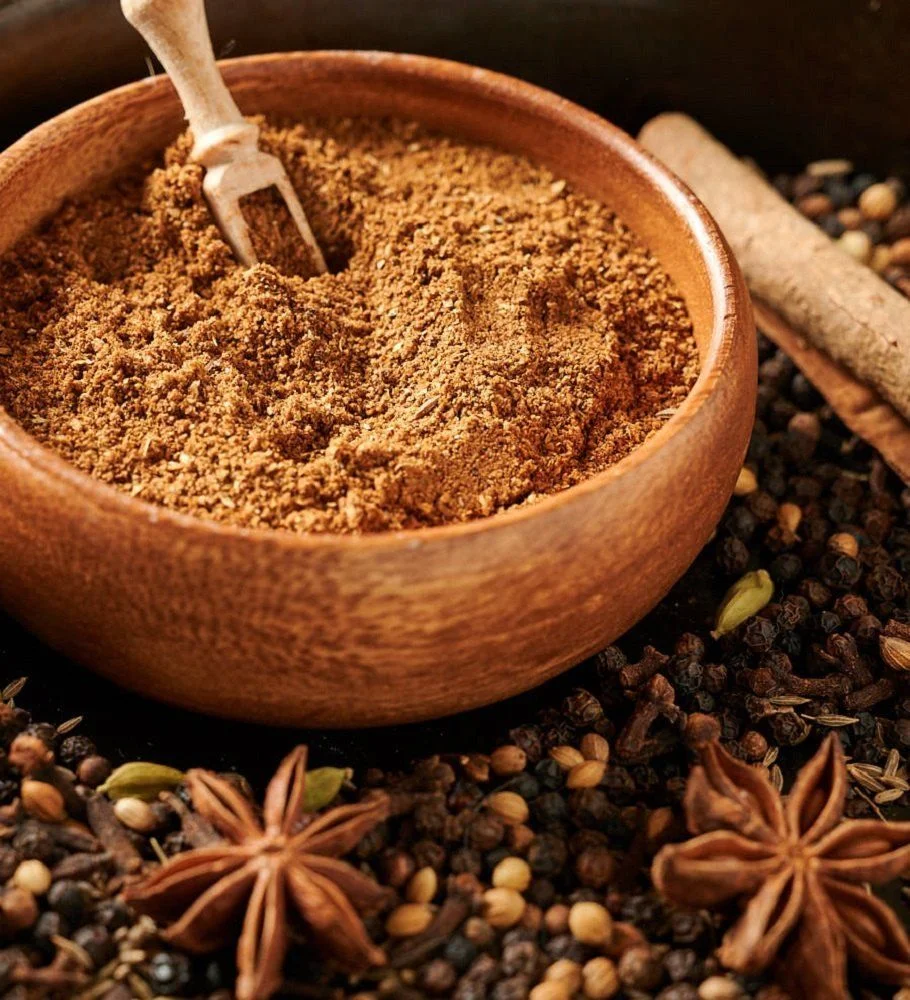
Navan Exports’ product line comprises dehydrated vegetable powders (onion, garlic), whole and flaked forms, and ground turmeric, all of which are typically sold in 25 kg paper bags or food‑grade polyethylene containers. In the spice sector, standard quality grades are defined by moisture content below 12 %, volatile oil retention above 5 % for turmeric, and microbial limits of ≤10³ CFU/g for total plate count, as per ISO 11036. Essential oils are usually evaluated for purity by gas chromatography, with typical specifications of ≥95 % major constituent content (e.g., eugenol in clove oil) and a refractive index within ISO 676 limits.
Areca leaf plates are biodegradable tableware made from fallen areca palm fronds, commonly supplied in packs of 250 plates per 20‑ft container, with thickness around 0.3 mm and weight 12 g per plate. Indian exporters of such plates often meet ASTM D6400 compostability criteria, although certification is supplier‑specific.
Trade and Export Information - Navan Exports
India is among the world’s largest exporters of spices, essential oils, and dehydrated vegetables, with the European Union, United States, and Middle East representing the bulk of demand. HS chapter 09 (spices, condiments and flavorings) and chapter 33 (essential oils) are routinely inspected under the EU’s Rapid Alert System for Food and Feed (RASFF) and the US Food Safety Modernization Act (FSMA) for pesticide residues and microbial safety.
Buyers typically request certificates such as ISO 9001, HACCP, and FSSC 22000, as well as phytosanitary certificates and, where applicable, organic or fair‑trade documentation. Standard shipping terms include FOB Mumbai or CIF Dubai, with containers packed in moisture‑barrier liners to preserve product integrity during the 30‑45 day sea transit.
Sourcing from Navan Exports - Buyer Guidance
When sourcing from Navan Exports, request a Certificate of Analysis for each batch, confirming moisture level, microbial limits, pesticide residue results, and, for essential oils, GC‑MS purity data. Verify that the packaging complies with food‑grade standards (e.g., FDA‑approved inner bags) and that the supplier can provide a phytosanitary certificate for dehydrated vegetables.
Confirm the minimum order quantity, which for powders and ground spices is usually one 20‑ft container (≈20 t) and for essential oils often a 500 kg bulk shipment. Lead times from production to shipment typically range from 25 to 40 days, depending on the product’s drying and quality‑control cycles.
Frequently Asked Questions About Navan Exports
What types of dehydrated vegetable products are listed?
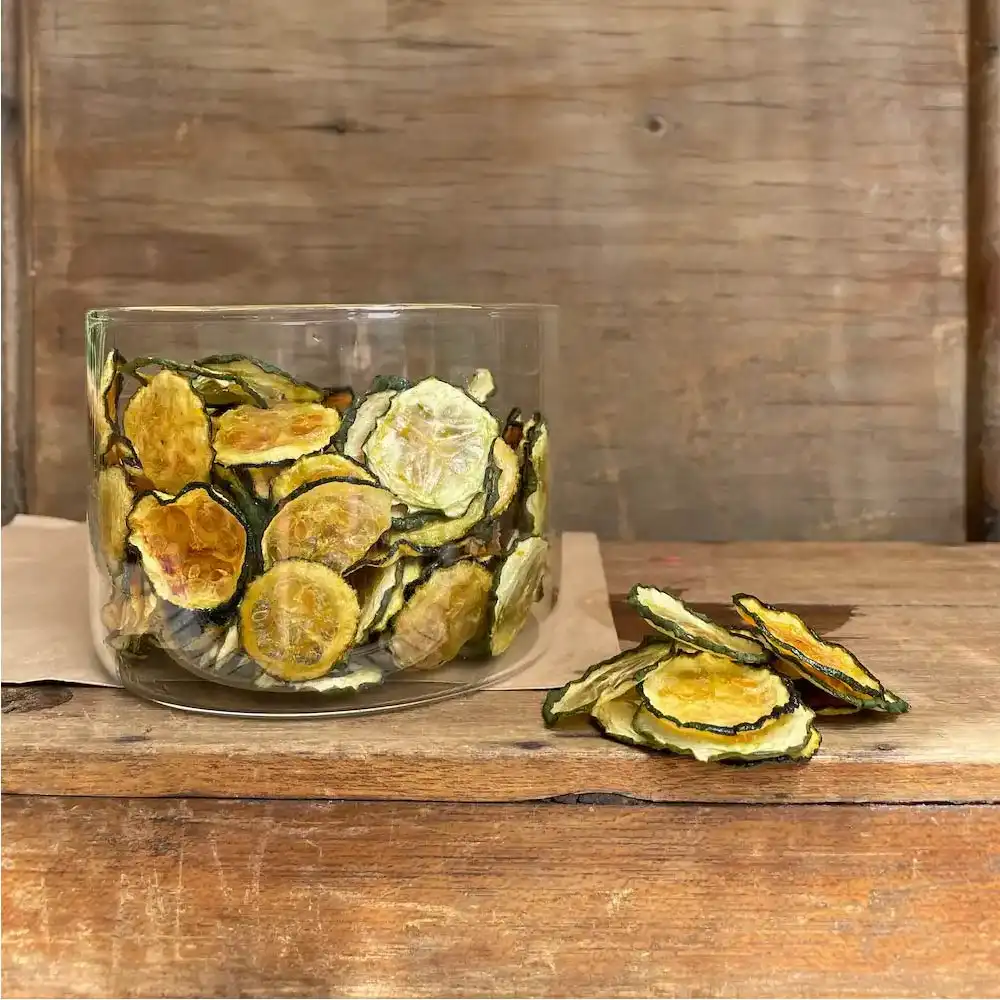
Navan Exports lists dehydrated onion powder, dehydrated garlic powder (granules and minced), dehydrated onion flakes, and ground turmeric, all produced from Indian‑grown raw material and packed for export.
Which HS codes apply to the listed spices and essential oils?
The spices fall under HS chapter 09, specifically code 0904 for vegetable spices, while essential oils are classified under HS chapter 33, code 3301 for essential oils and preparations.
What quality documentation should a buyer request for the spice powders?
Buyers should ask for a Certificate of Analysis showing moisture content, volatile oil percentage, microbial counts, and pesticide residue limits, typically aligned with ISO 11036 and Codex Alimentarius standards.
Are the areca leaf plates biodegradable and what standards apply?
Areca leaf plates are made from natural areca palm fronds and are biodegradable; they can meet ASTM D6400 compostability criteria when certified by the supplier.
What packaging formats are used for the essential oils?
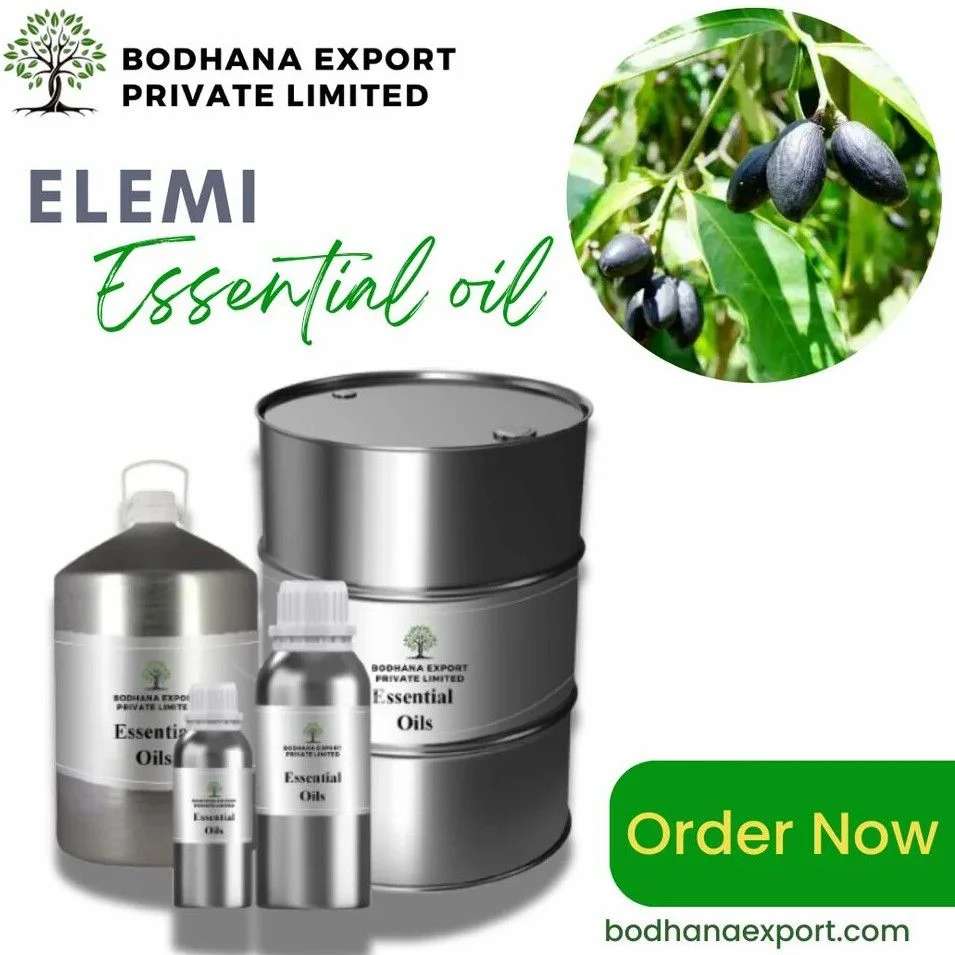
Essential oils are usually supplied in 1 L amber glass bottles or 200 kg stainless‑steel drums, sealed with tamper‑evident caps and accompanied by a safety data sheet.
Which markets commonly import these Indian spice and oil products?
The primary import markets include the European Union, United States, United Arab Emirates, and Saudi Arabia, where food manufacturers and flavor houses source Indian spices and essential oils.
What certifications are commonly required for these categories, even if not listed for Navan Exports?
Typical certifications include ISO 9001 quality management, HACCP food safety plans, FSSC 22000, and, for organic products, USDA Organic or EU Organic certification.
What are the typical lead times and container loading capacities for the listed products?
Lead times range from 25 to 40 days, and a standard 20‑ft container can hold roughly 20 t of powdered spices or 12 t of dried vegetables, while essential oils are loaded in 500 kg drums within a 40‑ft container.




 , India