Mustafa — Verified Supplier
About Mustafa - Fertilizers Supplier in United Arab Emirates
United Arab Emirates, Sharjah is the location of Mustafa, an organic‑tier supplier that currently lists 14 active products. The catalogue includes a knitted fabric called Babyface Fabric, Pakistani Chaunsa Mangoes, a Covid Raoid Test Kit (HS code 3822.00), a liquid seaweed product named "Flizzard", mineral water, several fertilizer blends under the FLAVES and ORGA‑S names, industrial chemicals such as ACIDRANCHE pH REGULATOR and ZINTAC, and plant growth stimulants like EIR COMBI and Soursoul. Each entry reflects a distinct product type within the top categories of Fertilizers, Knitted & Woven Fabrics, Mango, COVID‑19 Detection Kit, Fresh Seaweed, Mineral Water, Industrial Chemicals, and Plant Growth Stimulants. The supplier’s trust tier is listed as harbor, indicating a verified trade profile within the platform. The range of HS‑code families spans diagnostic kits (3822.00) and the broader codes associated with fertilizers, chemicals and textiles, though only the test kit HS code is explicitly provided.
The product list shows a focus on agricultural inputs (multiple NPK blends), food items (mangoes, mineral water, seaweed), a textile, and a diagnostic kit. The fertilizer entries include various nutrient ratios such as 20‑20‑20, 10‑32‑10, 7‑7‑40, 12‑36‑12 and 18‑18‑18, each paired with micronutrient additives. The presence of both organic‑tier classification and a diverse catalogue suggests that Mustafa serves buyers seeking both agronomic solutions and consumable goods from the UAE market.
Product Range and Specialties of Mustafa
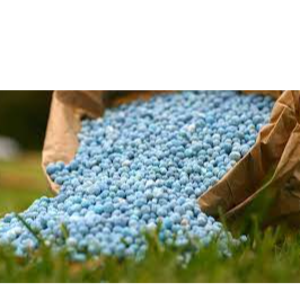
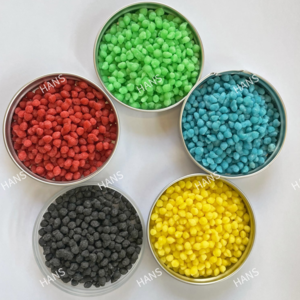
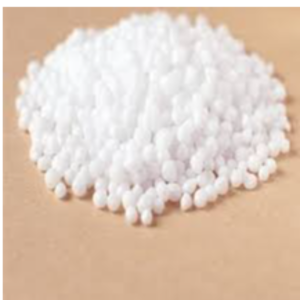
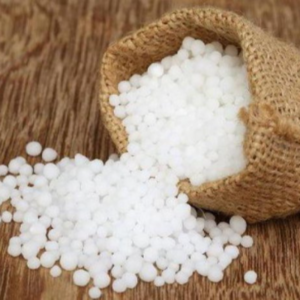
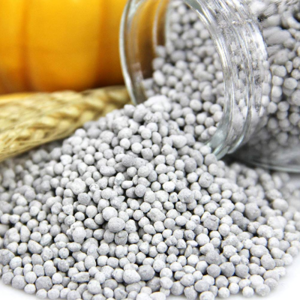
Mustafa’s catalogue contains specific items that are common in global trade: a knitted or woven textile (Babyface Fabric), fresh mangoes (Pakistani Chaunsa), a lateral flow COVID‑19 detection kit, liquid seaweed extract, mineral water, and a suite of fertilizer blends (FLAVES series, ORGA‑S) along with industrial chemicals such as ACIDRANCHE and ZINTAC. In the fertilizer market, NPK blends are typically graded by their nitrogen‑phosphorous‑potassium percentages; the FLAVES series matches standard grades like 20‑20‑20 (balanced), 10‑32‑10 (high phosphorus), 7‑7‑40 (high potassium), 12‑36‑12 and 18‑18‑18, often supplied in 25 kg granule bags with particle size 2 - 4 mm and moisture content below 5 %. Knitted fabrics for apparel usually fall in the 150 - 250 g/m² GSM range and are shipped rolled in moisture‑proof poly‑bags. Fresh mangoes are graded by size, skin colour and sugar content (Brix 12 - 15 %). Liquid seaweed extracts are typically sold in 5‑10 L drums with a dry matter content of 10 - 15 % and a Brix of 5 - 8 %. Diagnostic kits in HS 3822 are regulated as medical devices and must meet ISO 13485 or equivalent quality management standards.
Trade and Export Information - Mustafa
Exporters of agricultural inputs from the United Arab Emirates commonly ship to the Middle East, North Africa and South‑Asian markets, where demand for NPK blends and plant growth stimulants is high. Fertilizer HS codes fall under Chapter 31 (e.g., 3105 for mineral or chemical fertilizers), while textiles use Chapter 62 or 63, and fresh produce such as mangoes uses Chapter 08 with phytosanitary certificates required. Buyers typically request ISO 9001 quality management certification, GMP for medical kits, and organic certification for products labelled as organic. The Covid Raoid Test Kit, classified under HS 3822.00, must comply with the UAE Ministry of Health’s device registration and may need CE marking for European buyers. Seaweed liquid is often exported in bulk drums under HS 1212, requiring a Certificate of Origin and a sanitary export certificate. Standard logistics include 20‑ft containers for fabrics, 40‑ft refrigerated containers (30 °C) for mangoes, and bulk shipments for chemicals, with Incoterms such as FOB Sharjah or CIF Dubai frequently used.
Sourcing from Mustafa - Buyer Guidance
When sourcing fertilizer blends from Mustafa, request a Certificate of Analysis that lists the exact NPK ratio, micronutrient content, granule size distribution and moisture level. For the COVID‑19 detection kit, ask for the device’s registration certificate, a copy of the ISO 13485 compliance audit and a performance validation report according to WHO guidelines. Mango shipments should be accompanied by a phytosanitary certificate, a post‑harvest quality report (size, Brix, firmness) and temperature‑controlled logistics details. For the Babyface Fabric, request a fabric specification sheet that includes GSM, fibre composition, shrinkage rates and a wash test report. Industrial chemicals such as ACIDRANCHE and ZINTAC require a Material Safety Data Sheet (MSDS) and any relevant REACH or GHS classification documents before acceptance.
Frequently Asked Questions About Mustafa
What product categories does Mustafa offer?
Mustafa lists items across Fertilizers, Knitted & Woven Fabrics, Mangoes, COVID‑19 detection kits, Fresh Seaweed, Mineral Water, Industrial Chemicals and Plant Growth Stimulants.
Which HS code applies to the COVID‑19 detection kit?
The Covid Raoid Test Kit is classified under HS code 3822.00, the chapter for diagnostic or laboratory reagents and kits.
What are the typical specifications for the FLAVES fertilizer blends?
The FLAVES series are water‑soluble NPK blends such as 20‑20‑20, 10‑32‑10, 7‑7‑40, 12‑36‑12 and 18‑18‑18, usually supplied in 25 kg granule bags with particle size 2 - 4 mm and purity above 99 %.
How is the Babyface Fabric packaged for export?
Babyface Fabric is typically rolled in 30 m lengths, placed in moisture‑proof poly‑bags and loaded into 20‑ft containers; the fabric generally falls in the 150 - 250 g/m² GSM range.
What documentation should a buyer request for the mineral water product?
Buyers should request a Certificate of Analysis, a laboratory water quality report meeting WHO standards, and any required export health certificates from UAE authorities.
What are the typical lead times and minimum order quantities for mangoes?
Pakistani Chaunsa Mangoes are usually shipped in refrigerated 40‑ft containers with a minimum order of one container (approximately 12 tons) and a lead time of 2 - 3 weeks from harvest.




 , United Arab Emirates