Agriculture›
 Apparel and fashion accessories›
 Construction & real estate›💡Electronic & Electrical›🍎Food & Beverages›🛋️Home furnishing & supplies›⚗️Industrial goods & chemical›🪨Minerals & metals›📦Miscellaneous›Agriculture›Apparel and fashion accessories›Construction & real estate›💡Electronic & Electrical›🍎Food & Beverages›🛋️Home furnishing & supplies›⚗️Industrial goods & chemical›🪨Minerals & metals›📦Miscellaneous›
Moonis Exports Product Catalog
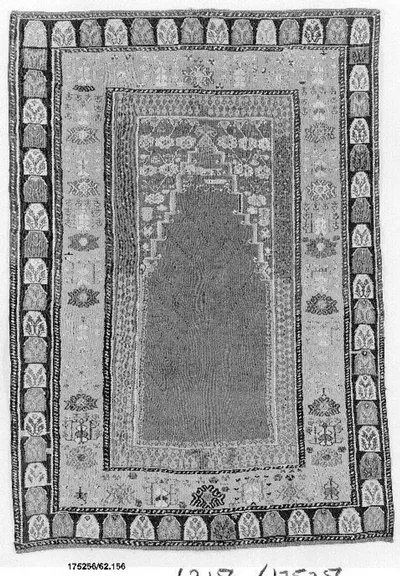
About Moonis Exports - Carpets Supplier in India
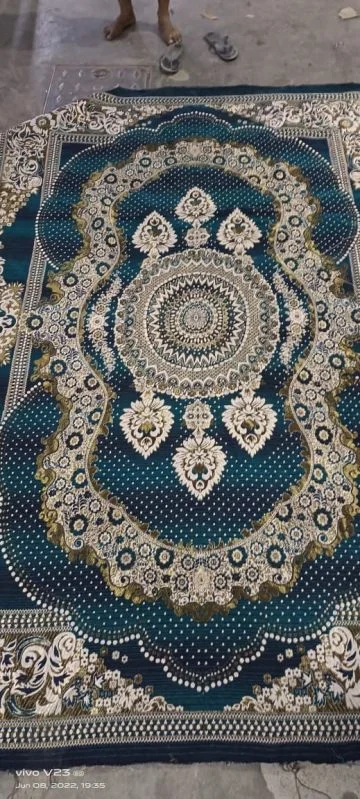
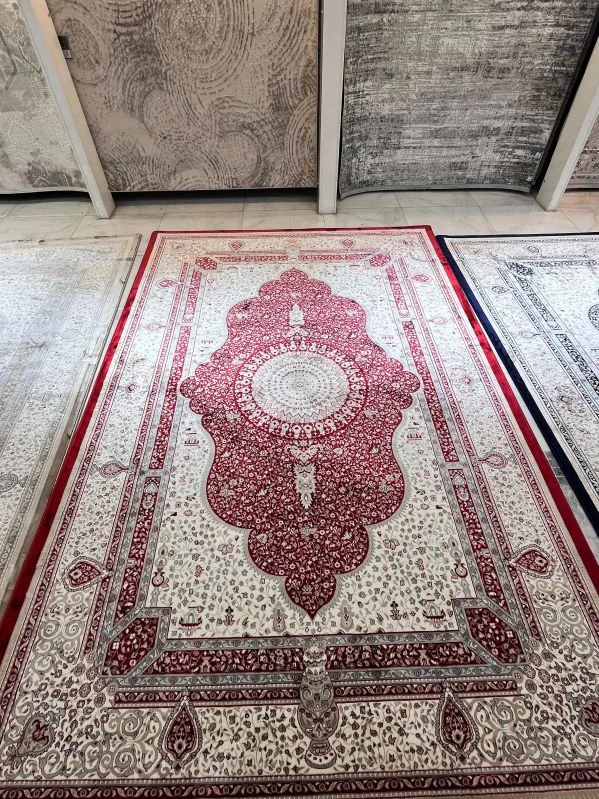
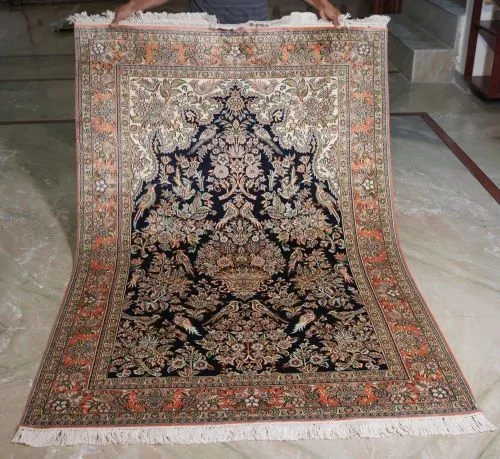
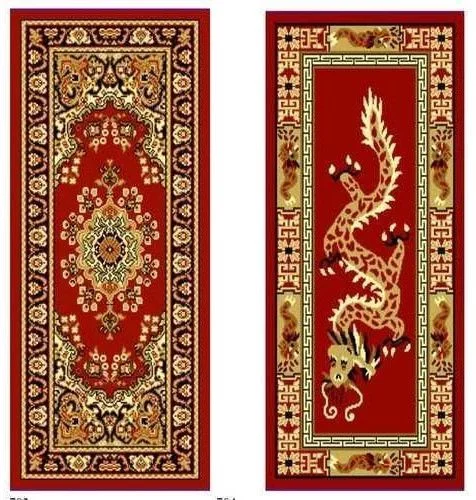
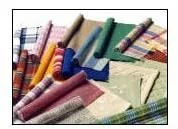
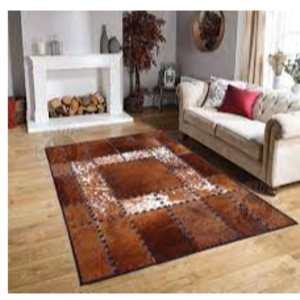
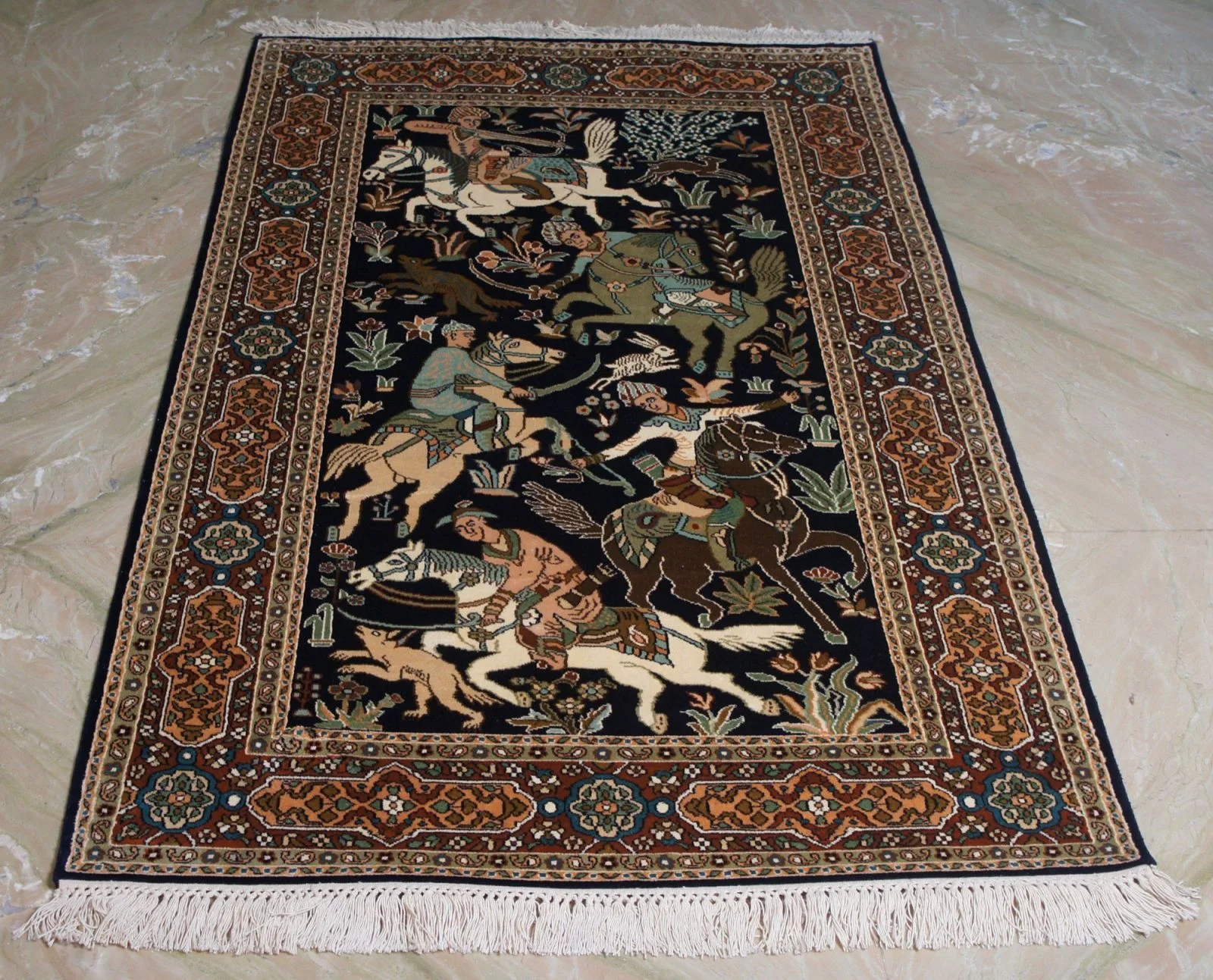
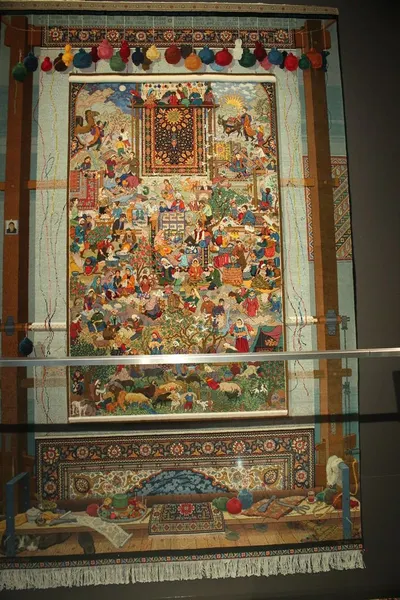
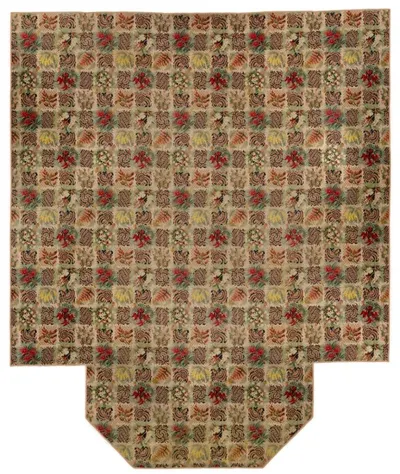
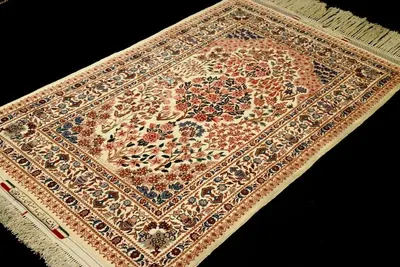
Moonis Exports operates out of India and currently lists 11 active products in its catalogue. The product portfolio covers three primary categories: Carpets, Woolen Carpets, and Jacquard Fabric. Specific items include Indian Hand Knotted Woollen/silk Carpets, Mir‑Sarough Mir‑Leetchi Carpet, Bidjar Carpet, Herati Herat Carpet, All Over Kashan‑Isfahan‑Floral, Bakhtiyaar‑Bakhtiyari, Indian Hand Knotted Carpets Silk, Indian Hand Knotted Carpets, Indian Hand Knotted Silk Carpets, Hand Woven Jacquard, and Hand Woven Dhurrie. Each entry is identified by its product name without additional technical codes. The catalogue therefore reflects a focus on traditional hand‑knotted and hand‑woven floor coverings as well as woven jacquard textiles.
Within international trade classification, these items fall under HS Chapter 95 for hand‑knotted and hand‑woven carpets (e.g., HS 5702 for woolen or silk hand‑knotted carpets) and HS Chapter 58 for woven fabrics such as jacquard (e.g., HS 5802). The supplier’s list does not include explicit HS codes, but the product types correspond to these standard tariff headings used by customs authorities. Indian manufacturers of hand‑knotted carpets typically produce knot densities ranging from 80 to 150 knots per square inch and use 100 % virgin wool or silk for the pile. Jacquard fabrics are commonly woven from cotton, polyester or blends with a typical fabric weight of 180‑300 g/m². The catalogue’s 11 products therefore span the common material and construction specifications observed in the global carpet and jacquard markets.
Product Range and Specialties of Moonis Exports
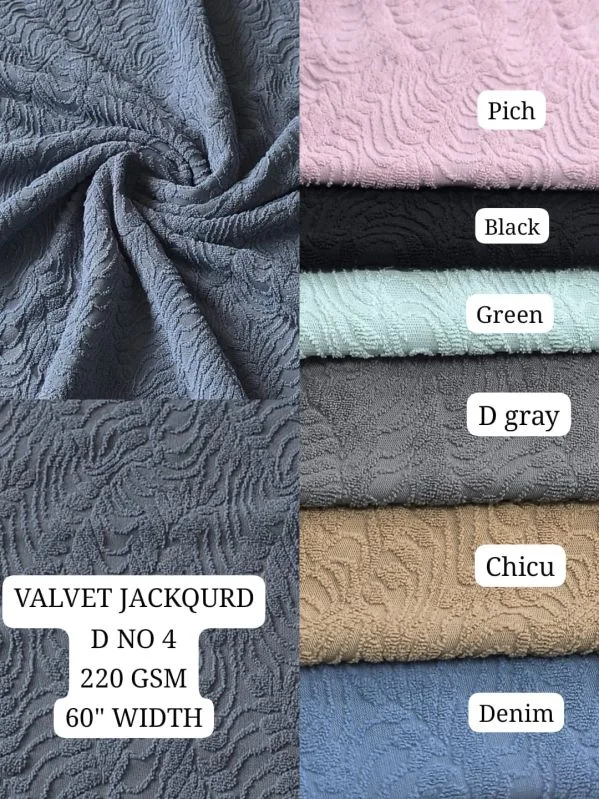
Moonis Exports’ catalogue includes hand‑knotted wool and silk carpets, regional designs such as Bidjar, Herati, Kashan‑Isfahan, and Bakhtiyari, as well as hand‑woven dhurrie and jacquard textiles. In the carpet sector, buyers usually evaluate knot density (80‑150 kpsi), pile height (3‑12 mm), and material purity (100 % virgin wool or silk) to assess durability and aesthetic value. For silk‑pile carpets, silk content is often expressed as a percentage of the total pile, with premium pieces containing 100 % silk. Jacquard fabrics are characterized by their intricate woven patterns, with common specifications including fabric width (typically 110‑150 cm), GSM (180‑300), and yarn count (e.g., 30‑40 Ne).
Standard industry certifications for these product types include ISO 9001 for quality management, Oeko‑Tex Standard 100 for textile safety, and, where applicable, FSC certification for natural fibre sourcing. Buyers frequently request test reports covering colour fastness (ISO 105‑B02), abrasion resistance (ASTM D3884), and fire retardancy (ISO 1182) for carpet products intended for commercial or residential use.
Frequently Asked Questions About Moonis Exports
What types of carpets does Moonis Exports offer?
The catalogue lists hand‑knotted wool carpets, hand‑knotted silk carpets, mixed wool‑silk designs, and regional styles such as Bidjar, Herati, Kashan‑Isfahan, and Bakhtiyari, together with hand‑woven dhurrie floor coverings.
What are the typical HS codes for the products listed by Moonis Exports?
Hand‑knotted wool or silk carpets generally fall under HS 5702, while hand‑woven dhurrie and other woven floor coverings are classified under HS 5703. The hand‑woven jacquard fabric aligns with HS 5802 for woven fabrics.
How can a buyer obtain a sample or colour swatch from Moonis Exports?
Buyers can request a physical sample or colour swatch by contacting the supplier through the platform’s inquiry function. Samples are typically supplied on a cost‑recovery basis and accompanied by material and composition certificates.
Are the hand‑knotted carpets made from pure wool or silk?
Products identified as woollen or wool‑silk are produced with 100 % virgin wool, while items described as silk use 100 % silk for the pile. The material composition is stated in the product title.
Which certifications should a buyer request for these carpets and jacquard fabrics?
Buyers commonly request ISO 9001 for quality management, Oeko‑Tex Standard 100 for textile safety, and test reports for colour fastness (ISO 105‑B02) and fire resistance (NFPA 701 or ISO 1182). Additional certifications may be needed for specific markets.
 India
Related Suppliers & Products
Explore similar suppliers, related products and trending categories