Agriculture›
 Apparel and fashion accessories›
 Construction & real estate›💡Electronic & Electrical›🍎Food & Beverages›🛋️Home furnishing & supplies›⚗️Industrial goods & chemical›🪨Minerals & metals›📦Miscellaneous›Agriculture›Apparel and fashion accessories›Construction & real estate›💡Electronic & Electrical›🍎Food & Beverages›🛋️Home furnishing & supplies›⚗️Industrial goods & chemical›🪨Minerals & metals›📦Miscellaneous›
Merrill Natura Product Catalog
About Merrill Natura - Other Type Of Berries Supplier in Peru
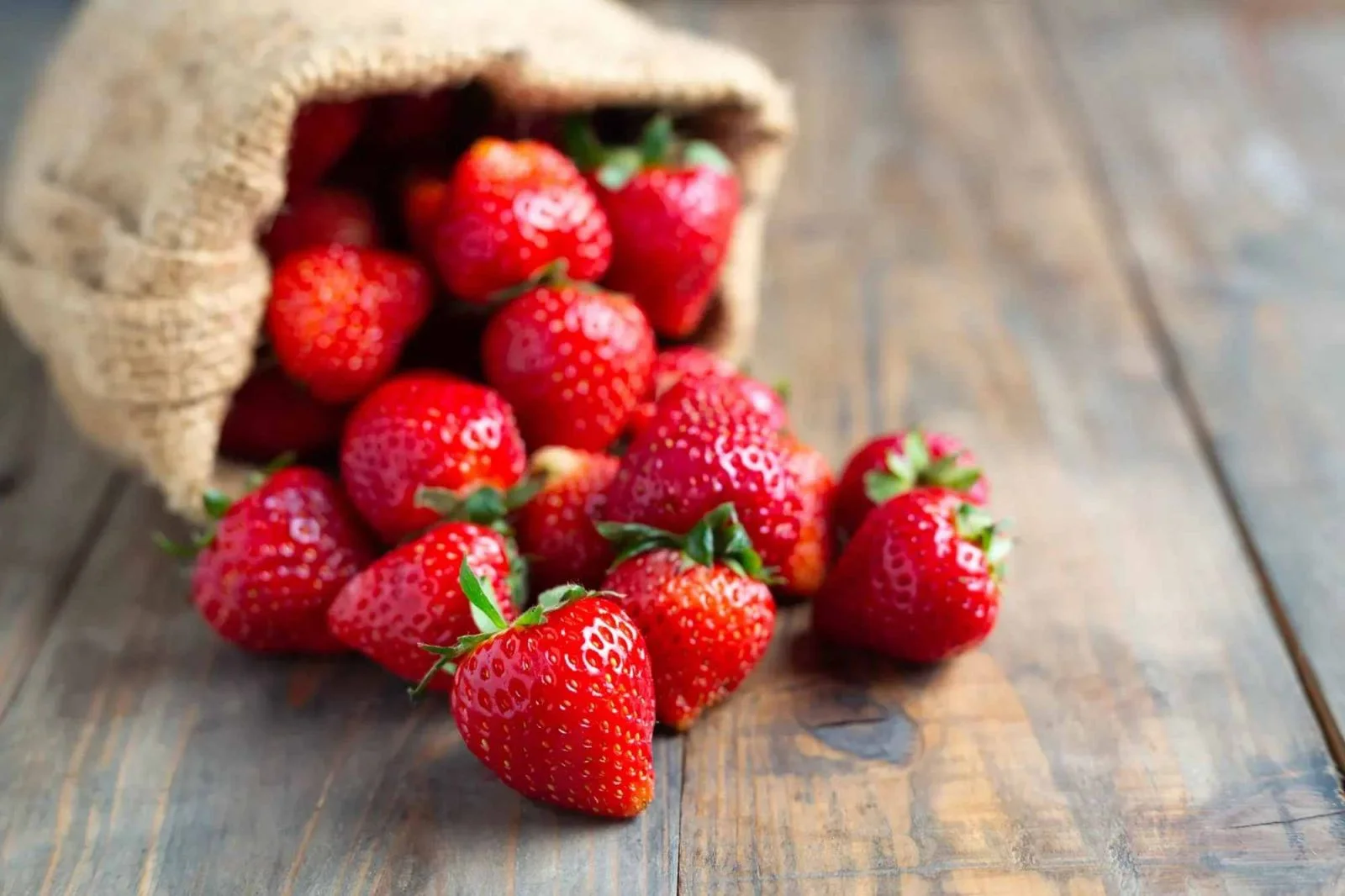
Peru hosts Merrill Natura, which currently lists five distinct products in its catalogue. The supplier’s portfolio covers Sacha Inchi, Maca, Golden Berry, Acai and Camu Camu, each falling under the broader categories of other type of berries, plants & plant extracts, and dry fruits & nuts. All five items are recorded under the same active product count, indicating a focused but diverse offering of high‑value Peruvian super‑foods. The catalogue does not provide HS codes, so each product is generally classified within HS Chapter 08 for fresh or dried fruits, nuts and seeds when exported.
Merrill Natura’s catalogue groups the five items by botanical family and typical use. Sacha Inchi is listed as a seed, Maca as a root powder, Golden Berry as an edible berry, Acai as a berry, and Camu Camu as a fruit source rich in vitamin C. The supplier’s trust tier is “harbor,” which signals a moderate level of verification in the platform’s rating system. No specific certifications are mentioned, so buyers should verify organic, GMP or ISO status independently. The product mix reflects Peru’s reputation for nutrient‑dense crops that are frequently processed into powders, oils or freeze‑dried formats for international markets.
Product Range and Specialties of Merrill Natura
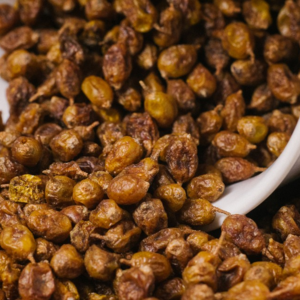
The product list includes Sacha Inchi seeds, which are typically sold with oil content of 45‑55 % and moisture below 10 %. Maca is usually offered as dried root slices or powder, graded by glucosinolate content (often 12‑15 % for premium grade). Golden Berry (Physalis) is exported as dried berries with a size range of 10‑12 mm and moisture under 8 %. Acai berries are commonly supplied freeze‑dried or as pulp, with a standard moisture level of 5‑7 % and a typical acidity (pH 3.5‑4.0). Camu Camu is usually processed into powder containing at least 30 % vitamin C and low ash content (<2 %). Buyers in the super‑food segment usually request these specifications to match food‑industry standards.
Industry practice for these categories includes organic certification (EU‑organic, USDA‑NOP), HACCP compliance and, where applicable, ISO 22000 for food safety management. Exporters from Peru often label the products with origin statements and batch numbers to satisfy EU and US import regulations. Typical packaging comprises food‑grade polyethylene bags (1 kg‑25 kg) for powders and bulk bags (20 kg) for seeds, placed in 20‑ft or 40‑ft containers with liner pallets to preserve product integrity during sea freight.
Frequently Asked Questions About Merrill Natura
What super‑food products does Merrill Natura list for export?
Merrill Natura lists five products: Sacha Inchi seeds, Maca root (usually as powder), Golden Berry (dried Physalis berries), Acai berries (often freeze‑dried or pulp) and Camu Camu fruit powder.
Which HS chapter covers the products offered by Merrill Natura?
All listed items fall under HS Chapter 08, which includes nuts, seeds and fresh or dried fruits and berries.
Are there any certifications mentioned for Merrill Natura’s products?
No certifications are specified in the supplied data; buyers should request organic, HACCP, ISO 22000 or fair‑trade certificates as needed for their market.
Which markets typically import the products Merrill Natura offers?
The United States, European Union countries and East Asian economies are the main importers of Peruvian super‑foods such as Sacha Inchi, Maca, Acai and Camu Camu.
What typical quality parameters should a buyer verify for Sacha Inchi?
Check oil content (45‑55 %), moisture (<10 %), free fatty acid level (<2 %) and confirm absence of pesticide residues according to Codex limits.
 Peru
Related Suppliers & Products
Explore similar suppliers, related products and trending categories