Agriculture›
 Apparel and fashion accessories›
 Construction & real estate›💡Electronic & Electrical›🍎Food & Beverages›🛋️Home furnishing & supplies›⚗️Industrial goods & chemical›🪨Minerals & metals›📦Miscellaneous›Agriculture›Apparel and fashion accessories›Construction & real estate›💡Electronic & Electrical›🍎Food & Beverages›🛋️Home furnishing & supplies›⚗️Industrial goods & chemical›🪨Minerals & metals›📦Miscellaneous›
Meizhou Yueding Parts Co ,Ltd
⚓ Harbor , ChinaNew supplier / no reviews yet
Meizhou Yueding Parts Co ,Ltd Product Catalog
About Meizhou Yueding Parts Co ,Ltd - Car Parts Supplier in China
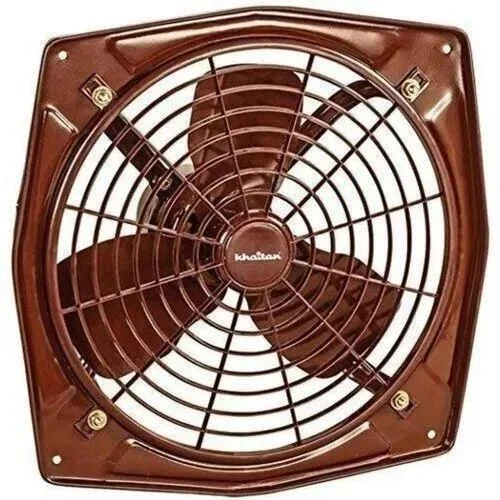
China is the origin of Meizhou Yueding Parts Co ,Ltd, a supplier that currently lists 18 active products. The catalogue focuses on automotive spare parts, specifically exhaust system components such as downpipes, cat‑back exhausts and exhaust manifolds. Product entries cover brands including Audi, BMW, Mercedes‑Benz, Porsche, Ferrari and Alfa Romeo, and are classified under HS chapter 87, with codes 8708.92 and 8708.99 appearing for two stainless‑steel items. Materials noted in the catalogue are stainless steel grades 304 and 304/321, typical for high‑temperature exhaust applications. The supplier is also grouped in the broader categories of Car Parts, Automobile Spare Parts & Supplies, Exhaust Fans and Steel Pipes.
Among the listed items, the Downpipe for Alfa Romeo Giulia carries HS code 8708.92 and is made from stainless steel 304, while the Downpipe for Ferrari is recorded under HS code 8708.99 with stainless steel 304/321 construction. Other entries such as the Catback Exhaust for BMW or the Exhaust Manifold for Smart Fortwo Coupe do not specify HS codes but fall within the same vehicle‑parts tariff headings. The product set includes multiple variants for manufacturers like Volkswagen Golf GTI MK7, Jaguar and Porsche Macan, all designed to replace factory exhaust sections. Each item is presented as a distinct part rather than a bundled kit, reflecting typical B2B cataloguing practice for automotive components. The active product count of 18 indicates a focused but diverse offering within the exhaust‑system niche.
Product Range and Specialties of Meizhou Yueding Parts Co ,Ltd
The catalogue centres on three core product families: exhaust downpipes, cat‑back exhaust systems and exhaust manifolds. Downpipes are generally fabricated from stainless steel 304 or 321, offering corrosion resistance and operating temperatures up to 900 °C. Typical wall thickness ranges from 1.5 mm to 2.2 mm, with inlet diameters between 65 mm and 80 mm to match common turbocharger outlets. Cat‑back exhausts extend from the catalytic converter to the tailpipe and are often supplied as pre‑bent sections with flanges sized to OEM specifications. Exhaust manifolds for compact models such as the Smart Fortwo are usually cast iron or stainless steel, with bolt‑on mounting patterns that align with factory bolt holes.
Industry standards for automotive exhaust components include ISO 9001 quality management, VDA 6.3 for production process audits and, where applicable, compliance with Euro 5/6 emission regulations. Buyers frequently request material certificates confirming stainless‑steel grade, tensile strength (typically ≥ 500 MPa for 304) and surface finish (polished or bead‑blasted). For pipe‑type products, dimensional inspection against ISO 286 tolerances is common. The supplier’s inclusion of steel pipe categories suggests the ability to provide raw pipe material in diameters from 50 mm to 120 mm, which can be fabricated into custom exhaust solutions.
Frequently Asked Questions About Meizhou Yueding Parts Co ,Ltd
What types of exhaust components does the supplier list?
The catalogue includes exhaust downpipes, cat‑back exhaust systems and exhaust manifolds designed for brands such as Audi, BMW, Mercedes‑Benz, Porsche, Ferrari and Alfa Romeo. All items are listed as individual components rather than assembled kits.
Which HS codes are associated with the supplier’s products?
Two items carry explicit HS codes: the Alfa Romeo Giulia downpipe is recorded under HS 8708.92 and the Ferrari downpipe under HS 8708.99. The remaining products are classified within the broader HS 8708 heading for vehicle parts.
What material specifications are provided for the stainless‑steel items?
The Alfa Romeo Giulia downpipe is made from stainless steel grade 304, while the Ferrari downpipe uses stainless steel grades 304 and 321. Both grades are chosen for their high‑temperature resistance and corrosion‑proof properties.
What documentation should a buyer request before placing an order?
Buyers should request a material test certificate confirming stainless‑steel composition, as well as a dimensional drawing or CAD file for fitment verification. Additional documents such as a commercial invoice, packing list, certificate of origin and a third‑party pre‑shipment inspection report are standard for export transactions.
What are typical minimum order quantities and lead times for these exhaust parts?
Typical minimum order quantities start at 50 units per part, though larger batches may be negotiated. Lead times are usually between 15 and 30 days after design approval and receipt of the purchase order.
ChinaRelated Suppliers & Products
Explore similar suppliers, related products and trending categories