Meethirai Exports — Verified Supplier
About Meethirai Exports - Fishing Nets Supplier in India
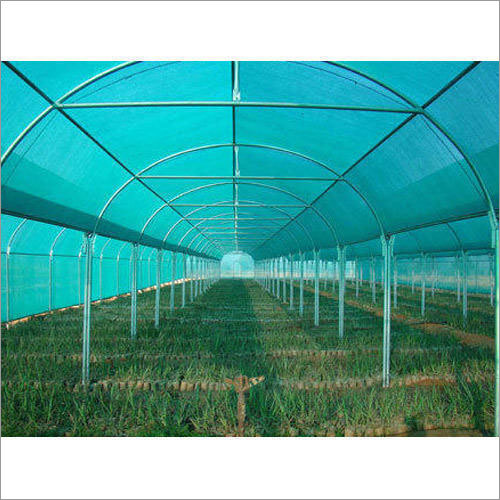
India hosts Meethirai Exports, which currently lists ten active products across fishing equipment, agricultural inputs and food items. The catalogue includes fishing nets of various materials, bird‑netting, coco peat, garden grow bags, red chilli, cane jaggery and nylon yarn, reflecting a focus on both marine and land‑based supply chains. Each product entry aligns with the supplier’s declared top categories of fishing nets, agriculture nets, coco peat & coir pith, agriculture bags, red chilli, jaggery and nylon yarn. The supplier’s trust tier is listed as "harbor," indicating a mid‑level verification level within the platform.
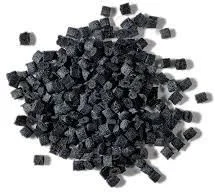
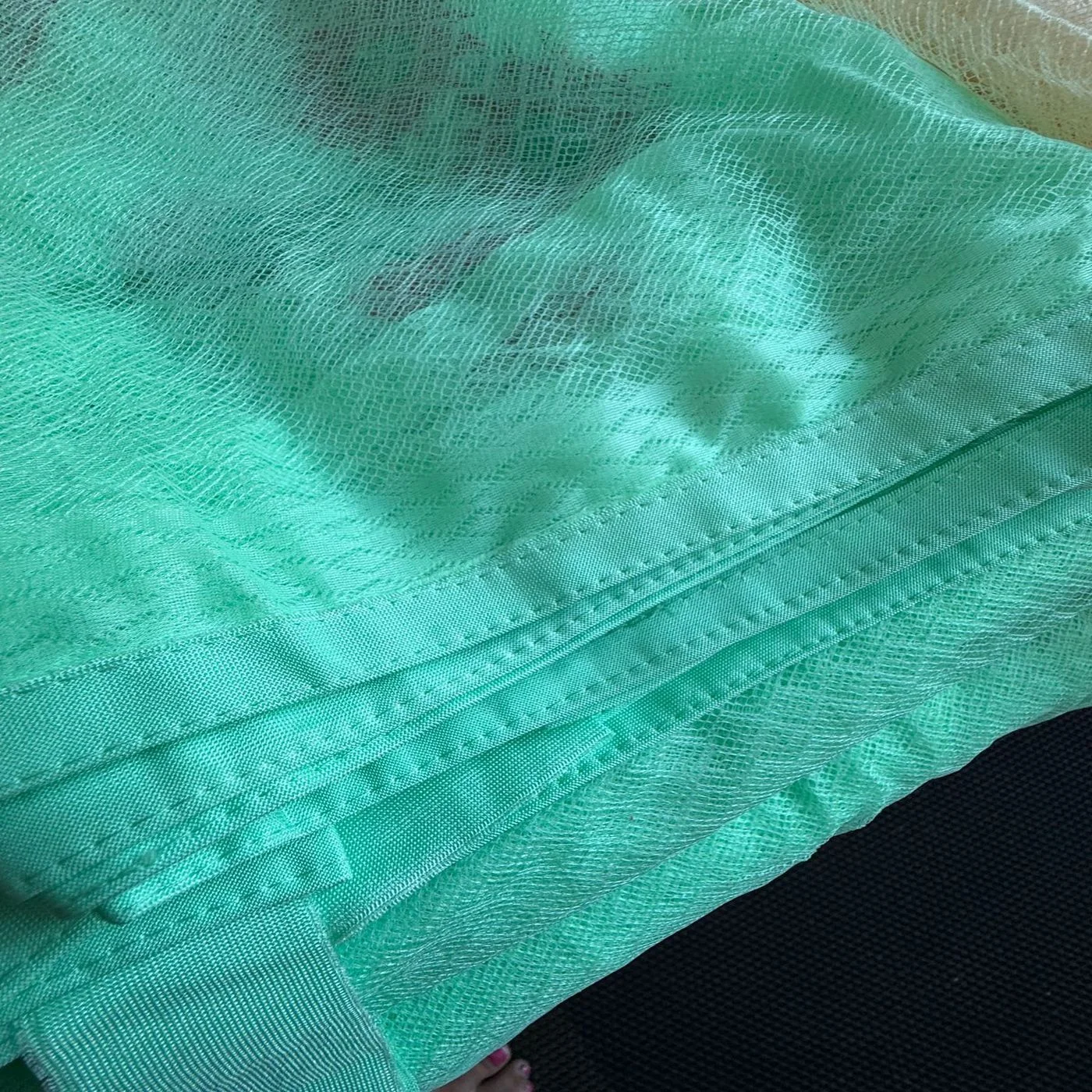
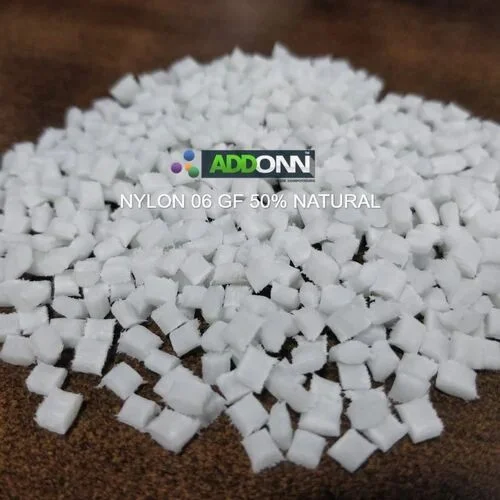
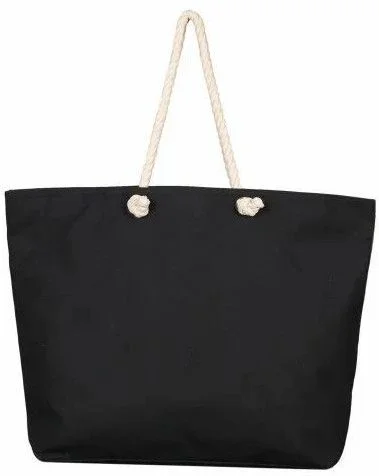
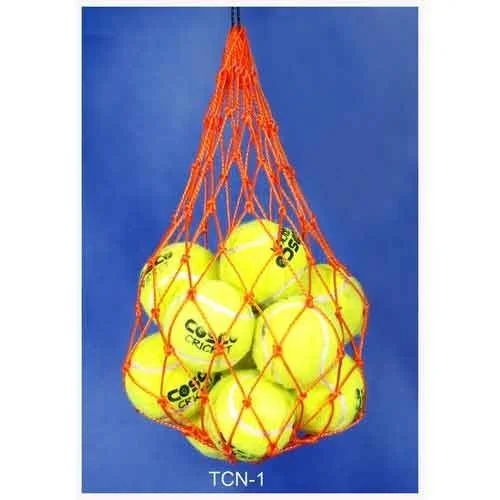
The product list comprises Bird Netting or Anti bird Net, Coco Peat, Nylon Fishing Nets, Garden Grow Bags, Nylon Mono Filament Fishing Nets, Nylon Multi Filament Fishing Nets, Chili (Red Pepper), Cane Jaggery, HDPE Fishing Nets and Nylon Yarn. These items cover polymer‑based netting, horticultural growing media, spice and sweetener commodities, and synthetic yarns used in textiles or rope making. No additional product families are mentioned beyond these ten entries, and the catalogue does not provide individual HS codes or material specifications beyond the stated product names.
Product Range and Specialties of Meethirai Exports
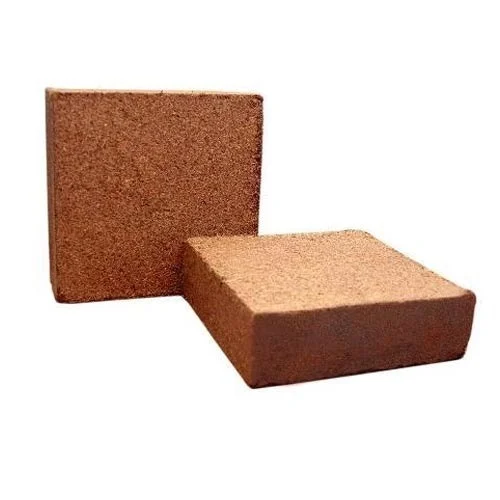
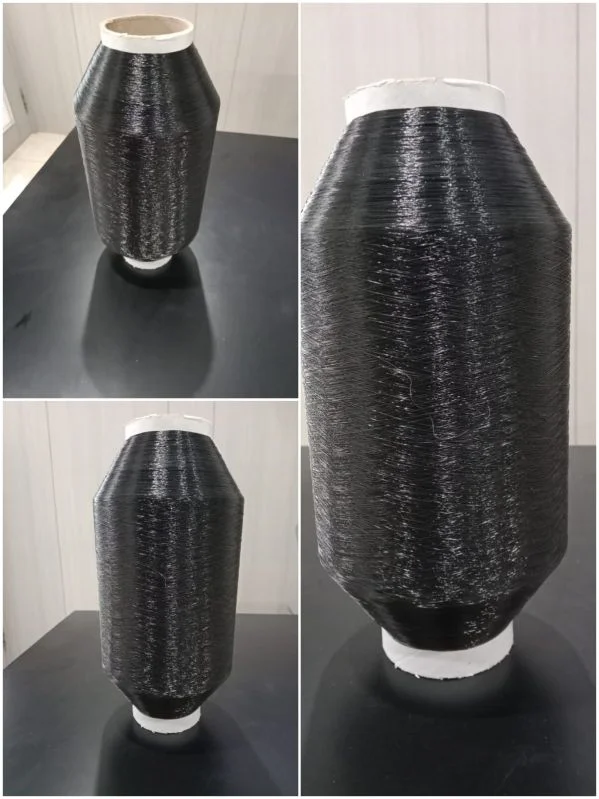
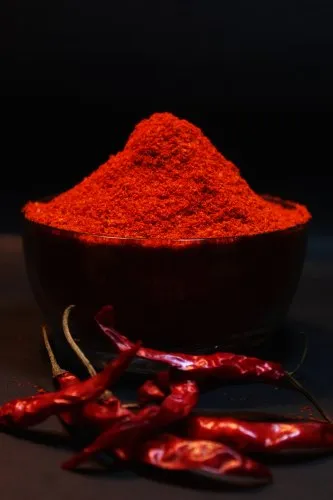
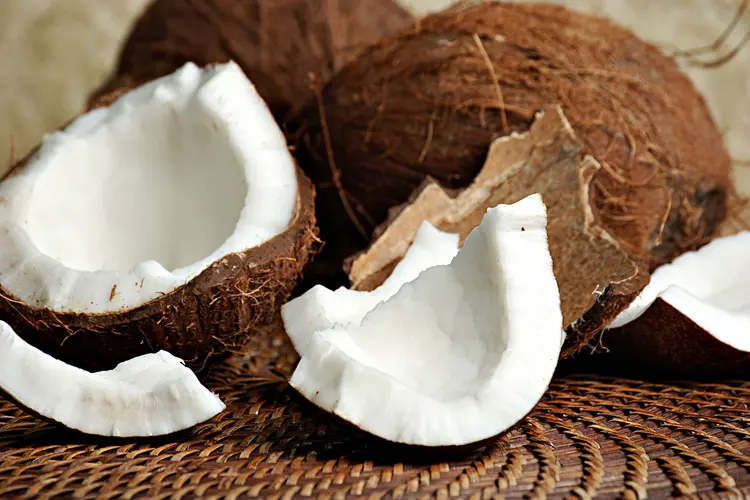
Meethirai Exports’ catalogue offers nylon monofilament and multi‑filament fishing nets, HDPE‑based nets, and bird‑netting, all typically supplied in mesh sizes from 5 mm to 30 mm and tensile strengths ranging between 150 N and 300 N depending on material. In the broader industry, nylon nets are graded by denier (e.g., 40‑1000 d) and HDPE nets are often UV‑stabilised to meet marine durability standards. The supplier also lists coco peat, which is usually sold with a moisture content of 40‑60 % and a pH of 5.5‑6.5, and garden grow bags made from woven polypropylene of 120‑180 gsm. Red chilli is commonly classified by size and color grade (e.g., A, B) with moisture below 12 %, while cane jaggery is produced with moisture under 20 % and a sucrose content above 80 %. Nylon yarn is generally offered in standard counts (denier or tex) suitable for textile or rope applications.
Trade and Export Information - Meethirai Exports
Exporters of fishing nets from India frequently serve markets in Southeast Asia, the Middle East and African coastal fisheries, where buyers look for UV‑resistant HDPE nets and high‑tensile nylon variants. Agricultural inputs such as coco peat and polypropylene grow bags are commonly shipped to greenhouse operators in Europe and North America, often requiring phytosanitary certificates and compliance with ISPM 15 for wooden pallets. Red chilli and cane jaggery are food products that typically require a phytosanitary certificate, a certificate of analysis for pesticide residues, and adherence to the importing country’s food safety regulations (e.g., FSSAI for India, EU food law for Europe). Standard export logistics involve 20‑foot or 40‑foot containers, with nets packed in compressed bales, grow bags stacked in bulk cartons, and spices placed in ventilated boxes to preserve aroma. Buyers usually request ISO‑9001 quality management documentation and, where applicable, CE marking for products that fall under EU safety directives.
Sourcing from Meethirai Exports - Buyer Guidance
When sourcing fishing nets from Meethirai Exports, buyers should request test reports that detail mesh size, tensile strength and UV‑stability, as well as any ISO or CE certificates the supplier can provide. For coco peat and grow bags, verify moisture content, pH range and bag material gauge, and ask for a sample batch before confirming larger volumes. Food items such as red chilli and jaggery require a phytosanitary certificate, a recent laboratory analysis for pesticide residues and aflatoxin levels, and confirmation that the product meets the destination country’s maximum moisture limits. Nylon yarn orders should include yarn count (denier or tex), tensile test results and packaging details (spool dimensions or bag weight). Confirm the supplier’s packaging method, container loading plan and lead‑time expectations - typically 30‑45 days after order confirmation and sample approval.
Frequently Asked Questions About Meethirai Exports
What types of fishing nets are listed in Meethirai Exports’ catalogue?
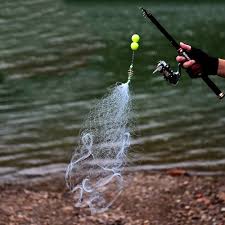
The catalogue includes nylon fishing nets, HDPE fishing nets, nylon mono‑filament nets and nylon multi‑filament nets. Each type is offered in standard mesh sizes from 5 mm to 30 mm and is suited for commercial or artisanal fisheries.
Can I obtain a sample of coco peat before placing a bulk order?
Yes, small samples of coco peat can be requested. The material normally shows a moisture content of 45 % ± 5 % and a pH between 5.5 and 6.5, which can be verified through the supplier’s test report.
Which certifications should I ask for when buying red chilli?
Buyers typically request a phytosanitary certificate, a certificate of analysis for pesticide residues and aflatoxin limits, and evidence of compliance with the importing country’s food safety standards such as FSSAI or EU regulations.
How is nylon yarn packaged for export?
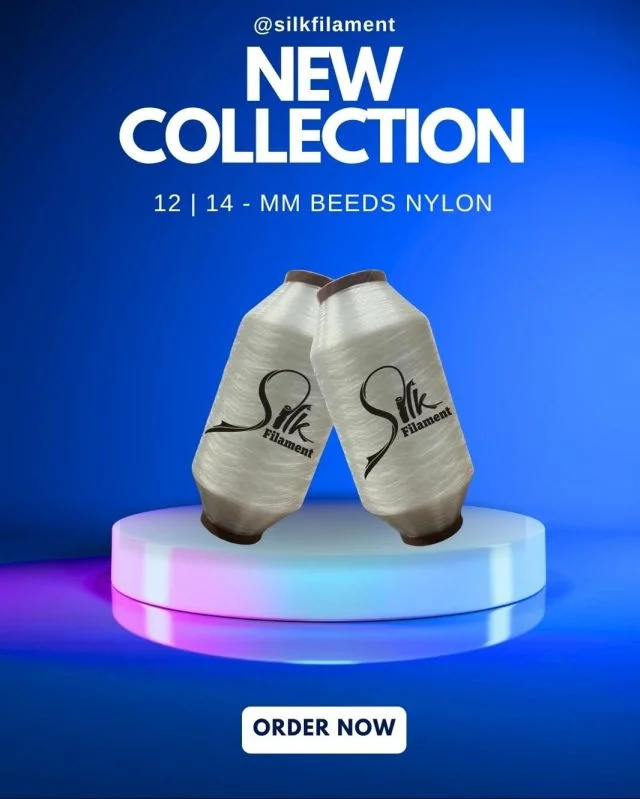
Nylon yarn is usually packed on spools or in 25 kg polypropylene bags. The yarn count (denier or tex) and batch number are printed on the packaging label.
What is the minimum order quantity for garden grow bags?
The minimum order starts at 500 units. Each bag is made from woven polypropylene of approximately 150 gsm and is shipped in bulk cartons.
What lead time should I expect for a full order?
Typical lead time after order confirmation and sample approval is 30‑45 days. Production scheduling may vary depending on the specific net or agricultural product requested.
How are the products shipped from India?
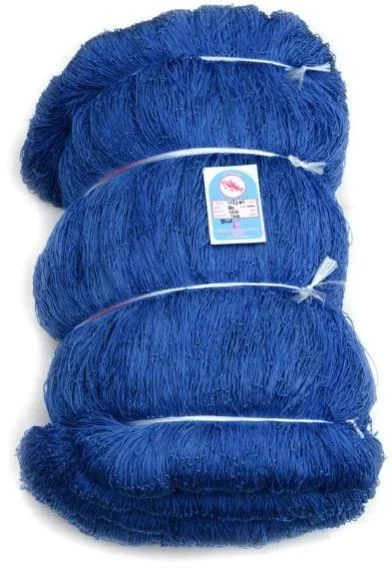
Products are loaded into 20‑foot or 40‑foot containers. Nets are compressed in bales, grow bags are stacked in cartons, and chilli is packed in ventilated boxes to maintain freshness.
What quality tests are performed on HDPE fishing nets?
HDPE nets undergo UV‑resistance testing, tensile strength measurement (minimum 200 N for 5 mm mesh) and elongation‑at‑break assessment. Test reports are provided on request.




 , India