Mahalaxmi Polypack Pvt. Ltd. — Verified Supplier
About Mahalaxmi Polypack Pvt. Ltd. - Jute Bags Supplier in India
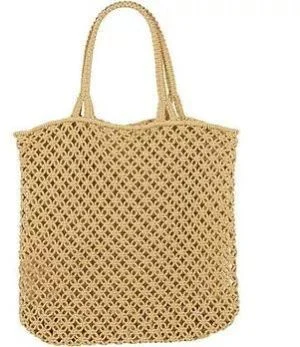
Mahalaxmi Polypack Pvt. Ltd. operates out of India and lists five active products across its catalogue. The company’s catalogue includes Leno Bags, Master Batches, Woven Tarpaulin, HDPE/PP Woven Fabric, and HDPE/PP Woven Sacks. These items fall under the broader categories of Jute Bags, Masterbatch, Tarpaulin and Accessories, Knitted & Woven Fabrics, and Woven Sacks as indicated in the supplied data. Each product is associated with a specific HS‑code family used in international trade, for example HS 6305 for jute bags and HS 3920 for plastic woven sacks. The supplier is classified in the “harbor” trust tier, indicating a certain level of verification in the platform.
Product Range and Specialties of Mahalaxmi Polypack Pvt. Ltd.
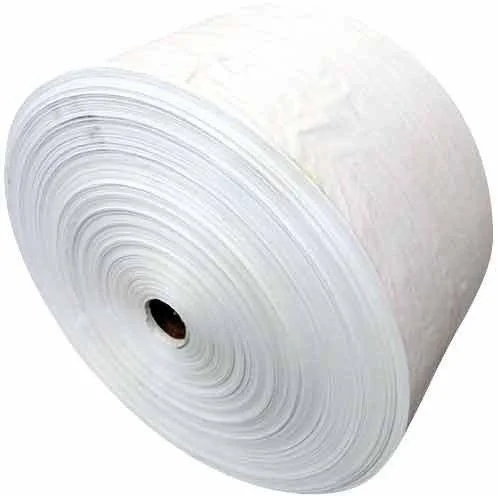
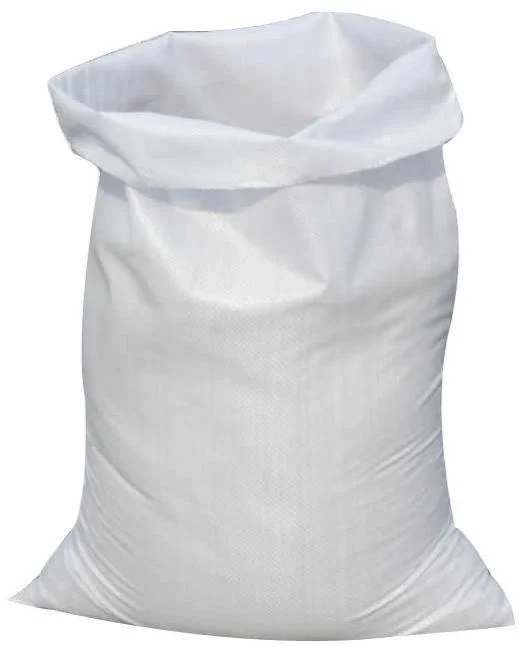
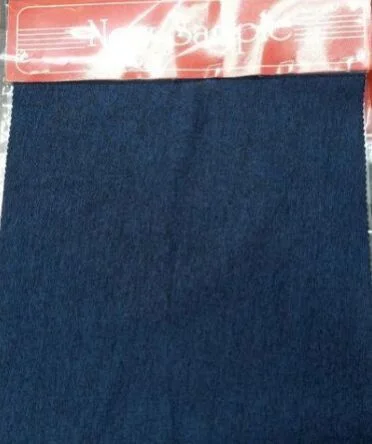
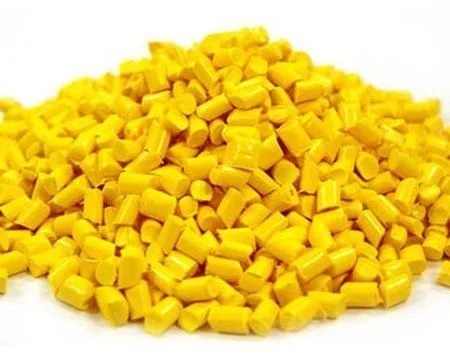
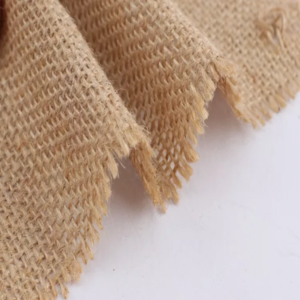
The catalogue covers natural‑fiber jute bags (Leno Bags) and polymer‑based products such as Master Batches, woven tarpaulin, HDPE/PP woven fabric and HDPE/PP woven sacks. In the jute‑bag market buyers typically look for weave counts of 40‑80 ends per inch and tensile strengths of 200‑400 N, while master batches are graded by pigment concentration (usually 5‑15 % by weight) and melt flow index compatibility. Woven tarpaulin and fabrics are commonly supplied in widths of 1.2‑2.4 m with thicknesses from 200 to 500 g/m² and are tested for UV resistance and tear strength above 30 N. HDPE/PP woven sacks are produced in standard sizes of 40 × 60 cm or 60 × 80 cm, with burst strengths of 5‑10 kPa, and are often shipped in bulk on 20‑ft or 40‑ft containers.
Trade and Export Information - Mahalaxmi Polypack Pvt. Ltd.
India is a major exporter of jute‑based bags, polymer master batches, and HDPE/PP woven products, with primary markets in Southeast Asia, the Middle East, Africa and parts of Europe. HS chapter 63 (e.g., 6305 for jute bags, 6306 for tarpaulin) and HS chapter 39 (e.g., 3919 for plastic sheets, 3920 for sacks) are the tariff classifications most frequently applied to these goods. Importers generally require compliance with ISO 9001 quality management, REACH registration for master batches, and ASTM D‑4972 or ISO 5351 standards for tensile and tear properties of woven fabrics. Packaging norms include double‑wall cardboard boxes for master batches, bulk rolls for tarpaulin, and poly‑bag or shrink‑wrap for woven sacks, with CIF or FOB Incoterms commonly used for sea freight. Indian exporters often provide a phytosanitary certificate for jute products and a Material Safety Data Sheet (MSDS) for chemical‑based master batches.
Sourcing from Mahalaxmi Polypack Pvt. Ltd. - Buyer Guidance
When sourcing Leno Bags, request a sample to verify weave density, weight per square metre and tensile test results according to ISO 9073‑1. For master batches ask for a recent analysis report showing pigment concentration, melt flow index, and compliance with REACH or local chemical regulations. Buyers of woven tarpaulin should confirm UV‑stabilisation grade, tear strength (minimum 30 N) and the exact fabric width and thickness required for their application. For HDPE/PP woven sacks, obtain a burst strength test report and verify that the material meets food‑grade or industrial‑grade specifications, depending on the intended cargo. In all cases request the supplier’s ISO‑related certificates, a factory audit report if available, and confirm container loading plans to avoid damage during transport.
Frequently Asked Questions About Mahalaxmi Polypack Pvt. Ltd.
What types of jute bags does Mahalaxmi Polypack list in its catalogue?
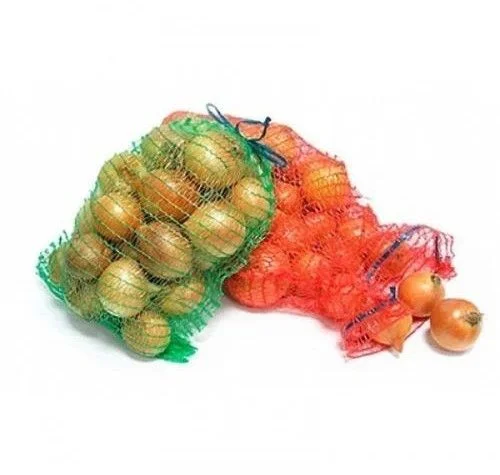
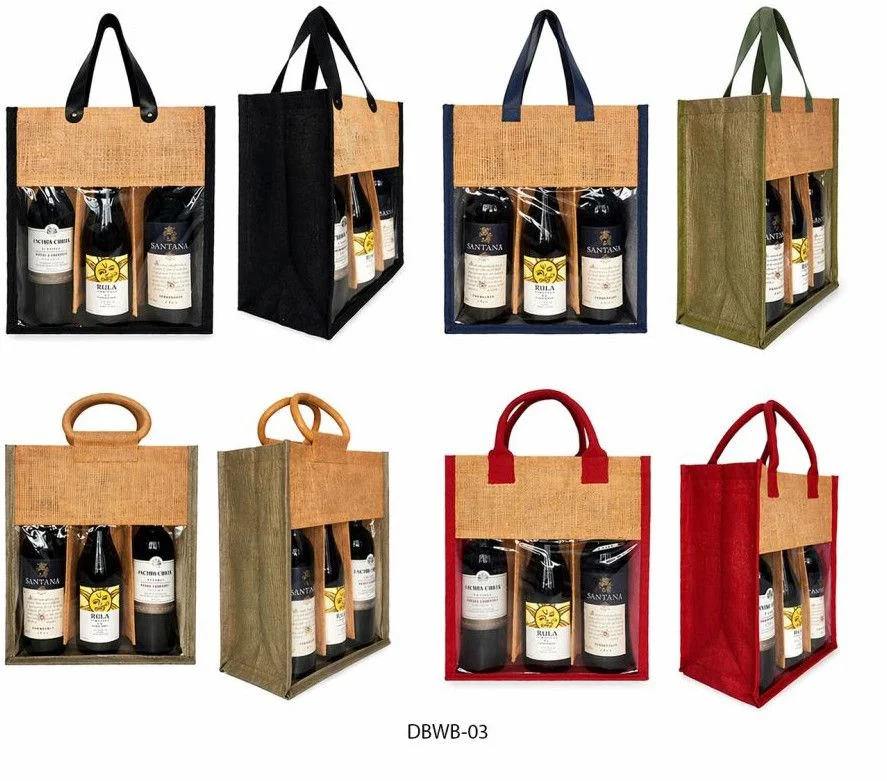
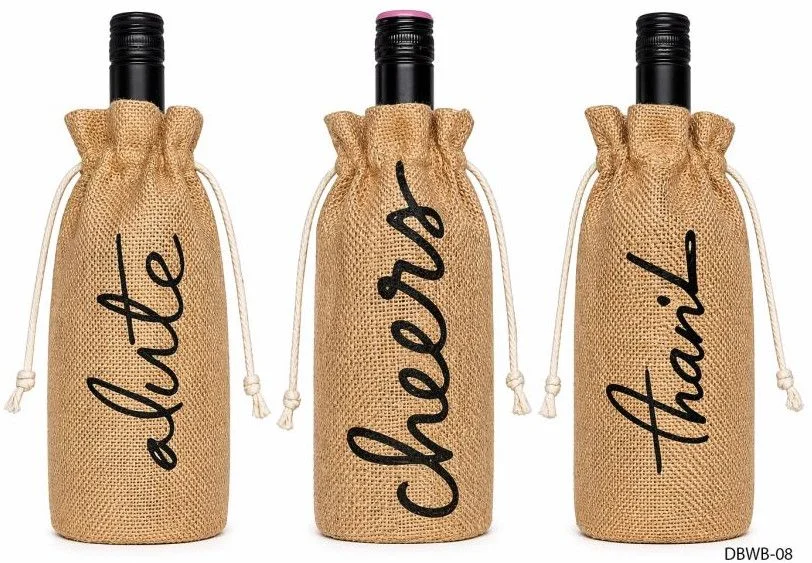
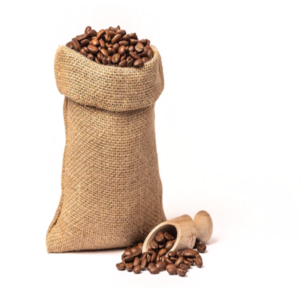
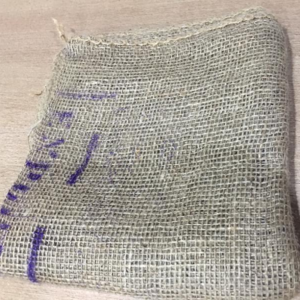
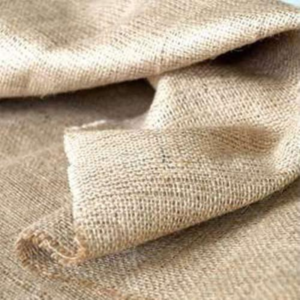
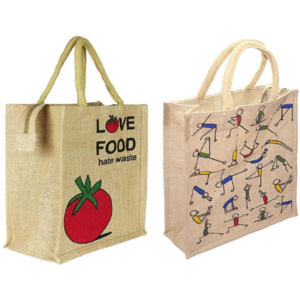
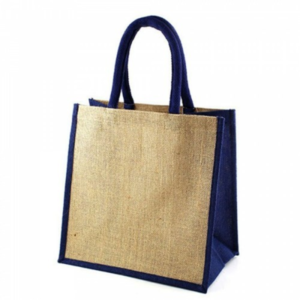
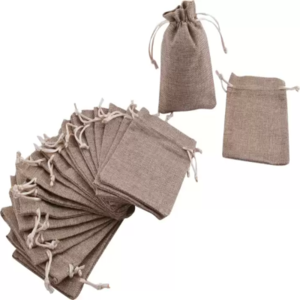
The catalogue includes Leno Bags, which are woven jute bags commonly used for agricultural produce and retail packaging.
Which HS code is typically applied to the Leno Bags?
International trade of jute bags like Leno Bags usually falls under HS code 6305, which covers sacks and bags of jute or other textile fibers.
What specifications should a buyer check for the Master Batches offered?
Buyers should verify pigment concentration (5‑15 % by weight), melt flow index compatibility with the target polymer, and request a REACH compliance statement or equivalent safety data sheet.
How are the woven tarpaulins packaged for export?
Woven tarpaulins are typically rolled, placed in reinforced cardboard sleeves, and loaded in 20‑ft or 40‑ft containers with moisture‑barrier liners to protect against humidity.
What are the common size and strength parameters for the HDPE/PP woven sacks?
Standard sizes are 40 × 60 cm or 60 × 80 cm, with burst strengths ranging from 5 to 10 kPa and a typical fabric weight of 250‑350 g/m².
Which certifications are usually required for these product categories?
Importers often require ISO 9001 quality management certification, REACH registration for chemical master batches, and ASTM or ISO tensile/tear test reports for woven fabrics and sacks.
What is the typical lead time for a sample of HDPE/PP woven fabric?
Suppliers generally need 10‑15 working days to cut and ship a fabric sample, depending on the requested width, length and any special coating requirements.
What documentation should be requested before placing a bulk order?
Buyers should ask for a commercial invoice, packing list, certificate of origin, relevant ISO certificates, test reports for tensile strength or pigment content, and, for jute products, a phytosanitary certificate.




 , India