Livic Minerals Llp — Supplier

About Livic Minerals Llp - Stones & Slates Supplier in India

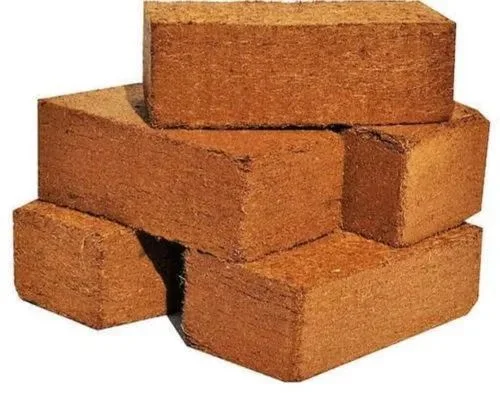
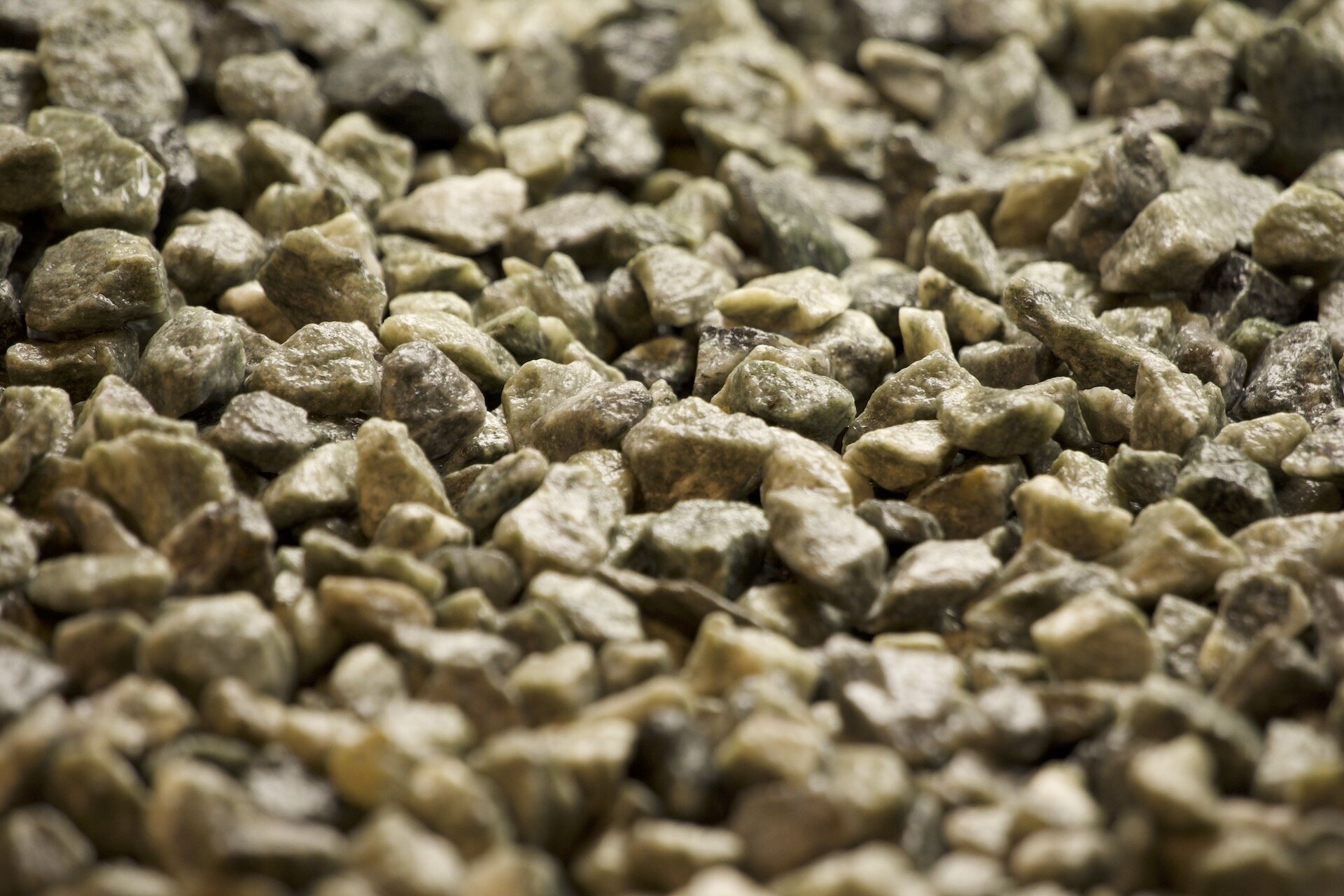
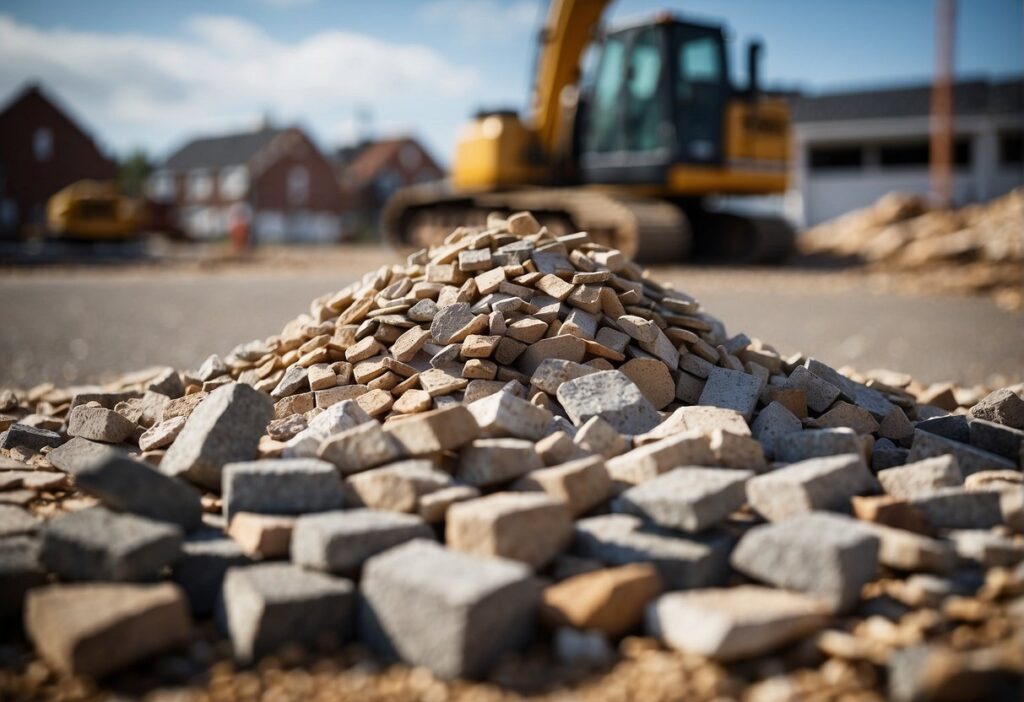
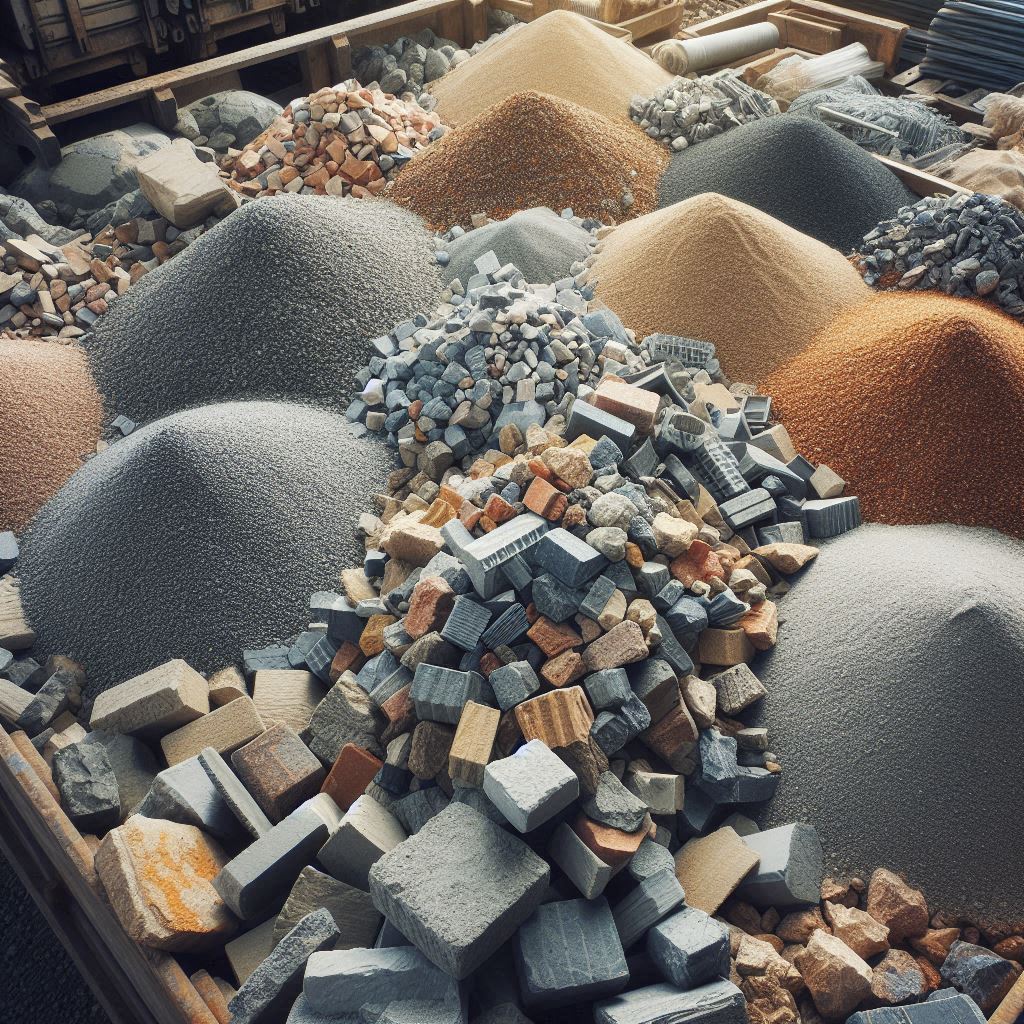
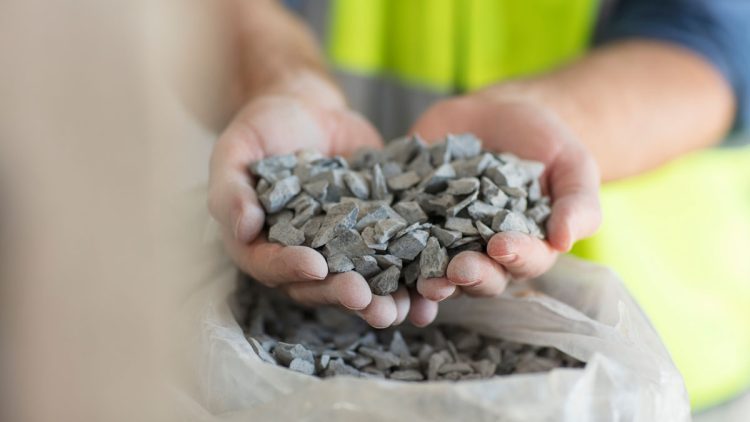
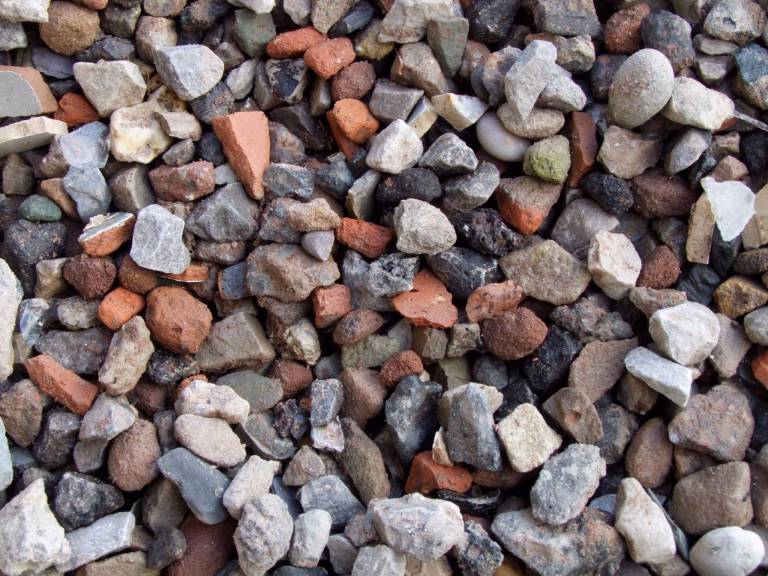
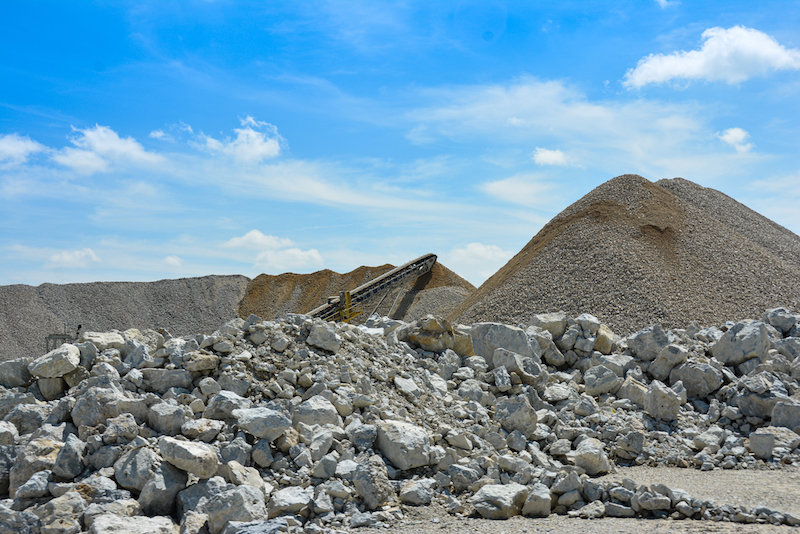
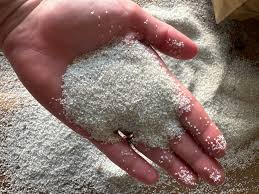
India hosts Livic Minerals Llp, which lists 24 active products across the minerals and construction segment. The catalogue includes quartz silica sand (HS 2505.10), white silica sand (HS 2505.10), brown silica sand (HS 2505.10), kaolin clay (HS 2507.00), quartz (HS 2506.10), quartzite bricks (HS 6903.90) and several stone aggregates such as 20 mm, 25 mm and 40 mm crushed stone (HS 2517.10) together with dust and VSI manufactured sand (HS 2517.49). Each entry specifies the primary material, for example natural quartz (SiO₂) or hydrated aluminum silicate for kaolin. The product list also mentions specialty items like frac sand, P‑sand, M‑sand and quartzite rubble, which are commonly used in construction and industrial processes. The supplier’s “top categories” cover stones & slates, aggregates, silica sand, sandstones, clay, construction materials, quartz and bricks, reflecting a broad but defined mineral portfolio.

The listed products are organized by HS code families that align with global customs classifications for mineral commodities. Quartz silica sand and its variants fall under chapter 25 heading 2505, while natural quartz is classified under heading 2506 and kaolin under heading 2507. Stone aggregates and related dust are captured by heading 2517, with sub‑headings distinguishing crushed stone from finer quarry dust. This structure enables buyers to locate the correct tariff and regulatory regime when importing from India. No additional corporate history or size metrics are provided beyond the active product count and category focus.

Product Range and Specialties of Livic Minerals Llp

Livic Minerals Llp’s catalogue presents a mix of raw silica sands, clay, quartz and processed stone aggregates. Quartz silica sand, white silica sand and brown silica sand are described with silica content ranging from 70 % to 95 % SiO₂, a typical specification for glass‑making, foundry molding and oil‑field fracturing. Kaolin clay is identified as natural hydrated aluminum silicate, a material commonly graded by particle size (e.g., 2 µm - 20 µm) and brightness (ISO 10545‑1). The stone aggregates are offered in standard mesh sizes of 10 mm, 20 mm, 25 mm and 40 mm, matching typical construction grading for concrete, road base and drainage applications. Quartzite bricks and rubble are high‑silica (95‑99 % SiO₂) products used where chemical resistance is required. In the broader industry, silica sands are often classified by grain size distribution (e.g., 0.1 mm - 0.5 mm for glass) and moisture content below 0.5 %. Aggregates are evaluated by bulk density (1.5‑2.0 t/m³) and Los Angeles abrasion values (≤30 %).

Trade and Export Information - Livic Minerals Llp

India is a major exporter of silica sands, kaolin and construction aggregates, supplying markets in the Middle East, Southeast Asia, Africa and Europe. HS 2505 covers industrial silica sand, which typically requires compliance with ASTM C-144 (Standard Specification for Silica Sand) or ISO 14688 for purity and grain‑size consistency. Kaolin exports are usually subject to ISO‑9001 quality management and may need a Certificate of Analysis confirming Al₂O₃, SiO₂ and moisture levels. Stone aggregates under HS 2517 are frequently inspected for grading, bulk density and contaminant limits, with buyers often requesting SGS or Bureau Veritas inspection reports. Common Incoterms for bulk mineral shipments are FOB or CFR, using bulk bags, open‑top containers or rail wagons depending on volume. Destination industries include glass manufacturers, foundries, construction firms, oil‑field services (frac sand) and ceramics producers, all of which typically request material test certificates and compliance with local environmental standards.

Because the supplier’s target markets are not listed, buyers should anticipate standard Indian export documentation: commercial invoice, packing list, Certificate of Origin and, where required, a phytosanitary or environmental clearance for sand products. Export logistics from Indian ports such as Mumbai or Chennai often involve 20‑ft or 40‑ft containers for finer sands, while bulk aggregates are shipped in bulk bags (25 kg) or as loose cargo in open‑top containers.

Sourcing from Livic Minerals Llp - Buyer Guidance

When sourcing from Livic Minerals Llp, buyers should request a recent Certificate of Analysis for each mineral, detailing chemical composition, silica or alumina percentages, moisture, bulk density and particle‑size distribution. For silica sands, a grain‑size sieve analysis (e.g., ASTM D3512) and surface‑moisture test (ASTM D2216) are typical prerequisites. Kaolin buyers normally ask for a brightness rating (ISO 10545‑1) and loss on ignition (LOI) values. Aggregates should be accompanied by a Los Angeles abrasion test result and a bulk‑density report. It is advisable to verify that any third‑party inspection (e.g., SGS, Intertek) aligns with the buyer’s import country’s standards before confirming the order.

Prior to placing a purchase order, confirm the packaging format (e.g., 25 kg bulk bags, 1 m³ bulk bags, or open‑top containers), the minimum order quantity per HS code, and the estimated lead time, which in India typically ranges from 30 to 60 days for processed mineral products. Requesting a pre‑shipment sample can help validate compliance with the buyer’s technical specifications and reduce the risk of non‑conforming shipments.

Frequently Asked Questions About Livic Minerals Llp

What types of silica sand does Livic Minerals Llp offer and how are they classified?

The supplier lists quartz silica sand, white silica sand, brown silica sand and frac sand, all under HS 2505.10. These sands differ mainly in purity (SiO₂ 70‑95 %) and colour, which affect their suitability for glass, foundry or oil‑field applications.

Which HS codes apply to the stone aggregates listed?

Stone aggregates of 10 mm, 20 mm, 25 mm and 40 mm size, as well as gsb crushed stone and rubble, are classified under HS 2517.10. Dust and 10 mm VSI manufactured sand fall under HS 2517.49.

What documentation should I request for kaolin clay?

Buyers should ask for a Certificate of Analysis showing Al₂Si₂O₅(OH)₄ content, particle‑size distribution, moisture level and any relevant ISO‑9001 quality‑management certification, along with a commercial invoice and Certificate of Origin.

Are there typical certifications required for quartz and quartzite products?

Quartz (HS 2506.10) and quartzite bricks (HS 6903.90) are often verified by third‑party inspection reports (e.g., SGS) confirming SiO₂ purity (typically 95‑99 %) and physical dimensions. Requesting such reports is standard practice.

What are the common packaging methods for these mineral products?

Fine sands are usually shipped in 25 kg bulk bags or sealed 20‑ft/40‑ft containers, while larger aggregates are packed in open‑top containers or bulk bags of 1 m³. Dust and VSI sand may be transported in bulk bags or loose bulk cargo.

What are typical lead times and minimum order quantities for Indian mineral exports?

Lead times generally range from 30 to 60 days from order confirmation, depending on product processing. Minimum order quantities vary by HS code, with bulk sands often requiring at least one 20‑ft container, and aggregates needing a minimum of several metric tonnes.

Which regions commonly import the categories offered by Livic Minerals Llp?

Major import regions include the Middle East for construction aggregates, Southeast Asia for silica sand, Europe for kaolin used in ceramics, and Africa for quartzite bricks used in high‑temperature applications.

What regulatory standards apply to frac sand exports?

Frac sand shipments are typically subject to ASTM C‑144 for silica purity and grain‑size uniformity, as well as local environmental regulations governing silica dust handling. Buyers should verify compliance certificates before shipment.


Featured Products from this Supplier

Other Suppliers in Primary Category

Top Trusted Suppliers

Related Products

Trending in Parent Category

More Suppliers in Category

Related Products

Other Suppliers

EximNext
7.1K+ live requirements
Register Free🎁 Reach global buyers
Post Requirement
🌍 Trusted by 225K+ businesses in 200+ countries|
7.1K+ active requirements right now
✉️ [email protected]
|
Sell on EximNextPost Requirement
EximNext
AgricultureApparelConstructionElectronicFoodHomeIndustrialMineralsMiscellaneous
🔥 Deals|✨ AI Match|🏭 Suppliers|📋 Buy Leads|💰 Trade Finance
7.1K+ live RFQs·194.8K+ suppliers
🎁 Reach global buyers →
EximNext
EximNext
Register Free
🎁 Reach global buyers
Sign In
📋Post Requirement💬Get Quotes✨AI Match📋RFQ Marketplace
All Categories
Services & Tools
🏭Supplier Directory🔥Today's Deals💰Trade Finance
Sell on EximNext →
AboutContactBlogHelp
Industrial & Minerals  ·  India
24
products listed

Livic Minerals Llp

⚓ Harbor
Country flag , IndiaNew supplier / no reviews yet
🛡️
77/100
Trust Score

Livic Minerals Llp Product Catalog

Showing 12 of 24 products
View all products →
Brown Silica Sand
⚓ Harbor
Brown Silica Sand
Contact
MOQ: 1 Unit
40 mm
⚓ Harbor
40 mm
Contact
MOQ: 1 Unit
Quartzite Bolls
⚓ Harbor
Quartzite Bolls
Contact
MOQ: 1 Unit
Rever
⚓ Harbor
Rever
Contact
MOQ: 1 Unit
Quartzite Rubble
⚓ Harbor
Quartzite Rubble
Contact
MOQ: 1 Unit
Quartzite Bricks
⚓ Harbor
Quartzite Bricks
Contact
MOQ: 1 Unit
Quartz
⚓ Harbor
Quartz
Contact
MOQ: 1 Unit
Quartzite 10mm
⚓ Harbor
Quartzite 10mm
Contact
MOQ: 1 Unit
Quartzite 65mm
⚓ Harbor
Quartzite 65mm
Contact
MOQ: 1 Unit
Quartzite 25mm
⚓ Harbor
Quartzite 25mm
Contact
MOQ: 1 Unit
Quartzite 20MM
⚓ Harbor
Quartzite 20MM
Contact
MOQ: 1 Unit
P Sand
⚓ Harbor
P Sand
Contact
MOQ: 1 Unit

About Livic Minerals Llp - Stones & Slates Supplier in India

India hosts Livic Minerals Llp, which lists 24 active products across the minerals and construction segment. The catalogue includes quartz silica sand (HS 2505.10), white silica sand (HS 2505.10), brown silica sand (HS 2505.10), kaolin clay (HS 2507.00), quartz (HS 2506.10), quartzite bricks (HS 6903.90) and several stone aggregates such as 20 mm, 25 mm and 40 mm crushed stone (HS 2517.10) together with dust and VSI manufactured sand (HS 2517.49). Each entry specifies the primary material, for example natural quartz (SiO₂) or hydrated aluminum silicate for kaolin. The product list also mentions specialty items like frac sand, P‑sand, M‑sand and quartzite rubble, which are commonly used in construction and industrial processes. The supplier’s “top categories” cover stones & slates, aggregates, silica sand, sandstones, clay, construction materials, quartz and bricks, reflecting a broad but defined mineral portfolio.

The listed products are organized by HS code families that align with global customs classifications for mineral commodities. Quartz silica sand and its variants fall under chapter 25 heading 2505, while natural quartz is classified under heading 2506 and kaolin under heading 2507. Stone aggregates and related dust are captured by heading 2517, with sub‑headings distinguishing crushed stone from finer quarry dust. This structure enables buyers to locate the correct tariff and regulatory regime when importing from India. No additional corporate history or size metrics are provided beyond the active product count and category focus.

Product Range and Specialties of Livic Minerals Llp

Livic Minerals Llp’s catalogue presents a mix of raw silica sands, clay, quartz and processed stone aggregates. Quartz silica sand, white silica sand and brown silica sand are described with silica content ranging from 70 % to 95 % SiO₂, a typical specification for glass‑making, foundry molding and oil‑field fracturing. Kaolin clay is identified as natural hydrated aluminum silicate, a material commonly graded by particle size (e.g., 2 µm - 20 µm) and brightness (ISO 10545‑1). The stone aggregates are offered in standard mesh sizes of 10 mm, 20 mm, 25 mm and 40 mm, matching typical construction grading for concrete, road base and drainage applications. Quartzite bricks and rubble are high‑silica (95‑99 % SiO₂) products used where chemical resistance is required. In the broader industry, silica sands are often classified by grain size distribution (e.g., 0.1 mm - 0.5 mm for glass) and moisture content below 0.5 %. Aggregates are evaluated by bulk density (1.5‑2.0 t/m³) and Los Angeles abrasion values (≤30 %).

Trade and Export Information - Livic Minerals Llp

India is a major exporter of silica sands, kaolin and construction aggregates, supplying markets in the Middle East, Southeast Asia, Africa and Europe. HS 2505 covers industrial silica sand, which typically requires compliance with ASTM C-144 (Standard Specification for Silica Sand) or ISO 14688 for purity and grain‑size consistency. Kaolin exports are usually subject to ISO‑9001 quality management and may need a Certificate of Analysis confirming Al₂O₃, SiO₂ and moisture levels. Stone aggregates under HS 2517 are frequently inspected for grading, bulk density and contaminant limits, with buyers often requesting SGS or Bureau Veritas inspection reports. Common Incoterms for bulk mineral shipments are FOB or CFR, using bulk bags, open‑top containers or rail wagons depending on volume. Destination industries include glass manufacturers, foundries, construction firms, oil‑field services (frac sand) and ceramics producers, all of which typically request material test certificates and compliance with local environmental standards.

Because the supplier’s target markets are not listed, buyers should anticipate standard Indian export documentation: commercial invoice, packing list, Certificate of Origin and, where required, a phytosanitary or environmental clearance for sand products. Export logistics from Indian ports such as Mumbai or Chennai often involve 20‑ft or 40‑ft containers for finer sands, while bulk aggregates are shipped in bulk bags (25 kg) or as loose cargo in open‑top containers.

Sourcing from Livic Minerals Llp - Buyer Guidance

When sourcing from Livic Minerals Llp, buyers should request a recent Certificate of Analysis for each mineral, detailing chemical composition, silica or alumina percentages, moisture, bulk density and particle‑size distribution. For silica sands, a grain‑size sieve analysis (e.g., ASTM D3512) and surface‑moisture test (ASTM D2216) are typical prerequisites. Kaolin buyers normally ask for a brightness rating (ISO 10545‑1) and loss on ignition (LOI) values. Aggregates should be accompanied by a Los Angeles abrasion test result and a bulk‑density report. It is advisable to verify that any third‑party inspection (e.g., SGS, Intertek) aligns with the buyer’s import country’s standards before confirming the order.

Prior to placing a purchase order, confirm the packaging format (e.g., 25 kg bulk bags, 1 m³ bulk bags, or open‑top containers), the minimum order quantity per HS code, and the estimated lead time, which in India typically ranges from 30 to 60 days for processed mineral products. Requesting a pre‑shipment sample can help validate compliance with the buyer’s technical specifications and reduce the risk of non‑conforming shipments.

Frequently Asked Questions About Livic Minerals Llp

What types of silica sand does Livic Minerals Llp offer and how are they classified?

The supplier lists quartz silica sand, white silica sand, brown silica sand and frac sand, all under HS 2505.10. These sands differ mainly in purity (SiO₂ 70‑95 %) and colour, which affect their suitability for glass, foundry or oil‑field applications.

Which HS codes apply to the stone aggregates listed?

Stone aggregates of 10 mm, 20 mm, 25 mm and 40 mm size, as well as gsb crushed stone and rubble, are classified under HS 2517.10. Dust and 10 mm VSI manufactured sand fall under HS 2517.49.

What documentation should I request for kaolin clay?

Buyers should ask for a Certificate of Analysis showing Al₂Si₂O₅(OH)₄ content, particle‑size distribution, moisture level and any relevant ISO‑9001 quality‑management certification, along with a commercial invoice and Certificate of Origin.

Are there typical certifications required for quartz and quartzite products?

Quartz (HS 2506.10) and quartzite bricks (HS 6903.90) are often verified by third‑party inspection reports (e.g., SGS) confirming SiO₂ purity (typically 95‑99 %) and physical dimensions. Requesting such reports is standard practice.

What are the common packaging methods for these mineral products?

Fine sands are usually shipped in 25 kg bulk bags or sealed 20‑ft/40‑ft containers, while larger aggregates are packed in open‑top containers or bulk bags of 1 m³. Dust and VSI sand may be transported in bulk bags or loose bulk cargo.

What are typical lead times and minimum order quantities for Indian mineral exports?

Lead times generally range from 30 to 60 days from order confirmation, depending on product processing. Minimum order quantities vary by HS code, with bulk sands often requiring at least one 20‑ft container, and aggregates needing a minimum of several metric tonnes.

Which regions commonly import the categories offered by Livic Minerals Llp?

Major import regions include the Middle East for construction aggregates, Southeast Asia for silica sand, Europe for kaolin used in ceramics, and Africa for quartzite bricks used in high‑temperature applications.

What regulatory standards apply to frac sand exports?

Frac sand shipments are typically subject to ASTM C‑144 for silica purity and grain‑size uniformity, as well as local environmental regulations governing silica dust handling. Buyers should verify compliance certificates before shipment.

About Livic Minerals Llp - Stones & Slates Supplier in India

India hosts Livic Minerals Llp, which lists 24 active products across the minerals and construction segment. The catalogue includes quartz silica sand (HS 2505.10), white silica sand (HS 2505.10), brown silica sand (HS 2505.10), kaolin clay (HS 2507.00), quartz (HS 2506.10), quartzite bricks (HS 6903.90) and several stone aggregates such as 20 mm, 25 mm and 40 mm crushed stone (HS 2517.10) together with dust and VSI manufactured sand (HS 2517.49). Each entry specifies the primary material, for example natural quartz (SiO₂) or hydrated aluminum silicate for kaolin. The product list also mentions specialty items like frac sand, P‑sand, M‑sand and quartzite rubble, which are commonly used in construction and industrial processes. The supplier’s “top categories” cover stones & slates, aggregates, silica sand, sandstones, clay, construction materials, quartz and bricks, reflecting a broad but defined mineral portfolio.

The listed products are organized by HS code families that align with global customs classifications for mineral commodities. Quartz silica sand and its variants fall under chapter 25 heading 2505, while natural quartz is classified under heading 2506 and kaolin under heading 2507. Stone aggregates and related dust are captured by heading 2517, with sub‑headings distinguishing crushed stone from finer quarry dust. This structure enables buyers to locate the correct tariff and regulatory regime when importing from India. No additional corporate history or size metrics are provided beyond the active product count and category focus.

Product Range and Specialties of Livic Minerals Llp

Livic Minerals Llp’s catalogue presents a mix of raw silica sands, clay, quartz and processed stone aggregates. Quartz silica sand, white silica sand and brown silica sand are described with silica content ranging from 70 % to 95 % SiO₂, a typical specification for glass‑making, foundry molding and oil‑field fracturing. Kaolin clay is identified as natural hydrated aluminum silicate, a material commonly graded by particle size (e.g., 2 µm - 20 µm) and brightness (ISO 10545‑1). The stone aggregates are offered in standard mesh sizes of 10 mm, 20 mm, 25 mm and 40 mm, matching typical construction grading for concrete, road base and drainage applications. Quartzite bricks and rubble are high‑silica (95‑99 % SiO₂) products used where chemical resistance is required. In the broader industry, silica sands are often classified by grain size distribution (e.g., 0.1 mm - 0.5 mm for glass) and moisture content below 0.5 %. Aggregates are evaluated by bulk density (1.5‑2.0 t/m³) and Los Angeles abrasion values (≤30 %).

Trade and Export Information - Livic Minerals Llp

India is a major exporter of silica sands, kaolin and construction aggregates, supplying markets in the Middle East, Southeast Asia, Africa and Europe. HS 2505 covers industrial silica sand, which typically requires compliance with ASTM C-144 (Standard Specification for Silica Sand) or ISO 14688 for purity and grain‑size consistency. Kaolin exports are usually subject to ISO‑9001 quality management and may need a Certificate of Analysis confirming Al₂O₃, SiO₂ and moisture levels. Stone aggregates under HS 2517 are frequently inspected for grading, bulk density and contaminant limits, with buyers often requesting SGS or Bureau Veritas inspection reports. Common Incoterms for bulk mineral shipments are FOB or CFR, using bulk bags, open‑top containers or rail wagons depending on volume. Destination industries include glass manufacturers, foundries, construction firms, oil‑field services (frac sand) and ceramics producers, all of which typically request material test certificates and compliance with local environmental standards.

Because the supplier’s target markets are not listed, buyers should anticipate standard Indian export documentation: commercial invoice, packing list, Certificate of Origin and, where required, a phytosanitary or environmental clearance for sand products. Export logistics from Indian ports such as Mumbai or Chennai often involve 20‑ft or 40‑ft containers for finer sands, while bulk aggregates are shipped in bulk bags (25 kg) or as loose cargo in open‑top containers.

Sourcing from Livic Minerals Llp - Buyer Guidance

When sourcing from Livic Minerals Llp, buyers should request a recent Certificate of Analysis for each mineral, detailing chemical composition, silica or alumina percentages, moisture, bulk density and particle‑size distribution. For silica sands, a grain‑size sieve analysis (e.g., ASTM D3512) and surface‑moisture test (ASTM D2216) are typical prerequisites. Kaolin buyers normally ask for a brightness rating (ISO 10545‑1) and loss on ignition (LOI) values. Aggregates should be accompanied by a Los Angeles abrasion test result and a bulk‑density report. It is advisable to verify that any third‑party inspection (e.g., SGS, Intertek) aligns with the buyer’s import country’s standards before confirming the order.

Prior to placing a purchase order, confirm the packaging format (e.g., 25 kg bulk bags, 1 m³ bulk bags, or open‑top containers), the minimum order quantity per HS code, and the estimated lead time, which in India typically ranges from 30 to 60 days for processed mineral products. Requesting a pre‑shipment sample can help validate compliance with the buyer’s technical specifications and reduce the risk of non‑conforming shipments.

Frequently Asked Questions About Livic Minerals Llp
What types of silica sand does Livic Minerals Llp offer and how are they classified?
The supplier lists quartz silica sand, white silica sand, brown silica sand and frac sand, all under HS 2505.10. These sands differ mainly in purity (SiO₂ 70‑95 %) and colour, which affect their suitability for glass, foundry or oil‑field applications.
Which HS codes apply to the stone aggregates listed?
Stone aggregates of 10 mm, 20 mm, 25 mm and 40 mm size, as well as gsb crushed stone and rubble, are classified under HS 2517.10. Dust and 10 mm VSI manufactured sand fall under HS 2517.49.
What documentation should I request for kaolin clay?
Buyers should ask for a Certificate of Analysis showing Al₂Si₂O₅(OH)₄ content, particle‑size distribution, moisture level and any relevant ISO‑9001 quality‑management certification, along with a commercial invoice and Certificate of Origin.
Are there typical certifications required for quartz and quartzite products?
Quartz (HS 2506.10) and quartzite bricks (HS 6903.90) are often verified by third‑party inspection reports (e.g., SGS) confirming SiO₂ purity (typically 95‑99 %) and physical dimensions. Requesting such reports is standard practice.
What are the common packaging methods for these mineral products?
Fine sands are usually shipped in 25 kg bulk bags or sealed 20‑ft/40‑ft containers, while larger aggregates are packed in open‑top containers or bulk bags of 1 m³. Dust and VSI sand may be transported in bulk bags or loose bulk cargo.
What are typical lead times and minimum order quantities for Indian mineral exports?
Lead times generally range from 30 to 60 days from order confirmation, depending on product processing. Minimum order quantities vary by HS code, with bulk sands often requiring at least one 20‑ft container, and aggregates needing a minimum of several metric tonnes.
Which regions commonly import the categories offered by Livic Minerals Llp?
Major import regions include the Middle East for construction aggregates, Southeast Asia for silica sand, Europe for kaolin used in ceramics, and Africa for quartzite bricks used in high‑temperature applications.
What regulatory standards apply to frac sand exports?
Frac sand shipments are typically subject to ASTM C‑144 for silica purity and grain‑size uniformity, as well as local environmental regulations governing silica dust handling. Buyers should verify compliance certificates before shipment.

Livic Minerals Llp
Country flag India
⚓ HarborIndustrial & Minerals
77/100
Trust Score
24
Products
✓ Free to contact — no commission
✓ Escrow payment available
✓ Verified business identity
Compare more suppliers
Post a requirement — get 10 quotes free
Let verified suppliers compete for your business. Free, fast, no commitment.
Due Diligence
Verify this supplier's real shipping history.
Every shipment, every buyer, every port. Trade data that can't be faked.
Run due diligence →
Discover More

Related Suppliers & Products

Explore similar suppliers, related products and trending categories

Featured Products from this Supplier

Other Suppliers in Primary Category

Top Trusted Suppliers

Related Products

Trending in Parent Category

More Suppliers in Category

Stay ahead in global trade
Weekly market insights & new supplier alerts.
EximNext
Exim Next is a leading global B2B marketplace, connecting over 220,000 registered suppliers and buyers across 200+ countries. As a trusted import export marketplace, it serves as the essential B2B portal for businesses worldwide, empowering them to expand their international reach. With Exim Next, businesses can trade smarter and grow faster.
SECURE PAYMENTS
VISAMastercardPayPalSWIFTL/CEscrow
Follow us
© 2026 EximNext