L.v Spices — Verified Supplier
About L.v Spices - Spices Supplier in India
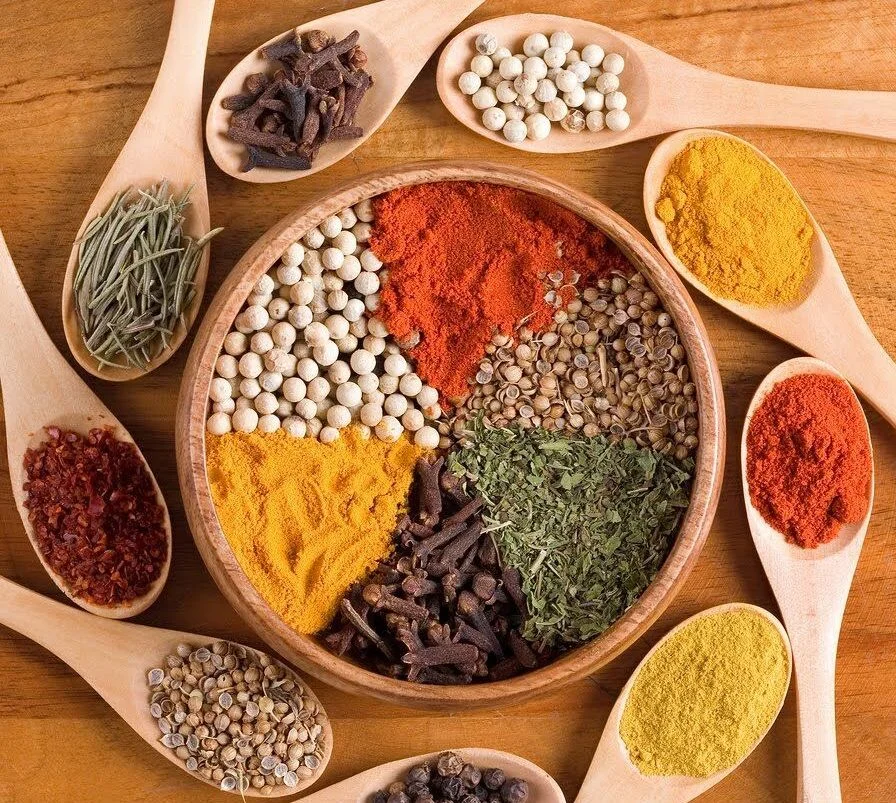
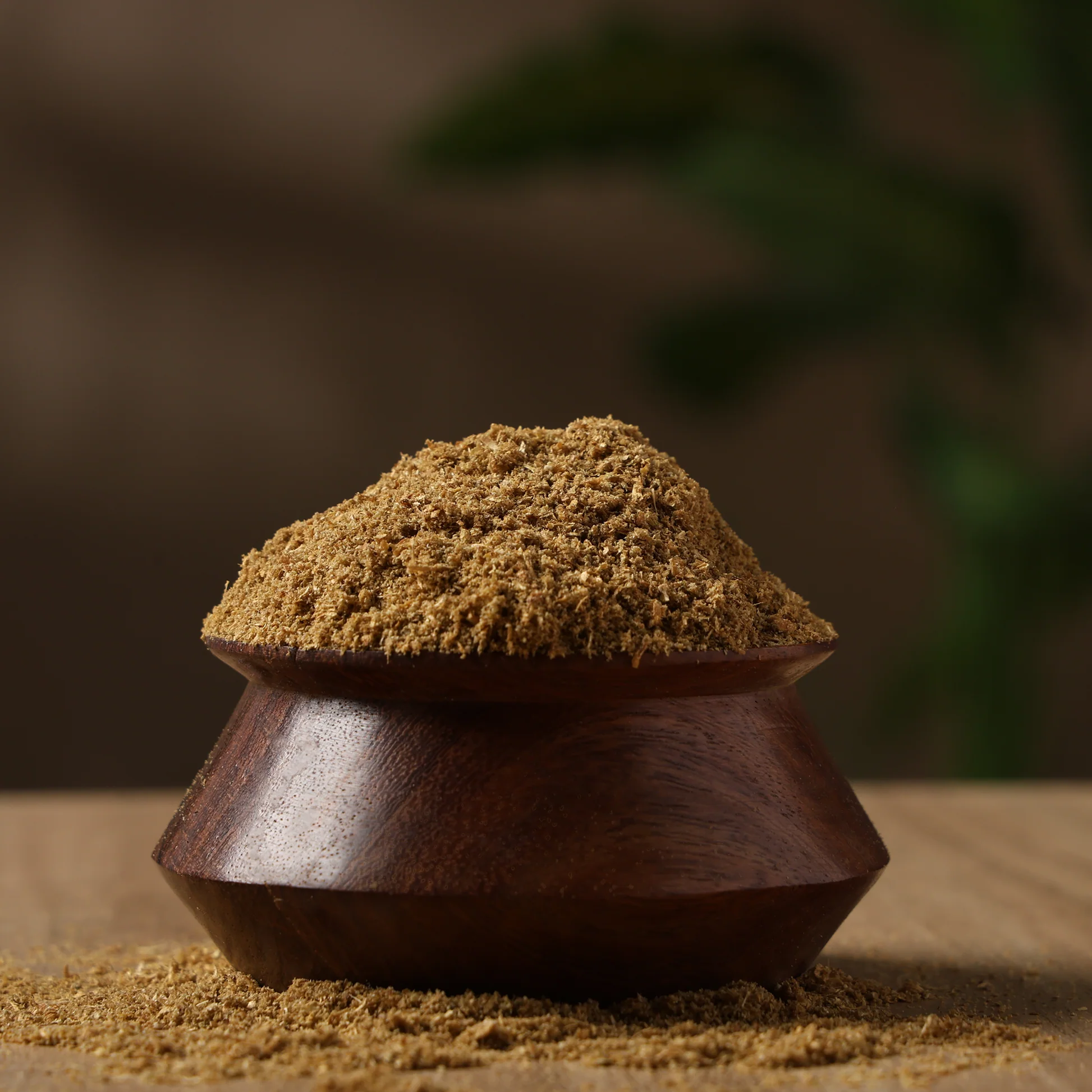
L.v Spices, located in India, offers a diverse range of spice products, with 19 active products in its catalogue. The company's product range includes various types of chilli powder, pepper powder, and other spices. For instance, L.v Spices lists 365 Spicery Bhut Jolokia Chilli Powder, 365 Spicery Byadgi Chilli Powder Steamless, and 365 Spicery Cayenne Pepper Powder, among others. These products are typically classified under HS code chapters for spices, which usually fall under the 0904 to 0910 range.
The spice products offered by L.v Spices cater to various markets, including the food and beverage industry, pharmaceutical sector, and cosmetic industry. Exporters of spices from India, like L.v Spices, often target regions such as the Middle East, Europe, and North America, where there is a high demand for these products. The city/region in India where L.v Spices operates is not specified, but the country's spice exports are known to originate from various regions, including the southern states.
Product Range and Specialties of L.v Spices
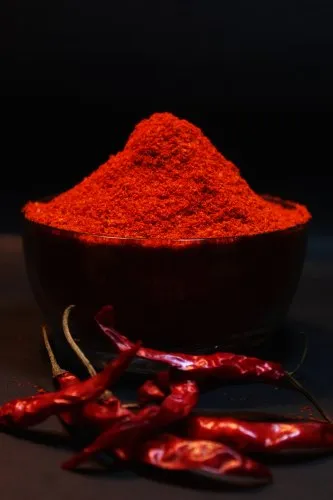
L.v Spices' product range encompasses different types of chilli powder, including Bhut Jolokia, Byadgi, Cayenne, Deggi Mirch, Gholhar, Green Chilli, Guntur, Guntur Sannam, Himalayan, Kanthari, Kashmiri, Kolhapuri, Laal Tadka, Mexican, Reshampatti, Sankheshwari, Silk, and Sweet Paprika. Buyers of spices usually look for specific quality parameters, such as moisture content, purity, and granulation. For chilli powder, the Scoville Heat Unit (SHU) is a key measure of its heat level, and buyers may request test reports to verify the SHU of the product. The typical packaging for spices like these is in 1 kg bags, and buyers should confirm the packaging details before ordering.
Trade and Export Information - L.v Spices
Exporters of spices from India, like L.v Spices, typically require certifications such as ISO 22000 or HACCP to ensure food safety standards. Buyers should request these certifications, as well as any relevant test reports, to verify the quality of the products. The logistics and shipping of spices usually involve containerization, with 20 ft or 40 ft containers being commonly used. Incoterms like CIF or FOB may be applicable, and buyers should clarify the terms with the supplier before placing an order. Spices are subject to regulations in various countries, and buyers should be aware of the relevant HS codes, such as 0904 to 0910, to ensure compliance with import regulations.
Sourcing from L.v Spices - Buyer Guidance
When sourcing from L.v Spices, buyers should request samples of the products to verify their quality. It is also essential to confirm the specifications, such as the SHU for chilli powder, and to request test reports to ensure compliance with food safety standards. Buyers should verify the packaging details, including the bag size and material, to ensure that it meets their requirements. Any certifications, such as ISO 22000 or HACCP, should also be requested to ensure that the supplier meets the necessary standards. Before ordering, buyers should confirm the lead time and MOQ to ensure that they can meet their production or distribution schedules.
Frequently Asked Questions About L.v Spices
What types of chilli powder does L.v Spices offer?
L.v Spices offers various types of chilli powder, including Bhut Jolokia, Byadgi, Cayenne, Deggi Mirch, Gholhar, Green Chilli, Guntur, Guntur Sannam, Himalayan, Kanthari, Kashmiri, Kolhapuri, Laal Tadka, Mexican, Reshampatti, Sankheshwari, Silk, and Sweet Paprika.
What is the typical packaging for spices like chilli powder?
The typical packaging for spices like chilli powder is in 1 kg bags, but buyers should confirm the packaging details with the supplier before ordering.
What certifications should buyers request from L.v Spices?
Buyers should request certifications such as ISO 22000 or HACCP to ensure food safety standards, as well as any relevant test reports to verify the quality of the products.
What is the Scoville Heat Unit (SHU) and why is it important for chilli powder?
The Scoville Heat Unit (SHU) is a measure of the heat level of chilli powder, and buyers may request test reports to verify the SHU of the product. The SHU is an important parameter for chilli powder, as it determines its suitability for various applications.
What are the common logistics and shipping terms for spices like chilli powder?
The logistics and shipping of spices usually involve containerization, with 20 ft or 40 ft containers being commonly used. Incoterms like CIF or FOB may be applicable, and buyers should clarify the terms with the supplier before placing an order.
What are the relevant HS codes for spices like chilli powder?
The relevant HS codes for spices like chilli powder usually fall under the 0904 to 0910 range, and buyers should be aware of these codes to ensure compliance with import regulations.
How can buyers verify the quality of the products offered by L.v Spices?
Buyers can verify the quality of the products by requesting samples, test reports, and certifications such as ISO 22000 or HACCP. They should also confirm the specifications, such as the SHU for chilli powder, and verify the packaging details before ordering.
What is the lead time and MOQ for L.v Spices' products?
Buyers should confirm the lead time and MOQ with L.v Spices before placing an order to ensure that they can meet their production or distribution schedules.




 , India