Joy Technology Co., Limited — Supplier
About Joy Technology Co., Limited - Electric Components Supplier in China
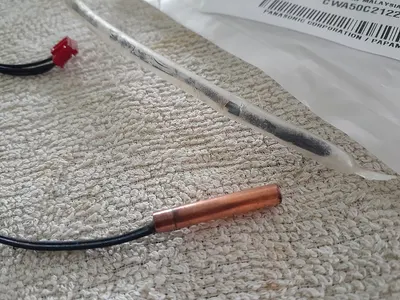
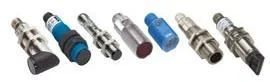
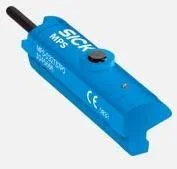
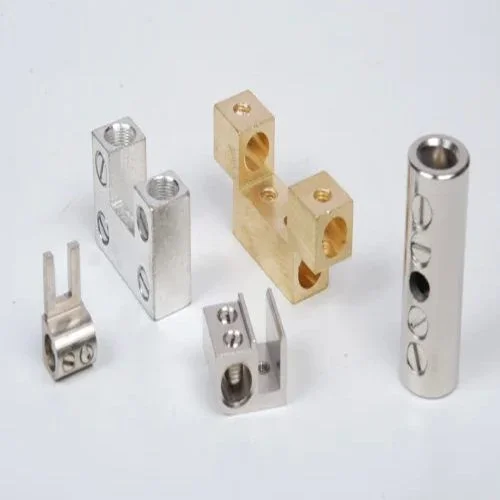
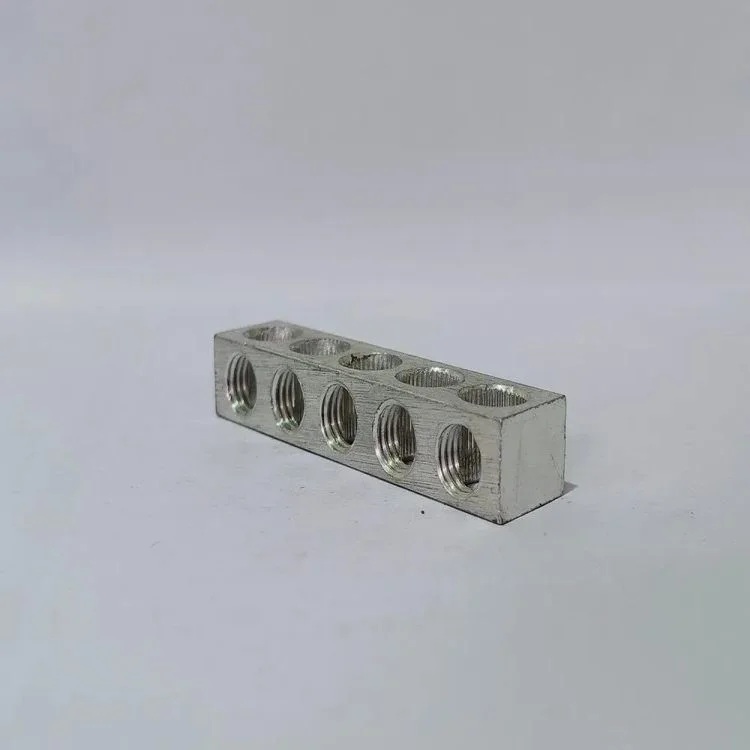
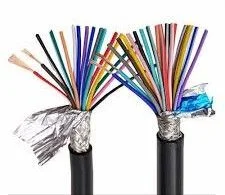
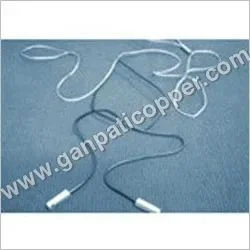
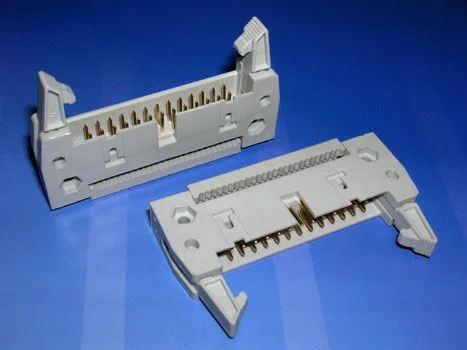
Joy Technology Co., Limited, located in China, offers a diverse range of products, with 15 active products in its catalogue. The company's primary product categories include Electric Components, Electric Sensors, and Wires & Cables. Its product range encompasses various types of sensors, drivers, and wires, such as SMT NTC Thermistor Sensor 3435K, Indexing Sensor, and J90650157B Sensor Wire.
The company's products are likely to be of interest to buyers in regions that heavily rely on electronic components, such as Asia, Europe, and North America. The HS code families involved in the trade of these products typically include 8536, 8541, and 8544, which correspond to electric apparatus, insulating fittings, and other electrical machinery, respectively.
Product Range and Specialties of Joy Technology Co., Limited
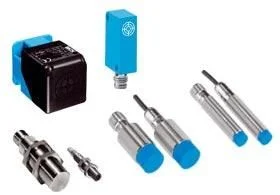
Joy Technology Co., Limited's product range includes a variety of electric components and sensors, such as thermistor sensors, indexing sensors, and cylinder sensors. These products are typically used in applications that require precise temperature measurement, positioning, and control. Buyers of these products usually require specifications, such as accuracy, sensitivity, and response time, to ensure that the products meet their requirements.
The industry standard for thermistor sensors, for example, is typically IC 8536-1, which specifies the requirements for thermistor sensors used in electronic equipment. Similarly, the standard for indexing sensors is often ISO 6431, which defines the requirements for optical and magnetic sensors used in industrial automation.
Trade and Export Information - Joy Technology Co., Limited
Exporters of electric components and sensors, like Joy Technology Co., Limited, typically ship their products to regions with a high demand for electronic equipment, such as the United States, Germany, and Japan. The HS code families involved in the trade of these products, such as 8536, 8541, and 8544, are subject to regulations and standards, such as the EU's RoHS and REACH directives, which restrict the use of hazardous substances in electronic equipment.
Buyers of these products should be aware of the certifications and compliance requirements, such as CE, UL, and ETL, which are commonly required for electric components and sensors. They should also verify the products' compliance with relevant regulations, such as the EU's WEEE directive, which governs the disposal of electronic waste.
Sourcing from Joy Technology Co., Limited - Buyer Guidance
When sourcing from Joy Technology Co., Limited, buyers should request specifications, such as datasheets, test reports, and certification documents, to ensure that the products meet their requirements. They should also verify the products' compliance with relevant regulations and standards, such as RoHS, REACH, and CE.
Buyers should also be aware of the typical quality parameters and tests for electric components and sensors, such as accuracy, sensitivity, and response time. They should request samples and inspect the products before placing an order, to ensure that they meet the required standards.
Frequently Asked Questions About Joy Technology Co., Limited
What is the typical application of thermistor sensors?
Thermistor sensors are typically used in applications that require precise temperature measurement, such as industrial automation, medical equipment, and consumer electronics.
What is the standard for indexing sensors?
The standard for indexing sensors is often ISO 6431, which defines the requirements for optical and magnetic sensors used in industrial automation.
What certifications are commonly required for electric components and sensors?
Certifications such as CE, UL, and ETL are commonly required for electric components and sensors, depending on the application and region.
How can buyers verify the compliance of electric components and sensors with relevant regulations?
Buyers can verify the compliance of electric components and sensors with relevant regulations, such as RoHS, REACH, and WEEE, by requesting certification documents and inspecting the products before placing an order.
What is the typical lead time for electric components and sensors?
The typical lead time for electric components and sensors can vary depending on the supplier and the specific product, but it is typically several weeks or months.
What is the minimum order quantity (MOQ) for electric components and sensors?
The MOQ for electric components and sensors can vary depending on the supplier and the specific product, but it is typically several hundred or thousand units.
How are electric components and sensors typically packaged and shipped?
Electric components and sensors are typically packaged in anti-static bags or boxes and shipped via air or sea freight, depending on the destination and the supplier's logistics capabilities.
What is the typical warranty period for electric components and sensors?
The typical warranty period for electric components and sensors can vary depending on the supplier and the specific product, but it is typically several months or years.




 , China