Jiangsu Jinkai Resin Chemical Co., Ltd — Verified Supplier

About Jiangsu Jinkai Resin Chemical Co., Ltd - Fabric Softeners Supplier in China

China is the origin of Jiangsu Jinkai Resin Chemical Co., Ltd, which currently lists five distinct chemical products. The company’s catalogue falls under the fabric softener and water treatment chemical categories. Its product list includes industrial and food‑grade softening agents as well as ion‑exchange resins for iron removal, biodiesel purification, and selective boron capture. All items are identified by internal product codes such as bc120, bc118, bd120fd, bc800, and bd501. The catalogue does not provide HS codes, so the products are generally classified under HS chapter 38 for organic chemicals and HS chapter 39 for polymeric resins.

The industrial grade softening bc120 is a cationic resin intended for textile fabric softening processes, while the food grade softening bd120fd meets food‑contact requirements. Iron removal resin bc118 is an anion exchange resin used in municipal and industrial water treatment to adsorb Fe2+/Fe3+ ions. Biodiesel purification bc800 is a specialized resin for removing glycerol, methanol and catalyst residues from biodiesel streams. Boron selective weak base anion resin bd501 targets boron removal in drinking water or process water applications. These five products represent the full active offering of the supplier as recorded.

Product Range and Specialties of Jiangsu Jinkai Resin Chemical Co., Ltd

Jiangsu Jinkai’s catalogue contains cationic softening resins and several anion exchange resins. In the fabric‑softener market, cationic resins are typically supplied in grades such as IEC 60715 class A or B, with bead diameters between 0.5 mm and 1.2 mm and exchange capacities of 1.2 - 2.0 meq g‑1. Food‑grade variants must comply with FDA 21 CFR Part 177 or EU Regulation 10/2011, limiting residual monomers and heavy metals to ≤10 ppm. Water‑treatment resins for iron removal or boron selectivity are usually weak‑base anion exchangers, specified by selectivity coefficients (e.g., KFe/Cl ≈ 30) and operating pH ranges of 2 - 8. Biodiesel purification resins are often cross‑linked styrene‑divinylbenzene polymers with pore volumes of 0.6 - 0.8 mL g‑1 and are designed to withstand temperatures up to 120 °C.

Typical specifications for these resin types also include a sodium form for regeneration, a moisture content below 8 %, and a bulk density of 0.6 - 0.8 g cm‑3 for efficient column packing. Standard packaging for bulk resin shipments is 25 kg polypropylene bags or 1 ton intermediate bulk containers, compatible with 20‑ft and 40‑ft containers. Buyers often request a certificate of analysis (CoA) that lists ion‑exchange capacity, bead size distribution, and impurity limits.

Trade and Export Information - Jiangsu Jinkai Resin Chemical Co., Ltd

China is a major exporter of ion‑exchange resins and specialty softening agents, with most shipments destined for Southeast Asia, Europe, and North America. The HS chapter 38 (organic chemicals) and chapter 39 (plastics and articles thereof) are commonly used to declare these products, and customs authorities frequently request a Material Safety Data Sheet (MSDS) and compliance with REACH Registration. Export logistics typically employ FOB Shanghai or Ningbo ports, with container loading in standard 20‑ft or 40‑ft units. Buyers should verify that the resin is packed in moisture‑proof bags and that the shipment includes a third‑party testing report for ion‑exchange capacity.

Regulatory expectations for water‑treatment resins often include ISO 9001 quality‑management certification and, for food‑grade softening agents, compliance with FDA or EU food‑contact regulations. Importers in the EU may also need to confirm conformity with the EU Water Framework Directive for iron and boron removal applications. Common incoterms used by Chinese resin exporters are CIF (Cost, Insurance, Freight) to major ports such as Rotterdam, Hamburg, and Los Angeles, allowing buyers to manage customs clearance locally.

Sourcing from Jiangsu Jinkai Resin Chemical Co., Ltd - Buyer Guidance

Prospective buyers should request a current Certificate of Analysis that details exchange capacity, bead size, moisture content, and any residual monomers. For the food‑grade softening resin, a food‑contact compliance statement (e.g., FDA or EU Regulation 10/2011) and a migration test report are standard verification documents. Iron removal and boron selective resins benefit from a third‑party performance test that confirms selectivity coefficients under typical operating pH.

Sample quantities of 1 kg or 5 kg are typical for initial evaluation, and lead times for bulk production in China range from 30 to 45 days after order confirmation, depending on resin type and packaging. Buyers should confirm the resin’s regeneration protocol (e.g., 2 N NaCl for anion resins) and ensure that the shipment includes moisture‑proof liners to preserve resin performance during transport.

Frequently Asked Questions About Jiangsu Jinkai Resin Chemical Co., Ltd

What product codes does Jiangsu Jinkai list for resin products?

The supplier lists five products identified by internal codes: industrial grade softening bc120, iron removal resin bc118, food grade softening bd120fd, biodiesel purification bc800, and boron selective weak base anion resin bd501.

Which resin types are suitable for textile fabric softening?

The industrial grade softening bc120 and the food grade softening bd120fd are cationic exchange resins used to deposit conditioning agents on fabrics; they are typically supplied in IEC class A or B grades.

What are the typical specifications for the iron removal resin bc118?

Iron removal resin bc118 is a weak‑base anion exchange resin with an exchange capacity around 1.5 meq g‑1, bead size 0.8 - 1.0 mm, and operates effectively in pH 2 - 8 for Fe2+/Fe3+ adsorption.

How is biodiesel purification resin bc800 used in practice?

Resin bc800 is a cross‑linked polymer designed to adsorb glycerol, methanol, and catalyst residues from biodiesel; it is usually packed in columns sized for flow rates of 1 - 5 L min‑1 and regenerated with hot methanol washes.

What documentation should be requested for the boron selective resin bd501?

Buyers should ask for a CoA showing the selectivity coefficient for boron (K ≈ 120), moisture content ≤8 %, and a REACH registration dossier confirming compliance with EU chemical regulations.

What packaging and container sizes are typical for these resins?

The resins are generally supplied in 25 kg polypropylene bags, which can be consolidated into 1‑ton intermediate bulk containers and loaded into standard 20‑ft or 40‑ft sea containers.

Which markets commonly import these types of resins from China?

Major import markets include the European Union (especially Germany, the Netherlands, and Italy), the United States, and regional distributors in Southeast Asia such as Singapore and Malaysia, primarily for water‑treatment facilities and textile processing plants.


Featured Products from this Supplier

Other Suppliers in Primary Category

Top Trusted Suppliers

Related Products

Trending in Parent Category

More Suppliers in Category

Related Products

Other Suppliers

EximNext
58.5K+ live requirements
Register Free🎁 Reach verified global buyers
Post Requirement
🌍 Trusted by 224.6K+ businesses in 200+ countries|
58.5K+ active requirements right now
✉️ [email protected]
|
Sell on EximNextPost Requirement
EximNext
AgricultureApparelConstructionElectronicFoodHomeIndustrialMineralsMiscellaneous
🔥 Deals|✨ AI Match|🏭 Suppliers|📋 Buy Leads|💰 Trade Finance
58.5K+ live RFQs·194.6K+ suppliers
🎁 Reach global buyers →
EximNext
EximNext
Register Free
🎁 Reach verified global buyers
Sign In
📋Post Requirement💬Get QuotesAI Match📋RFQ Marketplace
All Categories
Services & Tools
🏭Supplier Directory🔥Today's Deals💰Trade Finance
Sell on EximNext
AboutContactBlogHelp
🏭

Jiangsu Jinkai Resin Chemical Co., Ltd

Harbor
Country flag , China
🛡️
55/100
Trust Score

Jiangsu Jinkai Resin Chemical Co., Ltd Product Catalog

Showing 5 of 5 products
View all products →
Boron selective weak base anion resin bd501
Harbor
Boron selective weak base anion resin bd501
Contact
MOQ: 1 Unit
Biodiesel purification bc800
Harbor
Biodiesel purification bc800
Contact
MOQ: 1 Unit
Food grade softening bd120fd
Harbor
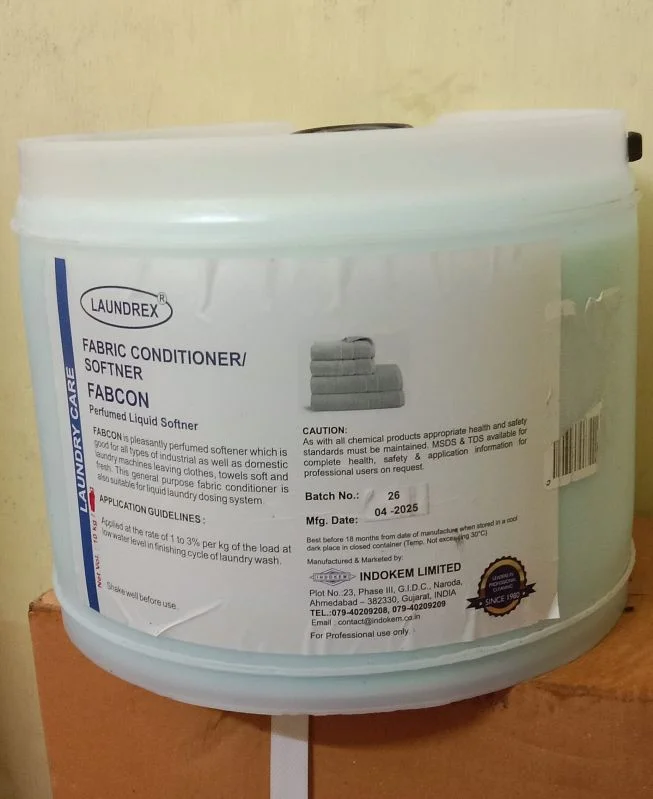
Food grade softening bd120fd
Contact
MOQ: 1 Unit
Iron removal resin bc118
Harbor
Iron removal resin bc118
Contact
MOQ: 1 Unit
Industrial grade softening bc120
Harbor
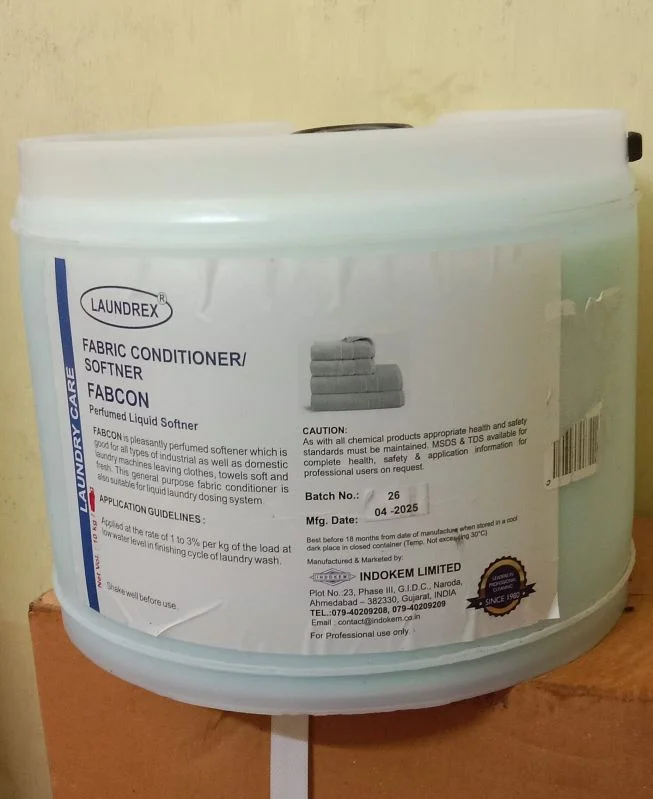
Industrial grade softening bc120
Contact
MOQ: 1 Unit

About Jiangsu Jinkai Resin Chemical Co., Ltd - Fabric Softeners Supplier in China

China is the origin of Jiangsu Jinkai Resin Chemical Co., Ltd, which currently lists five distinct chemical products. The company’s catalogue falls under the fabric softener and water treatment chemical categories. Its product list includes industrial and food‑grade softening agents as well as ion‑exchange resins for iron removal, biodiesel purification, and selective boron capture. All items are identified by internal product codes such as bc120, bc118, bd120fd, bc800, and bd501. The catalogue does not provide HS codes, so the products are generally classified under HS chapter 38 for organic chemicals and HS chapter 39 for polymeric resins.

The industrial grade softening bc120 is a cationic resin intended for textile fabric softening processes, while the food grade softening bd120fd meets food‑contact requirements. Iron removal resin bc118 is an anion exchange resin used in municipal and industrial water treatment to adsorb Fe2+/Fe3+ ions. Biodiesel purification bc800 is a specialized resin for removing glycerol, methanol and catalyst residues from biodiesel streams. Boron selective weak base anion resin bd501 targets boron removal in drinking water or process water applications. These five products represent the full active offering of the supplier as recorded.

Product Range and Specialties of Jiangsu Jinkai Resin Chemical Co., Ltd

Jiangsu Jinkai’s catalogue contains cationic softening resins and several anion exchange resins. In the fabric‑softener market, cationic resins are typically supplied in grades such as IEC 60715 class A or B, with bead diameters between 0.5 mm and 1.2 mm and exchange capacities of 1.2 - 2.0 meq g‑1. Food‑grade variants must comply with FDA 21 CFR Part 177 or EU Regulation 10/2011, limiting residual monomers and heavy metals to ≤10 ppm. Water‑treatment resins for iron removal or boron selectivity are usually weak‑base anion exchangers, specified by selectivity coefficients (e.g., KFe/Cl ≈ 30) and operating pH ranges of 2 - 8. Biodiesel purification resins are often cross‑linked styrene‑divinylbenzene polymers with pore volumes of 0.6 - 0.8 mL g‑1 and are designed to withstand temperatures up to 120 °C.

Typical specifications for these resin types also include a sodium form for regeneration, a moisture content below 8 %, and a bulk density of 0.6 - 0.8 g cm‑3 for efficient column packing. Standard packaging for bulk resin shipments is 25 kg polypropylene bags or 1 ton intermediate bulk containers, compatible with 20‑ft and 40‑ft containers. Buyers often request a certificate of analysis (CoA) that lists ion‑exchange capacity, bead size distribution, and impurity limits.

Trade and Export Information - Jiangsu Jinkai Resin Chemical Co., Ltd

China is a major exporter of ion‑exchange resins and specialty softening agents, with most shipments destined for Southeast Asia, Europe, and North America. The HS chapter 38 (organic chemicals) and chapter 39 (plastics and articles thereof) are commonly used to declare these products, and customs authorities frequently request a Material Safety Data Sheet (MSDS) and compliance with REACH Registration. Export logistics typically employ FOB Shanghai or Ningbo ports, with container loading in standard 20‑ft or 40‑ft units. Buyers should verify that the resin is packed in moisture‑proof bags and that the shipment includes a third‑party testing report for ion‑exchange capacity.

Regulatory expectations for water‑treatment resins often include ISO 9001 quality‑management certification and, for food‑grade softening agents, compliance with FDA or EU food‑contact regulations. Importers in the EU may also need to confirm conformity with the EU Water Framework Directive for iron and boron removal applications. Common incoterms used by Chinese resin exporters are CIF (Cost, Insurance, Freight) to major ports such as Rotterdam, Hamburg, and Los Angeles, allowing buyers to manage customs clearance locally.

Sourcing from Jiangsu Jinkai Resin Chemical Co., Ltd - Buyer Guidance

Prospective buyers should request a current Certificate of Analysis that details exchange capacity, bead size, moisture content, and any residual monomers. For the food‑grade softening resin, a food‑contact compliance statement (e.g., FDA or EU Regulation 10/2011) and a migration test report are standard verification documents. Iron removal and boron selective resins benefit from a third‑party performance test that confirms selectivity coefficients under typical operating pH.

Sample quantities of 1 kg or 5 kg are typical for initial evaluation, and lead times for bulk production in China range from 30 to 45 days after order confirmation, depending on resin type and packaging. Buyers should confirm the resin’s regeneration protocol (e.g., 2 N NaCl for anion resins) and ensure that the shipment includes moisture‑proof liners to preserve resin performance during transport.

Frequently Asked Questions About Jiangsu Jinkai Resin Chemical Co., Ltd

What product codes does Jiangsu Jinkai list for resin products?

The supplier lists five products identified by internal codes: industrial grade softening bc120, iron removal resin bc118, food grade softening bd120fd, biodiesel purification bc800, and boron selective weak base anion resin bd501.

Which resin types are suitable for textile fabric softening?

The industrial grade softening bc120 and the food grade softening bd120fd are cationic exchange resins used to deposit conditioning agents on fabrics; they are typically supplied in IEC class A or B grades.

What are the typical specifications for the iron removal resin bc118?

Iron removal resin bc118 is a weak‑base anion exchange resin with an exchange capacity around 1.5 meq g‑1, bead size 0.8 - 1.0 mm, and operates effectively in pH 2 - 8 for Fe2+/Fe3+ adsorption.

How is biodiesel purification resin bc800 used in practice?

Resin bc800 is a cross‑linked polymer designed to adsorb glycerol, methanol, and catalyst residues from biodiesel; it is usually packed in columns sized for flow rates of 1 - 5 L min‑1 and regenerated with hot methanol washes.

What documentation should be requested for the boron selective resin bd501?

Buyers should ask for a CoA showing the selectivity coefficient for boron (K ≈ 120), moisture content ≤8 %, and a REACH registration dossier confirming compliance with EU chemical regulations.

What packaging and container sizes are typical for these resins?

The resins are generally supplied in 25 kg polypropylene bags, which can be consolidated into 1‑ton intermediate bulk containers and loaded into standard 20‑ft or 40‑ft sea containers.

Which markets commonly import these types of resins from China?

Major import markets include the European Union (especially Germany, the Netherlands, and Italy), the United States, and regional distributors in Southeast Asia such as Singapore and Malaysia, primarily for water‑treatment facilities and textile processing plants.

About Jiangsu Jinkai Resin Chemical Co., Ltd - Fabric Softeners Supplier in China

China is the origin of Jiangsu Jinkai Resin Chemical Co., Ltd, which currently lists five distinct chemical products. The company’s catalogue falls under the fabric softener and water treatment chemical categories. Its product list includes industrial and food‑grade softening agents as well as ion‑exchange resins for iron removal, biodiesel purification, and selective boron capture. All items are identified by internal product codes such as bc120, bc118, bd120fd, bc800, and bd501. The catalogue does not provide HS codes, so the products are generally classified under HS chapter 38 for organic chemicals and HS chapter 39 for polymeric resins.

The industrial grade softening bc120 is a cationic resin intended for textile fabric softening processes, while the food grade softening bd120fd meets food‑contact requirements. Iron removal resin bc118 is an anion exchange resin used in municipal and industrial water treatment to adsorb Fe2+/Fe3+ ions. Biodiesel purification bc800 is a specialized resin for removing glycerol, methanol and catalyst residues from biodiesel streams. Boron selective weak base anion resin bd501 targets boron removal in drinking water or process water applications. These five products represent the full active offering of the supplier as recorded.

Product Range and Specialties of Jiangsu Jinkai Resin Chemical Co., Ltd

Jiangsu Jinkai’s catalogue contains cationic softening resins and several anion exchange resins. In the fabric‑softener market, cationic resins are typically supplied in grades such as IEC 60715 class A or B, with bead diameters between 0.5 mm and 1.2 mm and exchange capacities of 1.2 - 2.0 meq g‑1. Food‑grade variants must comply with FDA 21 CFR Part 177 or EU Regulation 10/2011, limiting residual monomers and heavy metals to ≤10 ppm. Water‑treatment resins for iron removal or boron selectivity are usually weak‑base anion exchangers, specified by selectivity coefficients (e.g., KFe/Cl ≈ 30) and operating pH ranges of 2 - 8. Biodiesel purification resins are often cross‑linked styrene‑divinylbenzene polymers with pore volumes of 0.6 - 0.8 mL g‑1 and are designed to withstand temperatures up to 120 °C.

Typical specifications for these resin types also include a sodium form for regeneration, a moisture content below 8 %, and a bulk density of 0.6 - 0.8 g cm‑3 for efficient column packing. Standard packaging for bulk resin shipments is 25 kg polypropylene bags or 1 ton intermediate bulk containers, compatible with 20‑ft and 40‑ft containers. Buyers often request a certificate of analysis (CoA) that lists ion‑exchange capacity, bead size distribution, and impurity limits.

Trade and Export Information - Jiangsu Jinkai Resin Chemical Co., Ltd

China is a major exporter of ion‑exchange resins and specialty softening agents, with most shipments destined for Southeast Asia, Europe, and North America. The HS chapter 38 (organic chemicals) and chapter 39 (plastics and articles thereof) are commonly used to declare these products, and customs authorities frequently request a Material Safety Data Sheet (MSDS) and compliance with REACH Registration. Export logistics typically employ FOB Shanghai or Ningbo ports, with container loading in standard 20‑ft or 40‑ft units. Buyers should verify that the resin is packed in moisture‑proof bags and that the shipment includes a third‑party testing report for ion‑exchange capacity.

Regulatory expectations for water‑treatment resins often include ISO 9001 quality‑management certification and, for food‑grade softening agents, compliance with FDA or EU food‑contact regulations. Importers in the EU may also need to confirm conformity with the EU Water Framework Directive for iron and boron removal applications. Common incoterms used by Chinese resin exporters are CIF (Cost, Insurance, Freight) to major ports such as Rotterdam, Hamburg, and Los Angeles, allowing buyers to manage customs clearance locally.

Sourcing from Jiangsu Jinkai Resin Chemical Co., Ltd - Buyer Guidance

Prospective buyers should request a current Certificate of Analysis that details exchange capacity, bead size, moisture content, and any residual monomers. For the food‑grade softening resin, a food‑contact compliance statement (e.g., FDA or EU Regulation 10/2011) and a migration test report are standard verification documents. Iron removal and boron selective resins benefit from a third‑party performance test that confirms selectivity coefficients under typical operating pH.

Sample quantities of 1 kg or 5 kg are typical for initial evaluation, and lead times for bulk production in China range from 30 to 45 days after order confirmation, depending on resin type and packaging. Buyers should confirm the resin’s regeneration protocol (e.g., 2 N NaCl for anion resins) and ensure that the shipment includes moisture‑proof liners to preserve resin performance during transport.

Frequently Asked Questions About Jiangsu Jinkai Resin Chemical Co., Ltd
What product codes does Jiangsu Jinkai list for resin products?
The supplier lists five products identified by internal codes: industrial grade softening bc120, iron removal resin bc118, food grade softening bd120fd, biodiesel purification bc800, and boron selective weak base anion resin bd501.
Which resin types are suitable for textile fabric softening?
The industrial grade softening bc120 and the food grade softening bd120fd are cationic exchange resins used to deposit conditioning agents on fabrics; they are typically supplied in IEC class A or B grades.
What are the typical specifications for the iron removal resin bc118?
Iron removal resin bc118 is a weak‑base anion exchange resin with an exchange capacity around 1.5 meq g‑1, bead size 0.8 - 1.0 mm, and operates effectively in pH 2 - 8 for Fe2+/Fe3+ adsorption.
How is biodiesel purification resin bc800 used in practice?
Resin bc800 is a cross‑linked polymer designed to adsorb glycerol, methanol, and catalyst residues from biodiesel; it is usually packed in columns sized for flow rates of 1 - 5 L min‑1 and regenerated with hot methanol washes.
What documentation should be requested for the boron selective resin bd501?
Buyers should ask for a CoA showing the selectivity coefficient for boron (K ≈ 120), moisture content ≤8 %, and a REACH registration dossier confirming compliance with EU chemical regulations.
What packaging and container sizes are typical for these resins?
The resins are generally supplied in 25 kg polypropylene bags, which can be consolidated into 1‑ton intermediate bulk containers and loaded into standard 20‑ft or 40‑ft sea containers.
Which markets commonly import these types of resins from China?
Major import markets include the European Union (especially Germany, the Netherlands, and Italy), the United States, and regional distributors in Southeast Asia such as Singapore and Malaysia, primarily for water‑treatment facilities and textile processing plants.

🏭
Jiangsu Jinkai Resin Chemical Co., Ltd
Country flag , China
Harbor
55/100
Trust Score
📦
5
Products
Free to contact — no commission
Escrow payment available
Verified business identity
Compare more suppliers
Post a requirement — get 10 quotes free
Let verified suppliers compete for your business. Free, fast, no commitment.
EximNext Verified Supplier
Business identity verified
Physical address confirmed
Financial history checked
Certifications authenticated
Trade references validated
Due Diligence
Verify this supplier's real shipping history.
Every shipment, every buyer, every port. Trade data that can't be faked.
Run due diligence →
Discover More

Related Suppliers & Products

Explore similar suppliers, related products and trending categories

Featured Products from this Supplier

Other Suppliers in Primary Category

Top Trusted Suppliers

Related Products

Trending in Parent Category

More Suppliers in Category

Stay ahead in global trade
Weekly market insights & new supplier alerts.
EximNext
Exim Next is a leading global B2B marketplace, connecting over 205,000 verified suppliers and buyers across 200+ countries. As a trusted import export marketplace, it serves as the essential B2B portal for businesses worldwide, empowering them to expand their international reach. With Exim Next, businesses can trade smarter and grow faster.
SECURE PAYMENTS
VISAMastercardPayPalSWIFTL/CEscrow
Follow us
© 2026 EximNext