Agriculture›
 Apparel and fashion accessories›
 Construction & real estate›💡Electronic & Electrical›🍎Food & Beverages›🛋️Home furnishing & supplies›⚗️Industrial goods & chemical›🪨Minerals & metals›📦Miscellaneous›Agriculture›Apparel and fashion accessories›Construction & real estate›💡Electronic & Electrical›🍎Food & Beverages›🛋️Home furnishing & supplies›⚗️Industrial goods & chemical›🪨Minerals & metals›📦Miscellaneous›
Jiangsu Hjh Tech Co., Ltd.
⚓ Harbor , ChinaNew supplier / no reviews yet
Jiangsu Hjh Tech Co., Ltd. Product Catalog

About Jiangsu Hjh Tech Co., Ltd. - Construction Materials Supplier in China
Jiangsu Hjh Tech Co., Ltd. is based in China and currently lists five active products. The catalogue spans construction materials, silicon sealants, double‑sided tape, waterproofing material and industrial chemicals. Within the construction‑materials segment the company offers a talc‑based plumber’s putty classified under HS chapter 32, specifically HS code 3214.10. The other four items - butyl caulk sealant, double‑sided butyl tape, waterproofing material and butyl pads - belong to the broader polymer product categories typically recorded under HS 3506‑99, although no specific HS codes are supplied in the source data. All products are formulated with butyl rubber or related polymers, which are common in moisture‑resistant sealing applications. The supplier’s “harbor” trust tier indicates it is listed on a major B2B platform with verified business information.
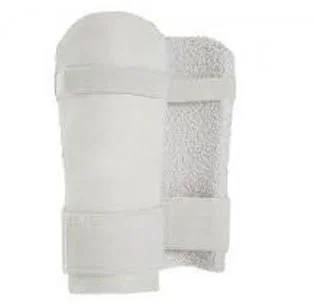
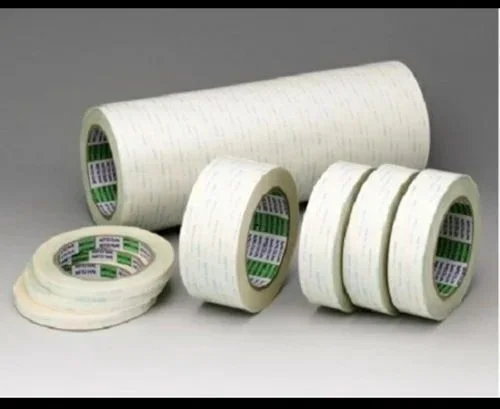
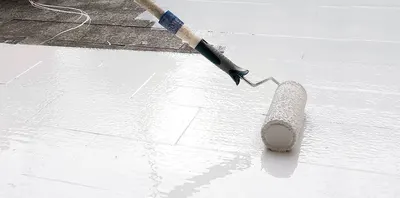
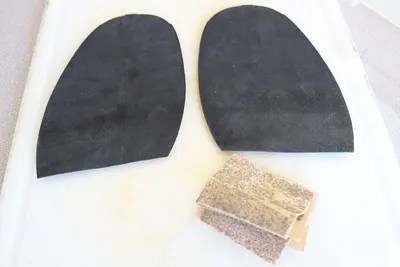
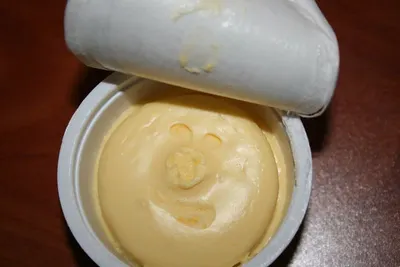
The plumber’s putty is described as a talc‑based compound blended with a linseed‑oil binder, a formulation frequently used for pipe and fixture sealing in residential and commercial plumbing. The butyl caulk sealant is a polymeric sealant designed for airtight and watertight joints, while the double‑sided butyl tape provides pressure‑sensitive adhesion for roofing and glazing. The waterproofing material, listed without further detail, is likely a sheet or liquid system based on butyl or modified bitumen, and the butyl pads are solid blocks used as gasket or vibration‑damping components. Each product falls under the broader construction‑materials category and is intended for industrial, commercial or DIY applications that require durability against water and temperature variations.
Product Range and Specialties of Jiangsu Hjh Tech Co., Ltd.
The catalogue includes plumber’s putty (HS 3214.10, talc‑based with linseed oil), butyl caulk sealant, double‑sided butyl tape, a generic waterproofing material and butyl pads. In the sealant market, butyl‑based products are graded by tensile strength (typically 2‑5 MPa), elongation at break (300‑600 %), and water absorption below 0.5 %. Silicone sealants, while not listed, are often compared using ASTM C920 performance classes (A‑D). Double‑sided tapes are evaluated by peel adhesion (usually 1‑5 N/25 mm) and shear strength (0.5‑2 MPa). Waterproofing membranes are classified by ASTM D226 for liquid‑applied systems or ASTM D1970 for sheet membranes, with typical sheet thicknesses of 1‑3 mm and tensile strengths above 5 MPa. Buyers of butyl pads usually check compression set (≤30 % after 24 h) and density (0.9‑1.1 g/cm³).
Frequently Asked Questions About Jiangsu Hjh Tech Co., Ltd.
What construction‑material products does Jiangsu Hjh Tech list?
The supplier lists plumber’s putty (talc‑based with linseed oil, HS 3214.10), butyl caulk sealant, double‑sided butyl tape, a waterproofing material and butyl pads.
Is an HS code provided for all products?
Only the plumber’s putty includes an HS code (3214.10) in the source data; the other items fall under broader polymer categories such as HS 3506‑99, but specific codes are not supplied.
Which certifications should a buyer request for these sealants and tapes?
Buyers should request ISO 9001 quality‑management certification, REACH registration for chemical safety, and any applicable ASTM test reports (e.g., ASTM D2000, ASTM C920) that verify performance specifications.
What typical specifications are used to assess butyl caulk sealant?
Performance is usually measured by tensile strength (2‑5 MPa), elongation at break (300‑600 %), water absorption (<0.5 %), and cure time (typically 24 h at 23 °C).
How are double‑sided butyl tapes evaluated?
Key parameters include peel adhesion (1‑5 N/25 mm), shear strength (0.5‑2 MPa), temperature resistance (‑40 °C to +120 °C) and thickness (0.2‑0.5 mm).
ChinaRelated Suppliers & Products
Explore similar suppliers, related products and trending categories