Agriculture›
 Apparel and fashion accessories›
 Construction & real estate›💡Electronic & Electrical›🍎Food & Beverages›🛋️Home furnishing & supplies›⚗️Industrial goods & chemical›🪨Minerals & metals›📦Miscellaneous›Agriculture›Apparel and fashion accessories›Construction & real estate›💡Electronic & Electrical›🍎Food & Beverages›🛋️Home furnishing & supplies›⚗️Industrial goods & chemical›🪨Minerals & metals›📦Miscellaneous›
Ji'nan hanteng Laser Technology Co., Ltd
⚓ Harbor , ChinaNew supplier / no reviews yet
Ji'nan hanteng Laser Technology Co., Ltd Product Catalog
About Ji'nan hanteng Laser Technology Co., Ltd - Laser Equipments & Products Supplier in China
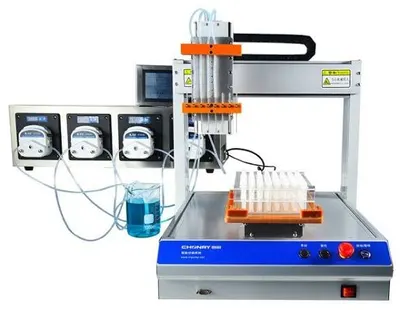
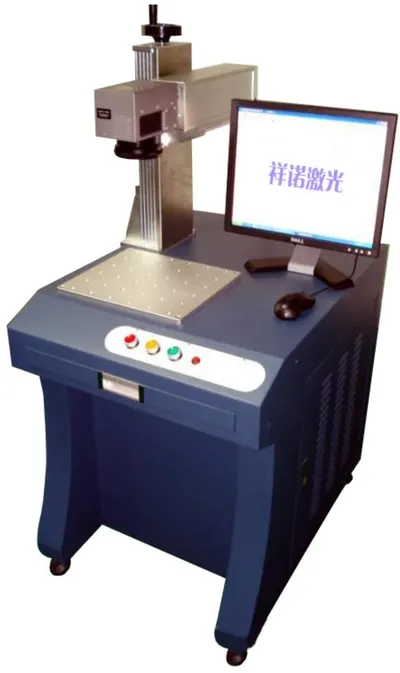
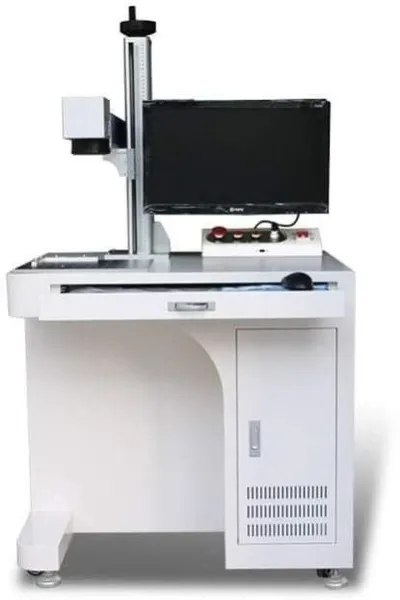
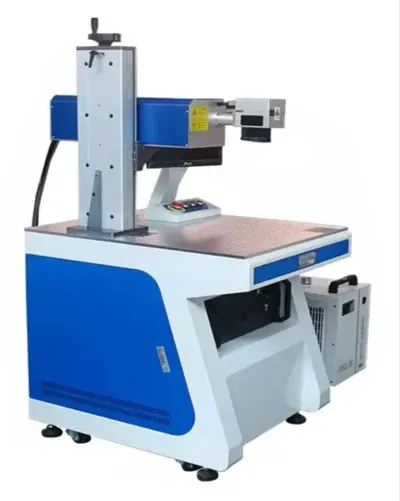
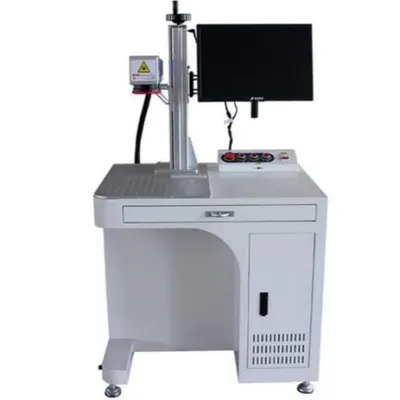
China‑based Ji'nan hanteng Laser Technology Co., Ltd lists six active laser marking products in its catalogue. The portfolio includes mini enclosed fiber laser marking machines, portable mini fiber laser units, desktop fiber laser systems, mini CO₂ laser marking machines, UV laser engraving machines, and desktop CO₂ laser marking equipment. Each item is positioned for precision marking on a range of substrates, from metals to plastics, using different laser sources. The supplier’s catalogue groups the machines by laser type - fiber, CO₂ and UV - reflecting the common segmentation in the laser equipment market.
The six machines cover both compact portable solutions and larger desktop units, addressing applications such as component traceability, decorative engraving and permanent marking. Fiber laser models operate at 1064 nm wavelength, suitable for metal marking, while CO₂ lasers work at 10.6 µm for organic materials. The UV laser unit, typically at 355 nm, enables fine marking on glass, semiconductor wafers and plastics without surface damage. The product set aligns with standard industry classifications for laser marking equipment.
Product Range and Specialties of Ji'nan hanteng Laser Technology Co., Ltd
Ji'nan hanteng’s catalogue features mini enclosed fiber laser marking machines, portable mini fiber units, desktop fiber systems, mini CO₂ laser marking machines, UV laser engraving machines, and desktop CO₂ laser marking machines. Fiber lasers in this segment commonly deliver output powers between 20 W and 150 W, providing high beam quality for metal and polymer marking. CO₂ laser models usually range from 30 W to 120 W, suitable for engraving wood, acrylic, leather and cardboard. UV laser engravers are often rated at 10 W to 30 W, delivering short‑pulse operation for high‑resolution marking on delicate substrates.
Typical specifications buyers look for include wavelength, maximum marking speed (mm/s), minimum line width (µm), and compatible material thickness. Many manufacturers offer interchangeable marking heads, CNC control interfaces, and safety interlocks. The listed desktop units generally fit on a standard workbench and are shipped in wooden crates, while the mini portable models are designed for field use with battery or low‑voltage power supplies.
Frequently Asked Questions About Ji'nan hanteng Laser Technology Co., Ltd
What laser marking products are listed by Ji'nan hanteng Laser Technology?
The catalogue includes six models: Mini Enclosed Fiber Laser Marking Machine, Mini Fiber Laser Marking Machine Portable, Desktop Fiber Laser Marking Machine, Mini CO₂ Laser Marking Machine, UV Laser Marking Engraving Machine and Desktop CO₂ Laser Marking Machine.
Which laser types are covered in the product range?
The range covers fiber lasers (1064 nm), CO₂ lasers (10.6 µm) and UV lasers (typically 355 nm), each suited to different material classes such as metals, plastics, wood and glass.
What power levels are typical for the fiber laser models?
Fiber laser marking machines in this segment usually provide output powers from 20 W up to 150 W, enabling high‑speed marking on metal surfaces while maintaining fine line quality.
Are certifications such as CE or FCC available for these machines?
The supplier’s standard offering can include CE marking for EU markets and FCC compliance for the United States, but buyers should request the specific certificates for each model before purchase.
What packaging and shipping format is used for the desktop laser units?
Desktop units are packed in wooden crates with anti‑static foam inserts, and are typically shipped in 20‑ft containers under FOB or CIF terms.
ChinaRelated Suppliers & Products
Explore similar suppliers, related products and trending categories