Iro Surfactant Co., Ltd. — Supplier
About Iro Surfactant Co., Ltd. - Cosmetic Chemicals Supplier in China
Iro Surfactant Co., Ltd. is based in China and lists seven active products across the cosmetic, detergent and broader industrial chemicals segments. The catalogue includes Alkyl PolyGlycosides (APG), Coconut Diethanolamide (CDEA), two polysorbate grades (Tween‑80 and Tween‑85) and three sorbitan ester grades (Span‑80, Span‑85 and Span‑20). All items fall under the HS chapter 29 (organic chemicals) and chapter 38 (miscellaneous chemical products) families that are typical for surfactants and emulsifiers. The supplier is classified as an imported tier with a harbor trust rating, indicating that it participates in cross‑border trade channels. Each product is identified by its chemical name only; no additional specifications or certifications are listed in the supplied data.
The product set reflects common surfactant families used in personal care, household cleaning and process chemistry. Alkyl PolyGlycosides are non‑ionic, biodegradable surfactants derived from fatty alcohols and glucose; CDEA is a fatty acid diethanolamide used as a foam booster and viscosity modifier; Tween series are polysorbate emulsifiers with high hydrophilic‑lipophilic balance (HLB) values; Span series are sorbitan esters with low HLB values for water‑in‑oil systems. Buyers typically encounter these chemicals under HS codes 2905.90 (other organic surface‑active agents) and 3824.90 (chemical preparations).
Product Range and Specialties of Iro Surfactant Co., Ltd.
The seven listed products cover the full spectrum of non‑ionic surfactants frequently specified in cosmetic and detergent formulations. Alkyl PolyGlycosides are offered in degrees of ethoxylation that correspond to carbon chain lengths of C10‑C16 and average ethoxylate numbers of 5‑10, delivering HLB values between 12 and 15. Coconut Diethanolamide is supplied as a clear liquid with typical purity above 95 % and a fatty acid composition dominated by C12‑C14 chains. Tween‑80 (Polysorbate 80) and Tween‑85 (Polysorbate 85) are supplied with HLB values of approximately 15 and 11 respectively, and are commonly graded for pharmaceutical‑grade purity (>99 %). Span‑80, Span‑85 and Span‑20 are sorbitan esters with HLB values of 4.3, 1.8 and 8.6, and are usually offered in grades suitable for oil‑in‑water emulsions.
Trade and Export Information - Iro Surfactant Co., Ltd.
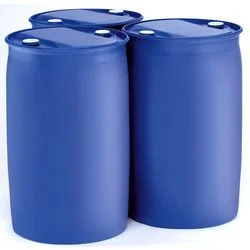
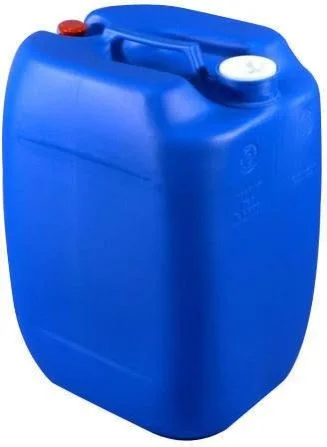
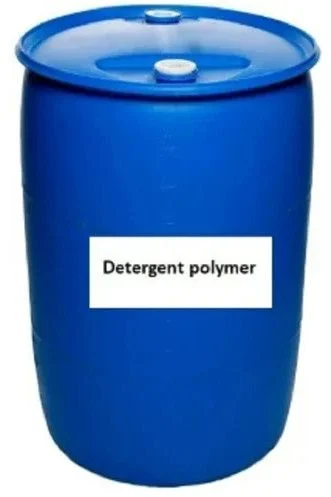
China is one of the world’s largest exporters of surfactants, with the majority of shipments destined for the United States, the European Union, Japan and Southeast Asian markets. Export transactions for APG, polysorbates and sorbitan esters typically use HS codes 2905.90 and 3824.90, and are subject to customs documentation that includes a full Material Safety Data Sheet (SDS) and, where required, a REACH registration number for EU imports. Buyers often request ISO 9001 quality‑management certification, REACH compliance certificates, and, for cosmetics‑grade materials, proof of conformity with the EU Cosmetics Regulation (Regulation EC 1223/2009) or US FDA GRAS status. Shipping is usually performed in 25 kg drums, 1‑ton intermediate bulk containers (IBCs) or bulk tankers for volumes exceeding 10 tons, with common Incoterms such as FOB Shanghai or CIF Rotterdam.
Logistical considerations include the need for temperature‑controlled containers for products sensitive to hydrolysis, and the use of double‑wall drums for high‑purity grades. Importers in the EU must also anticipate possible inspections under the EU Rapid Alert System for non‑food products (RASFF) if the surfactant is intended for cosmetic use.
Sourcing from Iro Surfactant Co., Ltd. - Buyer Guidance
When sourcing from Iro Surfactant Co., Ltd., buyers should request a current Certificate of Analysis (CoA) that details purity, HLB value, moisture content and any residual solvents. A complete SDS, REACH registration evidence (for EU shipments) and, where applicable, a declaration of compliance with FDA or EU cosmetic regulations should be obtained before contract finalisation. Sample sizes of 500 g to 1 kg are typical for laboratory evaluation of emulsification performance and foaming characteristics.
Typical minimum order quantities for bulk surfactants range from 500 kg to 1 ton, with lead times of 4‑6 weeks after receipt of a signed purchase order and required documentation. Buyers are advised to verify packaging integrity, especially for drum seals, and to confirm that the shipment will be labeled according to HS code 2905.90 or 3824.90 as appropriate.
Frequently Asked Questions About Iro Surfactant Co., Ltd.
What surfactant grades does Iro Surfactant Co., Ltd. list in its catalogue?
The catalogue includes Alkyl PolyGlycosides (APG), Coconut Diethanolamide (CDEA), Tween‑80, Tween‑85, Span‑80, Span‑85 and Span‑20.
Which HS codes are relevant for these products?
These surfactants are generally classified under HS 2905.90 for organic surface‑active agents and HS 3824.90 for chemical preparations, depending on the specific formulation.
What technical specifications should a buyer request for APG?
Buyers should request the average ethoxylation number, carbon chain length (e.g., C10‑C16), purity percentage (typically >95 %), HLB range (12‑15) and a full Certificate of Analysis.
Are safety data sheets required for import?
Yes, a complete Material Safety Data Sheet (SDS) complying with the GHS standard is required for customs clearance and workplace safety.
Which certifications are commonly required for cosmetic‑grade surfactants from China?
Importers usually require REACH registration, ISO 9001 quality‑management certification, and evidence of compliance with the EU Cosmetics Regulation or US FDA GRAS status, depending on the target market.
What are typical packaging options for bulk orders?
Bulk orders are commonly shipped in 25 kg steel drums, 1‑ton IBCs, or bulk tankers for volumes above 10 tons, with double‑wall construction for high‑purity grades.
What is a realistic lead time for a new order?
Lead times of 4 to 6 weeks are typical after the purchase order is confirmed and required documentation is received.
How can a buyer verify product purity before a large shipment?
Request a preliminary Certificate of Analysis and, if needed, arrange a third‑party laboratory test on a pre‑shipment sample to confirm purity, moisture content and HLB value.




 , China