Agriculture›
 Apparel and fashion accessories›
 Construction & real estate›💡Electronic & Electrical›🍎Food & Beverages›🛋️Home furnishing & supplies›⚗️Industrial goods & chemical›🪨Minerals & metals›📦Miscellaneous›Agriculture›Apparel and fashion accessories›Construction & real estate›💡Electronic & Electrical›🍎Food & Beverages›🛋️Home furnishing & supplies›⚗️Industrial goods & chemical›🪨Minerals & metals›📦Miscellaneous›
Ikigai Exports Product Catalog
About Ikigai Exports - Coir Products Supplier in India
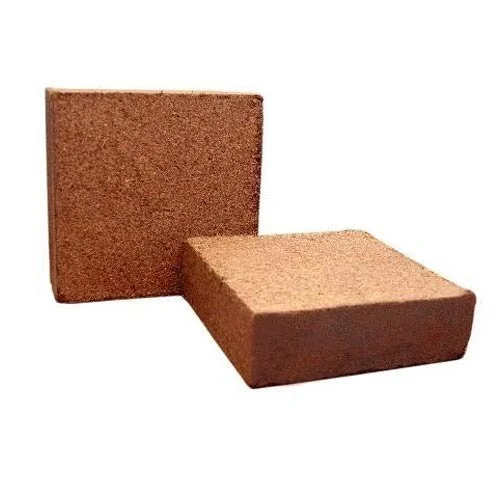
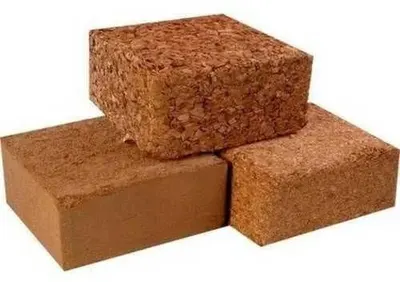
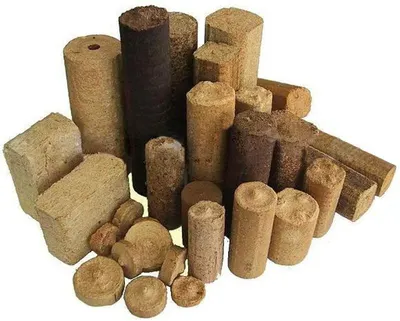
India lists seven active coir‑based items under Ikigai Exports. The catalogue includes block‑form coir pith (5 kg), 650 g pith bricks, husk chips in both block and brick sizes, seed‑germination discs, woven geotextiles, and raw coir logs. Each entry falls under the broader “Coco Peat & Coir Pith” and “Other Coir Products” categories, reflecting typical horticultural and geotechnical applications. The product titles align with standard industry descriptors used for export listings, and the HS‑code family for such goods is generally Chapter 14, heading 1404, which covers coir and related natural fibers.
The supplier’s trust tier is listed as “harbor,” indicating a mid‑level verification level in the platform’s rating system. No additional corporate history, employee numbers, or revenue figures are provided, limiting the factual scope to the product count and categories. All listed items are physically distinct (blocks, bricks, chips, discs, textiles, logs) and are commonly shipped in bulk bags or bundled rolls. This factual snapshot gives buyers a clear view of the exact product set offered by Ikigai Exports.
Product Range and Specialties of Ikigai Exports
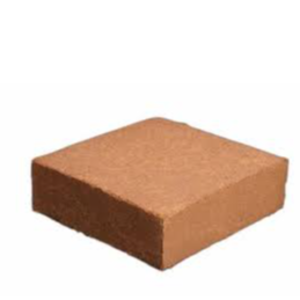
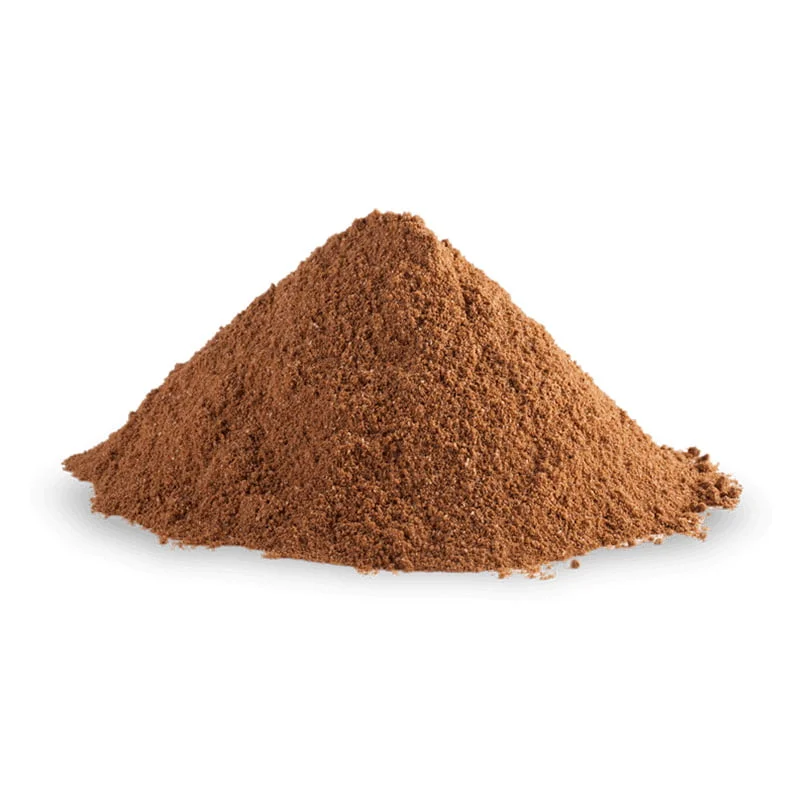
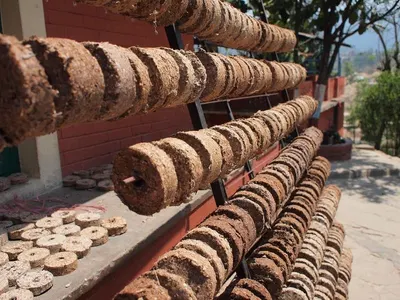
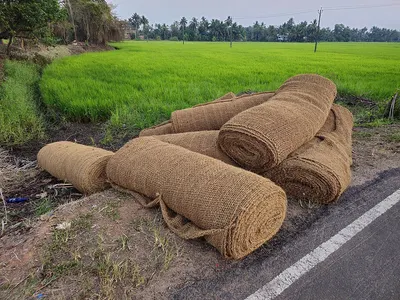
Ikigai Exports provides five formats of coir pith - 5 kg blocks, 650 g bricks, and two variations of husk chips - plus disc‑shaped seed‑germination coins, woven geotextile sheets, and untreated coir logs. In the horticultural market, coir pith is typically graded by bulk density (0.18‑0.25 g cm⁻³) and moisture content (8‑12 %). Husk chips are often sized between 2‑6 mm and used for substrate mixes or mulching. Seed‑germination discs are cut to a standard 20 mm diameter and marketed for rapid sprouting tests. Geotextiles are woven from coir fibers with tensile strengths around 10‑15 MPa, suitable for erosion control, while logs are raw coir trunks trimmed to lengths of 1‑2 m for landscaping or bio‑fuel preprocessing.
Industry practice for coir products from India includes grading according to ICUMSA‑type purity for pith, and ISO‑tested moisture limits for all bulk forms. Buyers frequently request material safety data sheets (MSDS) and phytosanitary certificates, especially when the product will enter regulated agricultural zones. The catalogue’s product mix mirrors the typical export portfolio of Indian coir processors, who supply both horticultural substrates and civil‑engineering textiles.
Frequently Asked Questions About Ikigai Exports
What coir product formats does Ikigai Exports offer?
The catalogue lists 5 kg coir pith blocks, 650 g pith bricks, 5 kg husk‑chip blocks, 650 g husk‑chip bricks, seed‑germination discs, woven geotextile sheets, and raw coir logs.
What moisture content is typical for the coir pith products?
Coir pith exported from India is usually dried to a moisture range of 8‑12 % by weight, which is the standard for horticultural substrates.
Which certifications should a buyer request before purchasing?
Buyers should request an ISO 9001 quality‑management certificate, an FSC chain‑of‑custody statement if sustainability is required, and a phytosanitary certificate for agricultural shipments.
How are the products packaged for international shipment?
Blocks and chips are packed in polypropylene‑lined 5 kg bags, bricks in sturdy cardboard cartons, discs in bulk bags, and geotextiles in rolled bundles sealed with tape.
What is the typical minimum order quantity and lead time?
Most Indian coir exporters set a minimum order of around 500 kg per product type, with a standard lead time of 15‑25 working days after order confirmation and sample approval.
 India
Related Suppliers & Products
Explore similar suppliers, related products and trending categories