Idilia — Supplier
About Idilia - Kitchenware & Cooking Supplier in Ukraine
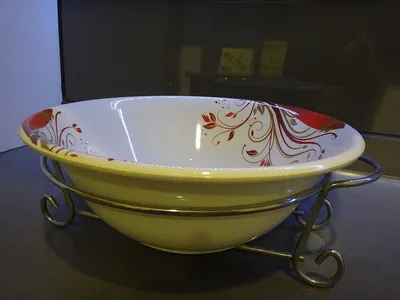
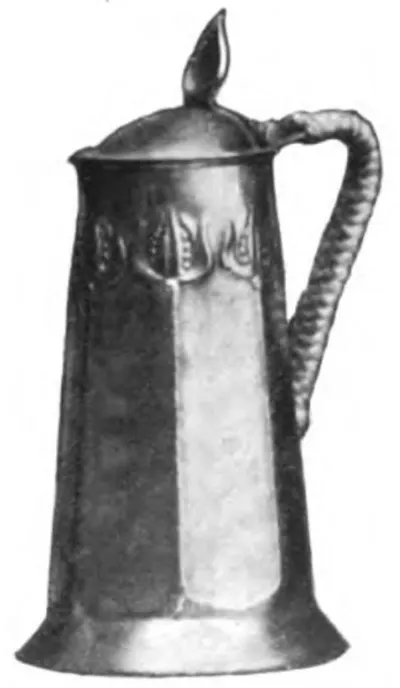
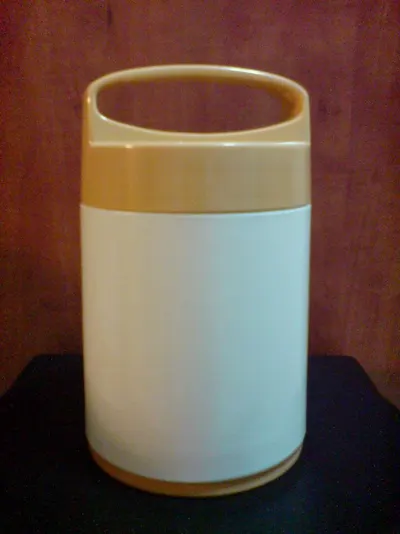
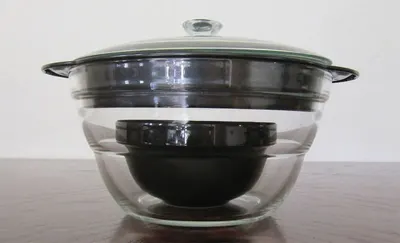
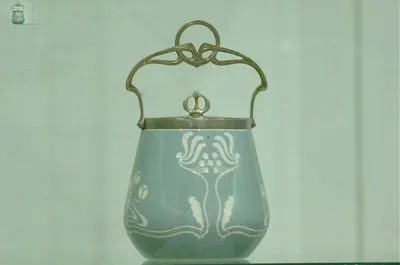
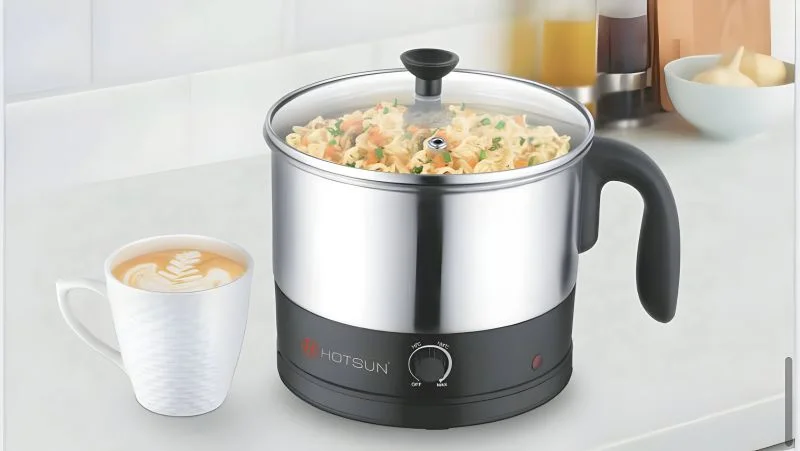
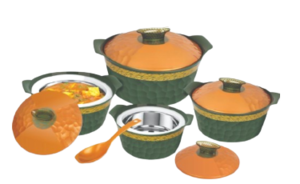
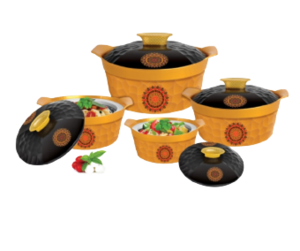
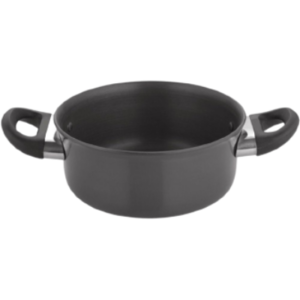
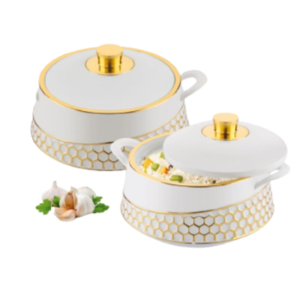
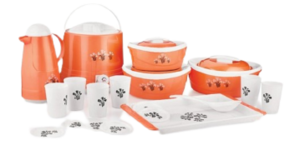
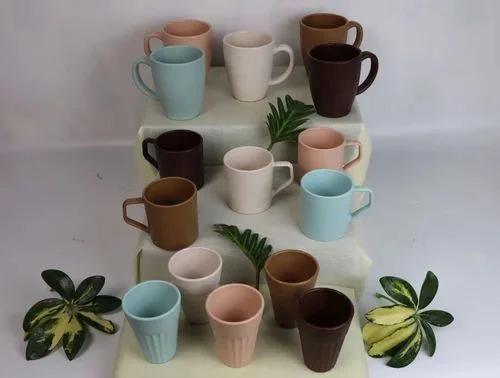
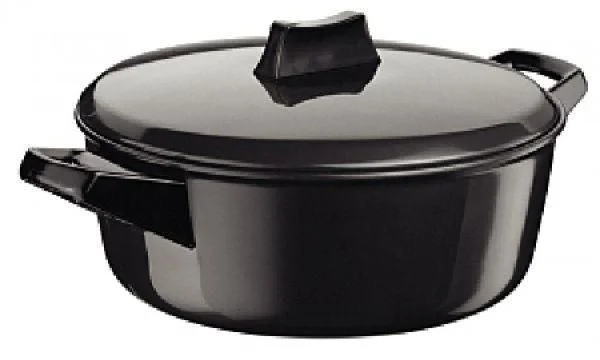
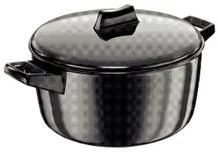
Idilia is based in Ukraine and lists seven active products in its catalogue. The company’s portfolio falls under the Kitchenware & Cooking segment and includes items such as Bowls, Mugs, a Kettle, a Cylindrical Pot with Enamel Lid, a Tank with Lid (without decor), a Spherical Pot with Glass Lid, and a Pear‑Shaped Pot with Hollow Handles and Lid. Each product is presented without additional specifications in the source data, but the range covers both table‑service pieces and cooking vessels. The catalogue is organized under three top categories - Kitchenware & Cooking, Serving Bowls, and Tea & Coffee Mugs - which together represent the full set of seven items.
Product Range and Specialties of Idilia
The listed items comprise typical household and commercial kitchenware. Bowls and mugs are commonly produced from ceramic or porcelain with a glaze meeting FDA or EU food‑contact regulations, while kettles and pots are often made of enamel‑coated steel or stainless steel to provide heat resistance and durability. Enamel lids and glass lids indicate a combination of metal bodies with protective coatings, a standard approach for heat‑retaining vessels. In the broader market, such products are offered in standard capacities ranging from 200 ml for small mugs to 2 - 5 l for larger pots, with wall thicknesses measured in millimetres and weight specifications expressed in kilograms per unit. Buyers usually look for ISO‑9001 quality management certification and compliance with REACH or LFGB standards for metal and ceramic items.
Trade and Export Information - Idilia
Ukraine exports a notable volume of metal‑based and ceramic kitchenware to the European Union, the Middle East, and North‑African markets. Products similar to Idilia’s catalogue fall under HS Chapter 69 (ceramic tableware, e.g., HS 6912) and Chapter 73 (metal tableware, e.g., HS 7323). Importers typically require conformity to EU Regulation 1935/2004 for food‑contact materials, as well as documentation such as a CE Declaration of Conformity or an FDA Food Contact Material (FCM) certificate. Shipping is usually arranged in 20‑ft or 40‑ft containers with goods packed in cardboard boxes or wooden crates, and Incoterms such as FOB or CIF are common. Ukrainian exporters often work with freight forwarders familiar with customs procedures for these HS codes, ensuring that labeling, country‑of‑origin marks, and safety data sheets accompany each shipment.
Sourcing from Idilia - Buyer Guidance
When sourcing from Idilia, buyers should request material safety data sheets (MSDS) and any available food‑contact compliance certificates for ceramic glaze or enamel coating. Samples should be inspected for glaze uniformity, lead‑free status, and lid sealing performance; a standard test report for lead and cadmium limits (e.g., ≤0.1 mg kg⁻¹) is typical. Verify the supplier’s production process against ISO‑9001 or similar quality‑management systems and confirm packaging dimensions and container loading plans before placing an order. Clarifying the minimum order quantity, lead time for production, and the preferred Incoterm will help align expectations and reduce logistical risk.
Frequently Asked Questions About Idilia
What material are Idilia’s bowls and mugs made from?
The catalogue does not specify, but bowls and mugs in this segment are usually ceramic or porcelain with a food‑grade glaze that meets FDA or EU food‑contact standards.
Are the kettle and pots enamel‑coated?
The product names indicate an enamel lid for the cylindrical pot and an enamel coating on the kettle body, which is common for heat‑resistant metal cookware.
Which HS codes apply to Idilia’s kitchenware?
Typical HS codes for similar items are 6912 for ceramic tableware and 7323 for enamel‑coated metal cookware, but the exact code depends on the final material composition.
What certifications should a buyer request?
Request any food‑contact compliance certificates (FDA, EU 1935/2004, LFGB), an ISO‑9001 quality‑management certificate, and test reports for lead and cadmium limits.
How are the products packaged for export?
Exporters usually pack individual items in cardboard boxes, group them on pallets, and load them into 20‑ft or 40‑ft containers, with protective wrapping for glass lids.
What are typical lead times and minimum order quantities?
Lead times for kitchenware of this type range from 30 to 60 days after sample approval, and minimum order quantities often start at a few hundred units per SKU, depending on the item.
Which markets import Ukrainian kitchenware most frequently?
The European Union, the Middle East, and North‑African countries are the primary import destinations for Ukrainian‑made ceramic and enamel cookware.
What Incoterms are commonly used for these shipments?
Buyers and suppliers commonly agree on FOB (Free on Board) or CIF (Cost, Insurance, Freight) terms for containerized kitchenware shipments.




 , Ukraine