Hebei Lianrun Auto Parts Co., Ltd — Verified Supplier
About Hebei Lianrun Auto Parts Co., Ltd - Air Filters Supplier in China
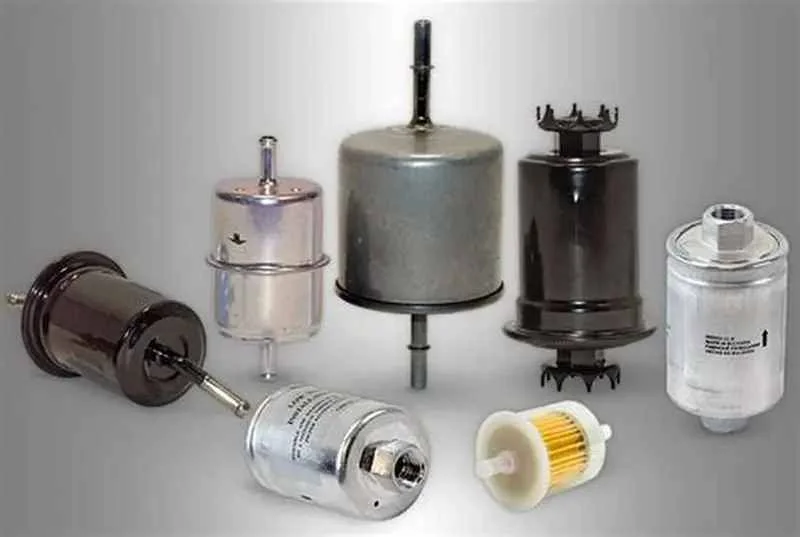
China hosts a supplier that currently lists seven distinct filter products. The catalogue is organised under the top categories “Air Filters” and “Industrial Filters”, covering both automotive and appliance‑type filtration solutions. Products include a generic Car Filter, a Car Air Conditioner Filter specified for a BMW part number, a gasoline filter marketed as low‑cost, a gasoline filter element for Beiqi Weiwang vehicles, a Filter Box designed for vehicle air purifiers, and two air‑purifier filters intended for Xiaomi and Levoit home units. Each entry is presented without additional specifications such as HS codes or certifications, reflecting the supplier’s focus on a concise product set.
The seven items are grouped by function rather than by detailed technical parameters. Automotive entries target engine intake and cabin air systems, while the air‑purifier items address consumer indoor air quality devices. No further product attributes such as micron ratings, filter media composition, or performance standards are supplied in the catalogue.
Product Range and Specialties of Hebei Lianrun Auto Parts Co., Ltd
The catalogue covers two main segments: automotive filtration (car intake, gasoline, and cabin air conditioner filters) and household air‑purifier filters. In the automotive sector, filters are typically manufactured from cellulose, synthetic fibers, or a blend of both, with performance measured by filtration efficiency (often 95 % + for particles ≥10 µm) and pressure drop values expressed in Pa. Gasoline filters frequently conform to ISO 5011 or OEM‑specific flow‑rate requirements, while cabin air filters may incorporate activated carbon layers for odor control. Household air‑purifier filters are commonly classified by MERV or HEPA ratings, with HEPA‑type media achieving 99.97 % capture of 0.3 µm particles. Buyers frequently request data on filter media composition, rated airflow (CFM), and service life expressed in months or operating hours.
Trade and Export Information - Hebei Lianrun Auto Parts Co., Ltd
China is one of the world’s largest exporters of automotive and industrial filters, with the majority of shipments classified under HS Chapter 84 (8421.30 - air or gas filters). Typical destination markets include Europe, North America, and Southeast Asia, where automotive manufacturers and aftermarket distributors source filters to meet OEM specifications. Export transactions usually require compliance with ISO 9001 quality management and, for automotive OEM supply, IATF 16949 certification, although the supplier’s own certification status is not listed. Common Incoterms for bulk filter shipments are FOB Shanghai or CIF destination ports, and containers are packed in cardboard boxes or bulk pallets, allowing 20‑ft or 40‑ft containers to carry several hundred units depending on packaging density.
Sourcing from Hebei Lianrun Auto Parts Co., Ltd - Buyer Guidance
When sourcing from this supplier, buyers should request a product data sheet that includes filtration efficiency, pressure drop, media type, and dimensions. Independent test reports (e.g., from SGS or Intertek) confirming compliance with ISO 5011 for gasoline filters or MERV/HEPA standards for indoor air purifier filters are standard verification tools. Buyers are advised to ask for the supplier’s ISO 9001 or IATF 16949 certificates, as well as any material safety data sheets (MSDS) for the filter media, to ensure regulatory compliance in the destination market. Sampling is typically arranged on a small‑quantity basis, with lead times of 15‑30 days for prototype units and bulk production lead times of 45‑60 days, subject to order volume and packaging requirements.
Frequently Asked Questions About Hebei Lianrun Auto Parts Co., Ltd
What types of filters does Hebei Lianrun Auto Parts Co., Ltd list in its catalogue?
The supplier lists seven products, including a generic car filter, a BMW‑specified cabin air conditioner filter, two gasoline filters (one generic low‑cost version and one Beiqi Weiwang element), a vehicle‑purifier filter box, and two household air‑purifier filters for Xiaomi and Levoit devices.
Under which HS code family are these filters likely classified for export?
Filters of this kind are normally classified under HS Chapter 84, specifically heading 8421.30, which covers air or gas filters for industrial, automotive, or domestic use.
What performance specifications should a buyer request for the automotive gasoline filters?
Buyers should request ISO 5011 flow‑rate data, filtration efficiency for particles ≥10 µm, pressure drop (Pa), and dimensions. Confirmation of compliance with the vehicle manufacturer’s OEM filter specifications is also typical.
Which certifications are commonly required for automotive filter suppliers in China?
International buyers often require ISO 9001 quality‑management certification and, for OEM supply chains, IATF 16949. Environmental compliance such as REACH registration may also be requested.
What quality tests are standard for the household air‑purifier filters?
Standard tests include MERV or HEPA rating determination, particle capture efficiency at 0.3 µm, airflow resistance (CFM), and durability testing over the advertised service life.
What are typical packaging and shipping formats for these filters?
Filters are usually packed in cardboard boxes or bulk pallets, allowing consolidation into 20‑ft or 40‑ft containers. FOB Shanghai or CIF destination ports are the common Incoterms used for Chinese filter exporters.
What documentation should a buyer verify before placing a bulk order?
Buyers should verify product data sheets, independent test reports, ISO 9001/IATF 16949 certificates, MSDS for filter media, and any required customs documentation such as commercial invoices and packing lists.
Is a minimum order quantity (MOQ) specified for these filter products?
The catalogue does not state an MOQ; however, Chinese filter exporters typically set MOQs ranging from 500 to 5 000 units per model, depending on the product’s packaging and production batch size.




 , China