Hebei Jingya Technology Co., Ltd — Supplier
About Hebei Jingya Technology Co., Ltd - Chemicals & Allied Products Supplier in China
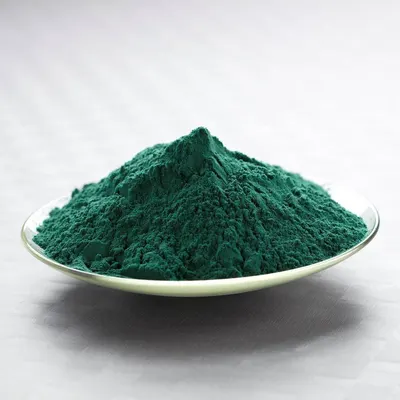
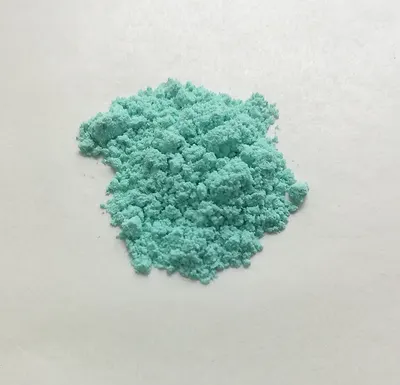
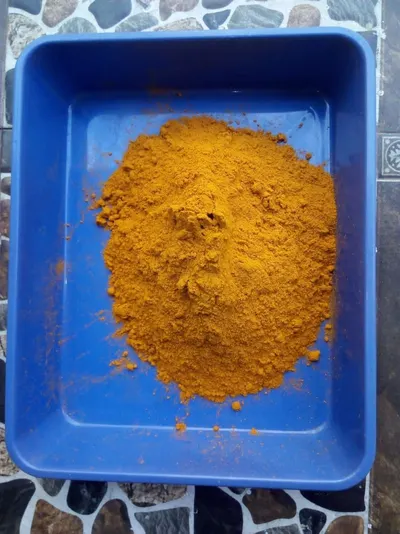
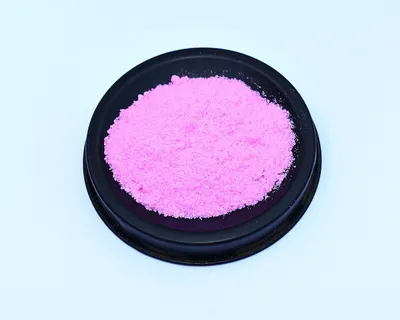
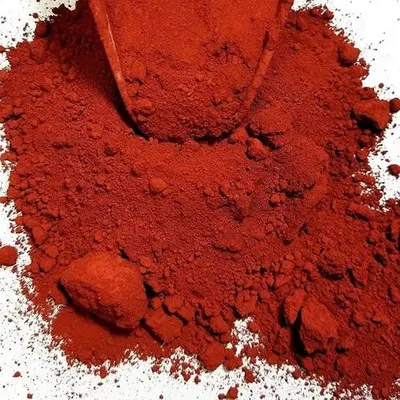
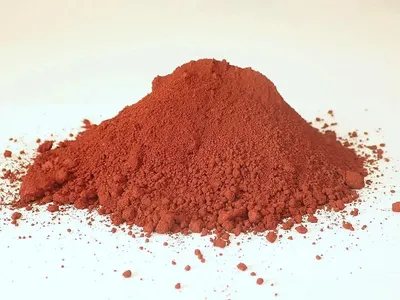
China, specifically the Hebei province, hosts Hebei Jingya Technology Co., Ltd, which currently lists eight active pigment products in its catalogue. The supplier’s portfolio falls under the Chemicals & Allied Products and Industrial Chemicals categories and includes both inorganic and organic pigments. One product, Chrome Oxide Green, is identified with HS code 2819.90 and is chemically described as Chromium(III) Oxide (Cr2O3). The remaining seven items are various organic pigments such as Phthalocyanine Blue Pigment Blue 15:2, Pigment Benzidine Yellow 12, Aluminum Phthalocyanine Chloride P.B.79, Permanent Violet Pigment 23, and three red pigments (Red 170 F3RK, Red 254, Red 122).
Product Range and Specialties of Hebei Jingya Technology Co., Ltd
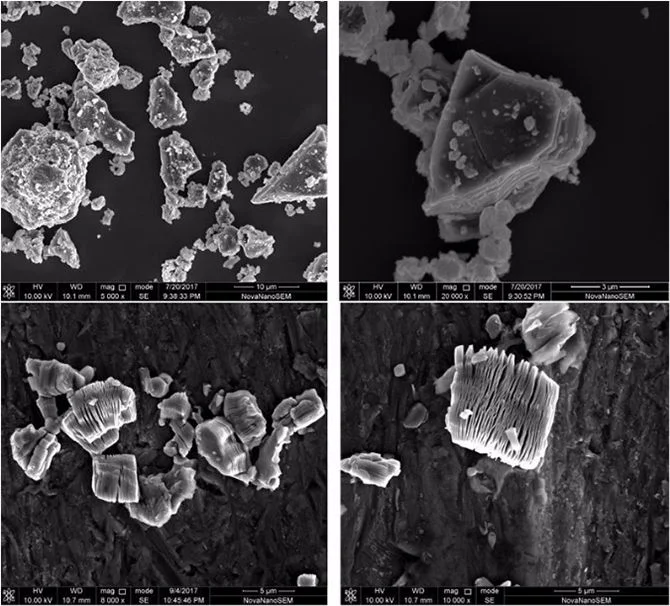
The catalogue covers a narrow but technically diverse pigment range. Chrome Oxide Green is an inorganic pigment commonly used for its high stability and corrosion‑resistant green shade, typically supplied as a fine powder with particle sizes between 0.5 µm and 5 µm and purity levels above 99 %. The organic pigments - Phthalocyanine Blue (PB15:2), Benzidine Yellow (PY12), Aluminum Phthalocyanine Chloride (P.B.79), Permanent Violet (PV23), and the three red pigments - are standard CI‑designated grades used in coating, plastics and printing inks. Industry standards for these colors usually specify moisture content below 0.2 %, lightfastness ratings of 8 - 9 on the ASTM scale, and heavy‑metal limits that comply with REACH regulations.
Trade and Export Information - Hebei Jingya Technology Co., Ltd
China is a major global exporter of pigment powders, and shipments from Hebei province are routinely directed to Europe, North America, and Southeast Asia for automotive coatings, plastic coloration, and ink formulation. The inorganic Chrome Oxide Green falls under HS Chapter 28 (organic chemicals) sub‑heading 2819.90, while the organic pigments are classified in HS Chapter 32 (pigments, dyestuffs and tannins). Buyers typically require compliance with REACH, RoHS and an ISO‑9001 quality management system, even when the supplier does not explicitly list these certificates. Export logistics often involve 20‑foot containers holding 20‑25 metric tonnes of pigment, packed in sealed 25 kg or 50 kg multi‑layer bags to protect against moisture and contamination. Common Incoterms include FOB Hebei or CIF destination port, with freight forwarding handled by specialized chemical carriers.
Sourcing from Hebei Jingya Technology Co., Ltd - Buyer Guidance
When sourcing from Hebei Jingya, buyers should request a current Certificate of Analysis for each pigment batch, an up‑to‑date Material Safety Data Sheet, and proof of REACH registration. Verifying particle‑size distribution and heavy‑metal test results helps confirm that the product meets industry limits for lead, cadmium and mercury. Samples in 1 kg sachets are often provided for colour matching before full‑scale purchase. Confirm packaging details - sealed moisture‑proof bags on pallets - and clarify the minimum order quantity, which generally starts at 500 kg per colour. Lead times of 30 - 45 days are typical after order confirmation, with production schedules adjusted for larger volumes.
Frequently Asked Questions About Hebei Jingya Technology Co., Ltd
What pigment categories does Hebei Jingya offer?
The catalogue lists eight pigment products, including an inorganic Chrome Oxide Green (Chromium(III) Oxide, HS 2819.90) and several organic pigments such as Phthalocyanine Blue (PB15:2), Benzidine Yellow (PY12), Aluminum Phthalocyanine Chloride (P.B.79), Permanent Violet (PV23), and three red pigments (Red 170 F3RK, Red 254, Red 122).
Which HS code applies to the chrome oxide pigment?
Chrome Oxide Green is classified under HS Chapter 28, sub‑heading 2819.90, which covers other inorganic chemical products.
What standard specifications should buyers verify for these pigments?
Typical specifications include pigment purity of at least 99 %, moisture content below 0.2 %, particle‑size ranges of 0.5 - 5 µm for inorganic and 1 - 10 µm for organic pigments, tinting strength, and compliance with REACH limits for heavy metals.
What documentation is normally required before placing an order?
Buyers should request a current Certificate of Analysis, a Material Safety Data Sheet (MSDS), REACH registration evidence, and any ISO quality system certificates. Test reports for heavy‑metal content and particle‑size distribution are also common.
How are the pigments typically packaged for export?
Pigments are usually packed in sealed, moisture‑proof multi‑layer bags of 25 kg or 50 kg, placed on wooden pallets or loaded directly into bulk sea‑freight containers. Smaller orders may be offered in 1 kg or 5 kg sachets.
What are typical minimum order quantities and lead times?
Minimum order quantities often start at 500 kg per pigment grade, although smaller batches can be arranged on request. Production and quality‑control cycles generally result in a lead time of 30 - 45 days from order confirmation.




 , China