Haina Industry Co., Ltd. — Verified Supplier
About Haina Industry Co., Ltd. - Chemicals & Allied Products Supplier in China
China‑based Haina Industry Co., Ltd. lists 25 active products across the Chemicals & Allied Products spectrum. The catalogue includes inorganic salts such as Sodium Bicarbonate (HS 2836.30) and Calcium Chloride (HS 2827.20), organic intermediates like Bronopol (HS 2905.49) and Phenylethyl Alcohol (HS 2906.29), and a range of aromatic chemicals including Pine Oil (HS 3301.29) and various synthetic musks (HS 2909‑series). Each item is identified by its specific HS code family, allowing buyers to match tariff and compliance requirements precisely. The supplier also offers bulk forms of Soda Ash, Magnesium Chloride, and Poly Aluminium Chloride, extending the product set beyond the listed 25 items.
The product list further contains specialty compounds such as CIS‑3‑Hexenol (HS 2905.29), Cinnamic Aldehyde (HS 2912.29), and Diphenyl Oxide (HS 2909.30), as well as fragrance ingredients like Musk Ambrette and Musk Xylene. Several entries lack explicit HS codes in the source data, indicating they may fall under broader HS headings for chemicals or fragrances. Overall, Haina’s portfolio spans basic industrial chemicals, water‑treatment agents, and fine aromatic chemicals, all sourced from China.
Product Range and Specialties of Haina Industry Co., Ltd.
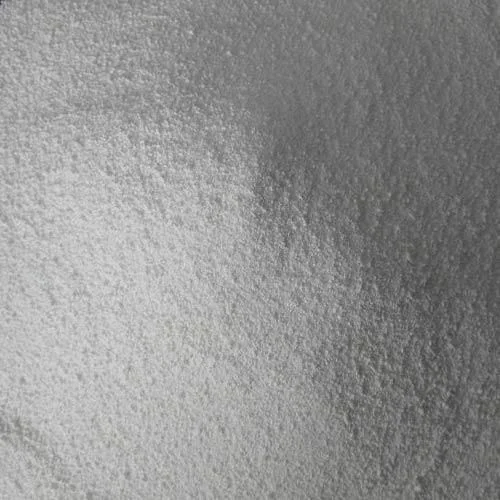
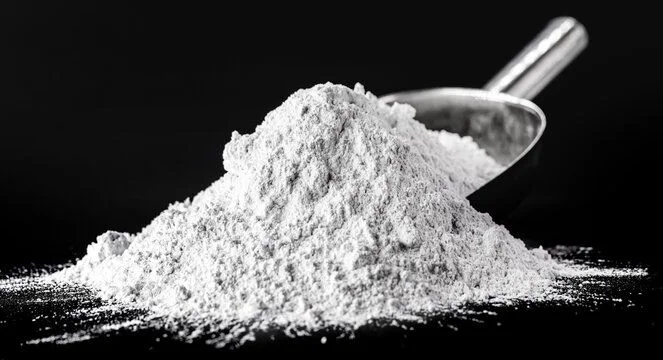
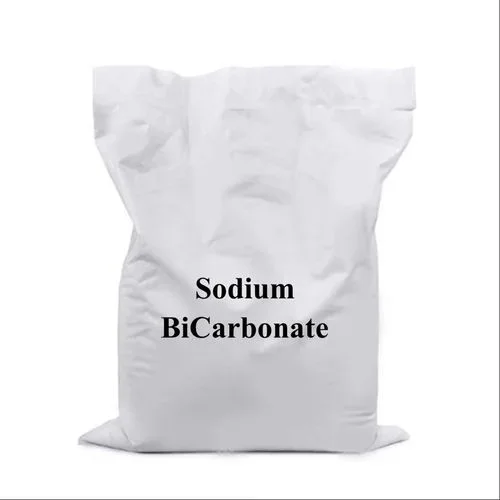
Haina’s catalogue features standard grades of soda ash (dense) and sodium bicarbonate that typically meet purity specifications of 99.5 % Na₂CO₃ and 99.9 % NaHCO₃ respectively, with moisture limits under 0.2 %. Calcium chloride and magnesium chloride are commonly supplied in anhydrous or hexahydrate forms with 99 % purity and controlled moisture content, packed in 25 kg paper bags or 1 ton bulk bags. Bronopol is usually delivered at 99 % purity for water‑treatment applications, while phenylethyl alcohol meets the USP grade of ≥99 % with a clear, slightly yellow liquid. Aromatic chemicals such as pine oil, ginger oil, and vanillin are graded by oil content (typically >70 % for pine oil) and GC‑MS profile, and synthetic musks are classified by nitro‑musk series with specifications on flash point and solubility. Industry practice for these categories includes providing a Certificate of Analysis (CoA), Material Safety Data Sheet (MSDS), and, where applicable, REACH registration documentation.
In global trade, Chinese exporters of inorganic salts often ship 20‑ft containers containing 20‑25 metric tons of product, while fine chemicals and fragrances are frequently dispatched in 1 ton or 500 kg drums. Buyers usually request specifications such as particle size distribution for powders (e.g., 80 µm D90 for sodium bicarbonate) and oil content verification for essential oils. The typical quality grades referenced in the market are USP, EP, or ACS for pharmaceutical‑grade chemicals, and ISO‑9001‑based quality management for bulk industrial chemicals.
Trade and Export Information - Haina Industry Co., Ltd.
China remains one of the world’s largest exporters of inorganic salts and specialty chemicals, supplying Europe, North America, and Southeast Asia. HS chapter 28 (organic chemicals) and chapter 29 (organic compounds) cover most of Haina’s products, with customs authorities often requiring a detailed CoA and MSDS for clearance. Importers commonly request ISO 9001 certification, REACH registration for EU markets, and FDA GRAS status when products are destined for food‑related applications. Packaging standards include 25 kg paper bags for powders, 1 ton bulk bags for salts, and 200 L steel drums for liquid fragrances; containers are typically loaded under FOB Shanghai or Ningbo, with CIF options to major ports. Chinese export regulations mandate a customs declaration, product‑specific inspection (e.g., for hazardous chemicals under HS 2905), and, when applicable, a certificate of origin for preferential tariff treatment.
Sourcing from Haina Industry Co., Ltd. - Buyer Guidance
When sourcing from Haina, buyers should request a current CoA that details purity, moisture, and impurity limits for each batch, as well as an MSDS that includes handling, storage, and hazard classification. For EU destinations, confirm REACH registration numbers and, where relevant, compliance with the Cosmetics Regulation (EC) No 1223/2009 for fragrance ingredients. Sampling is typically offered in 500 g to 1 kg quantities for powders and 100 mL for liquids; verify sample results against the supplier’s specifications before placing a bulk order. Verify packaging integrity, especially for hygroscopic salts, and ensure that the agreed Incoterm (FOB, CIF, or DDP) aligns with the buyer’s logistics strategy.
Frequently Asked Questions About Haina Industry Co., Ltd.
What HS code is used for Haina’s Sodium Bicarbonate products?
Sodium Bicarbonate is classified under HS code 2836.30, which covers sodium bicarbonate and related preparations. Buyers should cite this code in import documentation to match tariff schedules.
Which purity level is typical for the Calcium Chloride supplied by Haina?
Calcium Chloride from Haina is generally supplied at 99 % purity with a moisture content not exceeding 0.5 %. The CoA will state the exact assay for each shipment.
What certifications should an importer request for the aromatic chemicals such as Pine Oil?
Importers should request an MSDS, a Certificate of Analysis, and evidence of REACH registration for EU markets. ISO 9001 certification is also commonly expected from Chinese chemical exporters.
What packaging options are available for bulk chemicals like Soda Ash?
Soda Ash can be shipped in 25 kg paper bags, 1 ton bulk bags, or directly in 20‑ft containers as loose bulk. The packaging choice depends on the buyer’s handling facilities and shipping volume.
What is the typical lead time for a Bronopol order?
Lead times for Bronopol are usually 25‑30 days from order confirmation, assuming no custom formulation is required. Production scheduling may be longer for larger volumes.
How can a buyer obtain a sample of the Pine Oil offered by Haina?
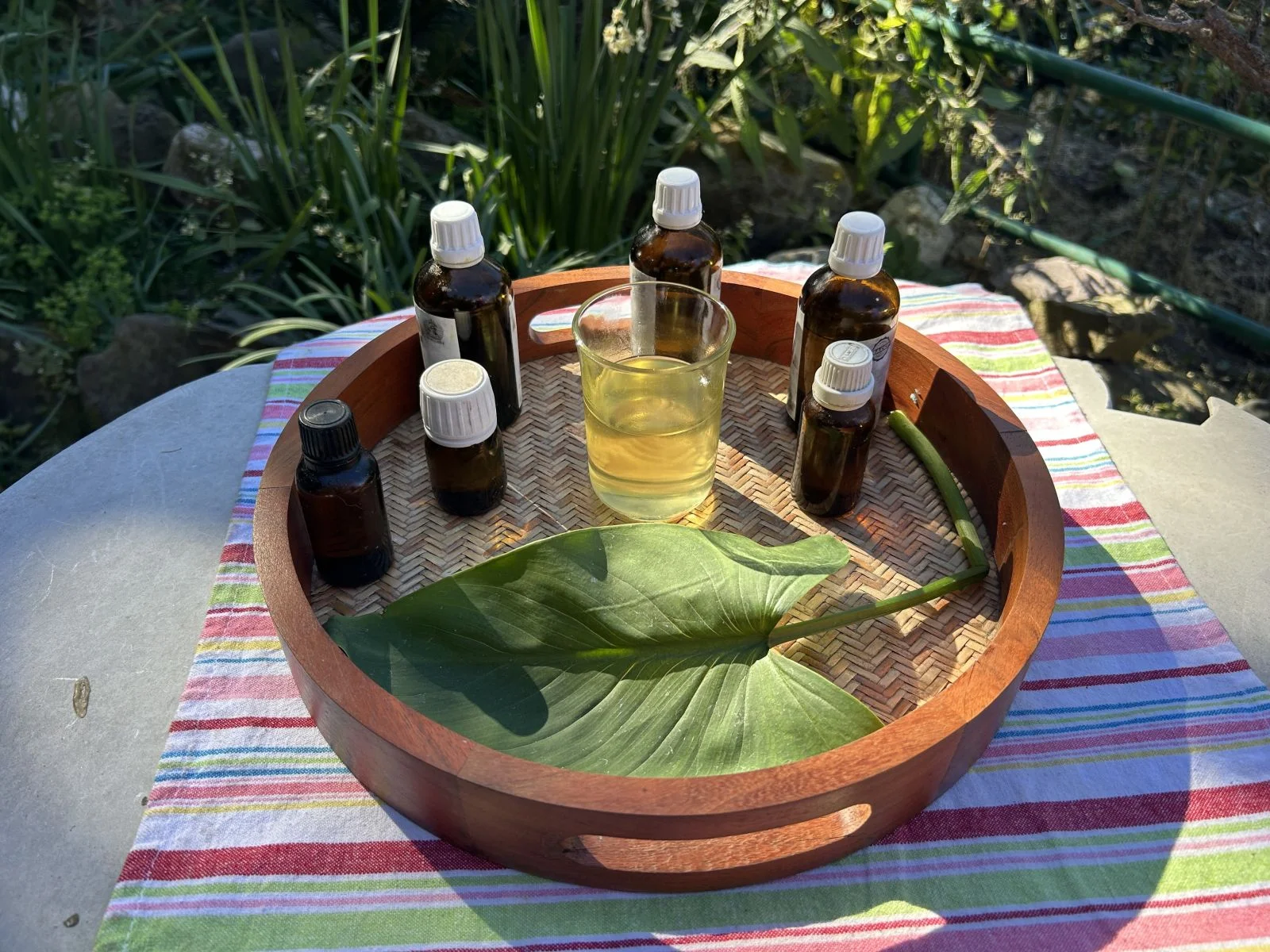
Samples of Pine Oil are provided in 100 mL glass bottles, shipped under FOB terms. Buyers should request a sample quote and specify the intended analytical method (e.g., GC‑MS) to confirm oil content.
Are the synthetic musk compounds compliant with EU fragrance regulations?
Synthetic nitro‑musks such as Musk Ambrette and Musk Xylene are subject to EU fragrance regulations; buyers should obtain the supplier’s REACH dossier and a compliance statement confirming limits on nitro‑musk content.
What documentation is needed for customs clearance of the chemical Bronopol?
Customs clearance for Bronopol (HS 2905.49) typically requires a commercial invoice, packing list, Certificate of Analysis, and an MSDS that includes hazard classification and transport information. A certificate of origin may be needed for preferential tariff rates.




 , China