Agriculture›
 Apparel and fashion accessories›
 Construction & real estate›💡Electronic & Electrical›🍎Food & Beverages›🛋️Home furnishing & supplies›⚗️Industrial goods & chemical›🪨Minerals & metals›📦Miscellaneous›Agriculture›Apparel and fashion accessories›Construction & real estate›💡Electronic & Electrical›🍎Food & Beverages›🛋️Home furnishing & supplies›⚗️Industrial goods & chemical›🪨Minerals & metals›📦Miscellaneous›
Guangdong Tenjoy Building Material Co., Ltd.
⚓ Harbor , ChinaNew supplier / no reviews yet
Guangdong Tenjoy Building Material Co., Ltd. Product Catalog


About Guangdong Tenjoy Building Material Co., Ltd. - Waterproofing Material Supplier in China
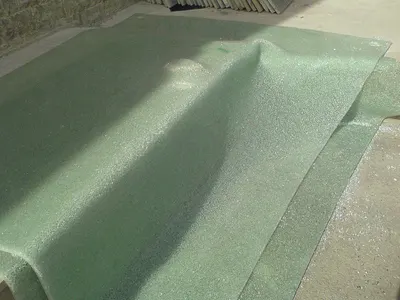
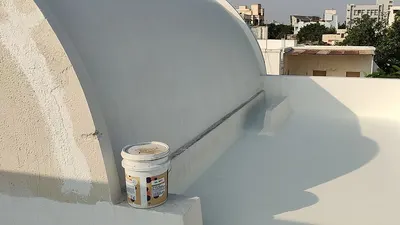
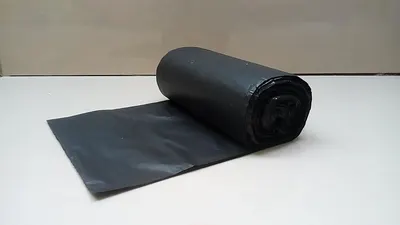
China, Guangdong province hosts Guangdong Tenjoy Building Material Co., Ltd., which currently lists six active products in its catalogue. The company’s portfolio falls under the waterproofing material segment and includes several membrane types such as SBS/APP modified bitumen, PVC, EPDM, TPO and self‑adhesive bitumen membranes, as well as a HDPE pond liner used in aquaculture applications. Each product is identified by its material family and intended use, aligning with standard HS chapters for bituminous and plastic waterproofing products.
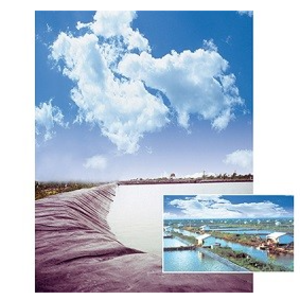
The product lineup comprises: Sbs/app Modified Bitumen Waterproof Membrane, PVC Roof Membrane, 0.35‑2 mm HDPE Pond Liner for Fish Shrimp Farming, EPDM Roof Membrane, TPO Waterproof Membrane and Self‑Adhesive Bitumen Waterproof Membrane. These items cover a range of thicknesses and polymer bases that are commonly specified for roofs, tanks, ponds and other structures requiring water‑tight protection.
Product Range and Specialties of Guangdong Tenjoy Building Material Co., Ltd.
The catalogue focuses on polymer‑based waterproofing solutions. SBS or APP modified bitumen membranes are typically supplied in rolls of 0.2‑0.5 mm thickness, meet ASTM D1970 or EN 1522 performance criteria, and provide a tensile strength of 5‑8 MPa with elongation above 100 %. PVC roof membranes are usually 0.5‑1.2 mm thick, classified under ISO 9001‑compliant production, and offer fire‑retardant grades such as C‑S1 or C‑S2. EPDM membranes, often 1.0‑2.0 mm, comply with DIN 18541 and exhibit ozone resistance and a service temperature range of - 40 °C to +120 °C. TPO membranes share similar thicknesses, are welded by hot‑air or RF methods, and are valued for their reflective properties in hot climates. The HDPE pond liner, supplied from 0.35 mm to 2 mm, conforms to ISO 11658 for aquaculture liners and provides puncture resistance around 10 kN·m‑2. Buyers typically request data sheets that list these standard grades and test results.
Frequently Asked Questions About Guangdong Tenjoy Building Material Co., Ltd.
What types of waterproofing membranes does Guangdong Tenjoy offer?
The company lists six products: SBS/APP modified bitumen membrane, PVC roof membrane, EPDM roof membrane, TPO waterproof membrane, self‑adhesive bitumen membrane and a 0.35‑2 mm HDPE pond liner for aquaculture.
Which HS codes apply to these products?
Bitumen‑based membranes fall under HS 6810‑6810. PVC, EPDM and TPO sheets are classified under HS 3919, while HDPE pond liner is typically HS 3915.
What standard specifications should buyers check?
Typical specifications include membrane thickness, tensile strength (5‑8 MPa for bitumen, 10‑15 MPa for PVC/EPDM), elongation at break (>100 %), fire‑rating (C‑S1/C‑S2 for PVC) and UV resistance for EPDM/TPO.
Are certifications like ISO 9001 required?
Buyers usually request ISO 9001 or ISO 14001 certificates, CE marking for European destinations, and test reports against ASTM or EN standards, although the supplier’s specific certifications are not listed in the provided facts.
What is the typical minimum order quantity (MOQ) and lead time?
For bulk membrane rolls, MOQ often starts at one 20‑ft container (approximately 1,000 m²) with lead times of 30‑45 days, depending on product type and quantity.
ChinaRelated Suppliers & Products
Explore similar suppliers, related products and trending categories