Greencisco — Verified Supplier

About Greencisco - Power Conversion and Battery Supplier in China

Greencisco is a China-based supplier operating from the country's power-electronics manufacturing cluster, listing 11 active products across six categories: Batteries & Chargers, DC/AC Inverters & Converters, UPS systems, Stabilizers, Electric Components, and Electric Rectifiers. The catalogue is concentrated on industrial-grade power conditioning and energy storage equipment rather than consumer electronics, with rotary and static frequency converters, UPS families, telecom rectifiers, and several battery chemistries all appearing in the active line. Product HS codes in the catalogue sit inside two main chapters: HS 8504.40 covering static converters, rectifiers and battery chargers, and HS 8507.20 / 8507.30 covering lead-acid and nickel-cadmium batteries. This places Greencisco squarely in the power-conversion and stationary battery segment of China's electrical equipment export trade. The product mix reflects a focus on substation, telecom and renewable-energy backup applications. Frequency converters span rotary motor-generator sets up to 16 MVA static units, AVR stabilizers are listed from 100 kVA to 10 MW, and 48 V telecom rectifiers are explicitly aimed at 3G, 4G and 5G base-station DC plants. Battery lines include flooded lead-acid, gel and OPzV/OPzS tubular-plate designs alongside NiCd pocket-plate cells for solar and harsh-environment duty. Materials of construction cited across the catalogue are typical for the category: copper windings and silicone-steel laminations in transformer-based converters, IGBT and SCR power modules in static units, ABS plastic or steel battery containers, and lead-antimony or nickel-cadmium electrode chemistry depending on the line. The combination of large-kVA power electronics with stationary battery banks is the kind of bundle commonly procured by utility, telecom and industrial buyers in single tenders.

Product Range and Specialties of Greencisco

Greencisco's 11-item active catalogue breaks down into four functional groups. Power conversion covers rotary frequency converters (motor-generator sets) and static frequency converters from 10 kVA to 16 MVA, both classified under HS 8504.40, with steel enclosures housing copper windings and IGBT/SCR power electronics. Battery charging and DC conditioning includes substation battery chargers (HS 8504.40) and DC-DC converters built on PCB with magnetic-core transformers and electrolytic capacitors, also under HS 8504.40. Stationary batteries split between lead-acid types under HS 8507.20 - flooded, gel, OPzV (tubular gel) and OPzS (tubular flooded) designs in lead-antimony alloy with silica-based gel electrolyte - and nickel-cadmium cells under HS 8507.30 with steel housings, the latter being the chemistry typically specified for solar storage in high-temperature or off-grid sites. Power-quality and continuity products round out the range: AVR stabilizers from 100 kVA to 10 MW, online/offline/POE UPS units, static transfer switches (STS), and 48 V rectifier modules sized for 3G/4G/5G telecom DC plants. Within these categories, buyers should expect to see a defined grade and specification ladder. Static frequency converters in this segment are typically offered at 50 Hz, 60 Hz and 400 Hz outputs, with three-phase 380-480 V inputs and insulation classes F or H; rotary sets are usually rated for continuous duty at 0.8 power factor. UPS families are commonly quoted by topology (online double-conversion vs. line-interactive/offline), by kVA rating from below 1 kVA for POE up to several hundred kVA for data-centre units, and by backup time at a given load. Lead-acid stationary batteries follow well-known standards: OPzS cells are typically 2 V units from 100 Ah to 3000 Ah with tubular positive plates and a 20-year design life for float service, while OPzV gel cells of the same capacity range offer maintenance-free operation and reduced ventilation needs. NiCd cells in this product family are usually 1.2 V pocket-plate blocks from 10 Ah to 1500 Ah, with a wide operating temperature window and a stated float life of 20+ years, which is why solar and rail signalling buyers frequently specify them over lead-acid. Telecom rectifiers for 48 V DC plants are typically modular, hot-swappable, with efficiency above 95% at full load and compliance with ETSI EN 300 132-2 environmental and EMC norms.

Trade and Export Information - Greencisco

Exporters of industrial frequency converters, UPS systems and stationary batteries from China typically ship to South and Southeast Asia, the Middle East, Africa, and Latin America, where utility, telecom and infrastructure projects drive demand for substation-grade power equipment. The relevant HS code families are 8504.40 for static converters, rectifiers and battery chargers, 8507.20 for lead-acid batteries, and 8507.30 for nickel-cadmium batteries; tariff treatment, anti-dumping measures and conformity assessment requirements differ across these codes, so buyers usually confirm the exact 6-digit classification with their customs broker before tendering. Within HS 8507, lead-acid batteries above 12 V and below 12 V carry different duty lines in many jurisdictions, and NiCd cells face separate restrictions on cadmium content under EU Battery Directive 2006/66/EC and similar rules in other markets. For these product categories, the certifications and standards most commonly required by international buyers include CE marking for the European Union, IEC 62040 for UPS systems, IEC 60146 for static converters, IEC 60896 for stationary lead-acid batteries, IEC 60623 for vented NiCd cells, and IEEE 1188 / IEEE 1187 for battery installation and maintenance. Telecom rectifier modules are typically expected to meet ETSI EN 300 132-2 and UL 60950-1 / IEC 62368-1 safety standards, while frequency converters for aerospace, marine or military use often need to demonstrate compliance with MIL-STD-704 or DEF STAN 61-5 power-quality profiles. Packaging for heavy converter and battery shipments is normally on wooden pallets with ISPM 15 heat-treated marks for international sea freight, and 20 ft / 40 ft container loading plans depend on battery weight (a typical OPzS 2 V 3000 Ah cell weighs around 200 kg filled) and converter cabinet dimensions. Origin context for China: the country is the world's largest exporter of lead-acid batteries and a major supplier of industrial UPS and converter equipment, with concentrated manufacturing in Guangdong, Zhejiang and Jiangsu provinces serving both domestic infrastructure rollouts and overseas EPC projects.

Sourcing from Greencisco - Buyer Guidance

Sourcing power-conversion and stationary battery equipment from a Chinese supplier such as Greencisco requires careful specification matching and document verification before any order is placed. Buyers should request the exact kVA or kW rating, input and output voltage/frequency, power factor, total harmonic distortion (THD) figures, and overload capability for converters and UPS units, and for batteries the Ah capacity at a defined discharge rate (commonly C10 or C20), the float voltage, the cycle life at a stated depth-of-discharge, and the expected service life in float or cyclic duty. Test reports that buyers typically ask for include type test certificates per IEC 62040 (UPS), IEC 60146 (converters), IEC 60896 (lead-acid) and IEC 60623 (NiCd), plus factory acceptance test (FAT) records for each shipment. For telecom rectifiers, request compliance evidence against ETSI EN 300 132-2 and the relevant safety standard. Logistics and commercial documents that should be confirmed up front include the packing list with net and gross weight per case (critical for battery shipments, which are classified as Class 8 corrosive goods under UN 2794 for wet lead-acid and UN 2800 for NiCd), MSDS sheets, a certificate of origin, and where applicable CE declaration of conformity or test reports from accredited labs such as TUV, SGS or BV. For projects in Europe, North America or the Gulf, buyers usually also request IEC test summaries, seismic or vibration reports if the site requires them, and reference lists of similar kVA-class installations delivered within the last three to five years. Lead time on large frequency converters and containerised battery banks is typically 30-60 days after drawing approval, and MOQ varies by product line: standard UPS and converter models may ship from stock, while custom-built OPzS banks or NiCd strings are usually made to order. Verifying the supplier's response speed, willingness to share factory audit photos, and openness to third-party pre-shipment inspection are the practical signals that help a buyer judge execution risk before committing.

Frequently Asked Questions About Greencisco

What product categories does Greencisco currently list?

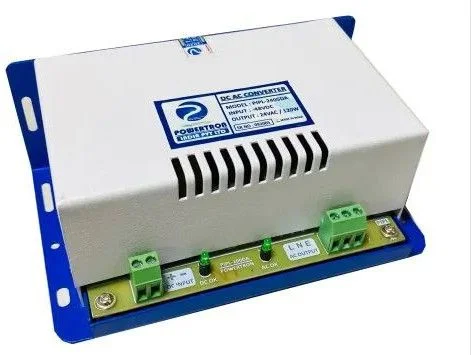
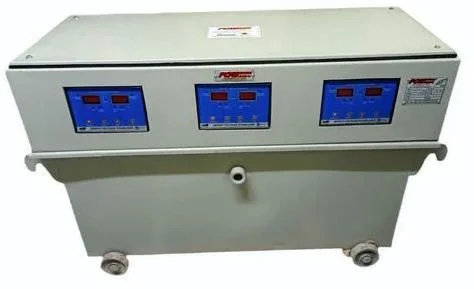
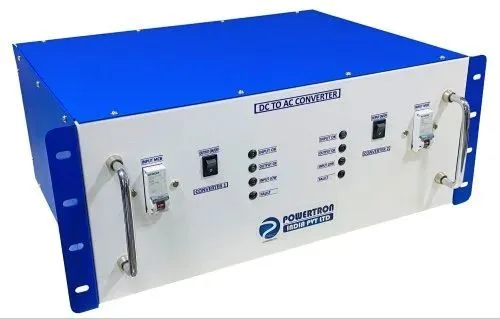
Greencisco lists 11 active products across Batteries & Chargers, DC/AC Inverters & Converters, UPS, Stabilizers, Electric Components, and Electric Rectifiers. The line covers rotary and static frequency converters, lead-acid and NiCd batteries, UPS families, AVR stabilizers, DC-DC converters, static transfer switches, and 48 V telecom rectifiers.

Which HS codes apply to Greencisco's catalogue?

Static frequency converters, battery chargers and DC-DC converters fall under HS 8504.40. Lead-acid batteries (flooded, gel, OPzV, OPzS) are classified under HS 8507.20, and nickel-cadmium batteries under HS 8507.30. Buyers should confirm the exact 6-digit subheading with their customs broker for each shipment.

What battery chemistries are available and where are they typically used?

The catalogue includes flooded lead-acid, gel, OPzV tubular gel and OPzS tubular flooded batteries for stationary float service, plus nickel-cadmium cells for solar and harsh-environment duty. Lead-acid is the default for UPS and switchgear backup, while NiCd is preferred for high-temperature sites, off-grid solar, and rail signalling.

Which certifications and test reports should a buyer request?

Buyers typically ask for IEC 62040 (UPS), IEC 60146 (static converters), IEC 60896 (lead-acid batteries), IEC 60623 (NiCd cells), and ETSI EN 300 132-2 plus IEC 62368-1 for 48 V telecom rectifiers. CE marking is required for the EU, and factory acceptance test reports should accompany each shipment.

What specifications should be confirmed before ordering a frequency converter?

Confirm the kVA rating, input and output voltage, input and output frequency (50 Hz, 60 Hz or 400 Hz), power factor, total harmonic distortion, overload capability, and the applicable ambient temperature range. For rotary sets, also confirm motor-generator type, insulation class and noise level.

How are the batteries packaged and shipped internationally?

Stationary batteries are shipped on wooden pallets with ISPM 15 heat-treated marks, in 20 ft or 40 ft containers depending on cell weight and quantity. Wet lead-acid cells are classified as UN 2794 (Class 8 corrosive) and NiCd cells as UN 2800, so MSDS and dangerous-goods declarations must accompany the shipment.

What is the typical lead time for large converter and battery orders?

Standard UPS and converter models in small quantities may ship from stock within 2-4 weeks. Custom-built OPzS banks, NiCd strings or non-standard frequency converters are usually made to order with a lead time of 30-60 days after drawing approval and order confirmation.

Can Greencisco supply documentation for telecom operator tenders?

The 48 V rectifier line is explicitly aimed at 3G/4G/5G base-station DC plants, so buyers should request datasheets, ETSI EN 300 132-2 compliance evidence, safety certificates per IEC 62368-1, and MTBF figures. For operator-grade tenders, factory audit reports and reference installations are typically required before award.


Featured Products from this Supplier

Other Suppliers in Primary Category

Top Trusted Suppliers

Related Products

Trending in Parent Category

More Suppliers in Category

Related Products

Other Suppliers

EximNext
58.5K+ live requirements
Register Free🎁 Reach verified global buyers
Post Requirement
🌍 Trusted by 224.6K+ businesses in 200+ countries|
58.5K+ active requirements right now
✉️ [email protected]
|
Sell on EximNextPost Requirement
EximNext
AgricultureApparelConstructionElectronicFoodHomeIndustrialMineralsMiscellaneous
🔥 Deals|✨ AI Match|🏭 Suppliers|📋 Buy Leads|💰 Trade Finance
58.5K+ live RFQs·194.6K+ suppliers
🎁 Reach global buyers →
EximNext
EximNext
Register Free
🎁 Reach verified global buyers
Sign In
📋Post Requirement💬Get QuotesAI Match📋RFQ Marketplace
All Categories
Services & Tools
🏭Supplier Directory🔥Today's Deals💰Trade Finance
Sell on EximNext
AboutContactBlogHelp
🏭

Greencisco

Harbor
Country flag , China
🛡️
55/100
Trust Score

Greencisco Product Catalog

Showing 11 of 11 products
View all products →
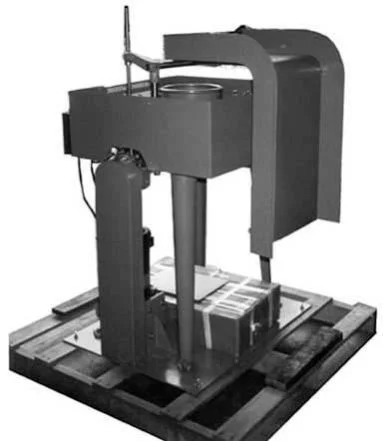
Rotary Frequency Converter(Motor Generator Set )
Harbor
Rotary Frequency Converter(Motor Generator Set )
Contact
MOQ: 1 Unit
Static Frequency Converters 10KVA-16MVA
Harbor
Static Frequency Converters 10KVA-16MVA
Contact
MOQ: 1 Unit
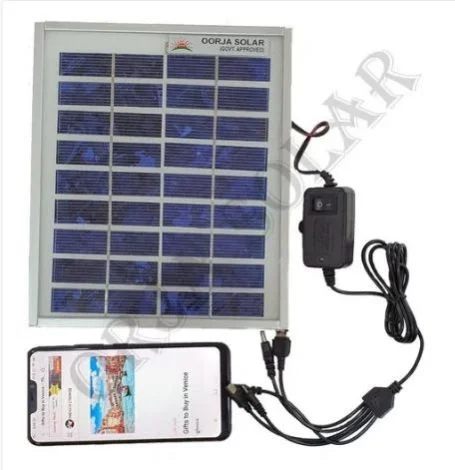
Nickel Cadmium Batteries,Solar Batteries
Harbor
Nickel Cadmium Batteries,Solar Batteries
Contact
MOQ: 1 Unit
Solar Batteries,Lead Acid Batteries
Harbor
Solar Batteries,Lead Acid Batteries
Contact
MOQ: 1 Unit
Battery Chargers For Power Substation
Harbor
Battery Chargers For Power Substation
Contact
MOQ: 1 Unit
UPS,POE UPS,Online UPS,Offline UPS
Harbor
UPS,POE UPS,Online UPS,Offline UPS
Contact
MOQ: 1 Unit
DC-DC Converters
Harbor
DC-DC Converters
Contact
MOQ: 1 Unit
AVR Stabilizers 100KVA-10MW
Harbor
AVR Stabilizers 100KVA-10MW
Contact
MOQ: 1 Unit
OPzV,OPzS Batteries,Gel Batteries
Harbor
OPzV,OPzS Batteries,Gel Batteries
Contact
MOQ: 1 Unit
Static Transfer Switch(STS)
Harbor
Static Transfer Switch(STS)
Contact
MOQ: 1 Unit
48V Telcom Rectifiers for 3G/4G/5G
Harbor
48V Telcom Rectifiers for 3G/4G/5G
Contact
MOQ: 1 Unit

About Greencisco - Power Conversion and Battery Supplier in China

Greencisco is a China-based supplier operating from the country's power-electronics manufacturing cluster, listing 11 active products across six categories: Batteries & Chargers, DC/AC Inverters & Converters, UPS systems, Stabilizers, Electric Components, and Electric Rectifiers. The catalogue is concentrated on industrial-grade power conditioning and energy storage equipment rather than consumer electronics, with rotary and static frequency converters, UPS families, telecom rectifiers, and several battery chemistries all appearing in the active line. Product HS codes in the catalogue sit inside two main chapters: HS 8504.40 covering static converters, rectifiers and battery chargers, and HS 8507.20 / 8507.30 covering lead-acid and nickel-cadmium batteries. This places Greencisco squarely in the power-conversion and stationary battery segment of China's electrical equipment export trade. The product mix reflects a focus on substation, telecom and renewable-energy backup applications. Frequency converters span rotary motor-generator sets up to 16 MVA static units, AVR stabilizers are listed from 100 kVA to 10 MW, and 48 V telecom rectifiers are explicitly aimed at 3G, 4G and 5G base-station DC plants. Battery lines include flooded lead-acid, gel and OPzV/OPzS tubular-plate designs alongside NiCd pocket-plate cells for solar and harsh-environment duty. Materials of construction cited across the catalogue are typical for the category: copper windings and silicone-steel laminations in transformer-based converters, IGBT and SCR power modules in static units, ABS plastic or steel battery containers, and lead-antimony or nickel-cadmium electrode chemistry depending on the line. The combination of large-kVA power electronics with stationary battery banks is the kind of bundle commonly procured by utility, telecom and industrial buyers in single tenders.

Product Range and Specialties of Greencisco

Greencisco's 11-item active catalogue breaks down into four functional groups. Power conversion covers rotary frequency converters (motor-generator sets) and static frequency converters from 10 kVA to 16 MVA, both classified under HS 8504.40, with steel enclosures housing copper windings and IGBT/SCR power electronics. Battery charging and DC conditioning includes substation battery chargers (HS 8504.40) and DC-DC converters built on PCB with magnetic-core transformers and electrolytic capacitors, also under HS 8504.40. Stationary batteries split between lead-acid types under HS 8507.20 - flooded, gel, OPzV (tubular gel) and OPzS (tubular flooded) designs in lead-antimony alloy with silica-based gel electrolyte - and nickel-cadmium cells under HS 8507.30 with steel housings, the latter being the chemistry typically specified for solar storage in high-temperature or off-grid sites. Power-quality and continuity products round out the range: AVR stabilizers from 100 kVA to 10 MW, online/offline/POE UPS units, static transfer switches (STS), and 48 V rectifier modules sized for 3G/4G/5G telecom DC plants. Within these categories, buyers should expect to see a defined grade and specification ladder. Static frequency converters in this segment are typically offered at 50 Hz, 60 Hz and 400 Hz outputs, with three-phase 380-480 V inputs and insulation classes F or H; rotary sets are usually rated for continuous duty at 0.8 power factor. UPS families are commonly quoted by topology (online double-conversion vs. line-interactive/offline), by kVA rating from below 1 kVA for POE up to several hundred kVA for data-centre units, and by backup time at a given load. Lead-acid stationary batteries follow well-known standards: OPzS cells are typically 2 V units from 100 Ah to 3000 Ah with tubular positive plates and a 20-year design life for float service, while OPzV gel cells of the same capacity range offer maintenance-free operation and reduced ventilation needs. NiCd cells in this product family are usually 1.2 V pocket-plate blocks from 10 Ah to 1500 Ah, with a wide operating temperature window and a stated float life of 20+ years, which is why solar and rail signalling buyers frequently specify them over lead-acid. Telecom rectifiers for 48 V DC plants are typically modular, hot-swappable, with efficiency above 95% at full load and compliance with ETSI EN 300 132-2 environmental and EMC norms.

Trade and Export Information - Greencisco

Exporters of industrial frequency converters, UPS systems and stationary batteries from China typically ship to South and Southeast Asia, the Middle East, Africa, and Latin America, where utility, telecom and infrastructure projects drive demand for substation-grade power equipment. The relevant HS code families are 8504.40 for static converters, rectifiers and battery chargers, 8507.20 for lead-acid batteries, and 8507.30 for nickel-cadmium batteries; tariff treatment, anti-dumping measures and conformity assessment requirements differ across these codes, so buyers usually confirm the exact 6-digit classification with their customs broker before tendering. Within HS 8507, lead-acid batteries above 12 V and below 12 V carry different duty lines in many jurisdictions, and NiCd cells face separate restrictions on cadmium content under EU Battery Directive 2006/66/EC and similar rules in other markets. For these product categories, the certifications and standards most commonly required by international buyers include CE marking for the European Union, IEC 62040 for UPS systems, IEC 60146 for static converters, IEC 60896 for stationary lead-acid batteries, IEC 60623 for vented NiCd cells, and IEEE 1188 / IEEE 1187 for battery installation and maintenance. Telecom rectifier modules are typically expected to meet ETSI EN 300 132-2 and UL 60950-1 / IEC 62368-1 safety standards, while frequency converters for aerospace, marine or military use often need to demonstrate compliance with MIL-STD-704 or DEF STAN 61-5 power-quality profiles. Packaging for heavy converter and battery shipments is normally on wooden pallets with ISPM 15 heat-treated marks for international sea freight, and 20 ft / 40 ft container loading plans depend on battery weight (a typical OPzS 2 V 3000 Ah cell weighs around 200 kg filled) and converter cabinet dimensions. Origin context for China: the country is the world's largest exporter of lead-acid batteries and a major supplier of industrial UPS and converter equipment, with concentrated manufacturing in Guangdong, Zhejiang and Jiangsu provinces serving both domestic infrastructure rollouts and overseas EPC projects.

Sourcing from Greencisco - Buyer Guidance

Sourcing power-conversion and stationary battery equipment from a Chinese supplier such as Greencisco requires careful specification matching and document verification before any order is placed. Buyers should request the exact kVA or kW rating, input and output voltage/frequency, power factor, total harmonic distortion (THD) figures, and overload capability for converters and UPS units, and for batteries the Ah capacity at a defined discharge rate (commonly C10 or C20), the float voltage, the cycle life at a stated depth-of-discharge, and the expected service life in float or cyclic duty. Test reports that buyers typically ask for include type test certificates per IEC 62040 (UPS), IEC 60146 (converters), IEC 60896 (lead-acid) and IEC 60623 (NiCd), plus factory acceptance test (FAT) records for each shipment. For telecom rectifiers, request compliance evidence against ETSI EN 300 132-2 and the relevant safety standard. Logistics and commercial documents that should be confirmed up front include the packing list with net and gross weight per case (critical for battery shipments, which are classified as Class 8 corrosive goods under UN 2794 for wet lead-acid and UN 2800 for NiCd), MSDS sheets, a certificate of origin, and where applicable CE declaration of conformity or test reports from accredited labs such as TUV, SGS or BV. For projects in Europe, North America or the Gulf, buyers usually also request IEC test summaries, seismic or vibration reports if the site requires them, and reference lists of similar kVA-class installations delivered within the last three to five years. Lead time on large frequency converters and containerised battery banks is typically 30-60 days after drawing approval, and MOQ varies by product line: standard UPS and converter models may ship from stock, while custom-built OPzS banks or NiCd strings are usually made to order. Verifying the supplier's response speed, willingness to share factory audit photos, and openness to third-party pre-shipment inspection are the practical signals that help a buyer judge execution risk before committing.

Frequently Asked Questions About Greencisco

What product categories does Greencisco currently list?

Greencisco lists 11 active products across Batteries & Chargers, DC/AC Inverters & Converters, UPS, Stabilizers, Electric Components, and Electric Rectifiers. The line covers rotary and static frequency converters, lead-acid and NiCd batteries, UPS families, AVR stabilizers, DC-DC converters, static transfer switches, and 48 V telecom rectifiers.

Which HS codes apply to Greencisco's catalogue?

Static frequency converters, battery chargers and DC-DC converters fall under HS 8504.40. Lead-acid batteries (flooded, gel, OPzV, OPzS) are classified under HS 8507.20, and nickel-cadmium batteries under HS 8507.30. Buyers should confirm the exact 6-digit subheading with their customs broker for each shipment.

What battery chemistries are available and where are they typically used?

The catalogue includes flooded lead-acid, gel, OPzV tubular gel and OPzS tubular flooded batteries for stationary float service, plus nickel-cadmium cells for solar and harsh-environment duty. Lead-acid is the default for UPS and switchgear backup, while NiCd is preferred for high-temperature sites, off-grid solar, and rail signalling.

Which certifications and test reports should a buyer request?

Buyers typically ask for IEC 62040 (UPS), IEC 60146 (static converters), IEC 60896 (lead-acid batteries), IEC 60623 (NiCd cells), and ETSI EN 300 132-2 plus IEC 62368-1 for 48 V telecom rectifiers. CE marking is required for the EU, and factory acceptance test reports should accompany each shipment.

What specifications should be confirmed before ordering a frequency converter?

Confirm the kVA rating, input and output voltage, input and output frequency (50 Hz, 60 Hz or 400 Hz), power factor, total harmonic distortion, overload capability, and the applicable ambient temperature range. For rotary sets, also confirm motor-generator type, insulation class and noise level.

How are the batteries packaged and shipped internationally?

Stationary batteries are shipped on wooden pallets with ISPM 15 heat-treated marks, in 20 ft or 40 ft containers depending on cell weight and quantity. Wet lead-acid cells are classified as UN 2794 (Class 8 corrosive) and NiCd cells as UN 2800, so MSDS and dangerous-goods declarations must accompany the shipment.

What is the typical lead time for large converter and battery orders?

Standard UPS and converter models in small quantities may ship from stock within 2-4 weeks. Custom-built OPzS banks, NiCd strings or non-standard frequency converters are usually made to order with a lead time of 30-60 days after drawing approval and order confirmation.

Can Greencisco supply documentation for telecom operator tenders?

The 48 V rectifier line is explicitly aimed at 3G/4G/5G base-station DC plants, so buyers should request datasheets, ETSI EN 300 132-2 compliance evidence, safety certificates per IEC 62368-1, and MTBF figures. For operator-grade tenders, factory audit reports and reference installations are typically required before award.

About Greencisco - Power Conversion and Battery Supplier in China

Greencisco is a China-based supplier operating from the country's power-electronics manufacturing cluster, listing 11 active products across six categories: Batteries & Chargers, DC/AC Inverters & Converters, UPS systems, Stabilizers, Electric Components, and Electric Rectifiers. The catalogue is concentrated on industrial-grade power conditioning and energy storage equipment rather than consumer electronics, with rotary and static frequency converters, UPS families, telecom rectifiers, and several battery chemistries all appearing in the active line. Product HS codes in the catalogue sit inside two main chapters: HS 8504.40 covering static converters, rectifiers and battery chargers, and HS 8507.20 / 8507.30 covering lead-acid and nickel-cadmium batteries. This places Greencisco squarely in the power-conversion and stationary battery segment of China's electrical equipment export trade. The product mix reflects a focus on substation, telecom and renewable-energy backup applications. Frequency converters span rotary motor-generator sets up to 16 MVA static units, AVR stabilizers are listed from 100 kVA to 10 MW, and 48 V telecom rectifiers are explicitly aimed at 3G, 4G and 5G base-station DC plants. Battery lines include flooded lead-acid, gel and OPzV/OPzS tubular-plate designs alongside NiCd pocket-plate cells for solar and harsh-environment duty. Materials of construction cited across the catalogue are typical for the category: copper windings and silicone-steel laminations in transformer-based converters, IGBT and SCR power modules in static units, ABS plastic or steel battery containers, and lead-antimony or nickel-cadmium electrode chemistry depending on the line. The combination of large-kVA power electronics with stationary battery banks is the kind of bundle commonly procured by utility, telecom and industrial buyers in single tenders.

Product Range and Specialties of Greencisco

Greencisco's 11-item active catalogue breaks down into four functional groups. Power conversion covers rotary frequency converters (motor-generator sets) and static frequency converters from 10 kVA to 16 MVA, both classified under HS 8504.40, with steel enclosures housing copper windings and IGBT/SCR power electronics. Battery charging and DC conditioning includes substation battery chargers (HS 8504.40) and DC-DC converters built on PCB with magnetic-core transformers and electrolytic capacitors, also under HS 8504.40. Stationary batteries split between lead-acid types under HS 8507.20 - flooded, gel, OPzV (tubular gel) and OPzS (tubular flooded) designs in lead-antimony alloy with silica-based gel electrolyte - and nickel-cadmium cells under HS 8507.30 with steel housings, the latter being the chemistry typically specified for solar storage in high-temperature or off-grid sites. Power-quality and continuity products round out the range: AVR stabilizers from 100 kVA to 10 MW, online/offline/POE UPS units, static transfer switches (STS), and 48 V rectifier modules sized for 3G/4G/5G telecom DC plants. Within these categories, buyers should expect to see a defined grade and specification ladder. Static frequency converters in this segment are typically offered at 50 Hz, 60 Hz and 400 Hz outputs, with three-phase 380-480 V inputs and insulation classes F or H; rotary sets are usually rated for continuous duty at 0.8 power factor. UPS families are commonly quoted by topology (online double-conversion vs. line-interactive/offline), by kVA rating from below 1 kVA for POE up to several hundred kVA for data-centre units, and by backup time at a given load. Lead-acid stationary batteries follow well-known standards: OPzS cells are typically 2 V units from 100 Ah to 3000 Ah with tubular positive plates and a 20-year design life for float service, while OPzV gel cells of the same capacity range offer maintenance-free operation and reduced ventilation needs. NiCd cells in this product family are usually 1.2 V pocket-plate blocks from 10 Ah to 1500 Ah, with a wide operating temperature window and a stated float life of 20+ years, which is why solar and rail signalling buyers frequently specify them over lead-acid. Telecom rectifiers for 48 V DC plants are typically modular, hot-swappable, with efficiency above 95% at full load and compliance with ETSI EN 300 132-2 environmental and EMC norms.

Trade and Export Information - Greencisco

Exporters of industrial frequency converters, UPS systems and stationary batteries from China typically ship to South and Southeast Asia, the Middle East, Africa, and Latin America, where utility, telecom and infrastructure projects drive demand for substation-grade power equipment. The relevant HS code families are 8504.40 for static converters, rectifiers and battery chargers, 8507.20 for lead-acid batteries, and 8507.30 for nickel-cadmium batteries; tariff treatment, anti-dumping measures and conformity assessment requirements differ across these codes, so buyers usually confirm the exact 6-digit classification with their customs broker before tendering. Within HS 8507, lead-acid batteries above 12 V and below 12 V carry different duty lines in many jurisdictions, and NiCd cells face separate restrictions on cadmium content under EU Battery Directive 2006/66/EC and similar rules in other markets. For these product categories, the certifications and standards most commonly required by international buyers include CE marking for the European Union, IEC 62040 for UPS systems, IEC 60146 for static converters, IEC 60896 for stationary lead-acid batteries, IEC 60623 for vented NiCd cells, and IEEE 1188 / IEEE 1187 for battery installation and maintenance. Telecom rectifier modules are typically expected to meet ETSI EN 300 132-2 and UL 60950-1 / IEC 62368-1 safety standards, while frequency converters for aerospace, marine or military use often need to demonstrate compliance with MIL-STD-704 or DEF STAN 61-5 power-quality profiles. Packaging for heavy converter and battery shipments is normally on wooden pallets with ISPM 15 heat-treated marks for international sea freight, and 20 ft / 40 ft container loading plans depend on battery weight (a typical OPzS 2 V 3000 Ah cell weighs around 200 kg filled) and converter cabinet dimensions. Origin context for China: the country is the world's largest exporter of lead-acid batteries and a major supplier of industrial UPS and converter equipment, with concentrated manufacturing in Guangdong, Zhejiang and Jiangsu provinces serving both domestic infrastructure rollouts and overseas EPC projects.

Sourcing from Greencisco - Buyer Guidance

Sourcing power-conversion and stationary battery equipment from a Chinese supplier such as Greencisco requires careful specification matching and document verification before any order is placed. Buyers should request the exact kVA or kW rating, input and output voltage/frequency, power factor, total harmonic distortion (THD) figures, and overload capability for converters and UPS units, and for batteries the Ah capacity at a defined discharge rate (commonly C10 or C20), the float voltage, the cycle life at a stated depth-of-discharge, and the expected service life in float or cyclic duty. Test reports that buyers typically ask for include type test certificates per IEC 62040 (UPS), IEC 60146 (converters), IEC 60896 (lead-acid) and IEC 60623 (NiCd), plus factory acceptance test (FAT) records for each shipment. For telecom rectifiers, request compliance evidence against ETSI EN 300 132-2 and the relevant safety standard. Logistics and commercial documents that should be confirmed up front include the packing list with net and gross weight per case (critical for battery shipments, which are classified as Class 8 corrosive goods under UN 2794 for wet lead-acid and UN 2800 for NiCd), MSDS sheets, a certificate of origin, and where applicable CE declaration of conformity or test reports from accredited labs such as TUV, SGS or BV. For projects in Europe, North America or the Gulf, buyers usually also request IEC test summaries, seismic or vibration reports if the site requires them, and reference lists of similar kVA-class installations delivered within the last three to five years. Lead time on large frequency converters and containerised battery banks is typically 30-60 days after drawing approval, and MOQ varies by product line: standard UPS and converter models may ship from stock, while custom-built OPzS banks or NiCd strings are usually made to order. Verifying the supplier's response speed, willingness to share factory audit photos, and openness to third-party pre-shipment inspection are the practical signals that help a buyer judge execution risk before committing.

Frequently Asked Questions About Greencisco
What product categories does Greencisco currently list?
Greencisco lists 11 active products across Batteries & Chargers, DC/AC Inverters & Converters, UPS, Stabilizers, Electric Components, and Electric Rectifiers. The line covers rotary and static frequency converters, lead-acid and NiCd batteries, UPS families, AVR stabilizers, DC-DC converters, static transfer switches, and 48 V telecom rectifiers.
Which HS codes apply to Greencisco's catalogue?
Static frequency converters, battery chargers and DC-DC converters fall under HS 8504.40. Lead-acid batteries (flooded, gel, OPzV, OPzS) are classified under HS 8507.20, and nickel-cadmium batteries under HS 8507.30. Buyers should confirm the exact 6-digit subheading with their customs broker for each shipment.
What battery chemistries are available and where are they typically used?
The catalogue includes flooded lead-acid, gel, OPzV tubular gel and OPzS tubular flooded batteries for stationary float service, plus nickel-cadmium cells for solar and harsh-environment duty. Lead-acid is the default for UPS and switchgear backup, while NiCd is preferred for high-temperature sites, off-grid solar, and rail signalling.
Which certifications and test reports should a buyer request?
Buyers typically ask for IEC 62040 (UPS), IEC 60146 (static converters), IEC 60896 (lead-acid batteries), IEC 60623 (NiCd cells), and ETSI EN 300 132-2 plus IEC 62368-1 for 48 V telecom rectifiers. CE marking is required for the EU, and factory acceptance test reports should accompany each shipment.
What specifications should be confirmed before ordering a frequency converter?
Confirm the kVA rating, input and output voltage, input and output frequency (50 Hz, 60 Hz or 400 Hz), power factor, total harmonic distortion, overload capability, and the applicable ambient temperature range. For rotary sets, also confirm motor-generator type, insulation class and noise level.
How are the batteries packaged and shipped internationally?
Stationary batteries are shipped on wooden pallets with ISPM 15 heat-treated marks, in 20 ft or 40 ft containers depending on cell weight and quantity. Wet lead-acid cells are classified as UN 2794 (Class 8 corrosive) and NiCd cells as UN 2800, so MSDS and dangerous-goods declarations must accompany the shipment.
What is the typical lead time for large converter and battery orders?
Standard UPS and converter models in small quantities may ship from stock within 2-4 weeks. Custom-built OPzS banks, NiCd strings or non-standard frequency converters are usually made to order with a lead time of 30-60 days after drawing approval and order confirmation.
Can Greencisco supply documentation for telecom operator tenders?
The 48 V rectifier line is explicitly aimed at 3G/4G/5G base-station DC plants, so buyers should request datasheets, ETSI EN 300 132-2 compliance evidence, safety certificates per IEC 62368-1, and MTBF figures. For operator-grade tenders, factory audit reports and reference installations are typically required before award.

🏭
Greencisco
Country flag , China
Harbor
55/100
Trust Score
📦
11
Products
Free to contact — no commission
Escrow payment available
Verified business identity
Compare more suppliers
Post a requirement — get 10 quotes free
Let verified suppliers compete for your business. Free, fast, no commitment.
EximNext Verified Supplier
Business identity verified
Physical address confirmed
Financial history checked
Certifications authenticated
Trade references validated
Due Diligence
Verify this supplier's real shipping history.
Every shipment, every buyer, every port. Trade data that can't be faked.
Run due diligence →
Discover More

Related Suppliers & Products

Explore similar suppliers, related products and trending categories

Featured Products from this Supplier

Other Suppliers in Primary Category

Top Trusted Suppliers

Related Products

Trending in Parent Category

More Suppliers in Category

Stay ahead in global trade
Weekly market insights & new supplier alerts.
EximNext
Exim Next is a leading global B2B marketplace, connecting over 205,000 verified suppliers and buyers across 200+ countries. As a trusted import export marketplace, it serves as the essential B2B portal for businesses worldwide, empowering them to expand their international reach. With Exim Next, businesses can trade smarter and grow faster.
SECURE PAYMENTS
VISAMastercardPayPalSWIFTL/CEscrow
Follow us
© 2026 EximNext