GRCC — Verified Supplier
About GRCC - Chemicals & Allied Products Supplier in China
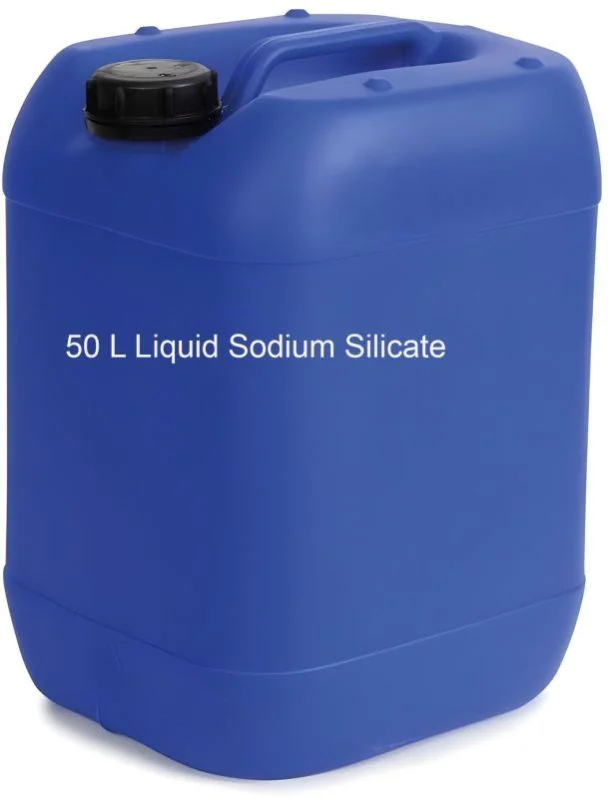
GRCC is registered in China and currently lists ten distinct chemical and agricultural products in its catalogue. The portfolio includes inorganic compounds such as Potassium Silicate, Magnesium Chloride Hexahydrate, Sodium Carbonate (Soda Ash), Sodium Hydroxide (Caustic Soda), Ammonium Chloride, Calcium Chloride, Sodium Silicate, a polymeric aluminium chloride (PAC), 4A Zeolite, and a composite layered sodium silicate (APSM). Three of the items - Magnesium Chloride, Ammonium Chloride and Calcium Chloride - share the HS code 2827.31, while Soda Ash is classified under HS 2836.20 and Caustic Soda under HS 2815.11. The remaining products are listed without specific HS codes in the supplied data.
All listed items fall under the broader HS chapters for inorganic chemicals (Chapter 28) and related mineral products (Chapter 25 for zeolite). The catalogue reflects a focus on raw materials used in water treatment, detergent formulation, glass manufacturing, and agricultural applications. GRCC’s active product count of ten indicates a concentrated catalogue rather than a broad‑line offering. The supplier’s categorisation under both Chemicals & Allied Products and Agriculture aligns with typical end‑use sectors for silicates, chlorides, and zeolites. No additional company‑specific details such as founding year or employee count are disclosed.
Product Range and Specialties of GRCC
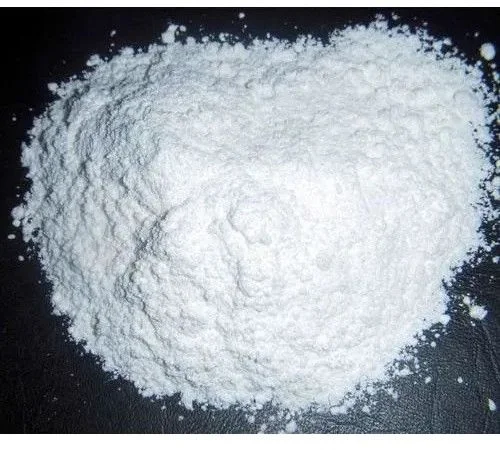
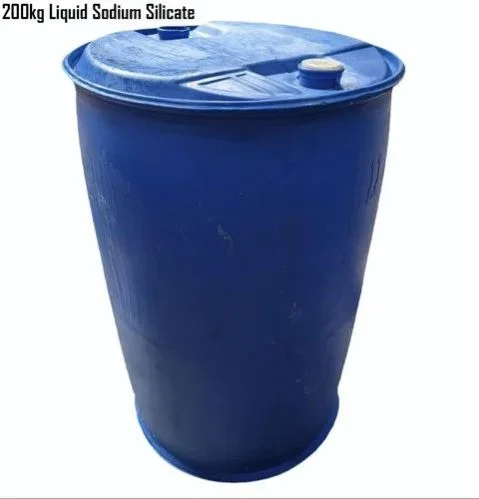
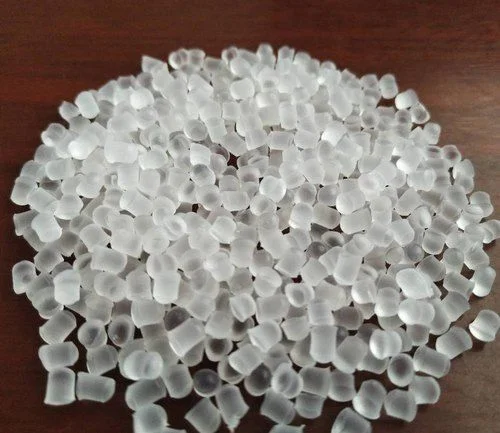
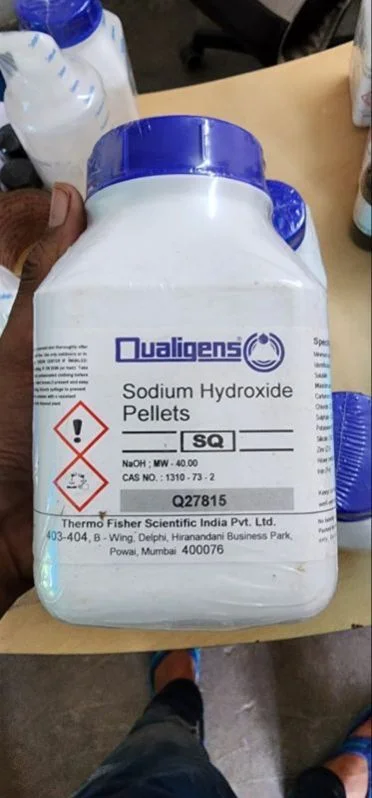
Potassium Silicate is commonly supplied with a K2O content of 45‑55 % and a silica (SiO2) ratio of 10‑15 %, packaged in 25 kg bags or 500 kg drums. Magnesium Chloride Hexahydrate is typically sold at 98‑99 % purity, with moisture content below 0.5 % and packaged in 25 kg bags. Soda Ash (sodium carbonate) is offered in dense or light grades, the dense grade containing ≥ 99.5 % Na2CO3 and a bulk density of 1.5 t/m³. Caustic Soda (sodium hydroxide) at 98‑99 % purity is standard for industrial use, often shipped in 25 kg bags or 1 ton totes. Ammonium Chloride and Calcium Chloride are usually supplied at 74‑97 % and up to 98 % purity respectively, with specifications for iron and heavy‑metal limits. Sodium Silicate solutions are graded by silica modulus (e.g., Na2O/SiO2 ratio 1.0‑3.5) and solid content 30‑45 %. Poly Aluminium Chloride (PAC) is marketed in polymeric forms with Al2O3 content of 30‑50 % for water treatment. 4A Zeolite is a synthetic aluminosilicate with a typical SiO2/Al2O3 ratio of 2.5‑3.5 and particle size 0.2‑0.5 mm. APSM, a composite layered sodium silicate, is supplied as a powder with moisture ≤ 5 % and silica content 30‑35 %.
Trade and Export Information - GRCC
China is a leading exporter of inorganic chemicals, with the majority of shipments destined for Asia‑Pacific, Europe, and North America. HS chapter 28 (inorganic chemicals) and chapter 25 (mineral products) are routinely examined by customs authorities, requiring a complete commercial invoice, a Material Safety Data Sheet (MSDS), and, where applicable, a Certificate of Analysis (CoA). Typical import regulations for magnesium, calcium, and ammonium chlorides include REACH registration for the EU and EPA compliance for the United States. Buyers often request ISO 9001 quality management certification and third‑party laboratory test reports to verify purity and heavy‑metal limits. Packaging for bulk chemicals from China commonly uses 25 kg polypropylene bags, 500 kg intermediate bulk containers (IBCs), or 20 ft/40 ft containers for larger volumes, with freight terms such as FOB Shanghai or CIF Los Angeles prevailing. Export documentation also includes a Phytosanitary Certificate for zeolite used in agricultural soil amendment when required by the destination country.
Sourcing from GRCC - Buyer Guidance
Prospective buyers should obtain a current MSDS for each chemical to confirm handling and storage requirements, and request a CoA that details purity, moisture, and heavy‑metal content against the typical specifications noted above. For Potassium Silicate and Sodium Silicate, buyers often verify the silica modulus and K2O/Na2O percentages. Samples in 500 g or 1 kg quantities are standard for initial quality assessment before placing bulk orders. Verify the supplier’s packaging options - 25 kg bags versus bulk drums - and confirm that the chosen packaging complies with the destination country’s import regulations. Request confirmation of any applicable certifications such as ISO 9001, REACH registration, or EPA TSCA compliance, even if the supplier does not list them explicitly. Clarify lead times, which for most inorganic chemicals from China range from 15 to 30 days after order confirmation, and discuss Incoterms to align with the buyer’s logistics strategy.
Frequently Asked Questions About GRCC
What types of chemicals does GRCC offer?
GRCC lists ten products, including Potassium Silicate, Magnesium Chloride Hexahydrate, Soda Ash (Sodium Carbonate), Caustic Soda (Sodium Hydroxide), Ammonium Chloride, Calcium Chloride, Sodium Silicate, polymeric aluminium chloride (PAC), 4A Zeolite and a composite layered sodium silicate (APSM).
Which HS codes are associated with GRCC’s products?
The catalogue assigns HS code 2827.31 to Magnesium Chloride, Ammonium Chloride and Calcium Chloride. Soda Ash carries HS 2836.20 and Caustic Soda carries HS 2815.11. The remaining items are listed without specific HS codes in the provided data.
What purity levels are typical for the chlorides supplied by GRCC?
Magnesium Chloride Hexahydrate is typically 98‑99 % pure, Calcium Chloride is offered in an industrial grade ranging from 74‑97 % (up to 98 % for higher grades), and Ammonium Chloride is generally supplied at a comparable 98‑99 % purity. Moisture content for these salts is usually below 0.5 %.
What documentation should I request before purchasing?
Buyers should request a current Material Safety Data Sheet (MSDS) and a Certificate of Analysis (CoA) that confirms purity, moisture, and heavy‑metal limits. Where applicable, ask for proof of REACH registration, ISO 9001 certification, or any other regulatory compliance required by the destination market.
What are the common packaging formats for GRCC’s chemicals?
Typical packaging includes 25 kg polypropylene bags for most salts, 500 kg intermediate bulk containers (IBCs) or 1 ton drums for bulk chemicals, and 20 ft or 40 ft containers for full‑load shipments. Packaging material complies with standard chemical‑handling requirements.
Which markets commonly import the categories GRCC supplies?
Inorganic chemicals such as silicates, chlorides and soda ash are regularly imported by water‑treatment plants, glass manufacturers, detergent producers and agricultural firms in regions like East Asia, the European Union and North America.
What lead time and Incoterms are usually applied for shipments from GRCC?
Lead times from order confirmation to shipment typically range from 15 to 30 days, depending on product and volume. Common Incoterms used by Chinese chemical exporters include FOB Shanghai and CIF to major ports such as Los Angeles, Rotterdam or Hamburg.




 , China