GPMR Products — Verified Supplier

About GPMR Products - Coco Peat & Coir Pith Supplier in India

India hosts GPMR Products, which currently lists 18 active items across the coir and coco‑peat families. The catalogue includes products such as Coco Fibers (HS 5305.10), Coco Bristol Fibers (HS 1401.20), Coir Yarn (HS 5308.10) and several items recorded without a specific HS code, illustrating the breadth of natural coconut‑based material offerings. Each entry references the raw material - primarily natural coconut husk or processed coir - and the supplier groups them under categories like Coco Peat & Coir Pith, Coir Fiber, Ropes, Twines and Garden Articles.

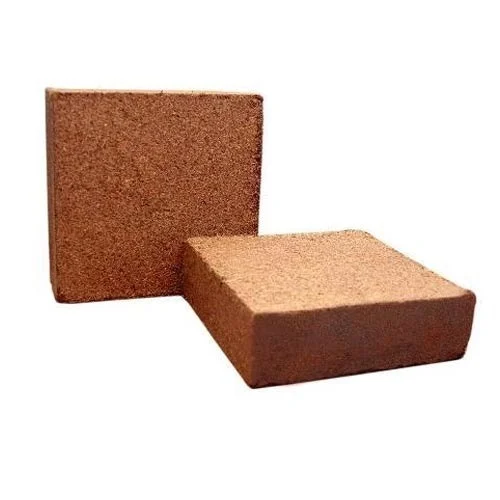
The product set spans raw fibers, processed ropes, woven mats, geo‑textiles, yarn, and a range of peat blocks distinguished by electrical conductivity (high EC and low EC). Grow Bags and small‑size grow bags are also listed, together with assorted garden articles and flower pots. The catalogue reflects typical Indian coir processing outputs, with multiple entries for similar items (e.g., Coco Peat Block, Cocopeat Low EC) that differ in specifications such as EC level or packaging size.

Product Range and Specialties of GPMR Products

The catalogue covers natural coconut fibers (5305.10 and 5305.19), brown coir fibers used for Bristol cloth (HS 1401.20), and 100 % coir yarn (HS 5308.10). In the global market, coir fibers are graded by length (30‑70 mm), tensile strength (30‑45 MPa) and moisture content (35‑45 %). Peat blocks are typically classified by electrical conductivity: low EC < 0.5 mS cm⁻¹ for seedling propagation and high EC > 1.0 mS cm⁻¹ for ornamental crops. Standard packaging includes 20‑ft containers with bulk bags of 1 tonne or 25 kg bags for retail use. Buyers also encounter coir geo‑textiles with tear resistance ≥ 150 N cm⁻¹ and water‑permeability values around 200 L h⁻¹ m⁻².

Trade and Export Information - GPMR Products

India is a major exporter of coir and coco‑peat, supplying Southeast Asian horticulture, Middle‑Eastern landscaping projects and European container‑grown vegetable sectors. The relevant HS chapters are 53 (vegetable fibers) and 14 (plaiting materials), which trigger phytosanitary certification and often require an ISO 9001 quality‑management system audit for bulk shipments. Typical export logistics involve FOB or CIF terms, with products packed in polypropylene‑lined bulk bags or wooden crates to protect moisture content during sea transit. Destination ports frequently request a Certificate of Origin, a Phytosanitary Certificate and, where applicable, compliance with EU REACH for organic residues.

Sourcing from GPMR Products - Buyer Guidance

Buyers should request a material data sheet that lists fiber length distribution, tensile strength, moisture level and EC values for peat blocks. A recent laboratory test report confirming compliance with ISO 9001, BIS standards for coir products, and a phytosanitary certificate are standard documents before finalizing an order. Verify that the HS code on the commercial invoice matches the product (e.g., 5305.10 for raw coco fibers) and confirm packaging dimensions to ensure container‑load optimization.

Frequently Asked Questions About GPMR Products

What HS codes apply to the coir products offered by GPMR Products?

The catalogue lists HS 5305.10 for raw coco fibers, HS 5305.19 for processed coco fiber, HS 1401.20 for brown coir Bristol fibers and HS 5308.10 for coir yarn. Items without a listed code fall under the broader 5305 or 5308 families depending on fiber form.

Which quality parameters are typical for coco peat blocks?

Coco peat blocks are usually graded by electrical conductivity (EC), with low‑EC variants below 0.5 mS cm⁻¹ and high‑EC variants above 1.0 mS cm⁻¹. Moisture content is commonly 35‑45 % and pH ranges from 5.5 to 6.5.

Are phytosanitary certificates required for importing coir rope?

Yes, most importing countries require a phytosanitary certificate for natural fiber products to confirm they are free of pests and soil contaminants. The certificate should reference the HS code (e.g., 5305.10) and the country of origin, India.

What packaging formats are used for bulk coir yarn shipments?

Bulk coir yarn is typically packed in 25 kg polypropylene‑lined bags or in 1‑tonne bulk bags for container loads. The packaging is designed to preserve fiber tensile strength and prevent moisture ingress.

Which certifications should a buyer verify before purchasing geo‑textiles?

Buyers should ask for ISO 9001 compliance, any relevant BIS certification for coir products, and test reports showing tear resistance (≥ 150 N cm⁻¹) and water‑permeability values. A phytosanitary certificate is also standard for natural fiber textiles.

What are common lead times for a full container load of coir mats?

Suppliers in India generally quote a lead time of 30‑45 days from order confirmation to shipment for a 20‑ft container of coir mats, assuming standard packaging and no custom processing.

How can I request a sample of the high‑EC coco peat block?

Contact the supplier to arrange a 5‑kg sample, specifying the desired EC level (high > 1.0 mS cm⁻¹). The sample should be accompanied by a test report covering EC, moisture, pH and any residual pesticide analysis.

What documentation is needed for customs clearance of coir rope?

Customs typically requires a commercial invoice with the correct HS code (5305.10 or 5305.19), a Certificate of Origin, a phytosanitary certificate, and any applicable ISO or BIS compliance certificates.


Featured Products from this Supplier

Other Suppliers in Primary Category

Top Trusted Suppliers

Related Products

Trending in Parent Category

More Suppliers in Category

Related Products

Other Suppliers

EximNext
58.4K+ live requirements
Register Free🎁 5 free buy-lead credits
Post Requirement
🌍 Trusted by 224.3K+ businesses in 200+ countries|
58.4K+ active requirements right now
✉️ [email protected]
|
Sell on EximNextPost Requirement
EximNext
AgricultureApparelConstructionElectronicFoodHomeIndustrialMineralsMiscellaneous
🔥 Deals|✨ AI Match|🏭 Suppliers|📋 Buy Leads|💰 Trade Finance|⭐ Upgrade
58.4K+ live RFQs·194.4K+ suppliers
🎁 5 free credits →
EximNext
EximNext
Register Free
🎁 5 free buy-lead credits
Sign In
📋Post Requirement💬Get QuotesAI Match📋RFQ Marketplace
All Categories
Services & Tools
🏭Supplier Directory🔥Today's Deals💰Trade FinanceMembership
Sell on EximNext
AboutContactBlogHelp
🏭

GPMR Products

Harbor
Country flag , India
🛡️
77/100
Trust Score

GPMR Products Product Catalog

Showing 12 of 18 products
View all products →
Coir Geo Textile
Harbor
Coir Geo Textile
Contact
MOQ: 1 Unit
Coir Mat
Harbor
Coir Mat
Contact
MOQ: 1 Unit
Cocopeat Low Ec
Harbor
Cocopeat Low Ec
Contact
MOQ: 1 Unit
Coco Fibre
Harbor
Coco Fibre
Contact
MOQ: 1 Unit
Coco Peat Block High EC
Harbor
Coco Peat Block High EC
Contact
MOQ: 1 Unit
Garden Articles
Harbor
Garden Articles
Contact
MOQ: 1 Unit
Grow Bags Small
Harbor
Grow Bags Small
Contact
MOQ: 1 Unit
Grow Bags
Harbor
Grow Bags
Contact
MOQ: 1 Unit
Coco Peat Block Low EC
Harbor
Coco Peat Block Low EC
Contact
MOQ: 1 Unit
Coco Fibers
Harbor
Coco Fibers
Contact
MOQ: 1 Unit
Coco peat Block
Harbor
Coco peat Block
Contact
MOQ: 1 Unit
Coco Peat Blocks
Harbor
Coco Peat Blocks
Contact
MOQ: 1 Unit

About GPMR Products - Coco Peat & Coir Pith Supplier in India

India hosts GPMR Products, which currently lists 18 active items across the coir and coco‑peat families. The catalogue includes products such as Coco Fibers (HS 5305.10), Coco Bristol Fibers (HS 1401.20), Coir Yarn (HS 5308.10) and several items recorded without a specific HS code, illustrating the breadth of natural coconut‑based material offerings. Each entry references the raw material - primarily natural coconut husk or processed coir - and the supplier groups them under categories like Coco Peat & Coir Pith, Coir Fiber, Ropes, Twines and Garden Articles.

The product set spans raw fibers, processed ropes, woven mats, geo‑textiles, yarn, and a range of peat blocks distinguished by electrical conductivity (high EC and low EC). Grow Bags and small‑size grow bags are also listed, together with assorted garden articles and flower pots. The catalogue reflects typical Indian coir processing outputs, with multiple entries for similar items (e.g., Coco Peat Block, Cocopeat Low EC) that differ in specifications such as EC level or packaging size.

Product Range and Specialties of GPMR Products

The catalogue covers natural coconut fibers (5305.10 and 5305.19), brown coir fibers used for Bristol cloth (HS 1401.20), and 100 % coir yarn (HS 5308.10). In the global market, coir fibers are graded by length (30‑70 mm), tensile strength (30‑45 MPa) and moisture content (35‑45 %). Peat blocks are typically classified by electrical conductivity: low EC < 0.5 mS cm⁻¹ for seedling propagation and high EC > 1.0 mS cm⁻¹ for ornamental crops. Standard packaging includes 20‑ft containers with bulk bags of 1 tonne or 25 kg bags for retail use. Buyers also encounter coir geo‑textiles with tear resistance ≥ 150 N cm⁻¹ and water‑permeability values around 200 L h⁻¹ m⁻².

Trade and Export Information - GPMR Products

India is a major exporter of coir and coco‑peat, supplying Southeast Asian horticulture, Middle‑Eastern landscaping projects and European container‑grown vegetable sectors. The relevant HS chapters are 53 (vegetable fibers) and 14 (plaiting materials), which trigger phytosanitary certification and often require an ISO 9001 quality‑management system audit for bulk shipments. Typical export logistics involve FOB or CIF terms, with products packed in polypropylene‑lined bulk bags or wooden crates to protect moisture content during sea transit. Destination ports frequently request a Certificate of Origin, a Phytosanitary Certificate and, where applicable, compliance with EU REACH for organic residues.

Sourcing from GPMR Products - Buyer Guidance

Buyers should request a material data sheet that lists fiber length distribution, tensile strength, moisture level and EC values for peat blocks. A recent laboratory test report confirming compliance with ISO 9001, BIS standards for coir products, and a phytosanitary certificate are standard documents before finalizing an order. Verify that the HS code on the commercial invoice matches the product (e.g., 5305.10 for raw coco fibers) and confirm packaging dimensions to ensure container‑load optimization.

Frequently Asked Questions About GPMR Products

What HS codes apply to the coir products offered by GPMR Products?

The catalogue lists HS 5305.10 for raw coco fibers, HS 5305.19 for processed coco fiber, HS 1401.20 for brown coir Bristol fibers and HS 5308.10 for coir yarn. Items without a listed code fall under the broader 5305 or 5308 families depending on fiber form.

Which quality parameters are typical for coco peat blocks?

Coco peat blocks are usually graded by electrical conductivity (EC), with low‑EC variants below 0.5 mS cm⁻¹ and high‑EC variants above 1.0 mS cm⁻¹. Moisture content is commonly 35‑45 % and pH ranges from 5.5 to 6.5.

Are phytosanitary certificates required for importing coir rope?

Yes, most importing countries require a phytosanitary certificate for natural fiber products to confirm they are free of pests and soil contaminants. The certificate should reference the HS code (e.g., 5305.10) and the country of origin, India.

What packaging formats are used for bulk coir yarn shipments?

Bulk coir yarn is typically packed in 25 kg polypropylene‑lined bags or in 1‑tonne bulk bags for container loads. The packaging is designed to preserve fiber tensile strength and prevent moisture ingress.

Which certifications should a buyer verify before purchasing geo‑textiles?

Buyers should ask for ISO 9001 compliance, any relevant BIS certification for coir products, and test reports showing tear resistance (≥ 150 N cm⁻¹) and water‑permeability values. A phytosanitary certificate is also standard for natural fiber textiles.

What are common lead times for a full container load of coir mats?

Suppliers in India generally quote a lead time of 30‑45 days from order confirmation to shipment for a 20‑ft container of coir mats, assuming standard packaging and no custom processing.

How can I request a sample of the high‑EC coco peat block?

Contact the supplier to arrange a 5‑kg sample, specifying the desired EC level (high > 1.0 mS cm⁻¹). The sample should be accompanied by a test report covering EC, moisture, pH and any residual pesticide analysis.

What documentation is needed for customs clearance of coir rope?

Customs typically requires a commercial invoice with the correct HS code (5305.10 or 5305.19), a Certificate of Origin, a phytosanitary certificate, and any applicable ISO or BIS compliance certificates.

About GPMR Products - Coco Peat & Coir Pith Supplier in India

India hosts GPMR Products, which currently lists 18 active items across the coir and coco‑peat families. The catalogue includes products such as Coco Fibers (HS 5305.10), Coco Bristol Fibers (HS 1401.20), Coir Yarn (HS 5308.10) and several items recorded without a specific HS code, illustrating the breadth of natural coconut‑based material offerings. Each entry references the raw material - primarily natural coconut husk or processed coir - and the supplier groups them under categories like Coco Peat & Coir Pith, Coir Fiber, Ropes, Twines and Garden Articles.

The product set spans raw fibers, processed ropes, woven mats, geo‑textiles, yarn, and a range of peat blocks distinguished by electrical conductivity (high EC and low EC). Grow Bags and small‑size grow bags are also listed, together with assorted garden articles and flower pots. The catalogue reflects typical Indian coir processing outputs, with multiple entries for similar items (e.g., Coco Peat Block, Cocopeat Low EC) that differ in specifications such as EC level or packaging size.

Product Range and Specialties of GPMR Products

The catalogue covers natural coconut fibers (5305.10 and 5305.19), brown coir fibers used for Bristol cloth (HS 1401.20), and 100 % coir yarn (HS 5308.10). In the global market, coir fibers are graded by length (30‑70 mm), tensile strength (30‑45 MPa) and moisture content (35‑45 %). Peat blocks are typically classified by electrical conductivity: low EC < 0.5 mS cm⁻¹ for seedling propagation and high EC > 1.0 mS cm⁻¹ for ornamental crops. Standard packaging includes 20‑ft containers with bulk bags of 1 tonne or 25 kg bags for retail use. Buyers also encounter coir geo‑textiles with tear resistance ≥ 150 N cm⁻¹ and water‑permeability values around 200 L h⁻¹ m⁻².

Trade and Export Information - GPMR Products

India is a major exporter of coir and coco‑peat, supplying Southeast Asian horticulture, Middle‑Eastern landscaping projects and European container‑grown vegetable sectors. The relevant HS chapters are 53 (vegetable fibers) and 14 (plaiting materials), which trigger phytosanitary certification and often require an ISO 9001 quality‑management system audit for bulk shipments. Typical export logistics involve FOB or CIF terms, with products packed in polypropylene‑lined bulk bags or wooden crates to protect moisture content during sea transit. Destination ports frequently request a Certificate of Origin, a Phytosanitary Certificate and, where applicable, compliance with EU REACH for organic residues.

Sourcing from GPMR Products - Buyer Guidance

Buyers should request a material data sheet that lists fiber length distribution, tensile strength, moisture level and EC values for peat blocks. A recent laboratory test report confirming compliance with ISO 9001, BIS standards for coir products, and a phytosanitary certificate are standard documents before finalizing an order. Verify that the HS code on the commercial invoice matches the product (e.g., 5305.10 for raw coco fibers) and confirm packaging dimensions to ensure container‑load optimization.

Frequently Asked Questions About GPMR Products
What HS codes apply to the coir products offered by GPMR Products?
The catalogue lists HS 5305.10 for raw coco fibers, HS 5305.19 for processed coco fiber, HS 1401.20 for brown coir Bristol fibers and HS 5308.10 for coir yarn. Items without a listed code fall under the broader 5305 or 5308 families depending on fiber form.
Which quality parameters are typical for coco peat blocks?
Coco peat blocks are usually graded by electrical conductivity (EC), with low‑EC variants below 0.5 mS cm⁻¹ and high‑EC variants above 1.0 mS cm⁻¹. Moisture content is commonly 35‑45 % and pH ranges from 5.5 to 6.5.
Are phytosanitary certificates required for importing coir rope?
Yes, most importing countries require a phytosanitary certificate for natural fiber products to confirm they are free of pests and soil contaminants. The certificate should reference the HS code (e.g., 5305.10) and the country of origin, India.
What packaging formats are used for bulk coir yarn shipments?
Bulk coir yarn is typically packed in 25 kg polypropylene‑lined bags or in 1‑tonne bulk bags for container loads. The packaging is designed to preserve fiber tensile strength and prevent moisture ingress.
Which certifications should a buyer verify before purchasing geo‑textiles?
Buyers should ask for ISO 9001 compliance, any relevant BIS certification for coir products, and test reports showing tear resistance (≥ 150 N cm⁻¹) and water‑permeability values. A phytosanitary certificate is also standard for natural fiber textiles.
What are common lead times for a full container load of coir mats?
Suppliers in India generally quote a lead time of 30‑45 days from order confirmation to shipment for a 20‑ft container of coir mats, assuming standard packaging and no custom processing.
How can I request a sample of the high‑EC coco peat block?
Contact the supplier to arrange a 5‑kg sample, specifying the desired EC level (high > 1.0 mS cm⁻¹). The sample should be accompanied by a test report covering EC, moisture, pH and any residual pesticide analysis.
What documentation is needed for customs clearance of coir rope?
Customs typically requires a commercial invoice with the correct HS code (5305.10 or 5305.19), a Certificate of Origin, a phytosanitary certificate, and any applicable ISO or BIS compliance certificates.

🏭
GPMR Products
Country flag , India
Harbor
77/100
Trust Score
📦
18
Products
Free to contact — no commission
Escrow payment available
Verified business identity
Compare more suppliers
Post a requirement — get 10 quotes free
Let verified suppliers compete for your business. Free, fast, no commitment.
EximNext Verified Supplier
Business identity verified
Physical address confirmed
Financial history checked
Certifications authenticated
Trade references validated
Due Diligence
Verify this supplier's real shipping history.
Every shipment, every buyer, every port. Trade data that can't be faked.
Run due diligence →
Discover More

Related Suppliers & Products

Explore similar suppliers, related products and trending categories

Featured Products from this Supplier

Other Suppliers in Primary Category

Top Trusted Suppliers

Related Products

Trending in Parent Category

More Suppliers in Category

Stay ahead in global trade
Weekly market insights & new supplier alerts.
EximNext
Exim Next is a leading global B2B marketplace, connecting over 205,000 verified suppliers and buyers across 200+ countries. As a trusted import export marketplace, it serves as the essential B2B portal for businesses worldwide, empowering them to expand their international reach. With Exim Next, businesses can trade smarter and grow faster.
SECURE PAYMENTS
VISAMastercardPayPalSWIFTL/CEscrow
Follow us
© 2026 EximNext