Glauben Merchex — Verified Supplier
About Glauben Merchex - Almonds Supplier in India
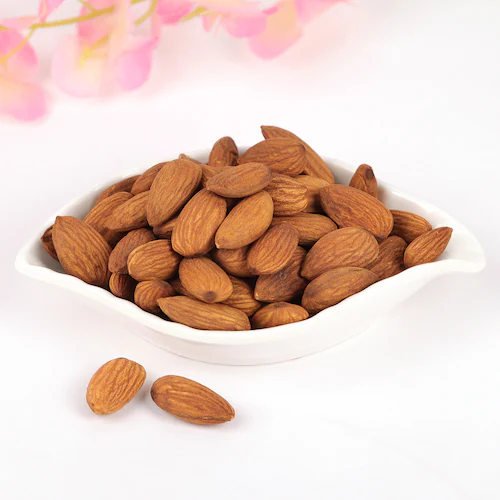
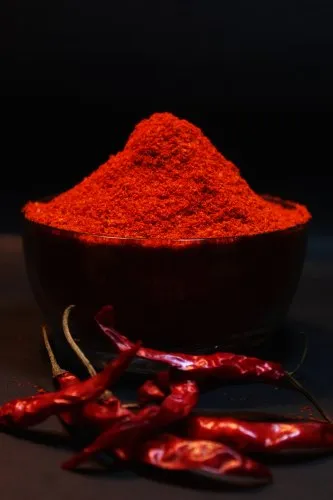
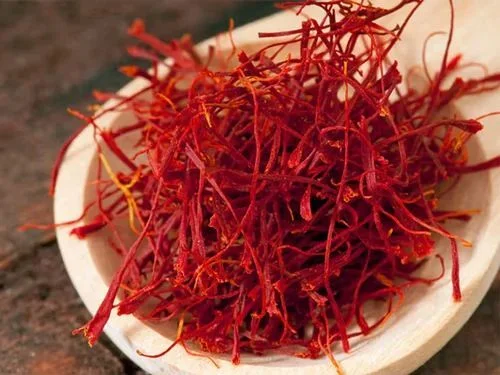
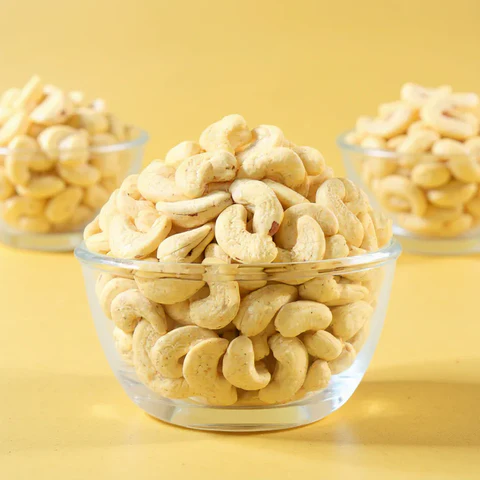
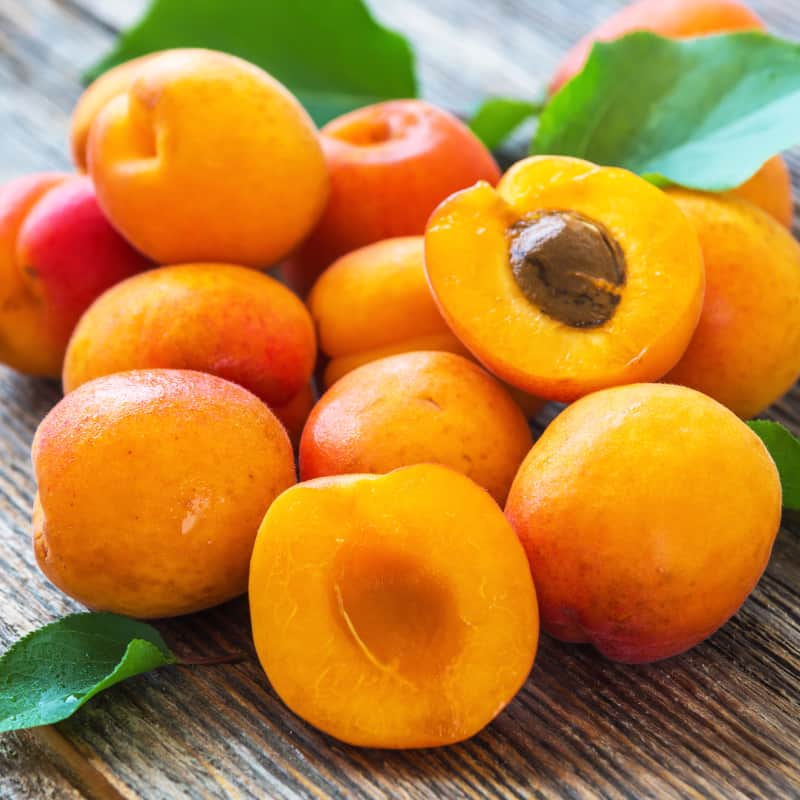
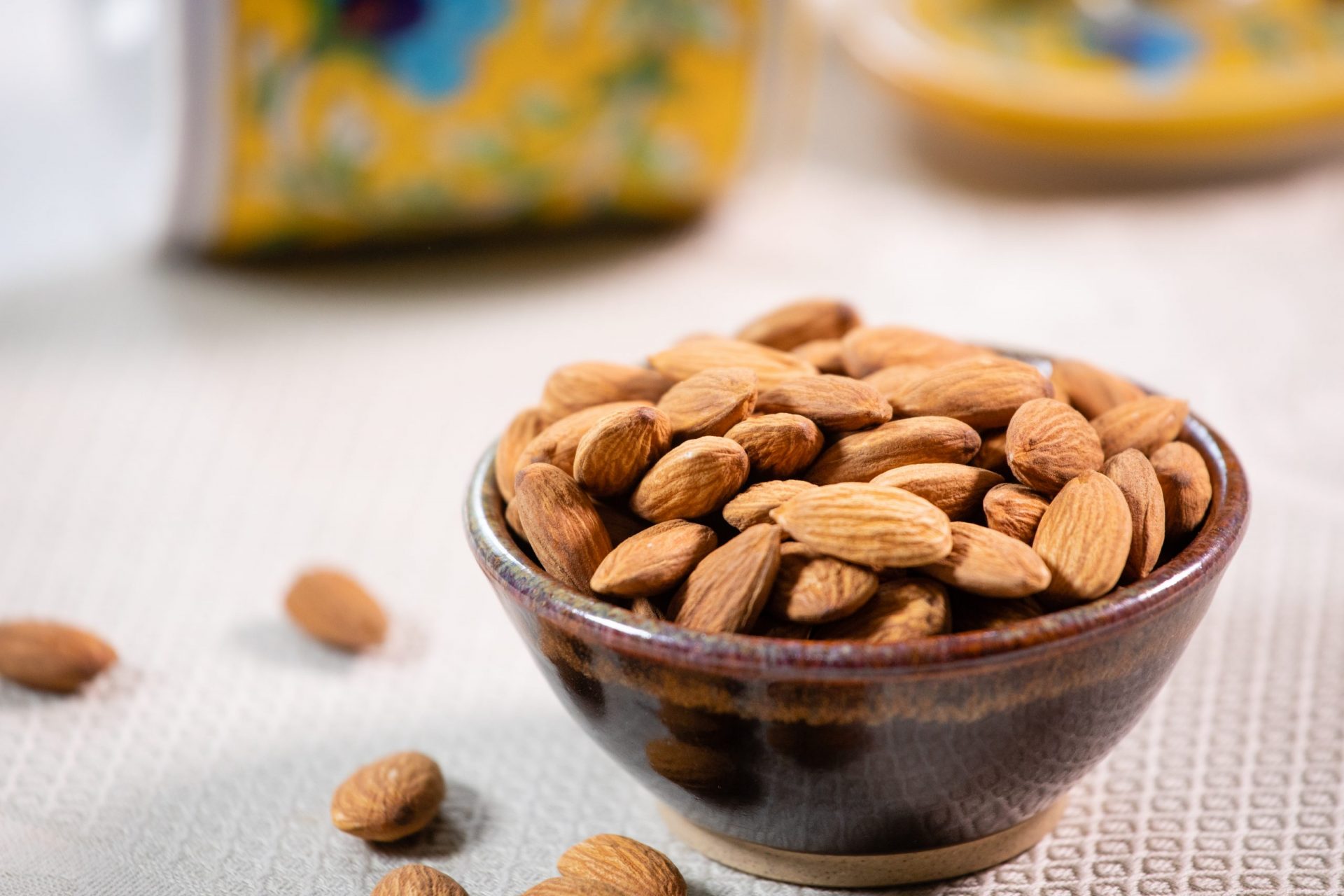
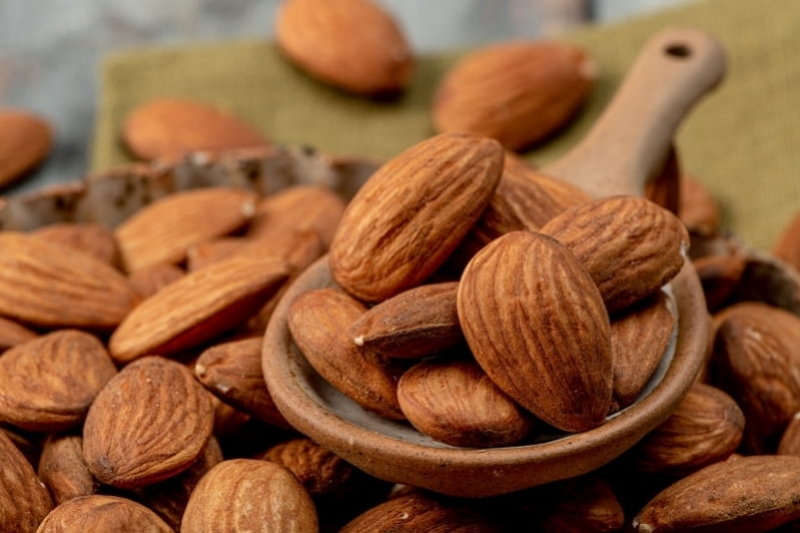
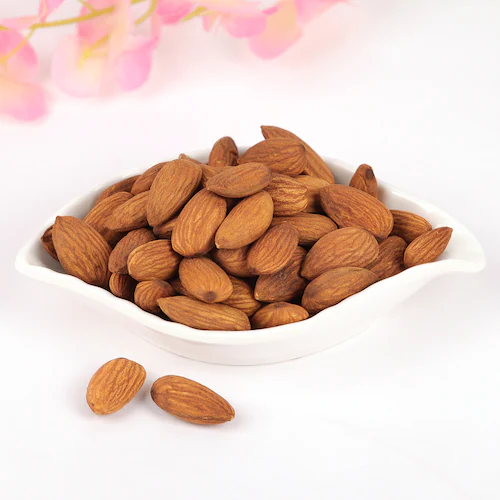
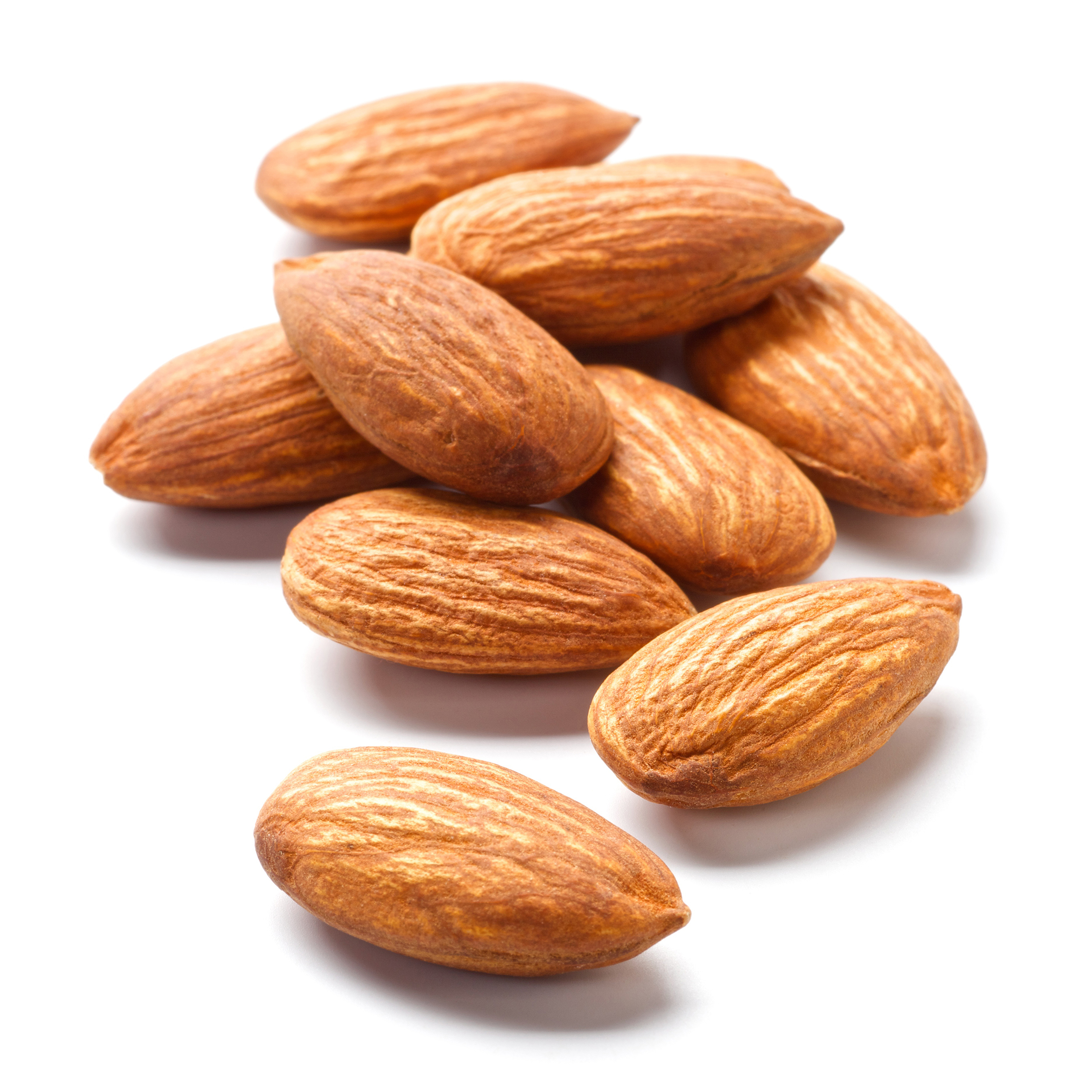
India supplies 11 listed products from Glauben Merchex, covering a range of nuts, dried fruits, and specialty spices. The catalogue includes three almond varieties - Senora, Mamra, and Gurbandi - each classified under HS chapter 0802.12 for fresh dried almonds. Additional entries comprise walnuts (Chilli), saffron, figs (Anjeer), apricots, pistachio, cashew nuts, a mixed seed trail mix, and fox nuts (Makhaana). The supplier’s active product count of eleven reflects a focused selection within the broader nut and dried‑fruit segment. The almond entries specify material descriptions such as premium grade A Mamra almonds and Gurbandi kernels, while the mixed seed blend and apricots are listed under HS code 0813.40 for other dried fruits and nuts. Saffron and the remaining nut items are listed without explicit HS codes in the source data.
Product Range and Specialties of Glauben Merchex
Glauben Merchex lists three almond grades that align with industry classifications ranging from Grade AA (large size, <7% moisture) to Grade A (standard size, <8% moisture). Typical specifications for Indian almonds include a shell‑on weight of 1.2‑1.5 kg per 25 kg bag, a uniform kernel color, and aflatoxin limits not exceeding 10 µg/kg. The walnut, pistachio, cashew and fox‑nut entries fall under the standard HS 0805‑0806 families, where buyers often request size grades (e.g., large, medium) and shell‑off percentages above 75 %. Dried figs and apricots are classified under HS 0813 and are usually sold with moisture content below 20 % and a minimum fruit‑to‑seed ratio. Saffron, a high‑value spice, is subject to ISO 3632 colour grading (Category I, II, or III) and is typically packed in airtight 250 g jars or 1 kg containers. The mixed seed trail mix combines dried berries and is commonly offered in 5 kg bulk bags with a declared composition of at least 30 % each berry type.
Trade and Export Information - Glauben Merchex
India is a major exporter of nuts, dried fruits and saffron, with the European Union, the United Arab Emirates and the United States representing the largest import markets for these categories. HS chapter 08 covers all listed products: 0802.12 for almonds, 0805 for walnuts, 0806 for pistachio and cashew, 0813.40 for mixed dried fruits and apricots, and 0910 for saffron. Buyers typically require food‑safety certifications such as FSSAI registration, ISO 22000 or HACCP compliance, and phytosanitary certificates issued by the Indian plant quarantine authority. For premium saffron, ISO 3632 colour grading and a certificate of analysis for crocin content are common prerequisites. Standard export packaging includes 25 kg polypropylene bulk bags for nuts, 1 kg PET jars for saffron, and 5 kg multi‑wall cartons for dried fruit mixes. Shipments are usually dispatched in 20‑ft or 40‑ft containers under CIF or FOB terms, with temperature‑controlled containers recommended for saffron to preserve volatile compounds.
Sourcing from Glauben Merchex - Buyer Guidance
When sourcing from Glauben Merchex, buyers should request a recent laboratory analysis covering moisture, aflatoxin, pesticide residues and, for saffron, crocin and picrocrocin levels. A phytosanitary certificate and a copy of the supplier’s FSSAI registration confirm compliance with Indian export regulations. Verify the HS code alignment (e.g., 0802.12 for almonds) and confirm the declared grade, shell‑off percentage and packaging dimensions before confirming a purchase order. Typical minimum order quantities for bulk nuts range from 500 kg to 1 ton, while saffron is often sourced in 5 kg increments; lead times of 30‑45 days are common after sample approval.
Frequently Asked Questions About Glauben Merchex
What almond varieties does Glauben Merchex offer and under which HS code are they classified?
The supplier lists three almond varieties - Senora, Mamra and Gurbandi - each recorded under HS code 0802.12 for fresh dried almonds. The product descriptions indicate premium grade A Mamra almonds, fresh dried Senora almonds and Gurbandi kernels.
Are HS codes provided for all listed products?
HS codes are supplied for the almond entries (0802.12) and for the mixed seed trail mix and apricots (0813.40). The remaining items such as walnuts, saffron, figs, pistachio, cashew nuts and fox nuts are listed without explicit HS codes in the source data.
What certifications should a buyer request for nuts and dried fruits from India?
Typical certifications include the supplier’s FSSAI registration, ISO 22000 or HACCP food‑safety certificates, and a phytosanitary certificate issued by the Indian plant quarantine authority. For organic‑labelled batches, an organic certification (e.g., NOP or EU organic) should also be verified.
What quality parameters are common for Indian almonds?
Buyers usually check kernel size, shell‑on weight (1.2‑1.5 kg per 25 kg bag), moisture content below 8 %, and aflatoxin levels not exceeding 10 µg/kg. Grade A almonds must also meet visual colour and uniformity standards.
How is saffron typically graded and packaged for export?
Saffron is graded according to ISO 3632 colour categories (I, II, III) based on crocin, picrocrocin and safranal content. Export packaging commonly involves airtight 250 g jars or 1 kg sealed containers to protect the volatile compounds during transit.
What are the typical packaging formats for the mixed seed trail mix?
The mixed seed trail mix is usually packed in 5 kg multi‑wall cartons or 25 kg bulk polypropylene bags, with the composition declared as a blend of dried cranberries, blueberries and raspberries.
What lead time and minimum order quantity can a buyer expect?
Lead times of 30‑45 days are typical after sample approval, and minimum order quantities generally start at 500 kg for bulk nuts, while saffron is often sourced in increments of 5 kg.
Which regions commonly import Indian nuts, dried fruits and saffron?
The European Union, the United Arab Emirates and the United States are the primary import markets for Indian nuts, dried fruits and saffron. Trade flows are supported by established logistics routes and compliance with HS chapter 08 regulations.




 , India