Four Kids Japan — Supplier
About Four Kids Japan - Baby Diapers Supplier in Japan
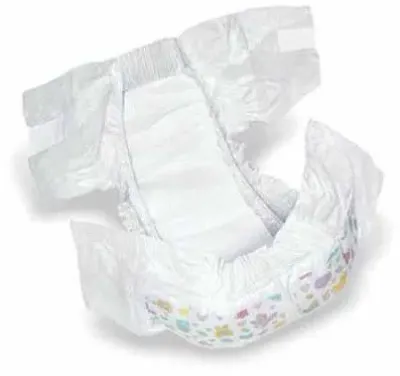
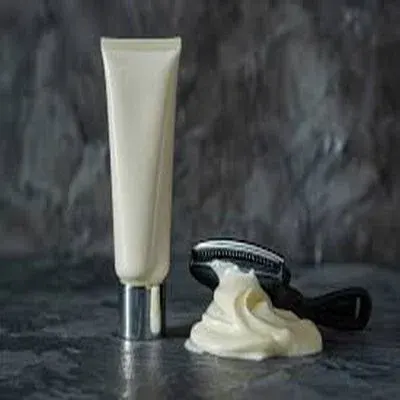
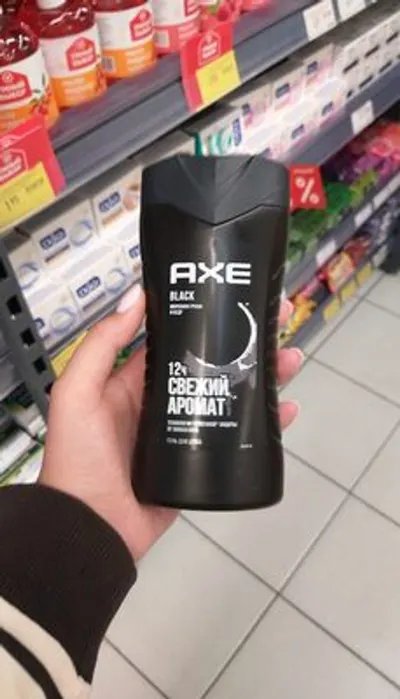
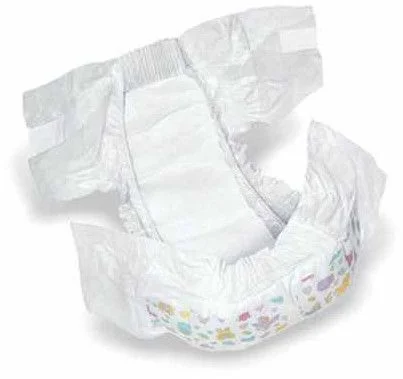
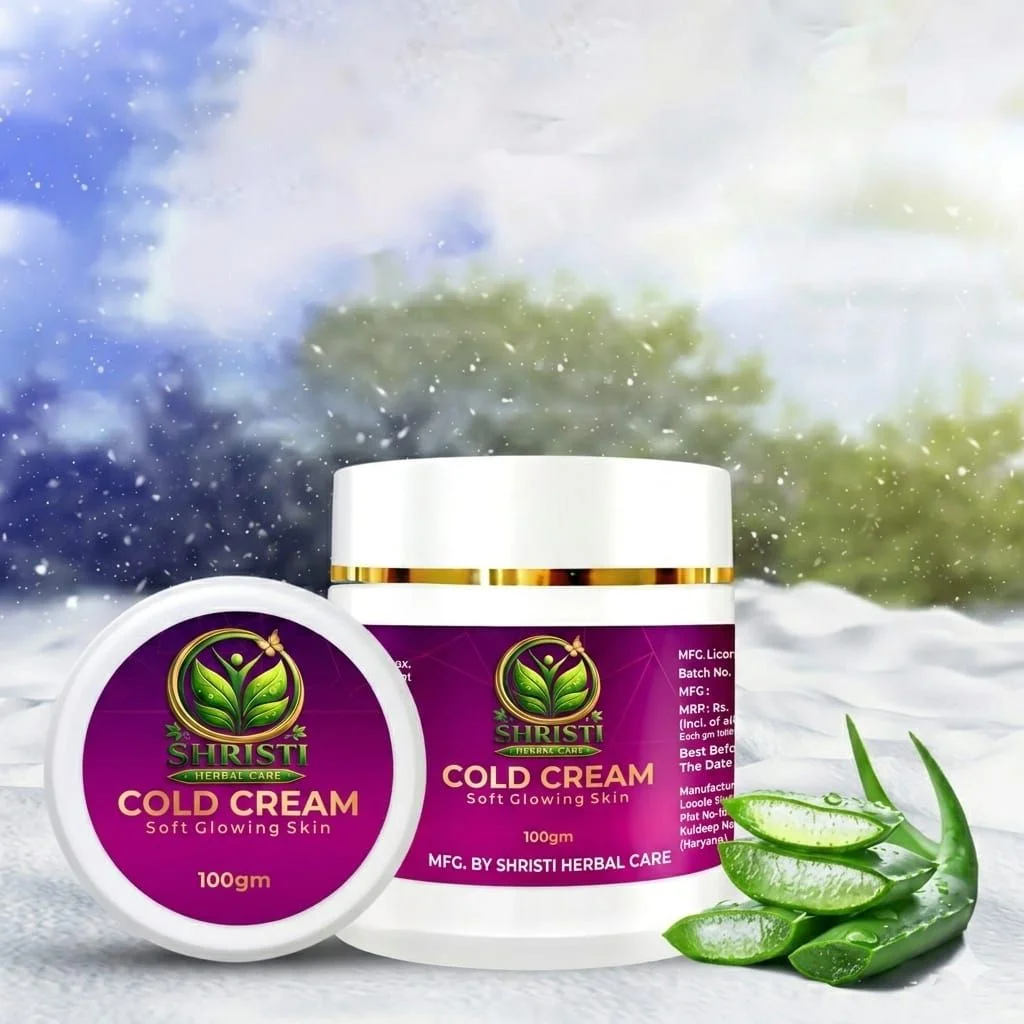
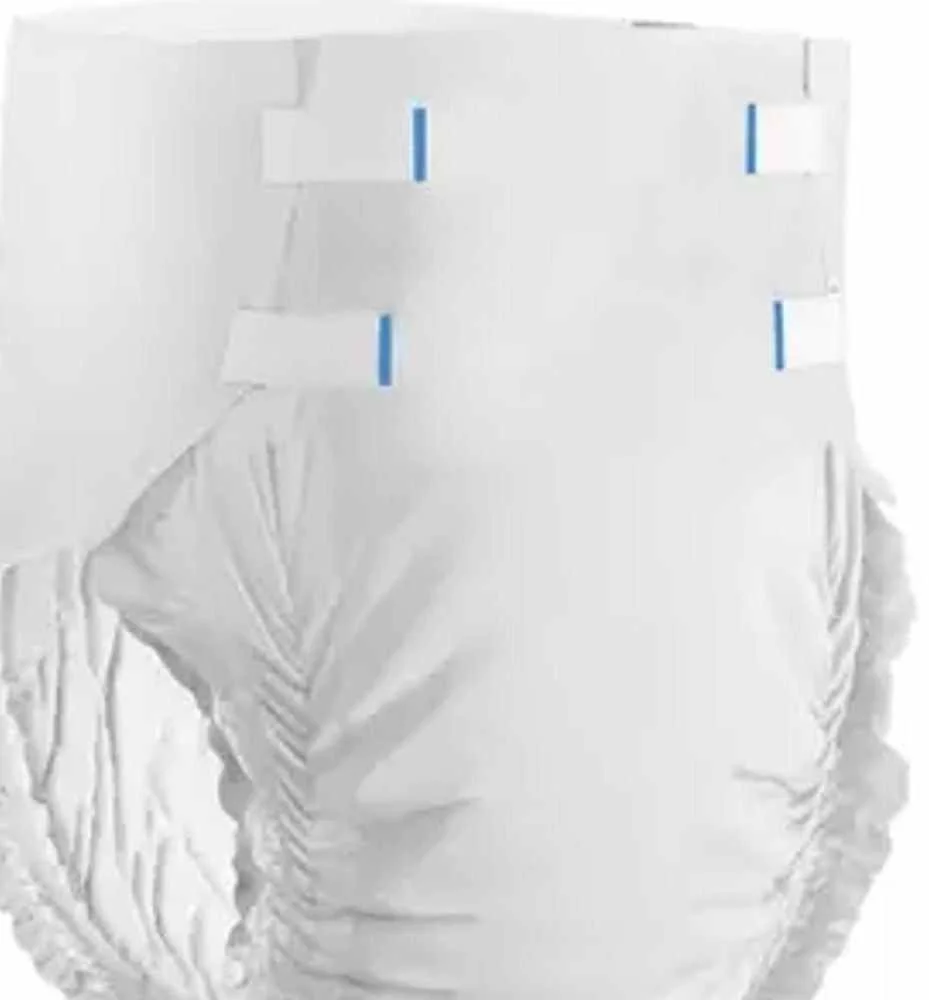
Japan‑based Four Kids Japan lists five active products in its catalogue. The items cover both personal‑care and food segments: baby and adult diapers, a deodorant product, Japanese snack items, and a hand‑cream formulation. The supplier’s top categories are recorded as baby diapers, chips and diapers, which aligns with the product titles in the catalogue. Each entry is presented without additional sub‑variants, indicating a focused but diversified offering. The catalogue does not provide HS‑code details, so classification must be confirmed with the supplier during the sourcing process.
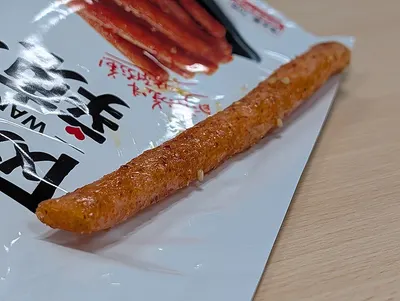
The five products are grouped under two broad categories: hygiene (diapers, deodorant, hand cream) and snack foods (Japanese snacks). Diapers are listed for both infant and adult use, suggesting a range of sizes and absorbency levels typical for the market. The deodorant and hand‑cream items fall under personal‑care cosmetics, where ingredient safety and skin‑compatibility are standard concerns. Japanese snacks generally refer to grain‑based or sea‑weed snacks that conform to Japan’s food safety standards. Buyers should verify each product’s material composition and regulatory compliance before placing orders.
Product Range and Specialties of Four Kids Japan
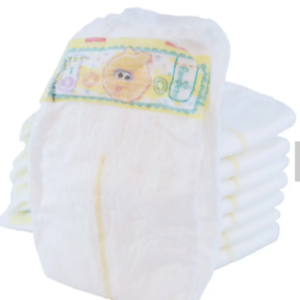
Four Kids Japan’s catalogue includes diaper products labelled simply as “Diapers (Baby & Adult)” and “Diapers”, a deodorant, a hand‑cream and a line of Japanese snacks. In the diaper sector, buyers normally assess absorbency measured in grams, core SAP (super‑absorbent polymer) content, and size dimensions such as waist circumference and leg length. Personal‑care cosmetics such as deodorant and hand‑cream are evaluated for active ingredient concentration, pH balance, and preservative system, with typical specifications referencing ISO 22716 for manufacturing practices. Japanese snack items are commonly graded by flavor profile, moisture content (usually below 5 %), and compliance with food additive regulations under the Japanese Food Sanitation Act. While the supplier’s list does not detail these parameters, the industry standards described are the benchmarks buyers use to compare product quality.
Trade and Export Information - Four Kids Japan
Japan exports personal‑care goods and processed food items to a wide set of markets, notably Southeast Asia, the United States, and the European Union. Diaper shipments are frequently classified under HS Chapter 96 (articles of apparel and accessories) and require compliance with textile safety standards such as REACH for the EU or CPSIA for the US. Deodorant and hand‑cream fall under HS Chapter 33 (essential oils and cosmetics) and are subject to labeling requirements for ingredient disclosure and allergens. Japanese snack products are classified under HS Chapter 19 and must meet phytosanitary certification for certain ingredients when shipped to the EU or North America. Typical Incoterms used by Japanese exporters include FOB Yokohama or CIF Shanghai, with containerised loads of 20 ft or 40 ft depending on order volume.
Sourcing from Four Kids Japan - Buyer Guidance
When sourcing from Four Kids Japan, buyers should request a product data sheet that details diaper absorbency (g), core SAP percentage, size chart, and material composition (e.g., non‑woven polypropylene). For the deodorant and hand‑cream, a safety data sheet (SDS), ingredient list, and any relevant cosmetic compliance certificates (e.g., ISO 22716 audit report) are standard verification documents. Snack items require a certificate of analysis (COA) showing moisture level, microbial limits, and a food safety audit report such as JFS or HACCP. Because the supplier’s catalogue does not list certifications, buyers are advised to ask the exporter to provide any existing ISO, GMP or export‑specific certificates and to confirm packaging details such as inner‑bag material, outer carton dimensions and weight per unit.
Frequently Asked Questions About Four Kids Japan
What types of diapers does Four Kids Japan offer?
The catalogue lists two diaper entries: one described as “Diapers (Baby & Adult)” and a separate “Diapers” line, indicating both infant and adult sizes are available.
Are the diaper products classified under a specific HS code?
The supplier’s data does not include HS codes; buyers should confirm the appropriate HS 96‑xxx code for hygiene articles during the quotation process.
What personal‑care products are in the range?
Four Kids Japan provides a deodorant and a hand‑cream, both falling under typical cosmetic categories that require ingredient disclosure and safety data sheets.
What snack category does the supplier list?
The catalogue mentions “Japanese Snacks”, which are generally grain‑based or sea‑weed snack items that are subject to food‑safety regulations in the export market.
Which documents should a buyer request before ordering?
Buyers should ask for product data sheets, safety data sheets, certificates of analysis for food items, and any existing ISO or GMP certificates the supplier holds.
What are the usual shipping terms for products from Japan?
Japanese exporters commonly use FOB ports such as Yokohama or CIF to Asian hubs; container sizes are typically 20 ft for smaller volumes and 40 ft for larger orders.
Is there a minimum order quantity (MOQ) mentioned?
The supplier’s public catalogue does not state an MOQ; buyers need to inquire directly for quantity thresholds per product.
How can a buyer verify product quality?
Request laboratory test reports for diaper absorbency, ingredient purity for cosmetics, and microbial testing for snack items; these reports are standard industry verification tools.




 , Japan