Ferroc Ltd. — Verified Supplier
About Ferroc Ltd. - Soaps & Detergents Supplier in Lithuania
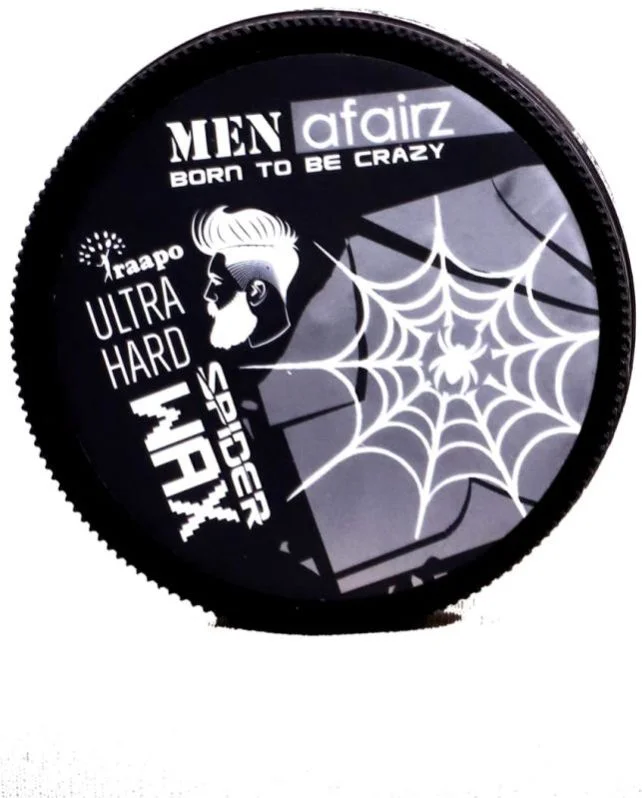
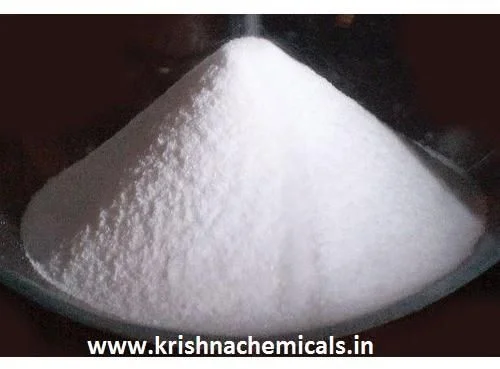
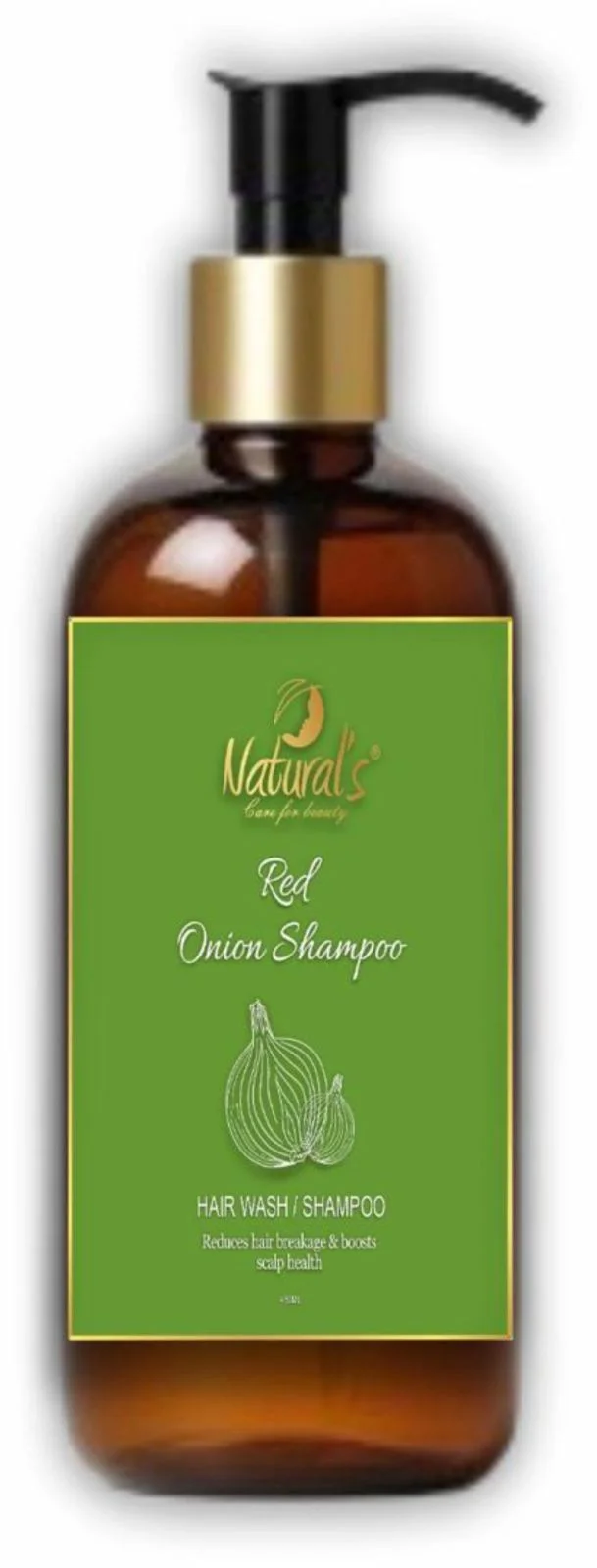
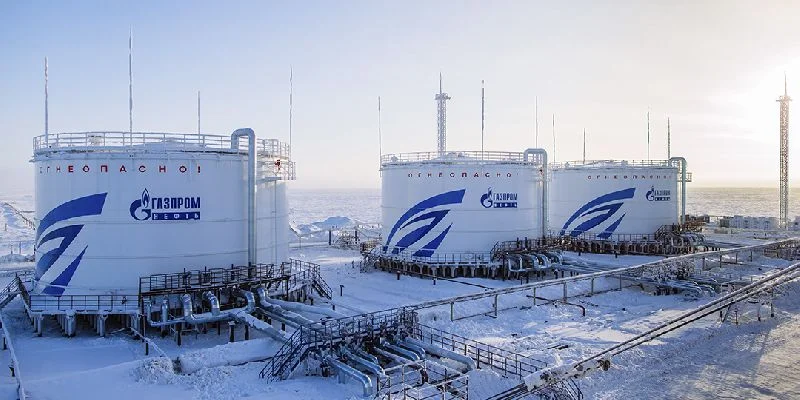
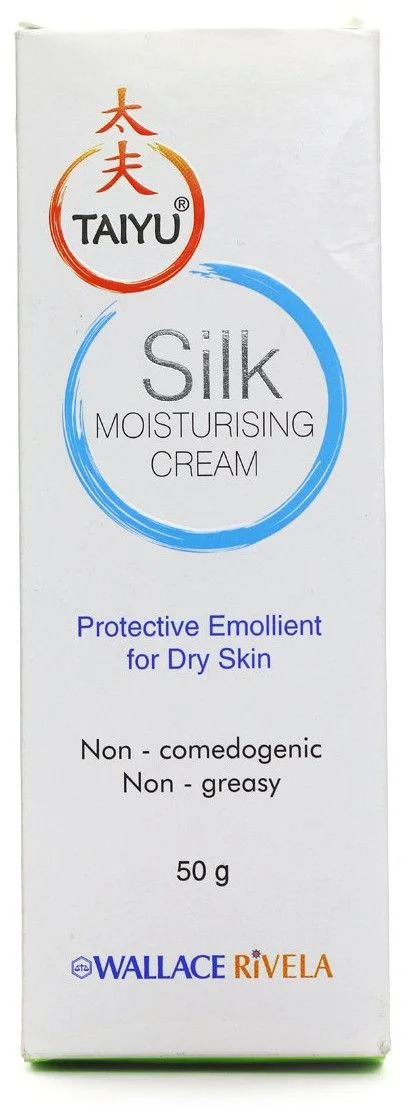
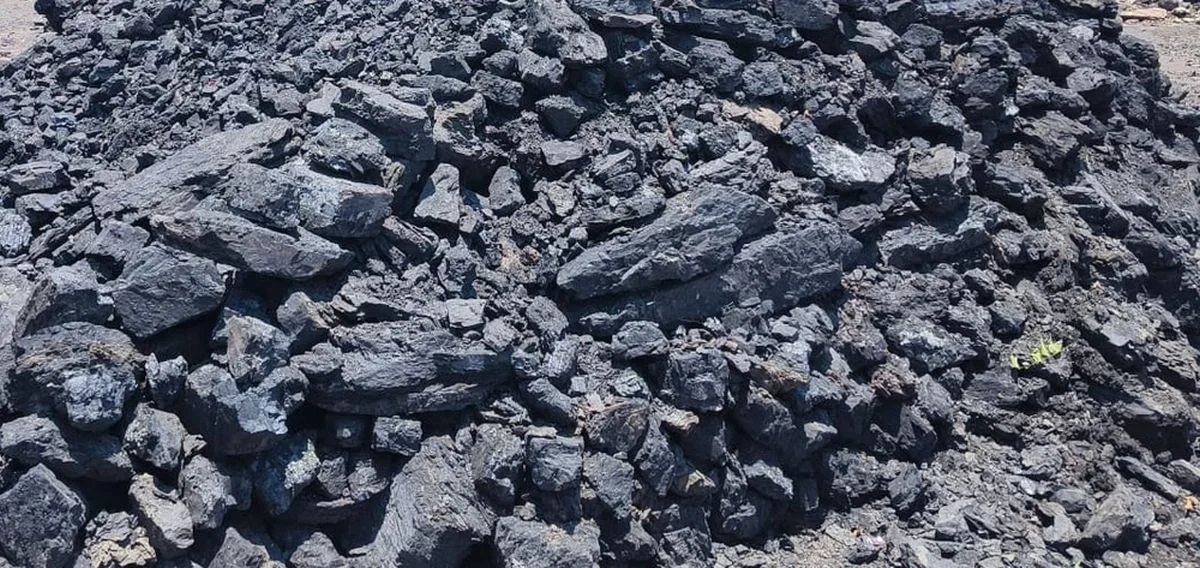
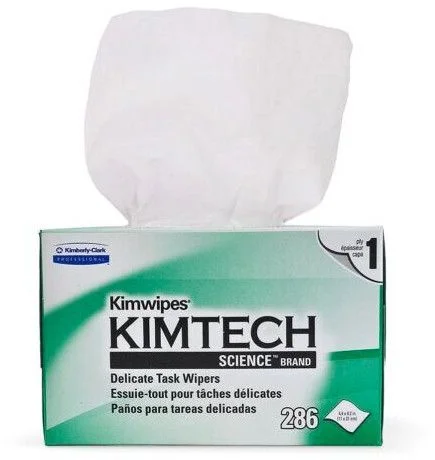
Lithuania, a Baltic EU member, hosts Ferroc Ltd. with an active catalogue of 14 distinct products. The supplier lists items across several categories, including Soaps & Detergents such as Ariel 5 kg detergent, generic Washing Powder, Head & Shoulders Shampoo, NIVEA Bath 750 ml Creme Care and Nivea Baby Wipes. In the food‑grade segment the catalogue contains Arabica Coffee Beans, Buckwheat Groats, Pearl Barley (HS 1104.19, processed Hordeum vulgare, pearled) and Sugar Beet Pulps Pellets. The petroleum by‑product line features Mazut M100, LPG and Coal, while additional commodities include Potassium Chloride and Wax.
Ferroc Ltd.’s product list also covers agricultural and energy commodities that are commonly traded from Lithuania. The coffee entry refers to raw Arabica beans, the buckwheat entry to whole groats, and the barley entry to a pearled grain classified under HS 1104.19. The petroleum segment lists heavy fuel oil (Mazut M100) and liquefied petroleum gas, both standard export items from the region. The remaining items - Potassium Chloride and Wax - are typical bulk chemicals shipped in bulk bags or drums. No other product types or quantitative details are disclosed beyond the 14 items recorded.
Product Range and Specialties of Ferroc Ltd.
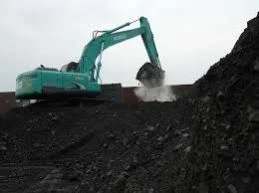
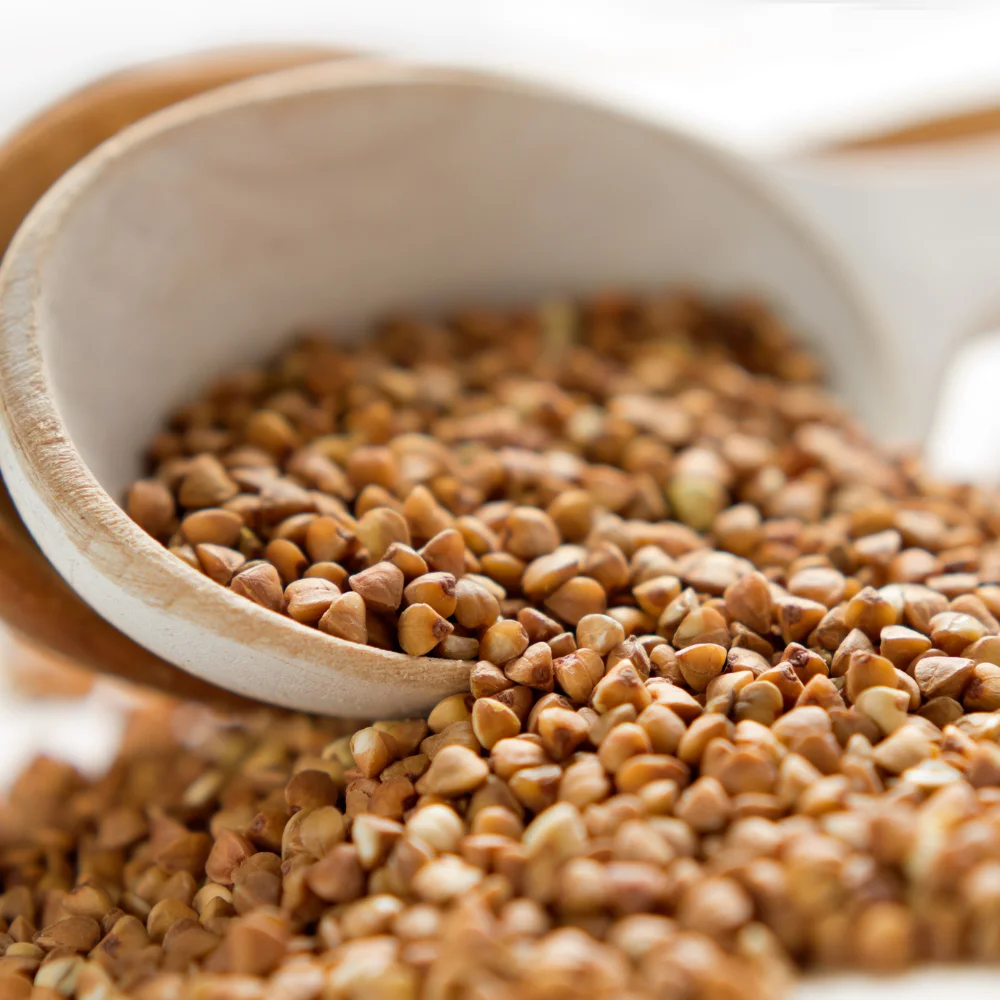
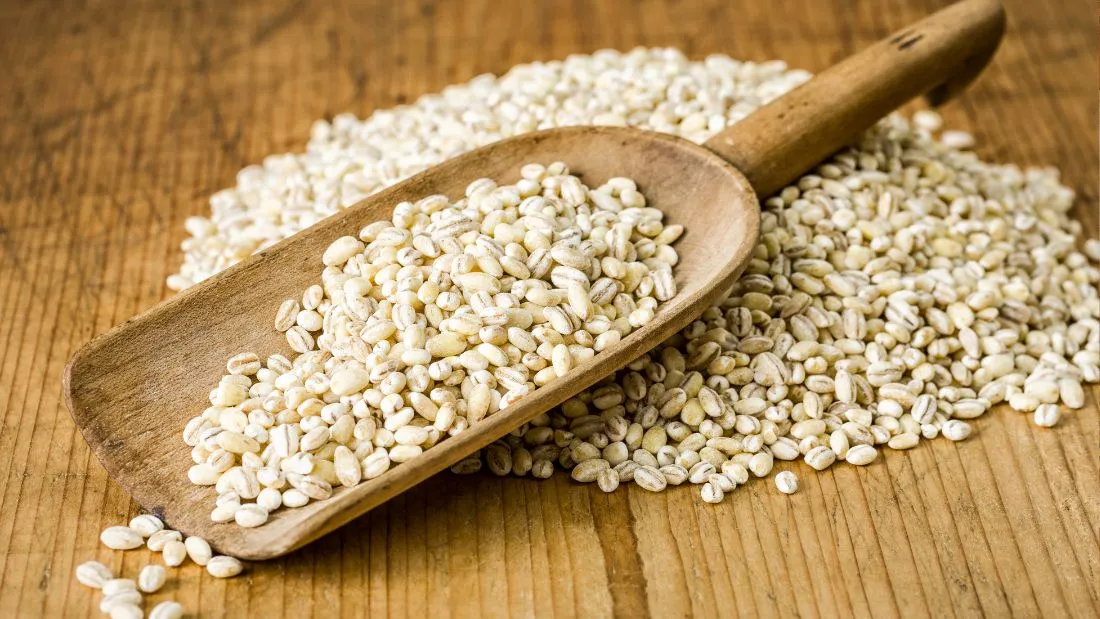
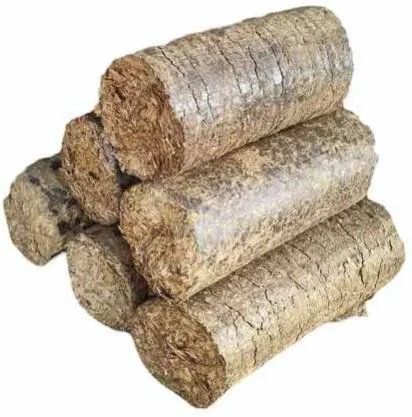
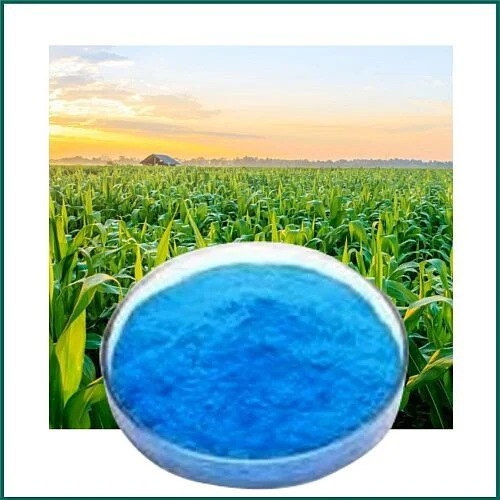
The detergent range comprises Ariel 5 kg powder, generic washing powder, Head & Shoulders shampoo, NIVEA Bath creme and Nivea Baby wipes. In the European market such detergents are usually formulated to meet REACH registration limits for surfactants (typically 10‑30 % active ingredient) and to comply with ISO 9001 quality management when certified. Coffee beans are listed as Arabica, a grade that generally has a screen size of 16‑18 mm, moisture content below 12 %, and a cup score above 80 in SCA testing. Buckwheat groats are typically dried to 12‑14 % moisture and sized 3‑6 mm. Pearl Barley under HS 1104.19 is usually pearled to 95 % removal of hull and bran, with moisture 12‑14 % and protein 10‑12 %. Mazut M100 is a heavy fuel oil with viscosity 300‑500 mm²/s at 50 °C and sulfur ≤1 % by weight, while LPG is a propane‑butane mix often 95 % propane. Coal and briquette grades are generally thermal grade with calorific value 4‑6 MJ/kg and ash content below 20 %. Potassium chloride is shipped as a granular fertilizer salt, typically 99 % purity. Wax products are usually paraffin or microcrystalline grades with melting points between 45‑70 °C.
Industry standards for these categories include ISO 22000 for food safety, ISO 14001 for environmental management of petroleum products, and ASTM D1655 for fuel oil specifications. Buyers often request certificates of analysis (CoA) that detail moisture, impurity levels, and compliance with the relevant HS‑code specifications.
Trade and Export Information - Ferroc Ltd.
Lithuania’s access to the Baltic Sea via the Port of Klaipėda makes it a logistical hub for bulk and containerized goods. Soaps & Detergents (HS 3401‑3402) and other chemical products are frequently exported to EU markets such as Germany, Poland and the Netherlands, where REACH compliance and safety data sheets are mandatory. Coffee beans (HS 0901) from Lithuania are typically shipped to specialty roasters in Western Europe and the Middle East; they are subject to phytosanitary certificates and may require aflatoxin testing. Grain products like Pearl Barley (HS 1104) and Buckwheat (HS 1008) are commonly destined for food processors in the EU and North Africa, with moisture‑proof containerization standard. Petroleum by‑products such as Mazut M100 (HS 2709) and LPG (HS 2711) are exported to the Baltic region, Eastern Europe and occasionally to the Middle East, often under CIF Klaipėda terms. Coal and briquette shipments follow bulk cargo regulations, using 20‑ft or 40‑ft containers with moisture‑controlled liners. Typical certifications requested by importers include REACH registration for chemicals, ISO 9001 or ISO 14001 for quality and environmental management, and origin certificates for agricultural goods.
Sourcing from Ferroc Ltd. - Buyer Guidance
When sourcing detergents from Ferroc Ltd., request the latest Material Safety Data Sheet (MSDS) and a Certificate of Analysis that confirms surfactant concentration, pH and absence of prohibited substances. For Arabica coffee beans, ask for a moisture test report, a mycotoxin (aflatoxin) analysis, and a phytosanitary certificate that meets EU import requirements. Buckwheat groats and Pearl Barley should be accompanied by a grain analysis report showing moisture, impurity and protein content, as well as a clean‑grain certification. Fuel oil (Mazut M100) buyers should obtain a test report covering viscosity at 50 °C, sulfur content, flash point and compliance with IMO 2020 limits. LPG shipments require a cylinder inspection certificate and a declaration of the propane‑butane ratio. For bulk chemicals such as Potassium Chloride and Wax, request purity certificates and, where applicable, ISO 9001 audit reports. Verifying that the HS code on shipping documents matches the product description helps avoid customs delays.
Frequently Asked Questions About Ferroc Ltd.
What HS codes does Ferroc Ltd. use for its grain products?
Pearl Barley is listed under HS 1104.19, which covers processed and pearled barley. Other grain items such as Buckwheat Groats typically fall under HS 1008, while coffee beans are classified under HS 0901.
Which certifications should I ask for when buying detergents from this supplier?
Request a Material Safety Data Sheet (MSDS) and, if available, a REACH registration certificate. A Certificate of Analysis showing surfactant percentage, pH and absence of prohibited substances is also standard.
Are samples available for the Arabica Coffee Beans?
Buyers can request a 5‑kg sample bag, which should be accompanied by a moisture test report, a mycotoxin analysis and a phytosanitary certificate before larger shipments.
What are the typical packaging formats for LPG and Mazut M100?
LPG is commonly shipped in 45‑kg steel cylinders or ISO‑tank containers, while Mazut M100 is usually loaded in bulk tankers or 20‑ft containers with sealed drums, both under CIF Klaipėda terms.
How is the quality of Coal verified before export?
Importers should ask for a fuel analysis report that includes calorific value (4‑6 MJ/kg), ash content (<20 %), moisture level and sulfur percentage, as well as a bulk sample for independent testing.
What documentation is required for exporting Potassium Chloride?
A Certificate of Analysis confirming ≥99 % purity, a safety data sheet, and an origin certificate are standard documents for potassium chloride shipments.
Can the supplier provide ISO‑based quality management documentation?
Ferroc Ltd. does not list any specific ISO certifications in the provided facts; buyers should request copies of any ISO 9001, ISO 14001 or ISO 22000 certificates the supplier may hold.
What incoterms are commonly used for Ferroc Ltd.’s shipments?
Typical incoterms include CIF (Cost, Insurance, Freight) to the Port of Klaipėda for bulk goods and FOB (Free on Board) for containerized items such as coffee beans and barley.




 , Lithuania