Agriculture›
 Apparel and fashion accessories›
 Construction & real estate›💡Electronic & Electrical›🍎Food & Beverages›🛋️Home furnishing & supplies›⚗️Industrial goods & chemical›🪨Minerals & metals›📦Miscellaneous›Agriculture›Apparel and fashion accessories›Construction & real estate›💡Electronic & Electrical›🍎Food & Beverages›🛋️Home furnishing & supplies›⚗️Industrial goods & chemical›🪨Minerals & metals›📦Miscellaneous›
Fafs Industrial Filters & Filteration Systems
⚓ Harbor , United StatesNew supplier / no reviews yet
Fafs Industrial Filters & Filteration Systems Product Catalog
About Fafs Industrial Filters & Filteration Systems - Industrial Filters Supplier in United States
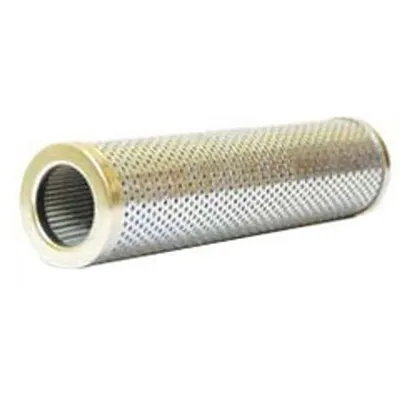
Fafs Industrial Filters & Filteration Systems is based in the United States and currently lists seven distinct filter products. The supplier focuses on the Industrial Filters and Welding & Wire Mesh Machinery categories as indicated in its catalogue. All listed items fall under the broader classification of filtration equipment used in process and manufacturing environments. The product portfolio includes both metal and ceramic filter types designed for high‑temperature and high‑pressure applications. No additional product families or services are mentioned in the provided data.
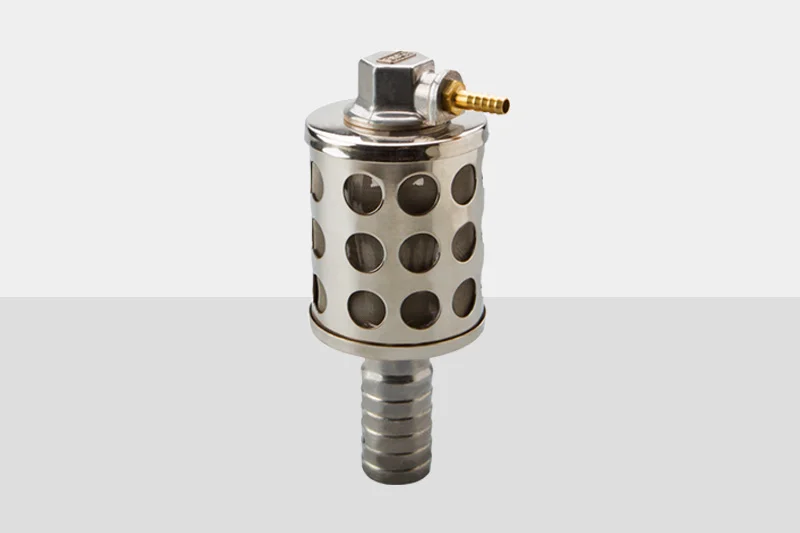
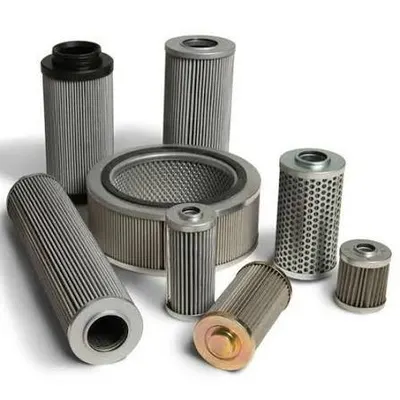
The catalogue enumerates sintered stainless steel filters, sintered bronze filters, sintered ceramic filters, wedge wire filters, a stainless steel magnetic filter, sintered porous filters, and a generic industrial filter entry. Sintered metal filters are typically produced by powder metallurgy and offer controlled pore structures. Wedge wire filters consist of interlaced wire meshes that create a depth‑filtration media. The magnetic filter incorporates stainless steel elements to capture ferrous particles from fluid streams. Each product is presented without explicit HS codes or certification details in the source information.
Product Range and Specialties of Fafs Industrial Filters & Filteration Systems
Sintered stainless steel filters are commonly manufactured from 304 or 316L grades and are available in micron ratings from 0.1 µm to 10 µm, meeting ASTM A403 specifications for corrosion resistance. Sintered bronze filters typically use phosphor bronze alloys and are selected for applications requiring good thermal conductivity and moderate chemical resistance, often complying with ASTM B555. Sintered ceramic filters are usually based on alumina or cordierite matrices, offering high temperature stability up to 1,200 °C and pore sizes ranging from 5 µm to 50 µm, referenced against ISO 9001 quality management procedures. Wedge wire filters employ stainless steel or carbon steel wire meshes with mesh openings between 0.5 mm and 5 mm, providing depth filtration and structural integrity under cyclic loading. The stainless steel magnetic filter is designed to capture ferrous contaminants and is often rated by magnetic field strength (e.g., 0.5 Tesla) and flow capacity up to 200 m³/h. Sintered porous filters combine a metal matrix with controlled porosity, typically achieving permeability of 0.1 - 1 Darcy and are used in liquid filtration where low pressure drop is critical.
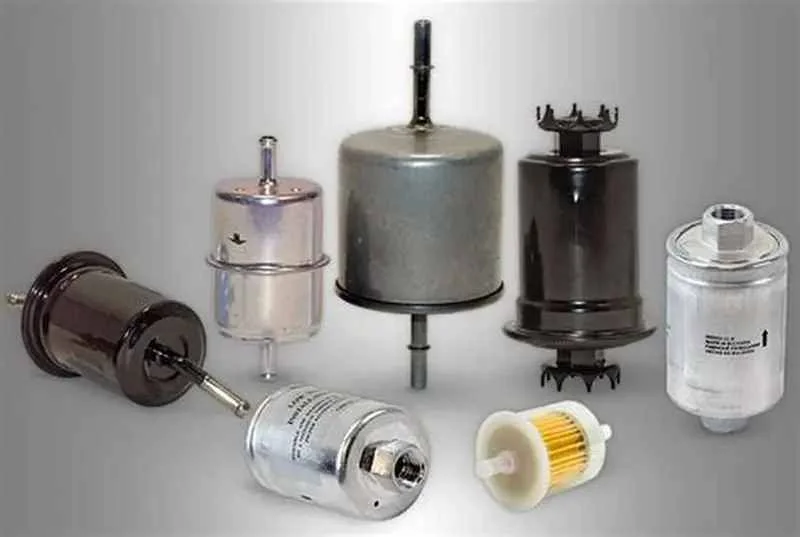
Industrial filters as a generic category include cartridge, bag, and plate‑type designs that conform to ASME B16.34 pressure vessel standards and are sized for standard pipe diameters (e.g., DN50 to DN200). Buyers frequently specify compliance with FDA 21 CFR Part 177 for food‑contact applications or with ISO 14644 for clean‑room environments. Typical packaging for these filters involves wooden crates or bulk pallets sized for 20‑ft containers, with protective film to prevent surface damage during transit.
Frequently Asked Questions About Fafs Industrial Filters & Filteration Systems
What types of filter media does Fafs Industrial Filters & Filteration Systems offer?
The catalogue lists sintered stainless steel, sintered bronze, sintered ceramic, wedge wire, stainless steel magnetic, and sintered porous filters, covering metal and ceramic media. Each product is listed without an HS code, so buyers should confirm the exact classification for customs purposes.
Are the sintered metal filters suitable for high‑temperature applications?
Sintered stainless steel and bronze filters are typically rated up to 800 °C and 600 °C respectively, meeting standard powder‑metallurgy specifications for temperature resistance. For temperatures above these limits, buyers should verify whether a ceramic variant is more appropriate.
What standard specifications should I verify for the stainless steel magnetic filter?
Buyers usually request compliance with ASTM A240 for the stainless steel grade and a magnetic field strength test, often documented in an ISO‑based performance report. Additionally, a pressure drop test at the intended flow rate is commonly requested.
Which certifications are commonly required for industrial filters exported from the United States?
Importers often ask for ISO 9001 quality management certification, material mill test reports, and, where food‑contact is involved, FDA 21 CFR 177 compliance. Specific market regulations may also require a CE marking for European destinations.
What packaging and shipping formats are typical for these filters?
Filters are generally packed in wooden crates or bulk pallets sized for 20‑ft containers, with protective film or foam inserts to prevent damage during transport. Moisture‑resistant liners are often included for filters destined for humid climates.
United StatesRelated Suppliers & Products
Explore similar suppliers, related products and trending categories