Agriculture›
 Apparel and fashion accessories›
 Construction & real estate›💡Electronic & Electrical›🍎Food & Beverages›🛋️Home furnishing & supplies›⚗️Industrial goods & chemical›🪨Minerals & metals›📦Miscellaneous›Agriculture›Apparel and fashion accessories›Construction & real estate›💡Electronic & Electrical›🍎Food & Beverages›🛋️Home furnishing & supplies›⚗️Industrial goods & chemical›🪨Minerals & metals›📦Miscellaneous›
Epigraph Enterprise Pvt Ltd
⚓ Harbor , IndiaNew supplier / no reviews yet
Epigraph Enterprise Pvt Ltd Product Catalog
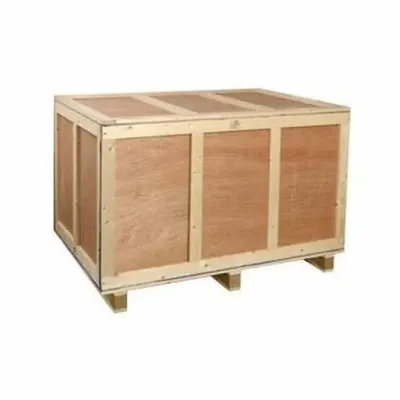
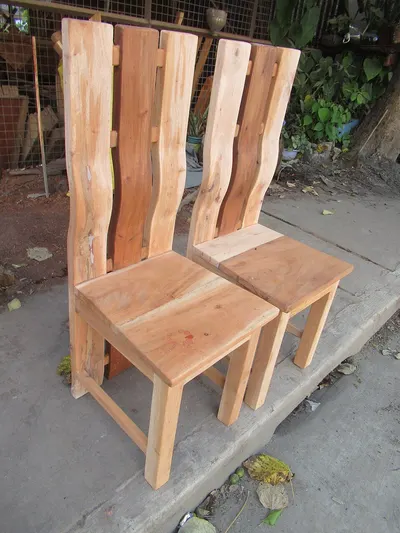
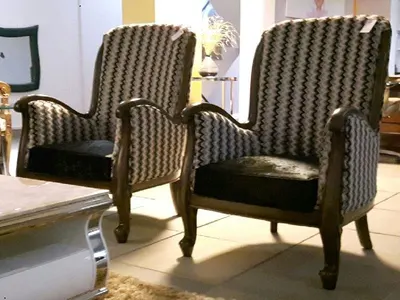
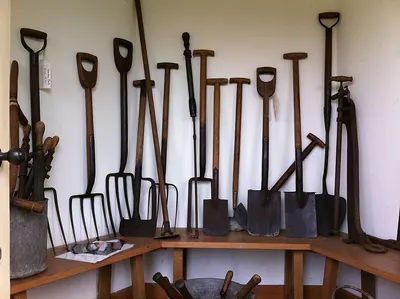

About Epigraph Enterprise Pvt Ltd - Garden Tools Supplier in India
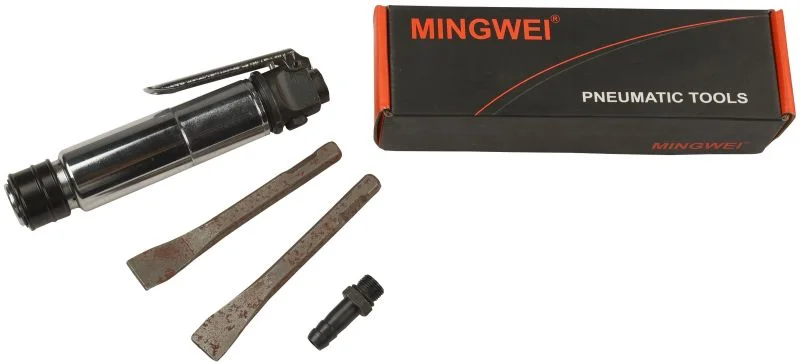
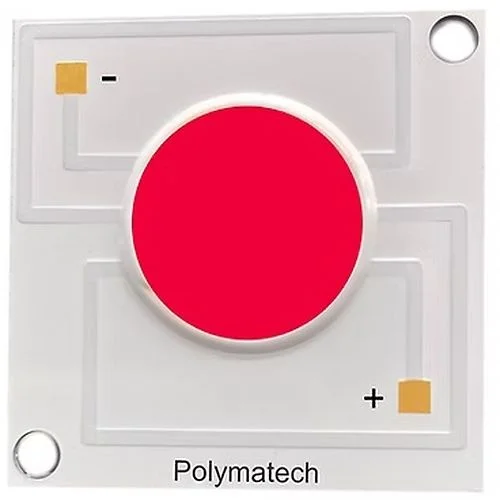
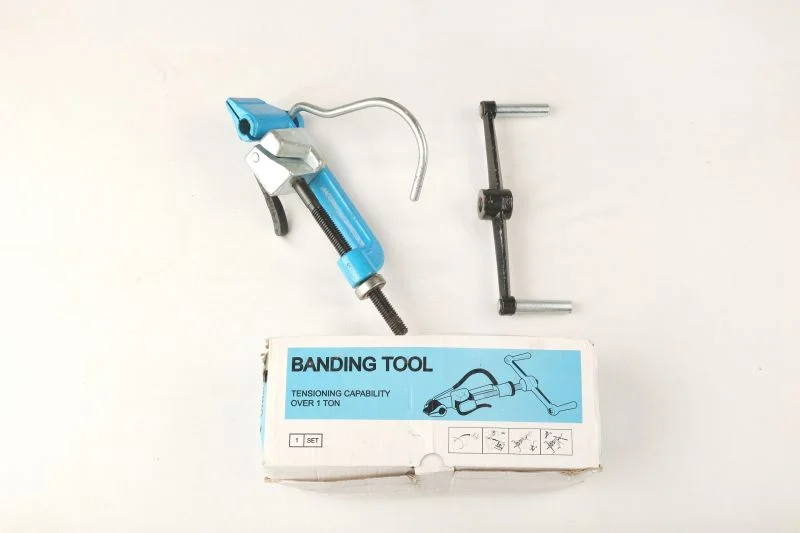
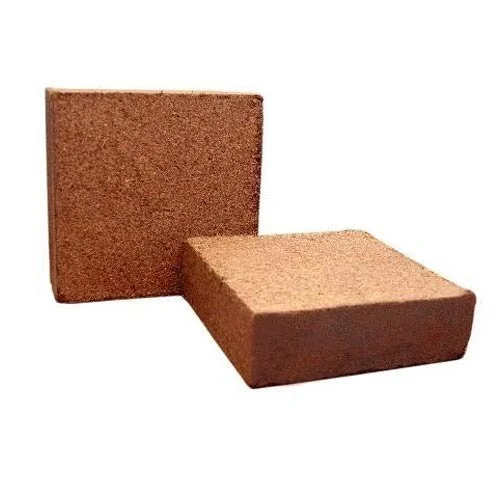
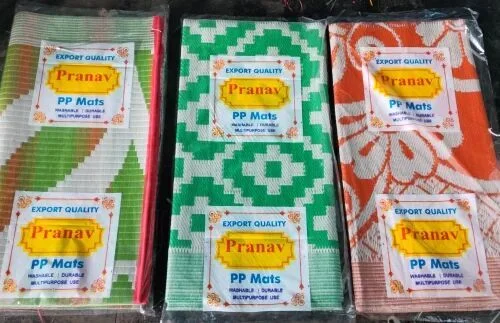
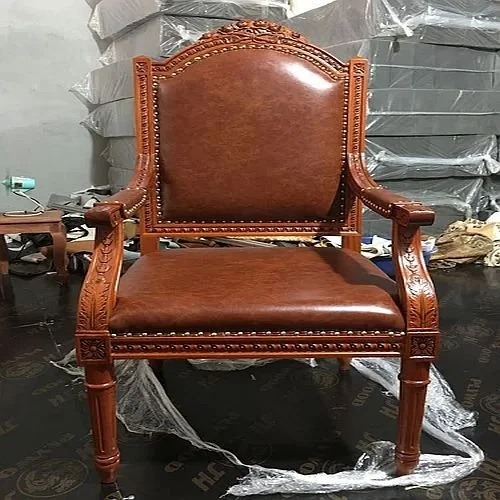
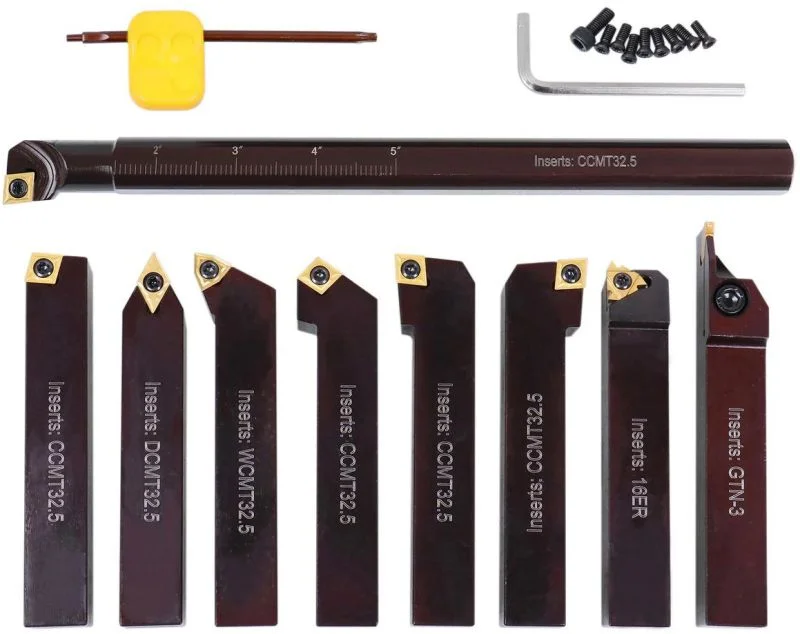
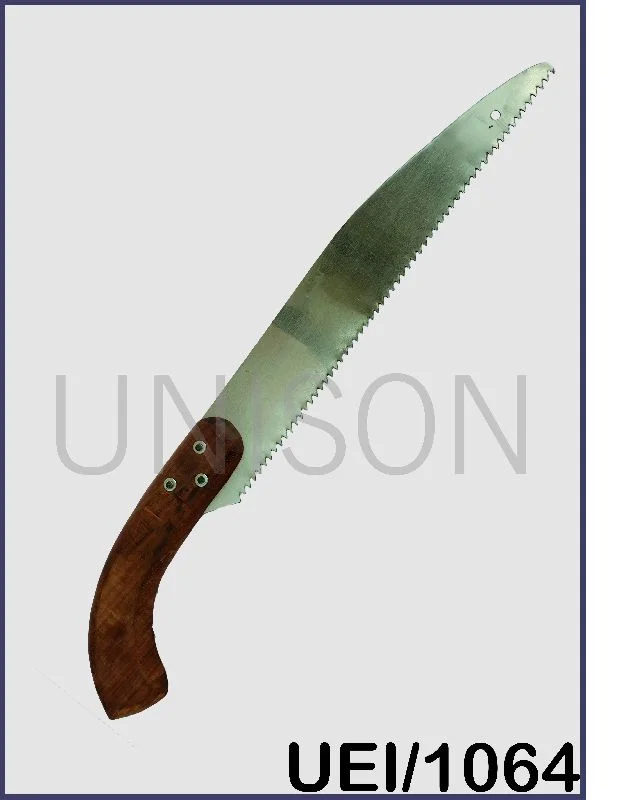
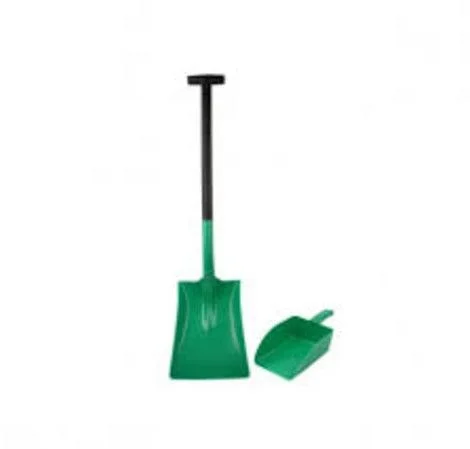
India is the origin of Epigraph Enterprise Pvt Ltd, which currently lists 11 distinct products in its catalogue. The catalogue covers garden hand tools, digging tools, coir doormats, coco peat, cushions (HS 9404.90), lighting lamps, striking tools, carpets & rugs, wooden boxes, wooden stools and wooden chairs. Materials are specified for cushions as cotton, polyester, linen, velvet or canvas, reflecting the textile mix used. The supplier’s top categories also mention canned vegetables and carpets, showing a broader product focus beyond the listed items. The HS code for cushions places them under chapter 94, the international classification for furniture and related articles.
The product list aligns with common HS chapters: garden hand tools and digging tools fall under chapter 82 (tools), coir doormats under chapter 57 (carpets and other textile floor coverings), coco peat under chapter 12 (plants and parts), lighting lamps under chapter 85 (electrical equipment), striking tools under chapter 82, carpets & rugs under chapter 57, and wooden boxes, stools and chairs under chapters 44 and 94 respectively. Each category is typically sold in bulk or containerised form, with wooden furniture often packed in 40‑ft containers on pallets, while textiles and coir products are usually shipped in cartons or bulk bags. No additional company history, employee numbers or revenue figures are provided.
Product Range and Specialties of Epigraph Enterprise Pvt Ltd
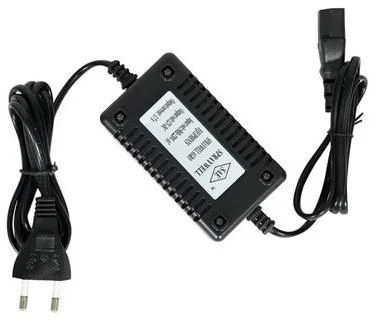
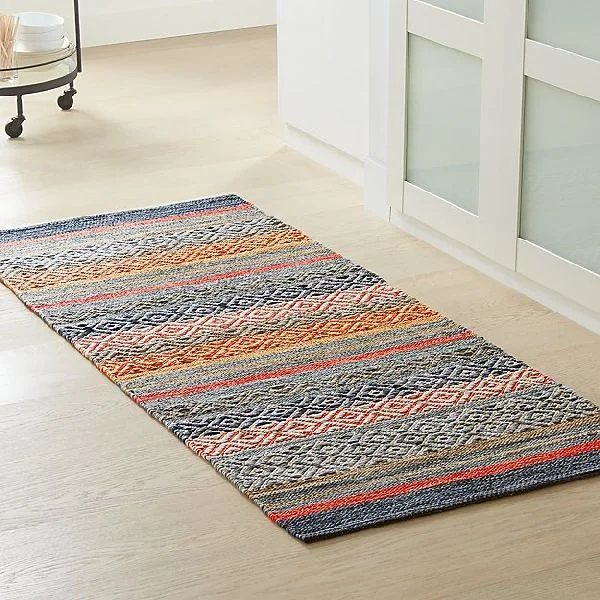
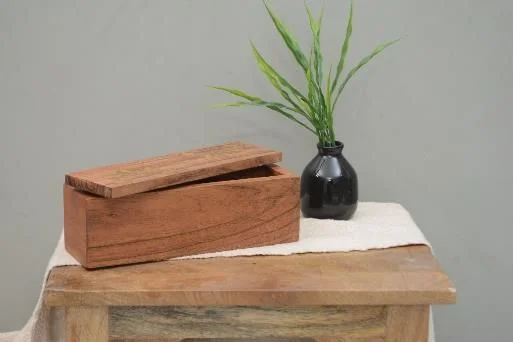
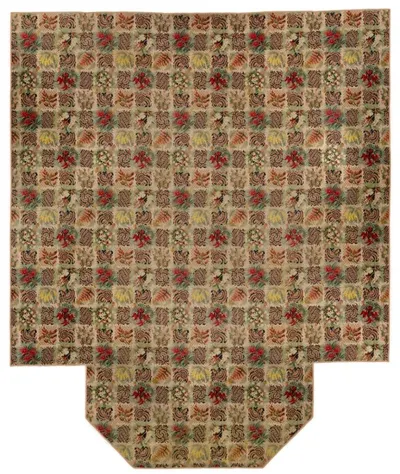
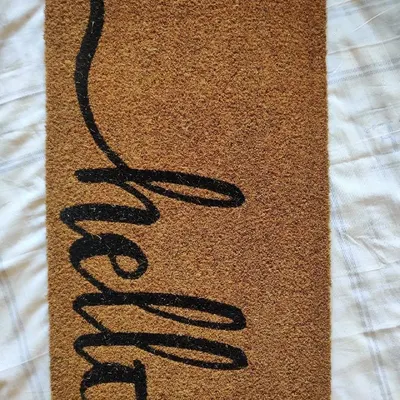
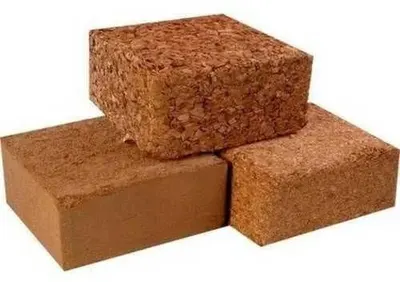
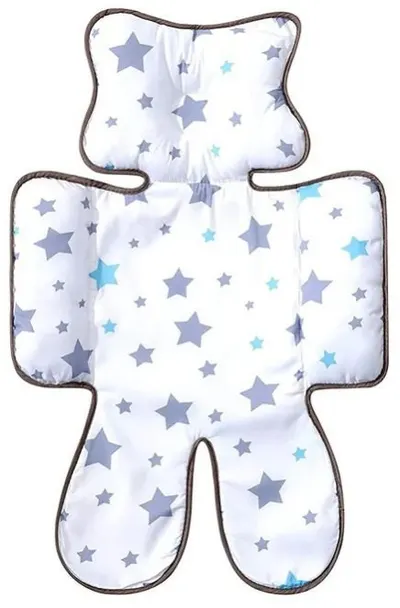
The catalogue offers garden hand tools and digging tools that are generally forged from carbon steel and feature ergonomic grips; buyers often look for hardness grades around 55‑60 HRC and corrosion‑resistant coatings. Coir doormats are produced from natural coconut fibre, commonly weighted between 250‑350 g/m² and sized to standard entrance dimensions; they are classified under HS 5703 and may be treated for mildew resistance. Coco peat is a horticultural substrate with typical moisture content of 35‑45 % and bulk density of 0.15‑0.20 t/m³, falling under HS 1212. Cushions listed with HS 9404.90 are textile products where fill material (cotton, polyester, feather) and covering fabric affect comfort and fire‑retardancy; standard tests include GSM of the cover (150‑300) and fill power for down. Lighting lamps, identified as LED lamps, are usually rated between 3 W and 20 W, with luminous efficacy of 80‑120 lm/W and must comply with IEC 60598 and RoHS. Striking tools such as hammers are forged steel, often graded to ISO 898‑1 for tensile strength. Carpets & rugs can be wool, synthetic or blended, with pile height 5‑30 mm and density 300‑600 g/m², classified under HS 5702. Wooden boxes, stools and chairs are manufactured from seasoned timber, typically conforming to IS 2070 for wood quality, and are packed as flat‑packed or assembled units for export.
Frequently Asked Questions About Epigraph Enterprise Pvt Ltd
What product categories does Epigraph Enterprise Pvt Ltd list in its catalogue?
The catalogue includes garden hand tools, digging tools, coir doormats, coco peat, cushions (HS 9404.90), lighting lamps, striking tools, carpets & rugs, wooden boxes, wooden stools and wooden chairs.
Which HS code is associated with the cushions offered by the supplier?
Cushions are listed under HS code 9404.90, which covers other furniture and parts thereof.
Are phytosanitary certificates required for the coco peat product?
Coco peat, classified under HS 1212, is typically exported with a phytosanitary certificate and a moisture‑content test report to satisfy import regulations.
What certifications are commonly expected for the LED lighting lamps?
Importers usually request CE marking, RoHS compliance and an IEC 60598 test report showing lumen output, power factor and safety ratings.
What material specifications should a buyer verify for the wooden furniture items?
Buyers should request the wood species, IS 2070 grade report, dimensions, weight per unit and, where required, FSC or other sustainability certification.
IndiaRelated Suppliers & Products
Explore similar suppliers, related products and trending categories