Agriculture›
 Apparel and fashion accessories›
 Construction & real estate›💡Electronic & Electrical›🍎Food & Beverages›🛋️Home furnishing & supplies›⚗️Industrial goods & chemical›🪨Minerals & metals›📦Miscellaneous›Agriculture›Apparel and fashion accessories›Construction & real estate›💡Electronic & Electrical›🍎Food & Beverages›🛋️Home furnishing & supplies›⚗️Industrial goods & chemical›🪨Minerals & metals›📦Miscellaneous›
Empaque Rio Colorado Product Catalog

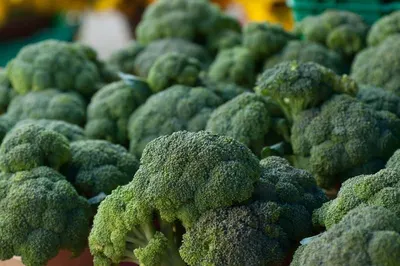
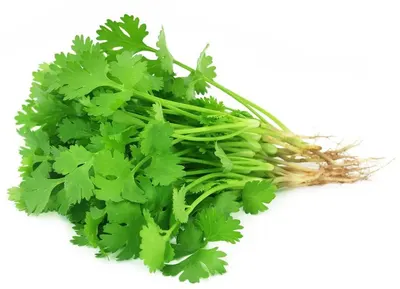
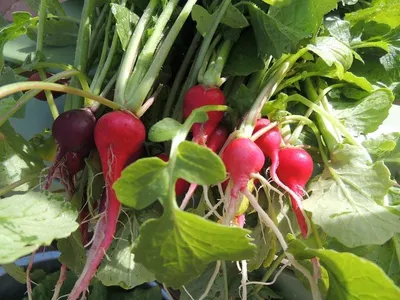
About Empaque Rio Colorado - Fresh Vegetables Supplier in Mexico
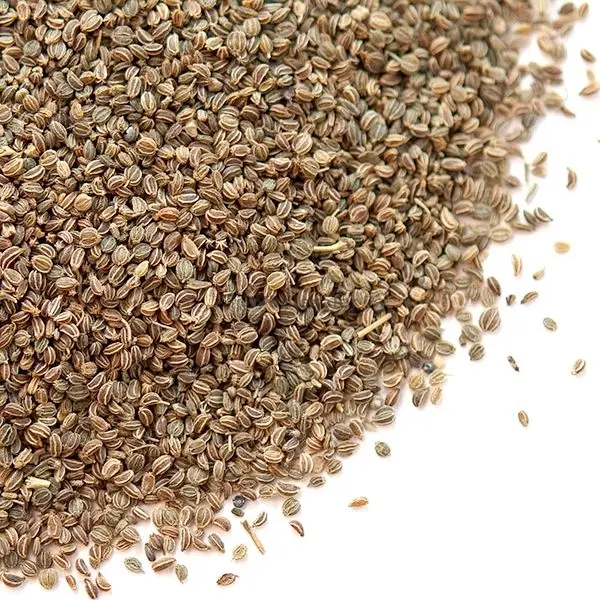
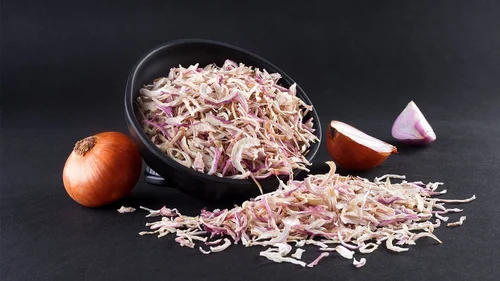
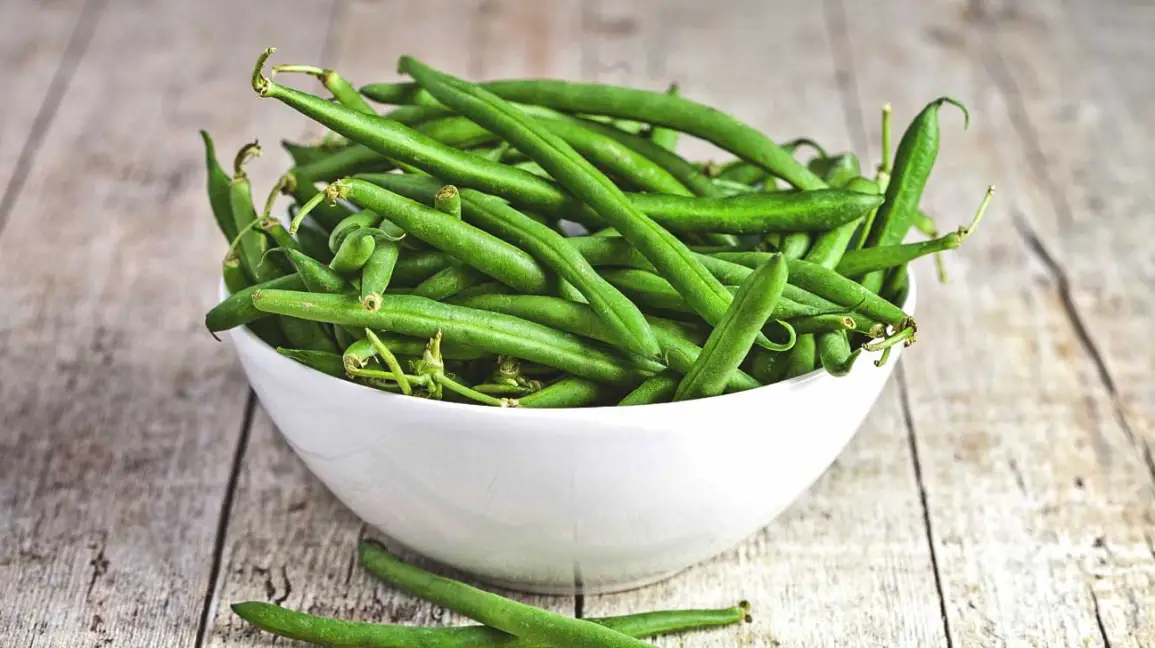
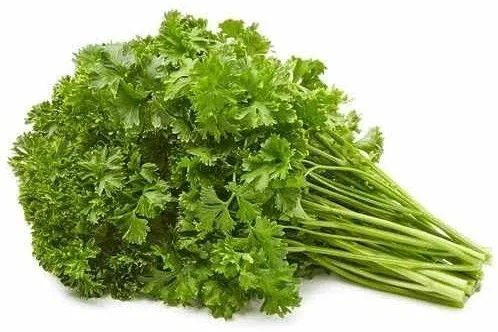
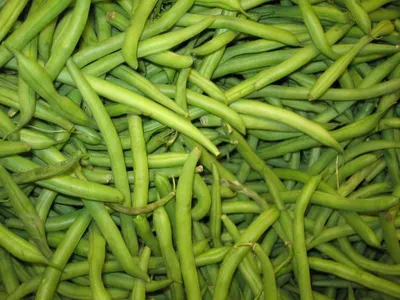
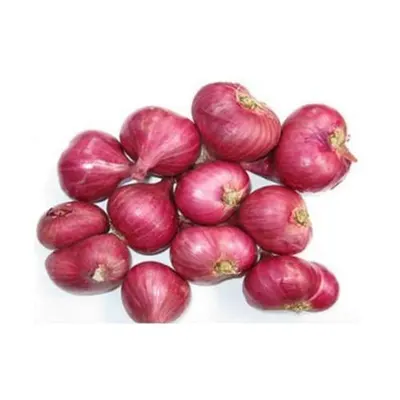
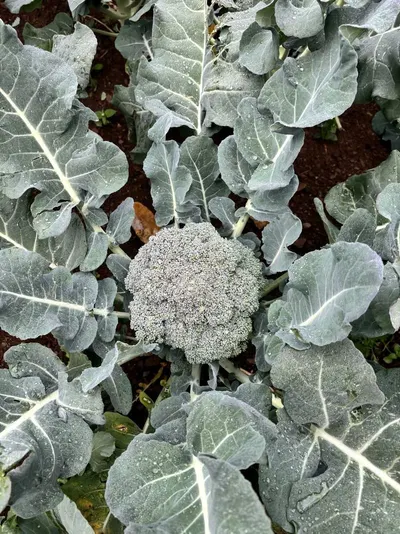
Mexico is the origin of Empaque Rio Colorado, which currently lists twelve distinct fresh produce items in its online catalogue. The supplier groups its goods under the categories Fresh Vegetables, Fresh Onion, Fresh Broccoli and Fresh Radish, reflecting the primary crop types. The product list includes broccoli, coriander, leek, radish, asparagus, beets, celery, dry onion, green beans, green onion, kale and parsley. All items fall under HS Chapter 07 for fresh vegetables, with specific sub‑headings such as 0709 for broccoli and 0703 for onions. The catalogue does not specify additional HS codes, certifications or production volumes.
The listed items are presented as fresh, unprocessed vegetables intended for immediate consumption or further processing. No claim is made regarding organic status or specific quality grades, so buyers should verify individual specifications. The supplier’s trust tier is classified as “harbor,” indicating a moderate level of verification by the platform. The active product count of twelve matches the number of individual vegetable entries in the catalogue. Buyers can expect standard cold‑chain handling for these perishable goods.
Product Range and Specialties of Empaque Rio Colorado
Empaque Rio Colorado’s catalogue covers a range of leafy and bulb vegetables. In the broader market, broccoli is typically exported as grade A heads with a length of 15‑20 cm and a moisture content below 90 %. Coriander and parsley are commonly supplied as fresh bunches with leaf length of 10‑15 cm and packed in 500 g to 1 kg cartons. Onions, both dry and green, are usually classified under HS 0703 and graded by size (small, medium, large) with a moisture range of 8‑10 %. Root vegetables such as beets, radish and carrots are often packed in 10‑kg mesh bags, meeting EU market standards for pesticide residue (maximum residue limits). Kale and green beans are generally shipped chilled in 20‑kg crates, with visual quality assessed by leaf integrity and absence of discoloration.
Frequently Asked Questions About Empaque Rio Colorado
What HS codes apply to the vegetables listed by Empaque Rio Colorado?
The products fall under HS Chapter 07 for fresh vegetables. Specific sub‑headings include 0709.90 for broccoli, 0703.10 for dry onion, 0706 for leafy greens such as kale and parsley, and 0705 for root vegetables like beets and radish. Exact codes depend on the final classification by customs.
What is the usual minimum order quantity for shipments from Empaque Rio Colorado?
In the Mexican fresh‑produce market, the practical MOQ is often one refrigerated 20‑ft container, which can hold roughly 2 000 kg of mixed vegetables. Smaller orders may be accommodated in 40‑ft containers or consolidated loads, but the supplier’s catalogue does not specify a lower threshold.
Which certifications are generally required for importing these Mexican fresh vegetables?
Importers commonly require a phytosanitary certificate issued by the Mexican agricultural authority, and many buyers also request GlobalGAP audit reports. Depending on the destination, additional certifications such as USDA Organic or EU organic may be needed, but they are not listed as held by the supplier.
What are typical packaging formats for the listed produce?
Broccoli, kale and green beans are usually packed in insulated 20‑kg crates, while onions and dry onion are placed in 10‑kg mesh bags. Leafy herbs like coriander and parsley are often shipped in 500 g to 1 kg cardboard boxes. All packaging is designed for refrigerated transport and complies with ISO 9001‑based food‑safety packaging guidelines.
What lead time can buyers expect for orders?
Lead times for fresh vegetables typically range from 7 to 14 days after order confirmation, depending on harvest schedules and customs clearance. Seasonal availability may affect the timeline for specific crops such as asparagus or kale.
 Mexico
Related Suppliers & Products
Explore similar suppliers, related products and trending categories