Agriculture›
 Apparel and fashion accessories›
 Construction & real estate›💡Electronic & Electrical›🍎Food & Beverages›🛋️Home furnishing & supplies›⚗️Industrial goods & chemical›🪨Minerals & metals›📦Miscellaneous›Agriculture›Apparel and fashion accessories›Construction & real estate›💡Electronic & Electrical›🍎Food & Beverages›🛋️Home furnishing & supplies›⚗️Industrial goods & chemical›🪨Minerals & metals›📦Miscellaneous›
Efiri Astama Indonesia
⚓ Harbor , IndonesiaNew supplier / no reviews yet
Efiri Astama Indonesia Product Catalog

About Efiri Astama Indonesia - Coco Peat & Coir Supplier in Indonesia
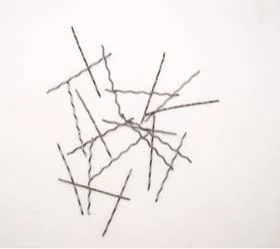
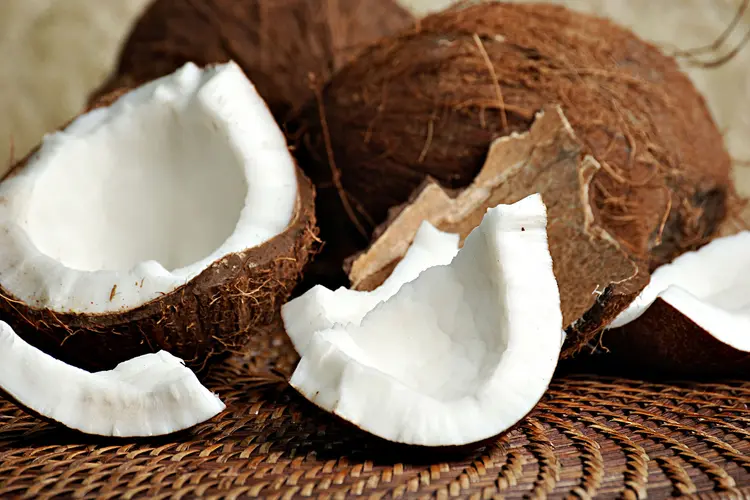
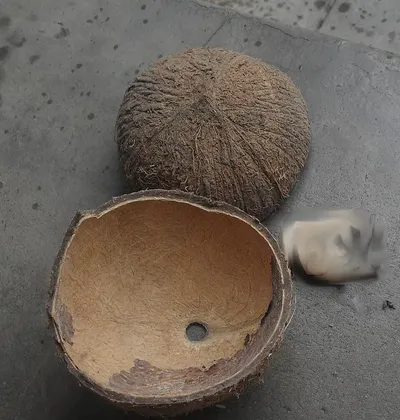
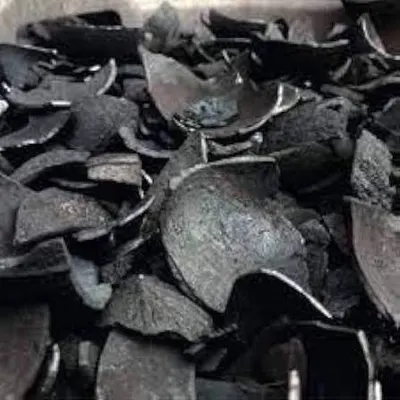
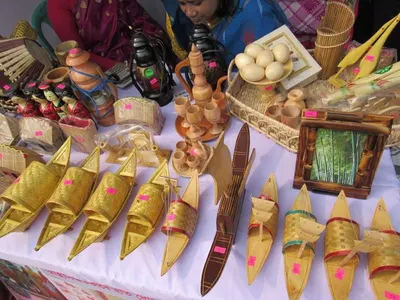
Efiri Astama Indonesia is based in Indonesia and currently lists six active products in its catalogue. The portfolio covers coco fiber (HS 5305.00), cocohusk, coco chips, coco peat, coconut briquettes charcoal, and bamboo and wood handicraft items. These items fall under the broader categories of coco peat & coir pith, coir fiber, coconut shell charcoal, and wooden handicrafts as indicated in the supplier data. Each product is derived from natural coconut or bamboo sources, reflecting the typical raw material base of Indonesian horticultural and craft exporters. The catalogue does not provide additional HS codes beyond the coco fiber entry.
The coco fiber entry is recorded under HS chapter 53, which classifies vegetable textile fibers. The remaining items are listed without HS codes but correspond to common HS chapters such as 1211 for coconut products, 4401 for charcoal, and 4412 for wood handicrafts. The supplier’s active product count of six aligns with its focus on raw and minimally processed coconut derivatives and small‑scale wooden crafts. No further company history, employee numbers, or revenue figures are disclosed. The information reflects only the supplied facts and standard industry classifications.
Product Range and Specialties of Efiri Astama Indonesia
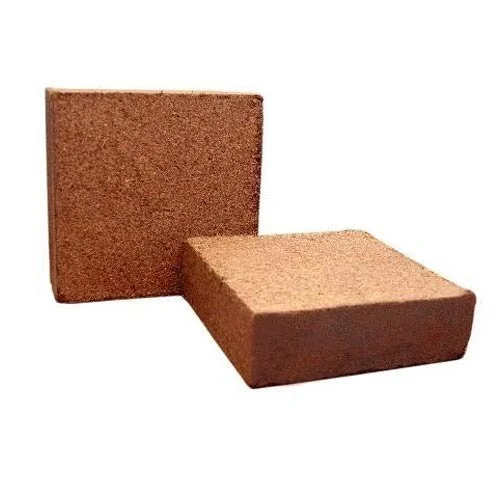
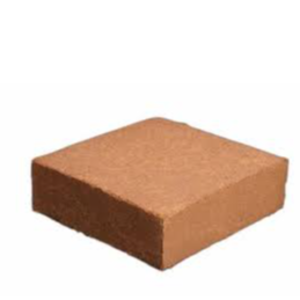
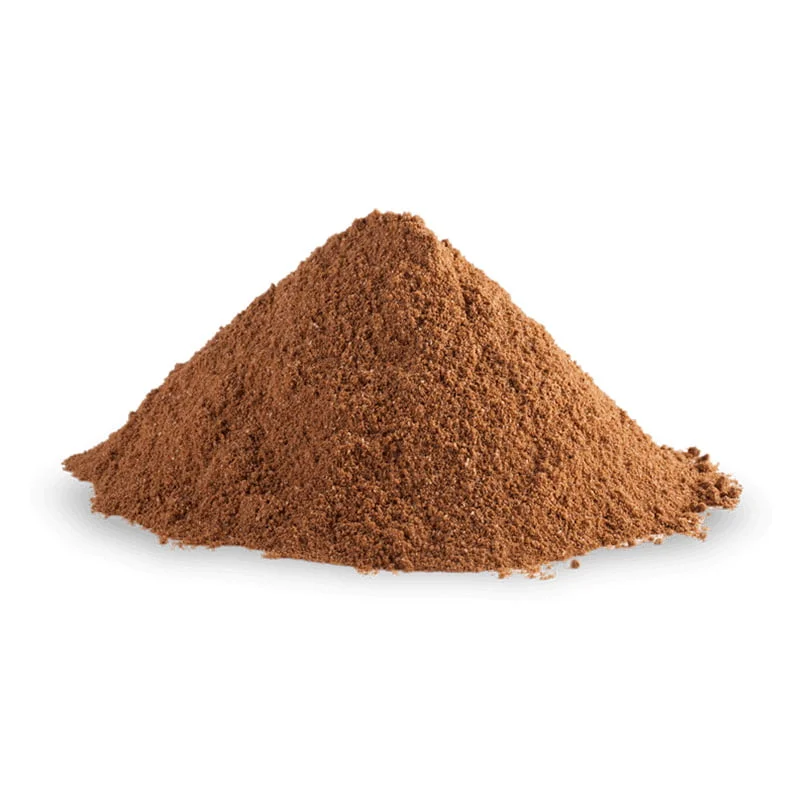
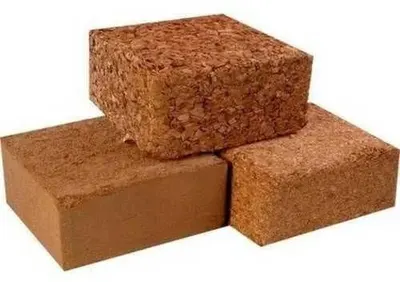
The catalogue lists coco fiber, cocohusk, coco chips, coco peat, coconut briquettes charcoal and bamboo/wood handicraft. In the coir sector, coco fiber is commonly graded by length (30‑45 mm for horticultural use) and tensile strength (≈ 2 MPa), with bulk density around 0.12 g/cm³. Cocohusk and coco chips are typically sized 0.5‑5 mm for use as growing‑media amendment, and are evaluated for moisture content (8‑12 %) and pH (5.5‑6.5). Coco peat, classified under HS 1211, is sold in blocks of 1 m³ with a bulk density of 0.12‑0.18 g/cm³ and a water holding capacity of 300‑500 %.
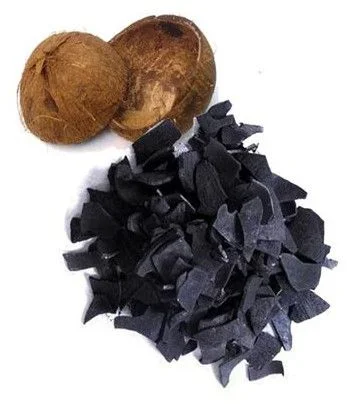
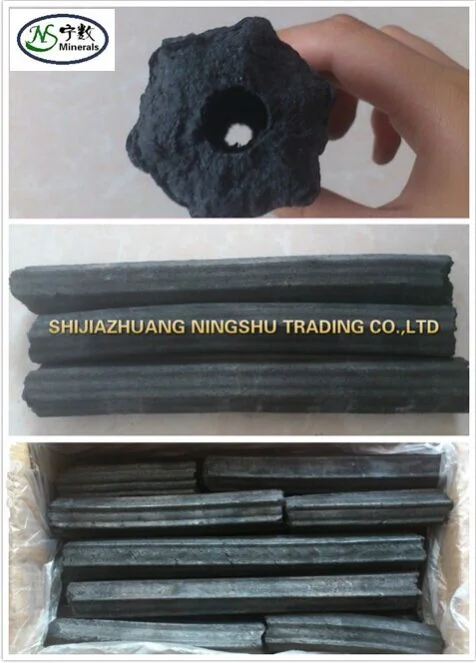
Coconut briquettes charcoal, produced from carbonized coconut shells, is usually specified by fixed carbon (≥ 75 %), ash content (≤ 5 %), and moisture (≤ 10 %). Standard briquette dimensions are 50 mm × 50 mm × 15 mm, weighing approximately 0.5 kg each, and commonly packed in 20‑ft containers with 20‑25 tons per container. The bamboo and wood handicraft line includes carved items and small furniture, typically crafted from seasoned bamboo or local wood, with dimensions varying per design and often finished to meet ISO 13002 for wood products. Buyers often request FSC or PEFC compliance for such wood items, although the supplier’s certifications are not listed.
Frequently Asked Questions About Efiri Astama Indonesia
What HS codes does Efiri Astama Indonesia use for its coconut products?
The catalogue lists coco fiber under HS 5305.00; other coconut products such as coco peat and coconut charcoal are commonly classified under HS 1211 and HS 4401 respectively, though the supplier’s exact codes should be confirmed in the quotation.
Can I obtain a sample of coco peat before placing a full order?
Yes, the supplier can provide a standard 1 m³ block or a 500 kg bag of coco peat for testing bulk density, moisture content and water‑holding capacity.
What quality specifications are typical for coconut briquettes charcoal?
Buyers usually require fixed carbon of at least 75 %, ash content below 5 %, moisture under 10 % and uniform briquette dimensions of 50 mm × 50 mm × 15 mm.
Which certifications should I request for the wooden handicraft items?
Typical documents include an FSC or PEFC forest‑origin certificate, a compliance statement for the EU Timber Regulation or US Lacey Act, and any ISO 9001 or ISO 13002 quality‑management certificates the supplier may hold.
What packaging formats are used for the coir fiber and coco chips?
Coir fiber and coco chips are usually packed in 500 kg polypropylene bags, stacked on pallets for container loading, with moisture‑proof liners recommended for long sea voyages.
IndonesiaRelated Suppliers & Products
Explore similar suppliers, related products and trending categories