Dongguan Widen Industrial Co., Ltd. — Verified Supplier
About Dongguan Widen Industrial Co., Ltd. - Light & Medium Machinery Supplier in China
Dongguan, China hosts Dongguan Widen Industrial Co., Ltd., which currently lists nine distinct products across its catalogue. The company’s inventory spans light and medium machinery, equipment for water cooling and dispensing, as well as robots and related spare parts, reflecting a focus on manufacturing automation and ancillary processes. Each entry is identified by its functional name, for example a 1.2 m semi‑auto solder paste printer and an ABB IRB 2400 industrial robot, indicating a breadth of electronic assembly and general‑purpose automation solutions. The catalogue does not provide HS‑code details, so classification must be inferred from the machine type for customs purposes.
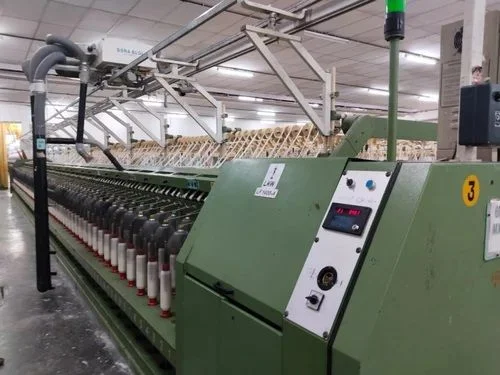
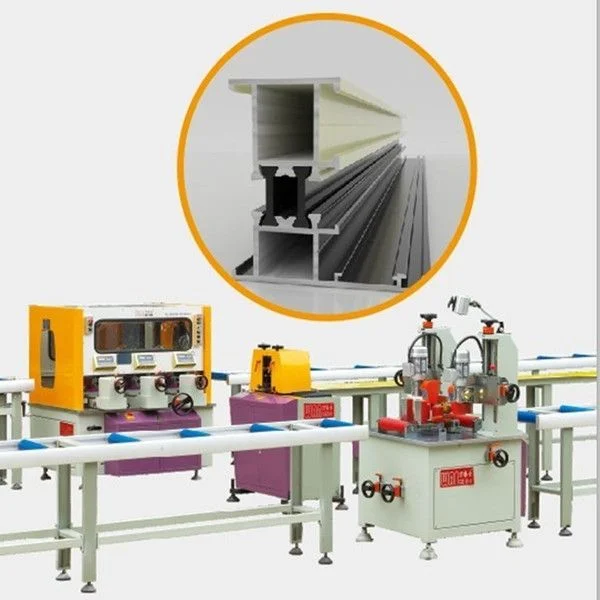
The product set includes a glue dispenser (Asymtek S‑820), an in‑line PCB cutting machine (Aurotek), a wave‑soldering system (JT WS‑450), a Siemens chip mounter (S27 HM), a stencil cleaning unit, a ten‑spindle Tamasek winding machine, and a hydraulic press model CT‑1025A. All nine items are presented without explicit certifications, allowing buyers to request compliance documentation as needed for import.
Product Range and Specialties of Dongguan Widen Industrial Co., Ltd.
The listed machinery covers core processes in printed‑circuit‑board (PCB) production and general metalworking. Solder paste printers of 1.2 m width typically offer resolution down to 50 µm and support standard solder pastes such as lead‑free Sn96.5/Ag3.0/Cu0.5. Glue dispensers are rated by viscosity range (e.g., 200‑800 cPs) and nozzle diameter, while PCB cutting machines often provide cutting tolerances of ±0.05 mm on FR‑4 substrates. Wave‑soldering units like the JT WS‑450 normally operate at bath temperatures of 240‑250 °C with adjustable conveyor speeds for board thicknesses from 1 mm to 3 mm. Chip mounters such as the Siemens S27 HM place components with placement accuracy of ±0.02 mm and feed rates up to 30 k components per hour. Stencil cleaning machines use ultrasonic or spray‑jet technology to achieve >99 % paste residue removal, and winding machines with ten spindles are designed for wire diameters of 0.2 mm‑1.0 mm, delivering up to 30 kg per hour. The ABB IRB 2400 robot provides a payload of up to 20 kg and a reach of 1.55 m, while the hydraulic press CT‑1025A offers a pressing force of 1 025 kN, suitable for metal stamping and sheet forming.
Trade and Export Information - Dongguan Widen Industrial Co., Ltd.
China remains a major exporter of electronic assembly equipment and general‑purpose industrial machinery, supplying Southeast Asian, European and North American manufacturers. Buyers of solder‑paste printers, wave‑soldering systems and chip mounters typically import to electronics hubs such as Shenzhen, Taiwan, Germany and the United States, where compliance with CE, UL and ISO 9001 standards is common. For robot and hydraulic press shipments, freight is usually arranged in 40‑ft containers with wooden pallets and shrink‑wrap, and the prevailing Incoterms are FOB or CIF to major ports like Shanghai or Shenzhen. Importers often request test reports confirming electrical safety (IEC 60950‑1 for PCB equipment) and mechanical performance (ISO 12100 for presses).
Sourcing from Dongguan Widen Industrial Co., Ltd. - Buyer Guidance
When evaluating Dongguan Widen Industrial’s offerings, request a product data sheet that lists exact specifications such as printing resolution, nozzle size, press force or robot payload. Obtain third‑party test reports or certificates of conformity (e.g., CE, ISO 9001) to verify that the equipment meets the regulatory requirements of the target market. Verify packaging details - machines are typically crated with edge protection and palletized - and confirm lead times, which for custom‑configured PCB equipment can range from 6 to 12 weeks after order confirmation.
Frequently Asked Questions About Dongguan Widen Industrial Co., Ltd.
What types of machinery does Dongguan Widen Industrial list in its catalogue?
The catalogue includes a 1.2 m semi‑auto solder paste printer, a glue dispenser, an in‑line PCB cutting machine, a wave‑soldering system, a Siemens chip mounter, a stencil cleaning unit, a ten‑spindle winding machine, an ABB IRB 2400 industrial robot and a hydraulic press model CT‑1025A.
Are there standard specifications buyers should check for the solder paste printer?
Buyers should verify the printer’s maximum printing width (1.2 m), resolution (typically 50 µm or better), compatible solder paste viscosity range and the controller interface (e.g., RS‑232 or Ethernet).
What certifications are commonly required for electronic assembly equipment from China?
Importers usually request CE marking for European markets, UL certification for North America, and ISO 9001 quality‑management certification. Test reports for IEC 60950‑1 electrical safety are also standard.
How is the ABB IRB 2400 robot typically shipped?
The robot is shipped in a reinforced wooden crate, mounted on a pallet, and secured with shrink‑wrap. Shipping is often arranged in a 40‑ft container under FOB or CIF terms to the buyer’s port.
What is a typical MOQ and lead time for the hydraulic press CT‑1025A?
Minimum order quantities are usually one unit per order, and lead time after order confirmation ranges from 8 to 12 weeks depending on customization and availability of hydraulic components.
Can I request a sample or demonstration for the wave‑soldering machine?
Suppliers often provide a demonstration unit or a short‑term rental for evaluation. Buyers should request a trial period and request performance data such as temperature uniformity and conveyor speed range before committing to purchase.
What packaging should I expect for the PCB cutting machine?
The cutting machine is typically packed in a double‑wall wooden crate with internal foam padding, placed on a standard Euro‑pallet, and wrapped to protect against moisture during transit.
Which documents should I ask for before finalising an order?
Ask for a detailed specification sheet, a compliance certificate (CE or UL), an ISO 9001 quality‑system audit report, and a packing list with container dimensions. Including a pre‑shipment inspection report helps verify condition before loading.




 , China