Agriculture›
 Apparel and fashion accessories›
 Construction & real estate›💡Electronic & Electrical›🍎Food & Beverages›🛋️Home furnishing & supplies›⚗️Industrial goods & chemical›🪨Minerals & metals›📦Miscellaneous›Agriculture›Apparel and fashion accessories›Construction & real estate›💡Electronic & Electrical›🍎Food & Beverages›🛋️Home furnishing & supplies›⚗️Industrial goods & chemical›🪨Minerals & metals›📦Miscellaneous›
Do3 Think Technology Co., Ltd.
⚓ Harbor , ChinaNew supplier / no reviews yet
Do3 Think Technology Co., Ltd. Product Catalog
About Do3 Think Technology Co., Ltd. - PC Camera Supplier in China
Do3 Think Technology Co., Ltd. is based in China and currently lists five active products in its catalogue. The company focuses on the PC camera segment, which comprises devices used for industrial imaging, machine‑vision and surveillance applications. Its product portfolio is grouped under the single top category of PC Camera as indicated in the supplied data. The catalogue includes various camera models that differ by interface and sensor type. No additional product lines are mentioned in the provided facts.
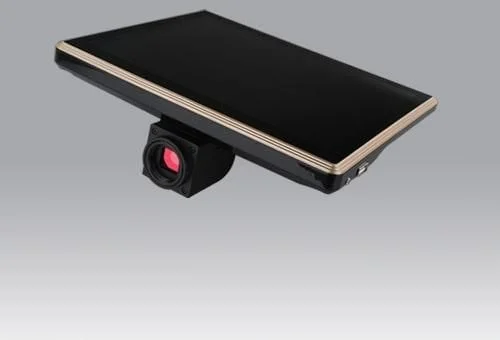
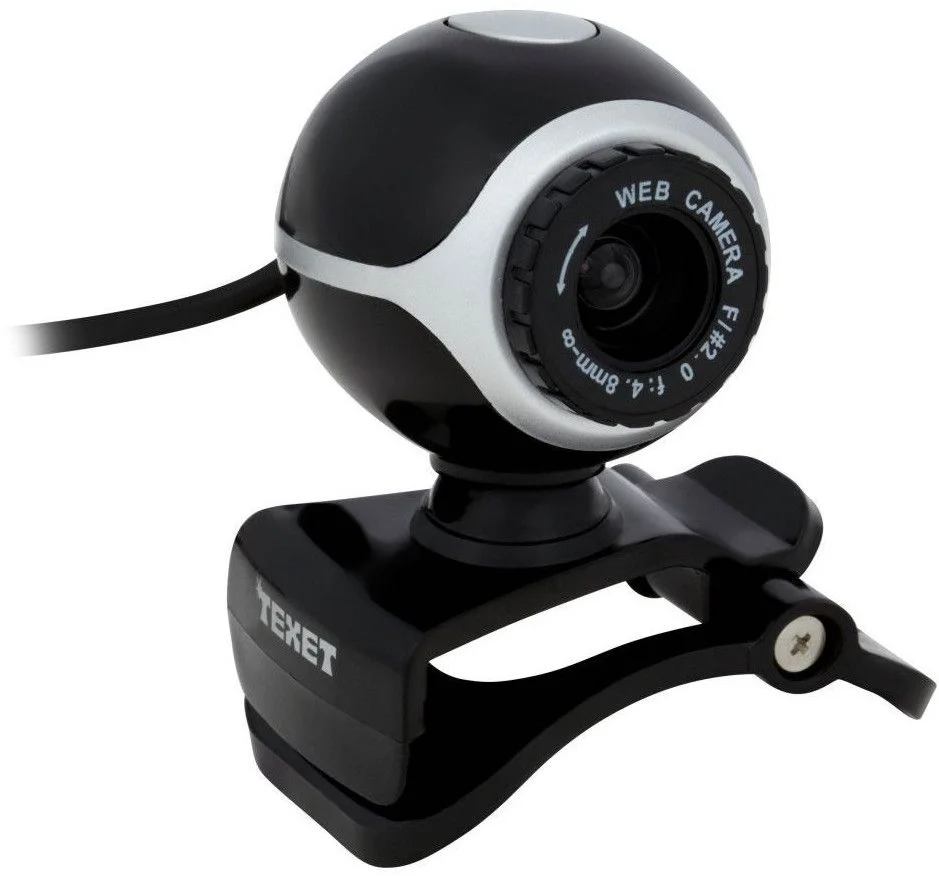
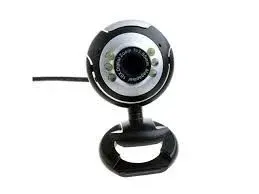
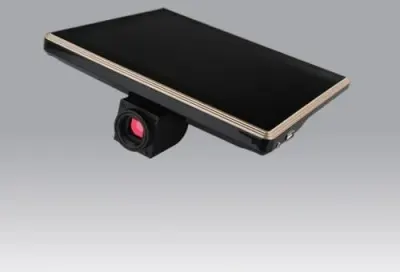
The listed items consist of a GigE camera, a new USB‑2.0 CMOS camera, a Microscope camera, a USB‑3.0 camera and another USB‑2.0 CMOS camera. These models cover Ethernet and USB interfaces that are common in machine‑vision systems. The inclusion of CMOS‑sensor units reflects the industry trend toward lower power consumption and higher integration. Each entry is presented without further technical specifications in the source data. The supplier’s catalogue therefore represents a concise selection of five distinct PC‑camera configurations.
Product Range and Specialties of Do3 Think Technology Co., Ltd.
The catalogue shows a GigE camera that typically connects via 1000Base‑T Ethernet and is used for long‑distance transmission in factory automation. GigE units in the market often provide resolutions from 2 MP up to 5 MP with frame rates of 30‑60 fps, and they support trigger and multicast functions. The USB‑2.0 CMOS cameras listed usually employ 1/3" or 1/2.8" sensors, delivering up to 2 MP resolution at 30 fps, suitable for basic inspection tasks. The USB‑3.0 camera is expected to follow the industry standard of USB 3.0 SuperSpeed, allowing resolutions of 5 MP to 12 MP and frame rates exceeding 60 fps for high‑speed inspection. The Microscope camera is generally a C‑mount or CS‑mount unit designed for close‑up imaging, often featuring a small sensor size and interchangeable lenses to achieve magnifications from 10× to 100×.
In the broader PC‑camera market, industrial‑grade devices are distinguished by rugged housing, operating temperature ranges from - 20 °C to +60 °C, and ingress protection ratings such as IP65 for dust and water resistance. Buyers commonly request compliance with CE marking for European markets, FCC Part 15 for the United States, and RoHS restriction of hazardous substances. Typical specifications also include low latency video output, support for GigE Vision or USB3 Vision standards, and optional on‑board image processing functions. These industry benchmarks help buyers compare the five products offered by the supplier against standard performance expectations.
Frequently Asked Questions About Do3 Think Technology Co., Ltd.
What types of PC cameras does Do3 Think Technology Co., Ltd. list in its catalogue?
The catalogue includes a GigE camera, a new USB‑2.0 CMOS camera, a Microscope camera, a USB‑3.0 camera and an additional USB‑2.0 CMOS camera, all classified under the PC‑camera category.
Which interface standards are represented in the supplier’s product list?
The listed products cover Ethernet (GigE) and USB interfaces, specifically USB 2.0 and USB 3.0, which are common standards for industrial imaging equipment.
What specifications should a buyer verify for the USB‑2.0 CMOS cameras?
Buyers should confirm sensor size (typically 1/3" or 1/2.8"), maximum resolution (up to 2 MP), frame rate (around 30 fps), and compliance with USB 2.0 Video Class drivers.
Are certification documents available for these cameras?
The facts do not list specific certifications held by the supplier; buyers should request CE, FCC and RoHS certificates to ensure conformity with major market requirements.
What is a typical minimum order quantity for these camera models?
Industrial PC cameras are commonly sold with MOQs between 50 and 200 units, and buyers should confirm the exact figure with the supplier.
ChinaRelated Suppliers & Products
Explore similar suppliers, related products and trending categories