Dk&O Mineral Trading — Verified Supplier
About Dk&O Mineral Trading - Nickel Ore Supplier in Philippines
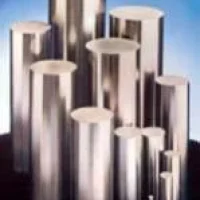
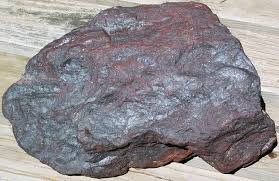
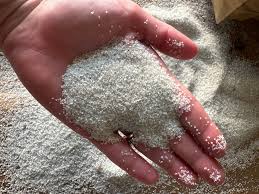
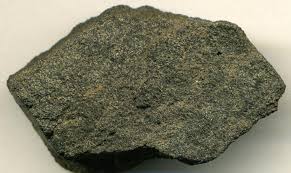
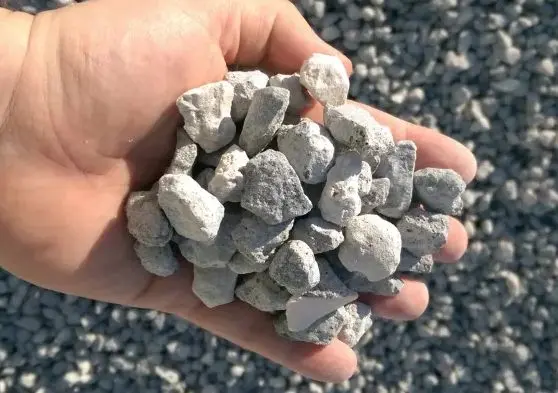
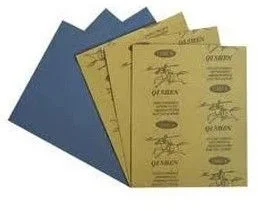
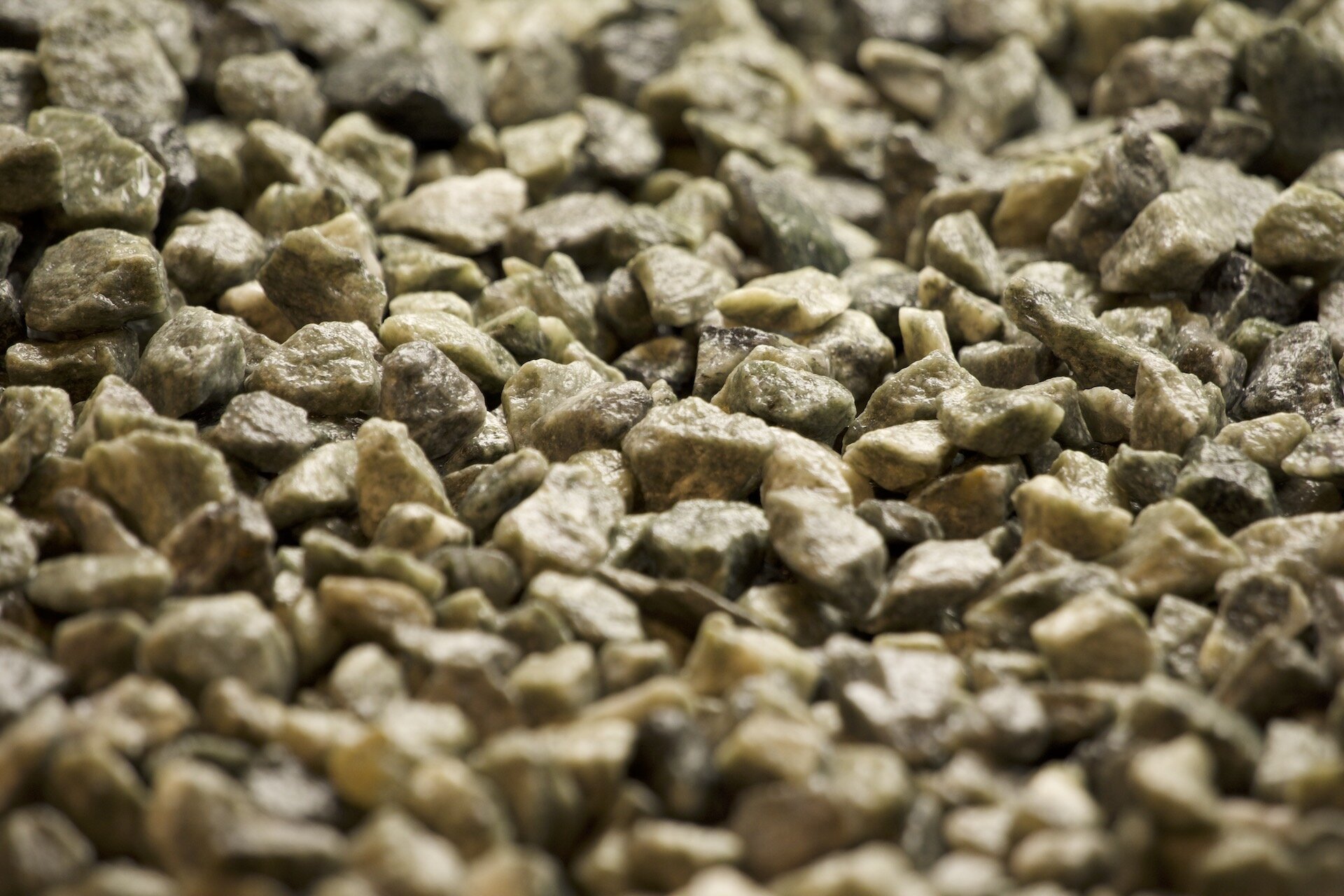
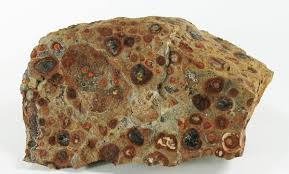
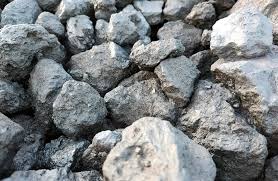
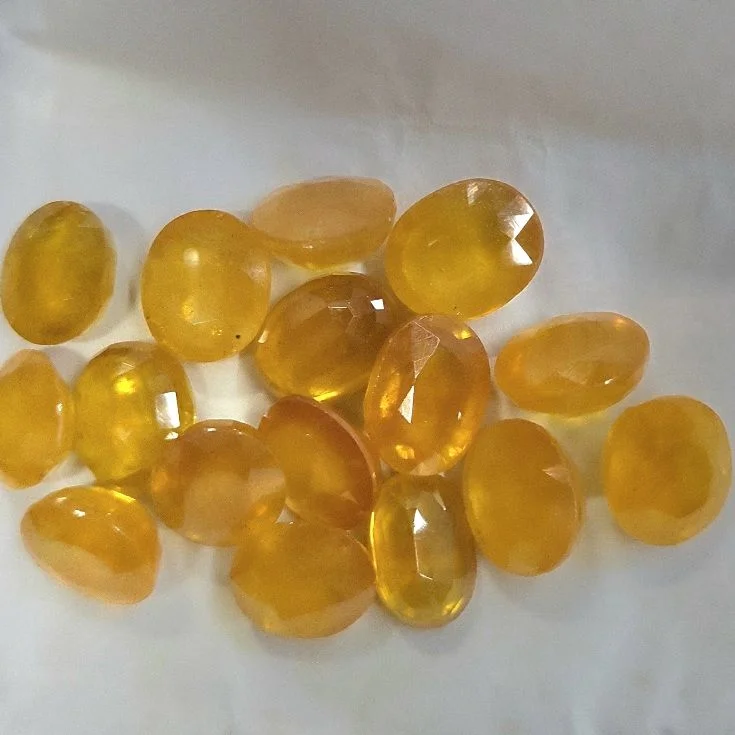
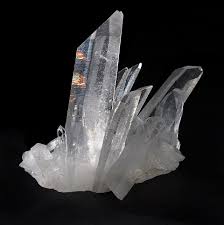
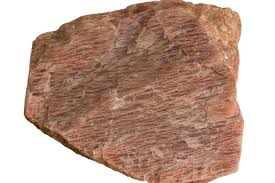
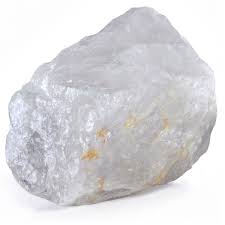
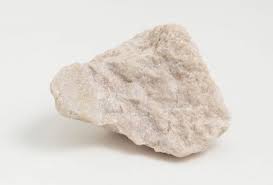
The Philippines, a major exporter of mineral commodities, hosts Dk&O Mineral Trading, which currently lists six active products in its catalogue. The supplier’s portfolio spans nickel ore, iron ore, various sands, stone aggregates, and natural garnet abrasive, reflecting the diversity of Philippine mineral resources. Each product is identified by its material type and, where available, an HS‑code that aligns with the World Customs Organization classification. The active product count of six indicates a focused but varied offering within the broader mining sector. Dk&O’s catalogue includes Nickel Ore (laterite) under HS code 2604.00, Iron Ore Fe 62 % (hematite/magnetite) under HS code 2601.11, Marine Sand and River Sand (no HS code supplied), Armour Rock and Boulders (no HS code supplied), Crushed Stone and Natural Gravel Aggregates under HS code 2517.10, and Almandite Garnet Abrasive under HS code 2513.20. These listings correspond to primary commodity groups such as base metal ores, construction aggregates, and industrial abrasives, all of which are commonly traded from Philippine ports to global markets.
Product Range and Specialties of Dk&O Mineral Trading
The catalogue’s nickel ore is a laterite type, typically containing 1 % - 2 % nickel and associated metals such as cobalt. In the iron ore segment, the Fe 62 % specification aligns with premium-grade hematite or magnetite concentrates used in steelmaking. Marine and river sands are generally evaluated for silica purity (often > 95 % SiO₂) and grain‑size distribution, while armour rock and boulders are supplied for civil‑engineering projects requiring high compressive strength. The aggregates product covers crushed stone and natural gravel commonly graded from 5 mm up to 40 mm for concrete and road base applications. Garnet abrasive is supplied as natural almandite, usually graded by mesh size (e.g., 40‑80 mesh) and measured for hardness (approximately 7.5 Mohs) and angularity. Industry standards for these commodities include assay reports for metal ores (e.g., nickel content, iron grade), moisture and bulk density tests for sands and aggregates, and hardness/impact resistance tests for garnet. Buyers often request compliance with ISO 9001 quality‑management systems and third‑party inspection certificates such as SGS or Bureau Veritas, especially for bulk shipments destined for regulated markets.
Trade and Export Information - Dk&O Mineral Trading
Exporters of nickel laterite from the Philippines typically ship to battery manufacturers in East Asia, where the HS‑code 2604.00 is subject to customs duties based on nickel content and may require a Certificate of Origin under ASEAN‑China Free Trade Agreement. Iron ore classified under HS 2601.11 is largely consumed by steel mills in Japan, South Korea, and India; buyers often stipulate a minimum Fe 62 % grade and request blast‑furnace test results. Sand and stone products (marine, river, armour rock, aggregates) fall under HS chapters 25 and 68, with common destinations including construction projects in the Middle East, Australia, and the United States. Garnet abrasive (HS 2513.20) is exported to grinding‑wheel manufacturers in Europe and North America, where EN 12467 or ISO 9001 certification is frequently required. Philippine mineral exporters generally use FOB or CIF terms from Manila or Subic ports, with containerised bulk shipments for sands and aggregates and bulk carriers for ores. Standard packaging includes 20‑ft or 40‑ft containers with moisture‑proof liners for sands, and open‑top bulk bags or steel drums for garnet. Regulatory requirements often involve phytosanitary certificates for natural stone and safety data sheets for abrasive materials. Buyers should verify that the supplier’s export documentation complies with the destination country’s import licensing and environmental regulations.
Sourcing from Dk&O Mineral Trading - Buyer Guidance
When sourcing Nickel Ore from Dk&O, request a recent assay report detailing nickel, cobalt, and impurity levels, as well as a moisture content analysis. For Iron Ore Fe 62 %, obtain a chemical composition certificate and a bulk density test to confirm compliance with steel‑mill specifications. Sand buyers should ask for grain‑size distribution curves, silica purity percentages, and bulk moisture content, while stone and aggregate purchasers need compressive strength test results and particle‑size gradation data. Garnet abrasive orders should be accompanied by a hardness test (Mohs scale), mesh‑size certification, and an impurity analysis (e.g., iron oxide content). In all cases, request a third‑party inspection report (SGS, Bureau Veritas) and confirm the supplier’s ISO 9001 certification if available. Verify the packaging method - sealed bulk bags for garnet, moisture‑proof liners for sands, and sturdy crates for stone - to ensure product integrity during transit. Clarify Incoterms, vessel loading schedules, and any required pre‑shipment sampling procedures before finalising the contract.
Frequently Asked Questions About Dk&O Mineral Trading
What HS code applies to Dk&O’s Nickel Ore product?
Nickel Ore (laterite) listed by Dk&O is classified under HS code 2604.00, which covers nickel ores and concentrates.
What grade specifications are typical for the Iron Ore Fe 62 % offered?
The iron ore is specified at a minimum iron content of 62 % (Fe 62 %), corresponding to premium hematite or magnetite concentrates used in steel production.
How is the quality of Marine Sand and River Sand verified?
Buyers usually request a silica purity test (target > 95 % SiO₂), grain‑size distribution analysis, and moisture content measurement before acceptance.
What packaging is used for Garnet Abrasive shipments?
Garnet abrasive is commonly packed in sealed bulk bags or steel drums, with each bag labeled for mesh size and hardness grade to protect against moisture and contamination.
Which documents should a buyer request for Aggregates?
A buyer should ask for a compressive strength report, particle‑size gradation chart, bulk density data, and a third‑party inspection certificate.
What are typical lead times and minimum order quantities for these minerals?
Lead times range from 30 to 45 days after receipt of a confirmed purchase order, with minimum order quantities generally set at one 20‑ft container for bulk ores and aggregates, and 5 metric tonnes for garnet abrasive.
Which certifications are commonly required for Philippine nickel ore exports?
Importers often require a Certificate of Origin, an ISO 9001 quality‑management certificate, and a third‑party assay report confirming nickel and impurity levels.
How are Armour Rock and Boulders assessed for suitability?
Assessment typically includes compressive strength testing (often > 150 MPa) and dimensional grading to ensure the rocks meet engineering specifications for construction or erosion control.




 , Philippines