Dawn Impex — Verified Supplier

About Dawn Impex - Agricultural & Metal Scraps Supplier in Australia

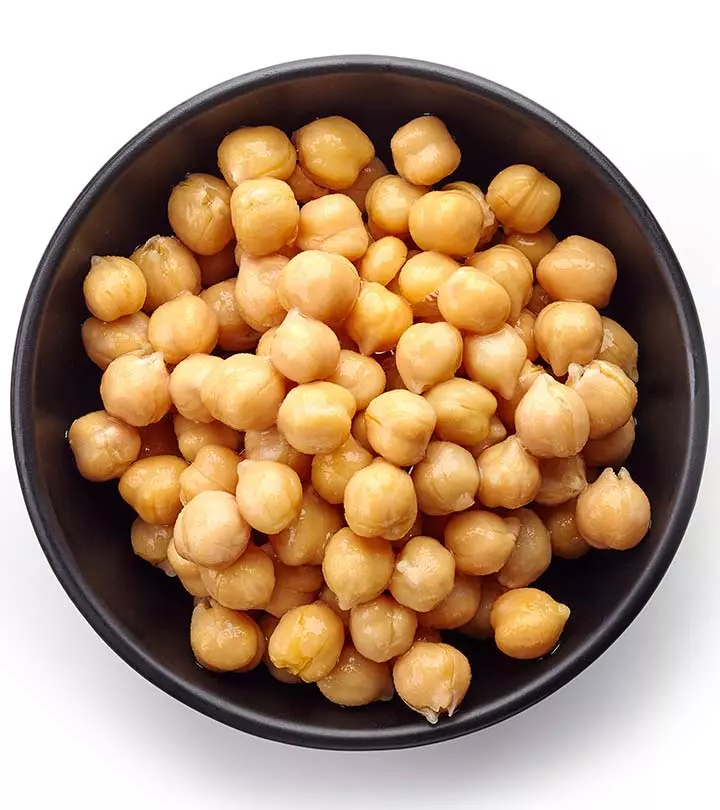
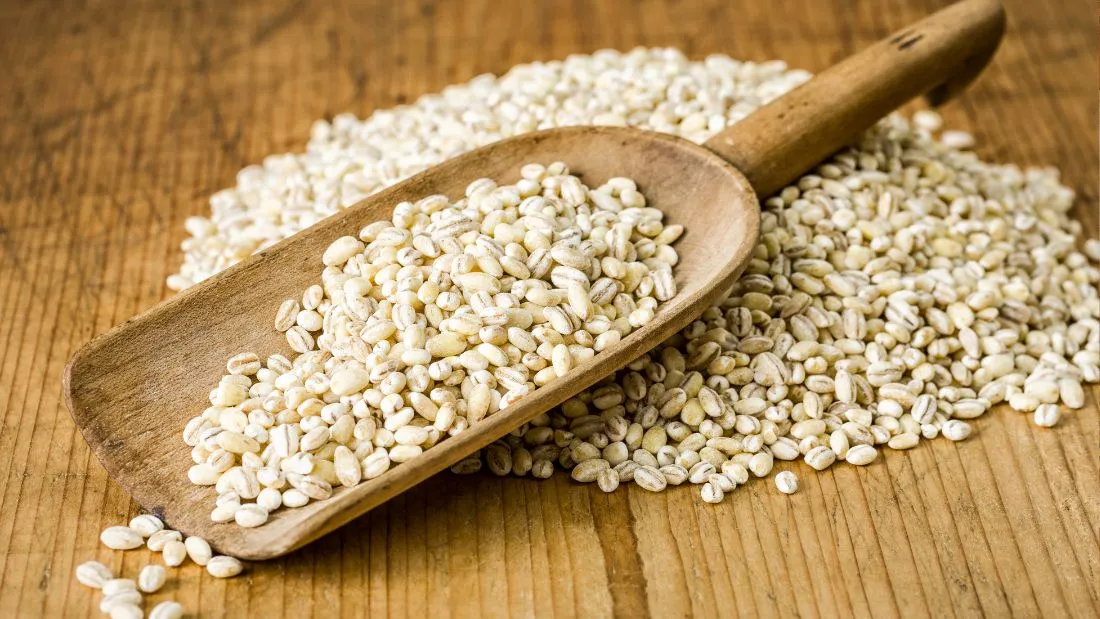
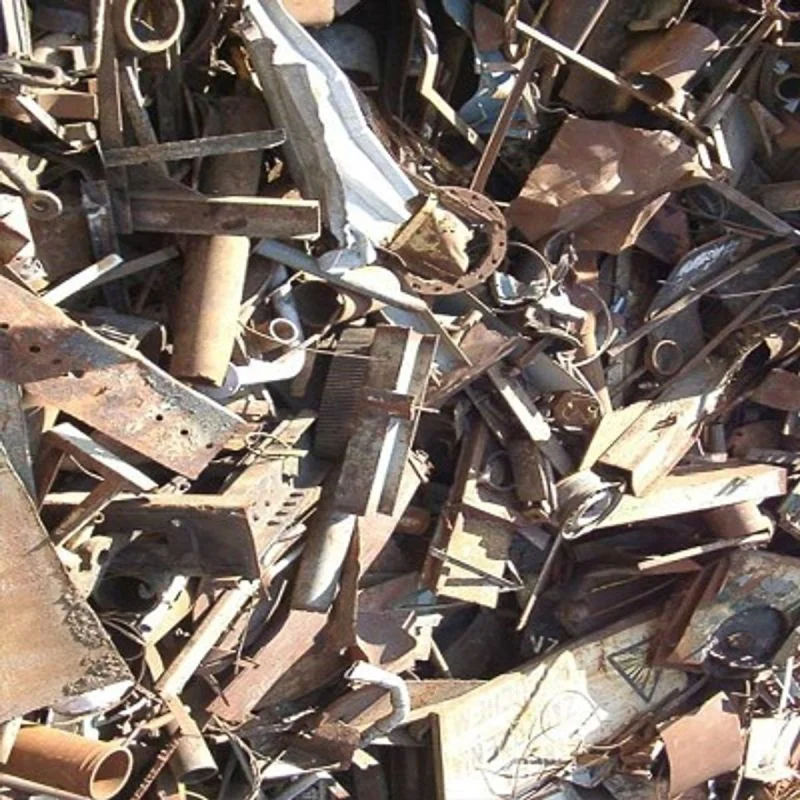
Australia hosts Dawn Impex, a supplier that currently lists six active products across pulses, cereals and ferrous scrap. The catalogue includes Desi Chickpeas, Kaspa Peas, Wheat, OATS, Barley (HS 1003.00) and Scrap Metal (HS 7204.10). Each entry follows the HS‑code families for grains (HS 10) and metal scrap (HS 72), reflecting the standard customs classification used in global trade. The supplier’s product titles match typical commodity naming, such as “Desi Chickpeas” for the Indian‑type pulse and “Barley” described as Malting Barley Grain Hordeum vulgare P99 %. The metal scrap entry specifies ferrous material, a common export class for recycled steel and iron. No additional product details are provided beyond the names and the two HS codes.

Product Range and Specialties of Dawn Impex

The Dawn Impex catalogue covers two main commodity groups: edible pulses and cereals (Desi Chickpeas, Kaspa Peas, Wheat, OATS, Barley) and a ferrous scrap segment. In the pulse segment, buyers usually encounter grades defined by size (e.g., 15‑20 mm), moisture below 12 % and impurity limits under 0.5 %. For wheat, standard specifications include protein content between 10‑12 % and moisture not exceeding 14 %. Oats are typically supplied as whole oat groats with a test weight of 720‑770 kg / m³, while malting barley is graded by germination rate (> 95 %) and P99 % purity as noted in the catalogue. The scrap metal class follows the ferrous scrap grading system where steel grade, tensile strength and contamination level are recorded; HS 7204.10 covers iron and steel waste suitable for re‑melting. Industry practice also calls for third‑party inspection reports (e.g., SGS, Bureau Veritas) to verify these parameters.

Trade and Export Information - Dawn Impex

Australian exporters of pulses and cereals primarily ship to Asian markets such as India, Bangladesh and the United Arab Emirates, where demand for Desi Chickpeas and Kaspa Peas is high. Grain shipments often use 20‑ft or 40‑ft containers with moisture‑controlled ventilation; HS 1003.00 (Barley) is subject to phytosanitary certification and may require a certificate of origin for tariff preferences. Ferrous scrap from Australia is a key feedstock for steel mills in China, India and the EU, and HS 7204.10 is routinely inspected under the Australian Customs Export Inspection System. Typical certifications requested by importers include phytosanitary certificates for pulses, grain analysis reports (e.g., moisture, protein, mycotoxin levels) and metal composition certificates for scrap. Common Incoterms are FOB Australian ports (e.g., Port of Brisbane) or CIF to destination ports, with bulk handling equipment required for metal scrap consignments.

Sourcing from Dawn Impex - Buyer Guidance

When sourcing Desi Chickpeas or Kaspa Peas from Dawn Impex, request a recent phytosanitary certificate, moisture analysis and a size‑distribution report to confirm compliance with buyer specifications. For Wheat, OATS and Barley, ask for a grain analysis sheet covering protein, moisture, ash and any mycotoxin screening; a sample of 5 kg is standard for laboratory verification. Metal scrap buyers should obtain a composition test report, a tare weight certificate and evidence of non‑hazardous classification under the Basel Convention. Verify that the HS codes on the commercial invoice match the product (HS 1003.00 for Barley, HS 7204.10 for scrap) to avoid customs delays. Typical minimum order quantities are 20 metric tons for bulk grains and 5 metric tons for ferrous scrap, with lead times ranging from 15 to 30 days after contract confirmation.

Frequently Asked Questions About Dawn Impex

What HS codes does Dawn Impex use for its grain products?

Barley is listed under HS 1003.00, which covers barley and other cereals; other grains such as wheat, oats and pulses fall under the broader HS 10 chapter for cereals and prepared animal feeds.

Are phytosanitary certificates available for the pulse products?

Australian export regulations require a phytosanitary certificate for pulses; buyers should request the latest certificate together with a moisture test report before shipment.

What quality parameters are typical for the malting barley offered?

Malting barley is usually graded by germination rate (> 95 %), protein content (10‑12 %), and purity (P99 % as indicated in the catalogue). A laboratory analysis confirming these values is standard practice.

Which documents should a metal‑scrap buyer request?

Buyers normally ask for a metal composition test report, a weight certificate, and a non‑hazardous waste declaration complying with Basel Convention requirements.

What packaging is used for the grain shipments?

Grains are commonly packed in 25 kg polypropylene bags or bulk 1 ton poly‑bags, sealed for moisture protection and stacked in standard 20‑ft or 40‑ft containers.

What are the typical lead times for orders from Dawn Impex?

Lead times are generally 15 days for grain products after receipt of a purchase order and required certifications, and up to 30 days for metal scrap, depending on collection and processing schedules.

Featured Products from this Supplier

Other Suppliers in Primary Category

Top Trusted Suppliers

Related Products

Trending in Parent Category

More Suppliers in Category

Related Products

Other Suppliers

EximNext
58.5K+ live requirements
Register Free🎁 Reach verified global buyers
Post Requirement
🌍 Trusted by 224.6K+ businesses in 200+ countries|
58.5K+ active requirements right now
✉️ [email protected]
|
Sell on EximNextPost Requirement
EximNext
AgricultureApparelConstructionElectronicFoodHomeIndustrialMineralsMiscellaneous
🔥 Deals|✨ AI Match|🏭 Suppliers|📋 Buy Leads|💰 Trade Finance
58.5K+ live RFQs·194.6K+ suppliers
🎁 Reach global buyers →
EximNext
EximNext
Register Free
🎁 Reach verified global buyers
Sign In
📋Post Requirement💬Get QuotesAI Match📋RFQ Marketplace
All Categories
Services & Tools
🏭Supplier Directory🔥Today's Deals💰Trade Finance
Sell on EximNext
AboutContactBlogHelp
🏭

Dawn Impex

Harbor
Country flag , Australia
🛡️
54/100
Trust Score

Dawn Impex Product Catalog

Showing 6 of 6 products
View all products →
Desi Chickpeas
Harbor
Desi Chickpeas
Contact
MOQ: 1 Unit
Kaspa Peas
Harbor
Kaspa Peas
Contact
MOQ: 1 Unit
Wheat
Harbor
Wheat
Contact
MOQ: 1 Unit
OATS
Harbor
OATS
Contact
MOQ: 1 Unit
Barley
Harbor
Barley
Contact
MOQ: 1 Unit
Scrap Metal
Harbor
Scrap Metal
Contact
MOQ: 1 Unit

About Dawn Impex - Agricultural & Metal Scraps Supplier in Australia

Australia hosts Dawn Impex, a supplier that currently lists six active products across pulses, cereals and ferrous scrap. The catalogue includes Desi Chickpeas, Kaspa Peas, Wheat, OATS, Barley (HS 1003.00) and Scrap Metal (HS 7204.10). Each entry follows the HS‑code families for grains (HS 10) and metal scrap (HS 72), reflecting the standard customs classification used in global trade. The supplier’s product titles match typical commodity naming, such as “Desi Chickpeas” for the Indian‑type pulse and “Barley” described as Malting Barley Grain Hordeum vulgare P99 %. The metal scrap entry specifies ferrous material, a common export class for recycled steel and iron. No additional product details are provided beyond the names and the two HS codes.

Product Range and Specialties of Dawn Impex

The Dawn Impex catalogue covers two main commodity groups: edible pulses and cereals (Desi Chickpeas, Kaspa Peas, Wheat, OATS, Barley) and a ferrous scrap segment. In the pulse segment, buyers usually encounter grades defined by size (e.g., 15‑20 mm), moisture below 12 % and impurity limits under 0.5 %. For wheat, standard specifications include protein content between 10‑12 % and moisture not exceeding 14 %. Oats are typically supplied as whole oat groats with a test weight of 720‑770 kg / m³, while malting barley is graded by germination rate (> 95 %) and P99 % purity as noted in the catalogue. The scrap metal class follows the ferrous scrap grading system where steel grade, tensile strength and contamination level are recorded; HS 7204.10 covers iron and steel waste suitable for re‑melting. Industry practice also calls for third‑party inspection reports (e.g., SGS, Bureau Veritas) to verify these parameters.

Trade and Export Information - Dawn Impex

Australian exporters of pulses and cereals primarily ship to Asian markets such as India, Bangladesh and the United Arab Emirates, where demand for Desi Chickpeas and Kaspa Peas is high. Grain shipments often use 20‑ft or 40‑ft containers with moisture‑controlled ventilation; HS 1003.00 (Barley) is subject to phytosanitary certification and may require a certificate of origin for tariff preferences. Ferrous scrap from Australia is a key feedstock for steel mills in China, India and the EU, and HS 7204.10 is routinely inspected under the Australian Customs Export Inspection System. Typical certifications requested by importers include phytosanitary certificates for pulses, grain analysis reports (e.g., moisture, protein, mycotoxin levels) and metal composition certificates for scrap. Common Incoterms are FOB Australian ports (e.g., Port of Brisbane) or CIF to destination ports, with bulk handling equipment required for metal scrap consignments.

Sourcing from Dawn Impex - Buyer Guidance

When sourcing Desi Chickpeas or Kaspa Peas from Dawn Impex, request a recent phytosanitary certificate, moisture analysis and a size‑distribution report to confirm compliance with buyer specifications. For Wheat, OATS and Barley, ask for a grain analysis sheet covering protein, moisture, ash and any mycotoxin screening; a sample of 5 kg is standard for laboratory verification. Metal scrap buyers should obtain a composition test report, a tare weight certificate and evidence of non‑hazardous classification under the Basel Convention. Verify that the HS codes on the commercial invoice match the product (HS 1003.00 for Barley, HS 7204.10 for scrap) to avoid customs delays. Typical minimum order quantities are 20 metric tons for bulk grains and 5 metric tons for ferrous scrap, with lead times ranging from 15 to 30 days after contract confirmation.

Frequently Asked Questions About Dawn Impex

What HS codes does Dawn Impex use for its grain products?

Barley is listed under HS 1003.00, which covers barley and other cereals; other grains such as wheat, oats and pulses fall under the broader HS 10 chapter for cereals and prepared animal feeds.

Are phytosanitary certificates available for the pulse products?

Australian export regulations require a phytosanitary certificate for pulses; buyers should request the latest certificate together with a moisture test report before shipment.

What quality parameters are typical for the malting barley offered?

Malting barley is usually graded by germination rate (> 95 %), protein content (10‑12 %), and purity (P99 % as indicated in the catalogue). A laboratory analysis confirming these values is standard practice.

Which documents should a metal‑scrap buyer request?

Buyers normally ask for a metal composition test report, a weight certificate, and a non‑hazardous waste declaration complying with Basel Convention requirements.

What packaging is used for the grain shipments?

Grains are commonly packed in 25 kg polypropylene bags or bulk 1 ton poly‑bags, sealed for moisture protection and stacked in standard 20‑ft or 40‑ft containers.

What are the typical lead times for orders from Dawn Impex?

Lead times are generally 15 days for grain products after receipt of a purchase order and required certifications, and up to 30 days for metal scrap, depending on collection and processing schedules.

About Dawn Impex - Agricultural & Metal Scraps Supplier in Australia

Australia hosts Dawn Impex, a supplier that currently lists six active products across pulses, cereals and ferrous scrap. The catalogue includes Desi Chickpeas, Kaspa Peas, Wheat, OATS, Barley (HS 1003.00) and Scrap Metal (HS 7204.10). Each entry follows the HS‑code families for grains (HS 10) and metal scrap (HS 72), reflecting the standard customs classification used in global trade. The supplier’s product titles match typical commodity naming, such as “Desi Chickpeas” for the Indian‑type pulse and “Barley” described as Malting Barley Grain Hordeum vulgare P99 %. The metal scrap entry specifies ferrous material, a common export class for recycled steel and iron. No additional product details are provided beyond the names and the two HS codes.

Product Range and Specialties of Dawn Impex

The Dawn Impex catalogue covers two main commodity groups: edible pulses and cereals (Desi Chickpeas, Kaspa Peas, Wheat, OATS, Barley) and a ferrous scrap segment. In the pulse segment, buyers usually encounter grades defined by size (e.g., 15‑20 mm), moisture below 12 % and impurity limits under 0.5 %. For wheat, standard specifications include protein content between 10‑12 % and moisture not exceeding 14 %. Oats are typically supplied as whole oat groats with a test weight of 720‑770 kg / m³, while malting barley is graded by germination rate (> 95 %) and P99 % purity as noted in the catalogue. The scrap metal class follows the ferrous scrap grading system where steel grade, tensile strength and contamination level are recorded; HS 7204.10 covers iron and steel waste suitable for re‑melting. Industry practice also calls for third‑party inspection reports (e.g., SGS, Bureau Veritas) to verify these parameters.

Trade and Export Information - Dawn Impex

Australian exporters of pulses and cereals primarily ship to Asian markets such as India, Bangladesh and the United Arab Emirates, where demand for Desi Chickpeas and Kaspa Peas is high. Grain shipments often use 20‑ft or 40‑ft containers with moisture‑controlled ventilation; HS 1003.00 (Barley) is subject to phytosanitary certification and may require a certificate of origin for tariff preferences. Ferrous scrap from Australia is a key feedstock for steel mills in China, India and the EU, and HS 7204.10 is routinely inspected under the Australian Customs Export Inspection System. Typical certifications requested by importers include phytosanitary certificates for pulses, grain analysis reports (e.g., moisture, protein, mycotoxin levels) and metal composition certificates for scrap. Common Incoterms are FOB Australian ports (e.g., Port of Brisbane) or CIF to destination ports, with bulk handling equipment required for metal scrap consignments.

Sourcing from Dawn Impex - Buyer Guidance

When sourcing Desi Chickpeas or Kaspa Peas from Dawn Impex, request a recent phytosanitary certificate, moisture analysis and a size‑distribution report to confirm compliance with buyer specifications. For Wheat, OATS and Barley, ask for a grain analysis sheet covering protein, moisture, ash and any mycotoxin screening; a sample of 5 kg is standard for laboratory verification. Metal scrap buyers should obtain a composition test report, a tare weight certificate and evidence of non‑hazardous classification under the Basel Convention. Verify that the HS codes on the commercial invoice match the product (HS 1003.00 for Barley, HS 7204.10 for scrap) to avoid customs delays. Typical minimum order quantities are 20 metric tons for bulk grains and 5 metric tons for ferrous scrap, with lead times ranging from 15 to 30 days after contract confirmation.

Frequently Asked Questions About Dawn Impex
What HS codes does Dawn Impex use for its grain products?
Barley is listed under HS 1003.00, which covers barley and other cereals; other grains such as wheat, oats and pulses fall under the broader HS 10 chapter for cereals and prepared animal feeds.
Are phytosanitary certificates available for the pulse products?
Australian export regulations require a phytosanitary certificate for pulses; buyers should request the latest certificate together with a moisture test report before shipment.
What quality parameters are typical for the malting barley offered?
Malting barley is usually graded by germination rate (> 95 %), protein content (10‑12 %), and purity (P99 % as indicated in the catalogue). A laboratory analysis confirming these values is standard practice.
Which documents should a metal‑scrap buyer request?
Buyers normally ask for a metal composition test report, a weight certificate, and a non‑hazardous waste declaration complying with Basel Convention requirements.
What packaging is used for the grain shipments?
Grains are commonly packed in 25 kg polypropylene bags or bulk 1 ton poly‑bags, sealed for moisture protection and stacked in standard 20‑ft or 40‑ft containers.
What are the typical lead times for orders from Dawn Impex?
Lead times are generally 15 days for grain products after receipt of a purchase order and required certifications, and up to 30 days for metal scrap, depending on collection and processing schedules.

🏭
Dawn Impex
Country flag , Australia
Harbor
54/100
Trust Score
📦
6
Products
Free to contact — no commission
Escrow payment available
Verified business identity
Compare more suppliers
Post a requirement — get 10 quotes free
Let verified suppliers compete for your business. Free, fast, no commitment.
EximNext Verified Supplier
Business identity verified
Physical address confirmed
Financial history checked
Certifications authenticated
Trade references validated
Due Diligence
Verify this supplier's real shipping history.
Every shipment, every buyer, every port. Trade data that can't be faked.
Run due diligence →
Discover More

Related Suppliers & Products

Explore similar suppliers, related products and trending categories

Featured Products from this Supplier

Other Suppliers in Primary Category

Top Trusted Suppliers

Related Products

Trending in Parent Category

More Suppliers in Category

Stay ahead in global trade
Weekly market insights & new supplier alerts.
EximNext
Exim Next is a leading global B2B marketplace, connecting over 205,000 verified suppliers and buyers across 200+ countries. As a trusted import export marketplace, it serves as the essential B2B portal for businesses worldwide, empowering them to expand their international reach. With Exim Next, businesses can trade smarter and grow faster.
SECURE PAYMENTS
VISAMastercardPayPalSWIFTL/CEscrow
Follow us
© 2026 EximNext