Continent Ltd. — Verified Supplier
About Continent Ltd. - Agricultural Seed Supplier in Bulgaria
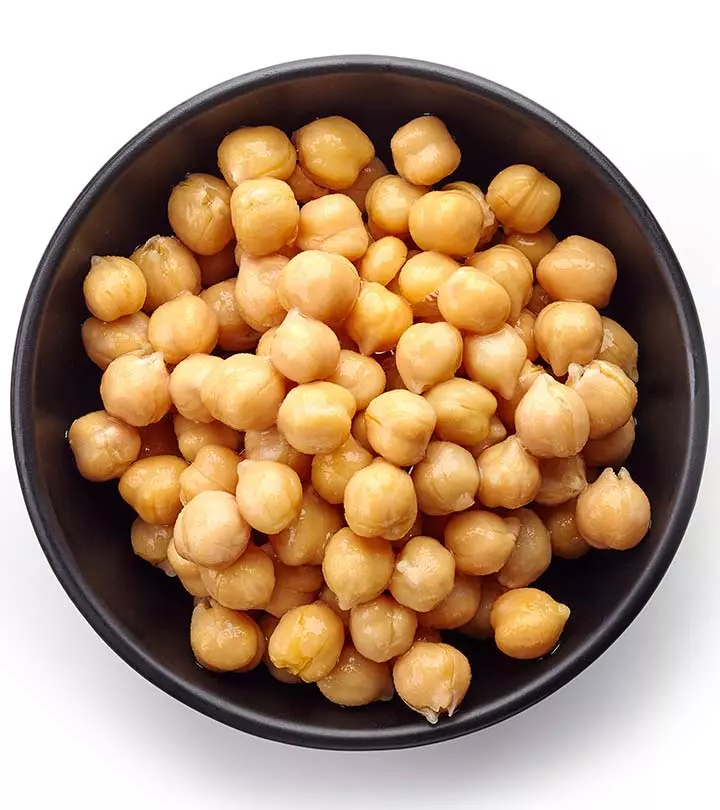
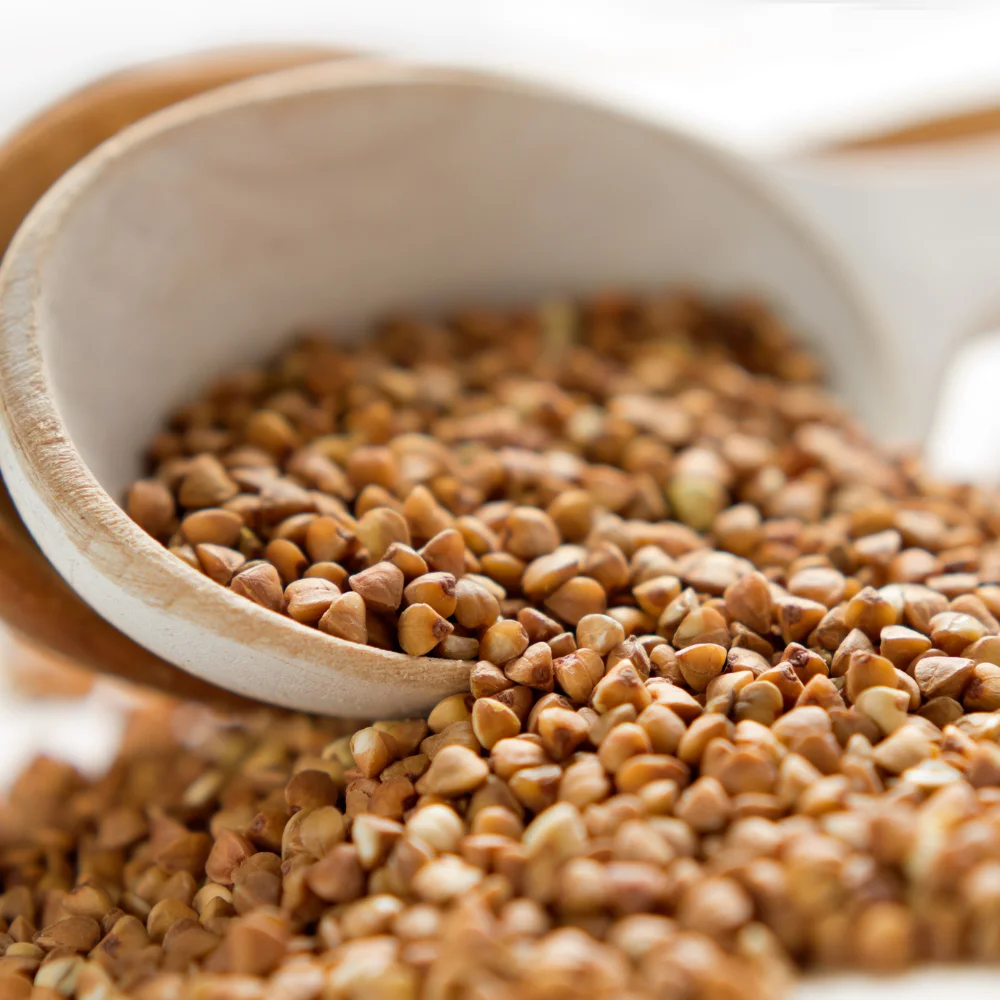
Continent Ltd. operates from Bulgaria, a principal exporter of pulses and oilseeds in the Balkan region. The company lists eleven distinct seed products, covering categories such as mustard, buckwheat, safflower, lentils, flax, chickpeas and other legumes. Its catalogue includes both white and yellow mustard seeds, brown and white flax seeds, green lentils, buckwheat, safflower seeds, chickpeas Kabuli, camelina sativa, milk thistle, and vetch (vicia sativa). Each entry is identified by the generic product name without further specification in the supplied data. The supplier is classified under the “harbor” trust tier, indicating a moderate level of verification in the platform’s risk model.
The product set reflects a focus on edible seeds and legumes that are commonly used in food processing, animal feed, and oil extraction. Bulgaria’s agricultural sector benefits from a temperate climate suitable for growing mustard, flax, and leguminous crops, which supports the availability of these seed varieties for export. The listed items span both oilseed (mustard, safflower, flax, camelina) and pulse (lentils, chickpeas, vetch) categories, providing a diversified seed portfolio for international buyers.
Product Range and Specialties of Continent Ltd.
Continent Ltd.’s catalogue comprises eleven seed types: buckwheat, vetch (vicia sativa), safflower seeds, milk thistle, green lentils, white mustard seeds, brown flax seeds, white flax seeds, camelina sativa, chickpeas Kabuli, and yellow mustard seeds. In the broader seed market, buckwheat is typically traded in whole grain or dehulled form with moisture content below 14 %. Mustard seeds are commonly graded by size (e.g., 6 mm ± 0.5 mm) and oil content, with white varieties used for spice blends and yellow for condiment production. Flax seeds are evaluated on oil percentage (generally 40‑45 % oil) and hull percentage, while safflower seeds are assessed for oil extraction yield (≈30‑35 %).
Industry standards for these commodities often reference the International Seed Testing Association (ISTA) protocols for germination and purity, and the Codex Alimentarius for maximum pesticide residues. Lentils and chickpeas are usually classified by size (e.g., 5 mm ± 0.5 mm) and moisture (≤12 %). Camelina sativa seeds are valued for a high omega‑3 fatty acid profile, and milk thistle seeds are harvested for silymarin content, typically verified by HPLC analysis. Buyers generally request specifications such as seed moisture, oil content, germination rate, and foreign material limits.
Trade and Export Information - Continent Ltd.
Bulgaria exports a significant share of its seed production to EU member states, the Middle East, and North Africa, where demand for oilseeds and pulses remains strong for food manufacturing and animal feed. Export shipments are commonly packed in 25 kg woven polypropylene bags or 1‑ton bulk containers, with standard Incoterms of FOB Varna or CIF Mediterranean ports. Buyers usually require a phytosanitary certificate issued by the Bulgarian Ministry of Agriculture, along with a certificate of analysis confirming moisture, oil content and contaminant limits.
Typical certifications sought for these seed categories include ISO 22000 for food safety management, GlobalGAP for good agricultural practices, and, where applicable, organic certification (EU‑organic). Import regulations often reference HS chapter 12 (oil seeds and oleaginous fruits) and chapter 07 (edible vegetables and certain roots and tubers) for the listed products, requiring compliance with EU pesticide residue limits and, for non‑EU destinations, adherence to the importing country’s seed health standards.
Sourcing from Continent Ltd. - Buyer Guidance
When sourcing from Continent Ltd., buyers should request a recent Certificate of Analysis that details moisture level, oil content, germination percentage and any pesticide residue findings for each seed type. A phytosanitary certificate confirming the seed lot is free of quarantine pests is standard for international shipments from Bulgaria. Verification of compliance with ISTA seed testing methods and, where relevant, GlobalGAP audit reports can provide additional assurance of product quality.
Buyers are advised to confirm packaging specifications (e.g., 25 kg polypropylene bags, moisture‑proof lining) and to agree on Incoterms early in the negotiation. Samples of each seed variety should be evaluated for size distribution, color uniformity and germination before finalizing large orders. Clarifying the required documentation - such as a Bill of Lading, commercial invoice, and any destination‑specific import permits - helps avoid customs delays.
Frequently Asked Questions About Continent Ltd.
What seed varieties does Continent Ltd. offer?
The supplier lists eleven seed products, including buckwheat, vetch (vicia sativa), safflower seeds, milk thistle, green lentils, white and yellow mustard seeds, brown and white flax seeds, camelina sativa, and chickpeas Kabuli.
Are certifications such as ISO 22000 or GlobalGAP available for these seeds?
The facts do not specify any certifications held by the supplier. Buyers should request copies of any relevant certificates and verify their validity before purchase.
What documentation is required for importing these seeds from Bulgaria?
Typical documents include a phytosanitary certificate, a Certificate of Analysis for each lot, a commercial invoice, a packing list, and the Bill of Lading. Importers may also need to provide a pre‑import permit depending on the destination country.
What are the common quality parameters buyers check for mustard and flax seeds?
Mustard seeds are usually assessed for size uniformity, oil content (around 45‑48 %) and moisture below 12 %. Flax seeds are evaluated for oil content (40‑45 %), hull percentage, moisture under 13 % and a germination rate above 85 %.
Which packaging formats are typically used for these seed shipments?
Exporters from Bulgaria commonly pack seeds in 25 kg woven polypropylene bags, sealed to protect against moisture, or consolidate multiple bags into 20‑ft containers for bulk shipments.
What Incoterms are most frequently applied to shipments from Continent Ltd.?
Buyers often see FOB Varna or CIF Mediterranean ports in the contract, allowing the buyer to arrange onward freight while the seller handles export clearance.
How can a buyer assess the germination quality of the lentil or chickpea seeds?
Request an ISTA‑compliant germination test report, which provides the percentage of seeds that sprout under standard laboratory conditions within a specified period (usually 7‑10 days).
Is there a minimum order quantity (MOQ) for these seed products?
The supplied data does not state an MOQ. Buyers should ask the supplier for the lot size per product, which often corresponds to container‑full quantities or a multiple of the 25 kg bag standard.




 , Bulgaria