Cixi Chaoxiang Bearing Co. Ltd. — Supplier
About Cixi Chaoxiang Bearing Co. Ltd. - Bearing Supplier in China
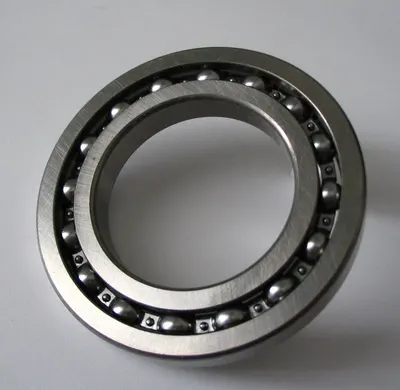
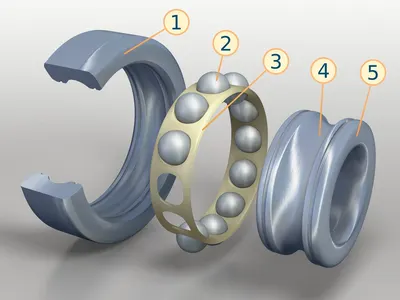
Cixi Chaoxiang Bearing Co. Ltd. is located in Cixi, Zhejiang, China and currently lists five active bearing products. The catalogue is limited to the bearing segment, specifically deep groove ball bearings, pillow block bearings, needle roller bearings, thrust roller bearings and self‑aligning ball bearings. Each product is identified with an HS‑code from chapter 84, such as 8482.10 for deep groove and self‑aligning ball bearings and 8483.20 for pillow block units. Materials are disclosed as high‑carbon chromium steel grades (GCr15, 100Cr6, AISI 52100) and variants of stainless steel 440C, as well as cast iron G4000 for pillow blocks. The supplier’s trust tier is listed as “harbor”, indicating a mid‑level verification status in the platform.
The deep groove ball bearing entry shares HS code 8482.10 and lists both GCr15 chrome steel and stainless steel 440C as material options. Pillow block bearings are coded 8483.20 and are offered in cast iron G4000 or pressed steel SPCC. Needle roller bearings carry HS code 8482.40 and are specified as bearing steel GCr15. Thrust roller bearings use HS code 8482.50 with a base of chrome steel GCr15 and optional stainless or carbon steel variants. Self‑aligning ball bearings repeat HS code 8482.10 and reference high‑carbon chromium steel grades such as GCr15, 100Cr6 or AISI 52100.
Product Range and Specialties of Cixi Chaoxiang Bearing Co. Ltd.
The product list covers five standard bearing types that are common in industrial machinery and automotive applications. Deep groove ball bearings are supplied in both chrome steel and stainless steel, pillow block units combine cast iron housings with steel shafts, needle rollers use GCr15 steel, thrust rollers are offered in chrome steel with optional stainless or carbon steel, and self‑aligning ball bearings use high‑carbon chromium steel alloys.
In the bearing industry, deep groove ball bearings are typically produced to ISO 15, 20, 25, 30 and 40 series, with dynamic load ratings expressed in kN and static load ratings in kN as well. Pillow block bearings are often classified by bore size (e.g., 10 mm to 200 mm) and mounting type (flanged, base plate) and must meet ISO 15243 dimensional tolerances. Needle rollers are graded by shaft diameter and roller length, commonly supplied with a C3 clearance. Thrust rollers follow ISO 281 load rating tables and may be supplied with a C2 or C3 clearance depending on speed. Self‑aligning ball bearings are usually offered in ISO 15‑80 series with angular contact angles of 15° to 45°, and the material grades GCr15, 100Cr6 or AISI 52100 provide hardness around 60‑66 HRC.
Trade and Export Information - Cixi Chaoxiang Bearing Co. Ltd.
China is one of the world’s largest exporters of bearings, supplying automotive OEMs, heavy‑equipment manufacturers and general industrial users across Europe, North America, Southeast Asia and the Middle East. The HS‑code families 8482 (ball, roller and needle bearings) and 8483 (bearing housings) are routinely inspected for correct tariff classification and may be subject to anti‑dumping duties in certain jurisdictions.
Typical import requirements include compliance with ISO 9001 quality management, ISO 14001 environmental standards, and where applicable CE marking for EU markets. Buyers often request material test reports confirming chemical composition of GCr15 or 440C steel, as well as hardness and load‑capacity certification according to ISO 281. Bearings are usually packed in sealed paper or plastic bags inside wooden crates or bulk containers, with loading plans based on 20‑ft or 40‑ft containers (approximately 12 tonnes per 20‑ft box for standard steel bearings). Common Incoterms are FOB Cixi or CIF destination port, allowing the buyer to arrange freight and insurance.
Sourcing from Cixi Chaoxiang Bearing Co. Ltd. - Buyer Guidance
When sourcing from Cixi Chaoxiang Bearing Co. Ltd., buyers should request the following documentation: material certificates for GCr15 or 440C steel, ISO 9001 audit report, dimensional inspection reports, and load‑rating test data per ISO 281.
A sample of each bearing type should be inspected for run‑out, noise level and bearing clearance before confirming bulk orders. Verify that the HS codes on the commercial invoice match the catalogue entries (8482.10, 8482.40, 8482.50, 8483.20). Confirm packaging details - typically individual bearings in anti‑corrosion bags, grouped in wooden pallets - and ensure the shipping terms (FOB/CIF) align with the buyer’s logistics plan.
Frequently Asked Questions About Cixi Chaoxiang Bearing Co. Ltd.
What bearing types does Cixi Chaoxiang Bearing Co. Ltd. list in its catalogue?
The catalogue includes deep groove ball bearings, pillow block bearings, needle roller bearings, thrust roller bearings and self‑aligning ball bearings, each identified with the relevant HS codes.
Which HS codes are associated with the listed bearings?
Deep groove ball bearings and self‑aligning ball bearings use HS code 8482.10, pillow block bearings use 8483.20, needle roller bearings use 8482.40 and thrust roller bearings use 8482.50.
What materials are specified for the bearings?
Materials are high‑carbon chromium steel grades such as GCr15, 100Cr6, AISI 52100, stainless steel 440C and cast iron G4000 for pillow block housings.
What certifications should a buyer request from this supplier?
Buyers should request a current ISO 9001 quality management certificate, material test reports for the steel grades, and load‑capacity test reports that follow ISO 281.
What are typical packaging and shipping formats for these bearings?
Bearings are usually packed in sealed anti‑corrosion bags, placed on wooden pallets, and shipped in 20‑ft or 40‑ft containers, with FOB Cixi or CIF destination being common Incoterms.
What is a reasonable minimum order quantity (MOQ) and lead time for these bearings?
MOQ and lead time vary by type, but standard industrial bearings often start at a few hundred pieces per size, with a typical production lead time of 15‑30 days after order confirmation and receipt of required test documentation.




 , China