Chamunday International — Verified Supplier
About Chamunday International - Mixed Food Products Supplier in India
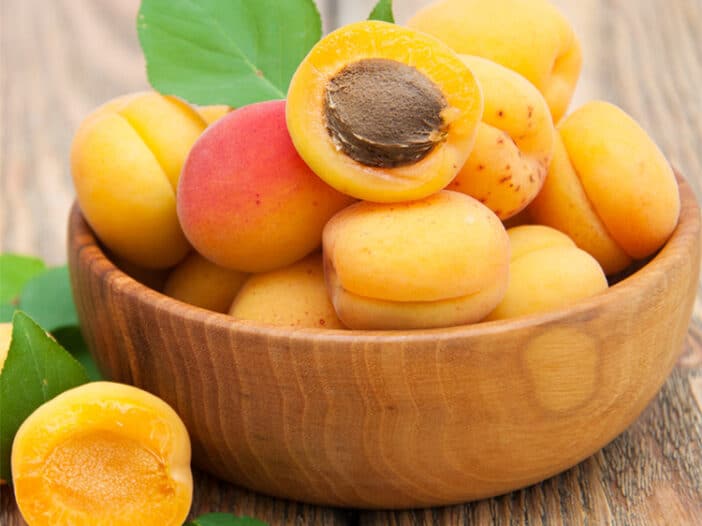
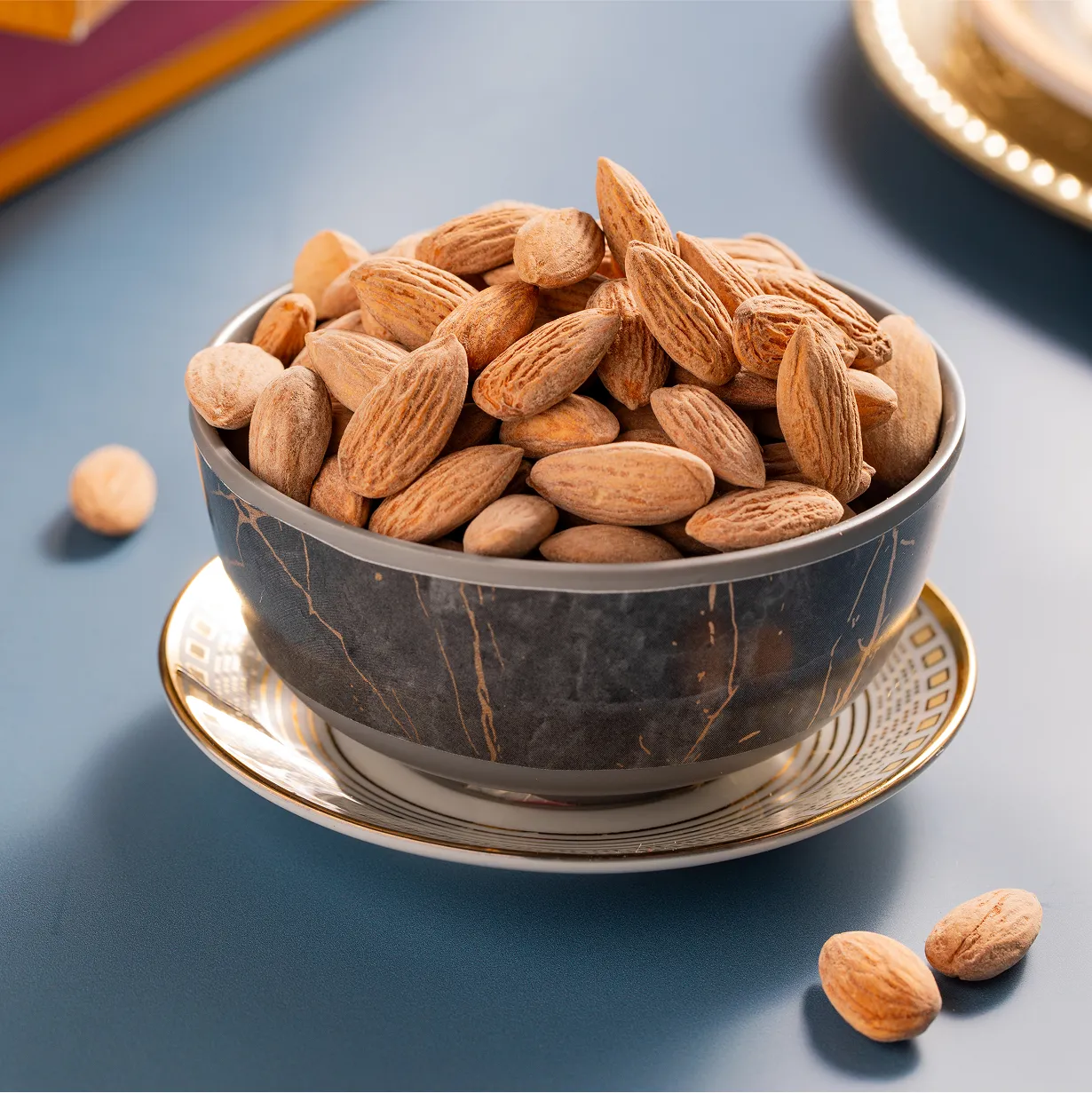
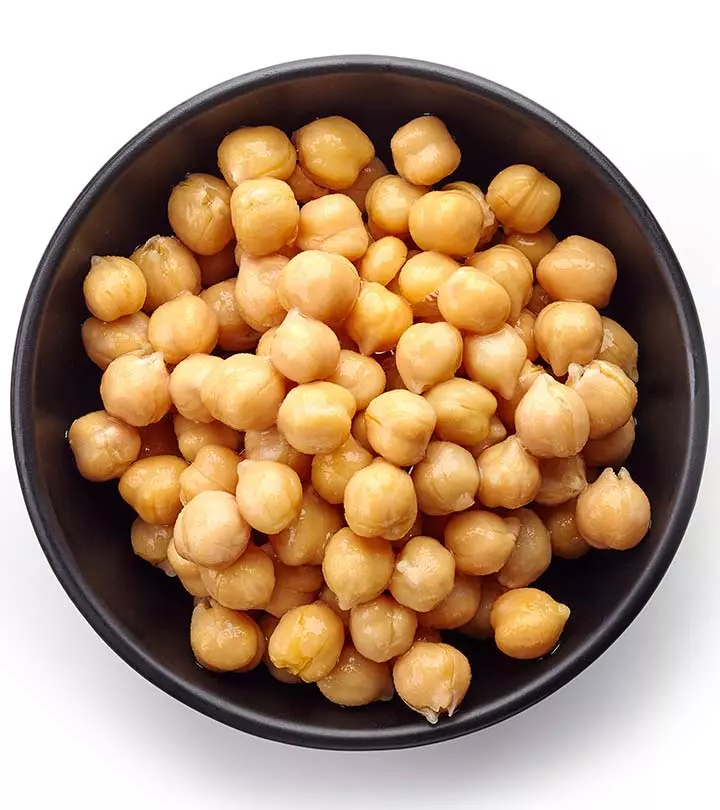
Chamunday International is based in India and lists 50 active products across nuts, dried fruits, legumes, spices, herbs and seeds. The catalogue includes cashew nuts, multiple varieties of raisins, several peanut grades, chickpeas sourced from Russia, and a USA‑origin almond classified under HS code 0802.12. Additional items such as China‑origin dried apricot (HS 0813.10) and amaranth seeds (HS 1008.99) illustrate the breadth of dried fruit and seed offerings. Each entry specifies the material, for example Prunus dulcis for almonds and Prunus armeniaca for dried apricot, aligning with standard HS‑code descriptions. The supplier also lists spice and herb products from Vietnam and other origins, completing a diverse food‑commodity portfolio.
Product Range and Specialties of Chamunday International
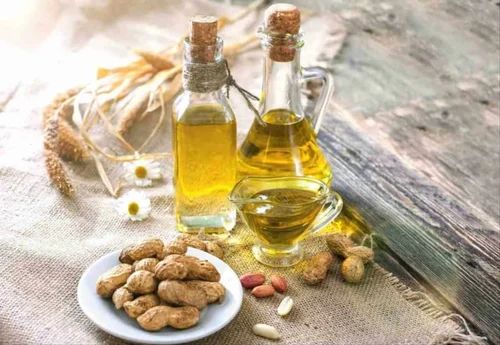
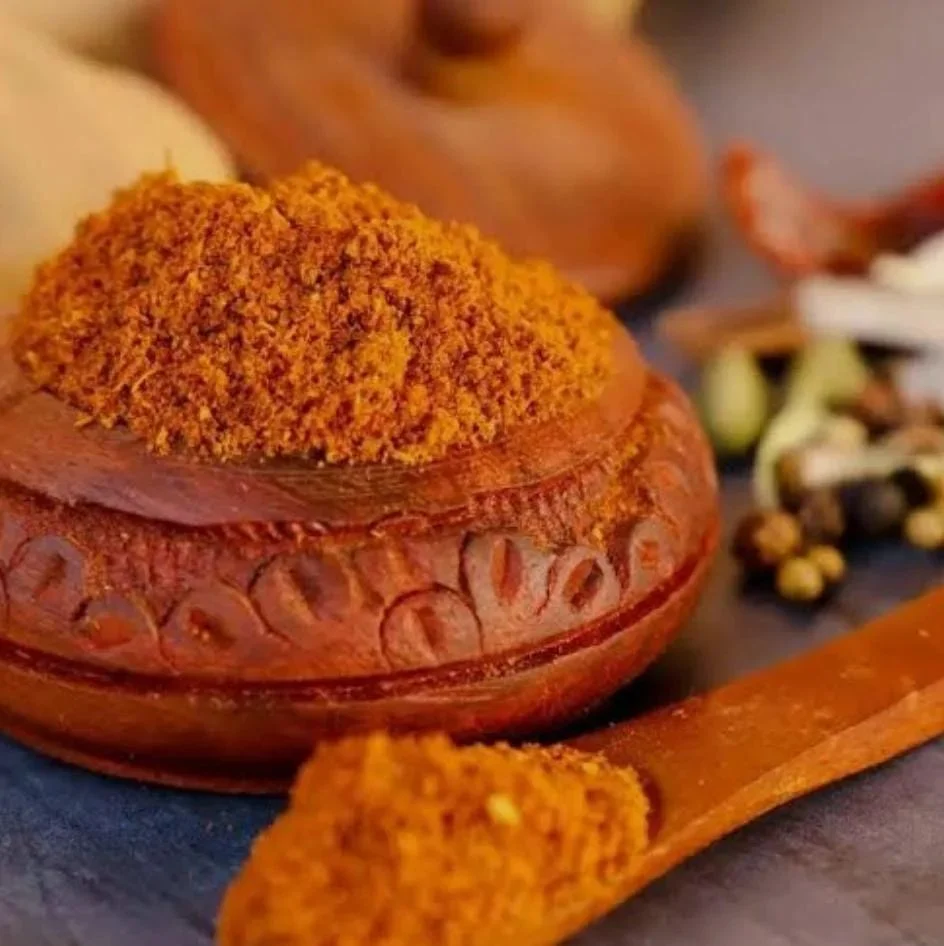
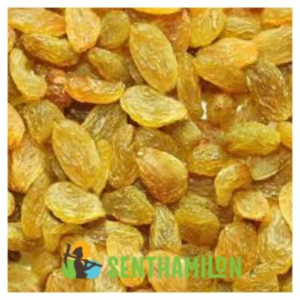
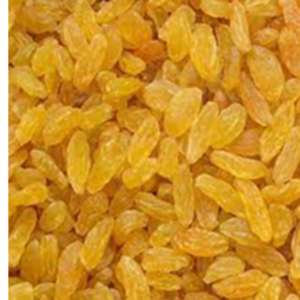
The product list covers primary categories identified in the facts: raisins, peanuts, chickpeas, spices, herbs, poppy seeds, cashew nuts and almonds. Within the nut segment, Chamunday offers raw cashew, USA‑origin almonds (HS 0802.12) and multiple peanut grades such as Bold (red‑skin) and Java (pink‑skin), which are typical in bulk trade. The dried fruit line includes Iran‑origin raisins, Chinese dried apricot (HS 0813.10) and golden raisins from Nashik, while the seed range features amaranth (HS 1008.99), sesame, sunflower and pumpkin seeds. In the spice and herb area, Vietnam‑origin whole and powdered spices are listed, reflecting common processing formats. Industry practice grades these commodities by size, moisture and contaminant limits. For example, almonds are often classified as Size 8‑12 mm, moisture < 5 % and free from mold, while peanuts are evaluated for aflatoxin < 10 ppb and split‑kernel uniformity. Raisins are typically sorted by moisture ≤ 12 %, uniform color and absence of foreign matter. Seed products like amaranth are graded by kernel integrity and moisture ≤ 10 %. These specifications help buyers match product quality to food‑manufacturing requirements.
Trade and Export Information - Chamunday International
India is a major exporter of bulk nuts, dried fruits, legumes and spices, with the EU, United States and Middle‑East regions accounting for the largest share of demand. HS chapter 08 (fruits and nuts) and chapter 10 (cereals and oilseeds) are the primary tariff headings for Chamunday’s catalogue, and buyers frequently request phytosanitary certificates, a certificate of origin and compliance with the Codex Alimentarius limits for pesticide residues. Typical certifications sought by importers of Indian nuts and dried fruits include ISO 22000, HACCP and FSSC 22000, although Chamunday’s own certification status is not listed in the supplied facts. Export logistics commonly use 20‑ft or 40‑ft containers with inner bulk bags of 500 kg for nuts and 25 kg polypropylene bags for seeds, sealed with moisture‑barrier liners. Incoterms such as FOB Mumbai or CIF Dubai are standard for these commodities, and customs authorities often inspect shipments against the declared HS codes (e.g., 0802.12 for almonds, 0813.10 for dried apricot, 1008.99 for amaranth seeds).
Sourcing from Chamunday International - Buyer Guidance
Buyers should request a recent phytosanitary certificate and a laboratory analysis report covering moisture, microbial load and, where relevant, aflatoxin levels for peanuts and pistachios. For nuts and dried fruits, a size‑distribution sheet and a sample of the batch for sensory and chemical testing (e.g., peroxide value for almonds) are standard pre‑shipment checks. Because Chamunday’s catalogue does not specify any held certifications, buyers are advised to ask for copies of ISO 22000, HACCP or equivalent food‑safety audits before confirming orders. Verifying the HS code on the commercial invoice against the product description helps prevent customs delays, and confirming packaging details (e.g., 500 kg bulk bags with food‑grade liners) ensures compliance with the buyer’s logistics chain.
Frequently Asked Questions About Chamunday International
What nut varieties does Chamunday International export from India?
The catalogue lists raw cashew nuts and multiple peanut grades, including Bold (red‑skin), Java (pink‑skin), whole & split roasted peanuts and in‑shell peanuts. Each type is typical for bulk trade and complies with standard moisture (< 5 %) and aflatoxin limits.
Does Chamunday provide HS code details for its almond shipments?
Yes. The USA‑origin almond is recorded with HS code 0802.12, which falls under the chapter for nuts. Buyers should verify this code on the commercial invoice and request a certificate of origin for customs clearance.
Which dried fruit products are included in the offering?
Iran‑origin raisins, golden raisins from Nashik, green raisins and China‑origin dried apricot (HS 0813.10) are listed. Typical quality checks include moisture ≤ 12 % for raisins and visual uniformity for apricot halves.
Are there any seed products with specific HS codes?
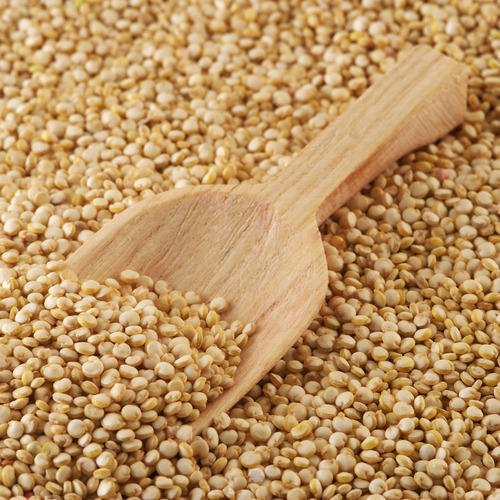
Amaranth seeds are listed with HS code 1008.99 and material description Amaranthus spp. Other seeds such as sesame, sunflower and pumpkin are present without explicit HS codes in the facts.
What documentation should a buyer request before placing an order?
Buyers should ask for a phytosanitary certificate, a recent laboratory analysis covering moisture and microbial limits, and any food‑safety audit reports (ISO 22000, HACCP) that the supplier can provide.
What packaging formats are typical for Chamunday’s bulk shipments?
Bulk nuts and dried fruits are commonly packed in 500 kg polypropylene bags with moisture‑barrier liners, while seeds are often shipped in 25 kg bags. Both formats are suitable for container loading under standard Incoterms such as FOB Mumbai.
Which markets typically import the product categories offered by Chamunday International?
The European Union, United States and Gulf Cooperation Council countries are the main importers of Indian nuts, dried fruits and spices. These regions usually require compliance with Codex limits, phytosanitary clearance and, for some products, organic certification if claimed.




 , India