Bottle World (Dhingal Mould) — Supplier
About Bottle World (Dhingal Mould) - Plastic Bottles & Sealings Supplier in Canada
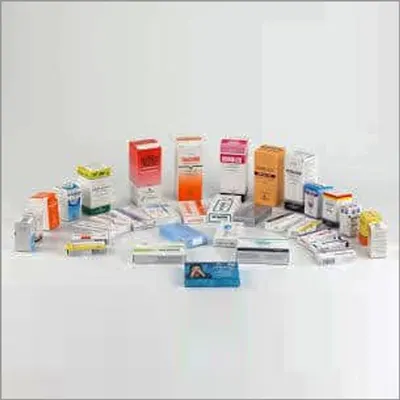
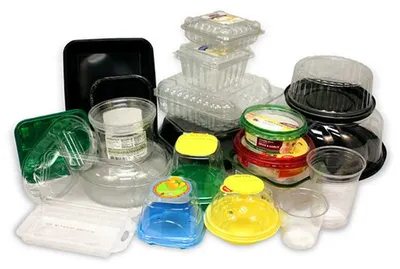
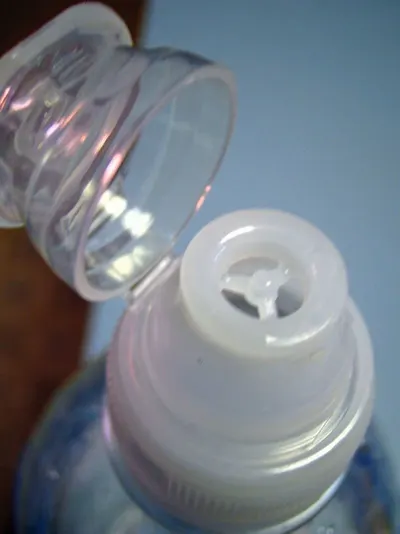
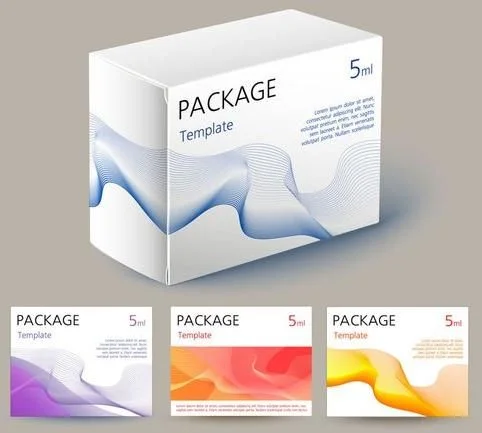
Canada hosts Bottle World (Dhingal Mould) with an active catalogue of five distinct products. The supplier’s listings span four primary categories - Plastic Bottles & Sealings, Pharmaceutical Packaging Boxes, Plastic Food Containers, and Dies & Mouldings - reflecting a focused but diverse product portfolio.
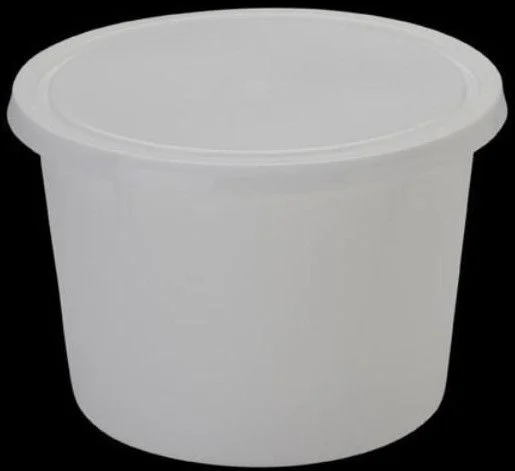
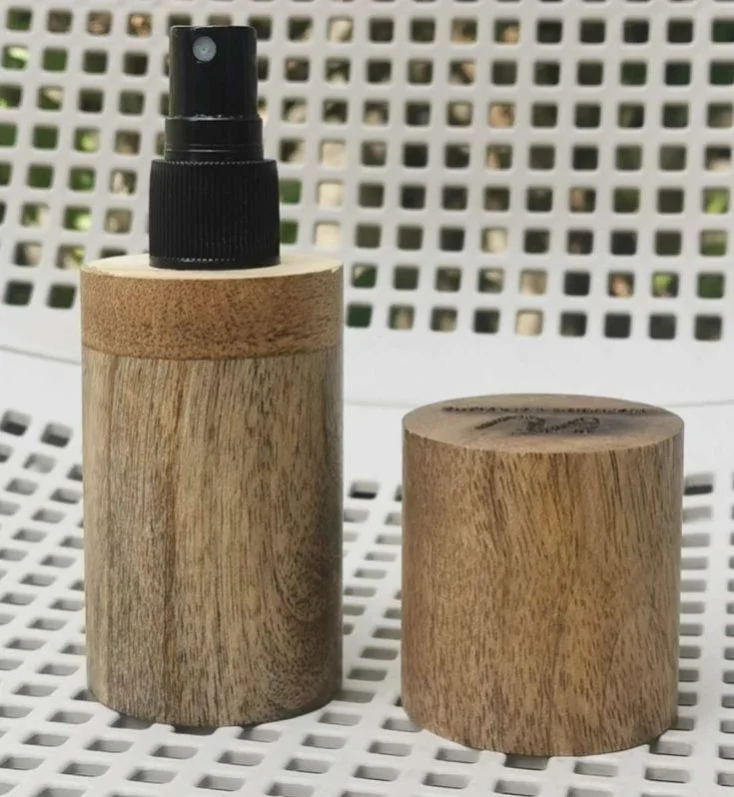
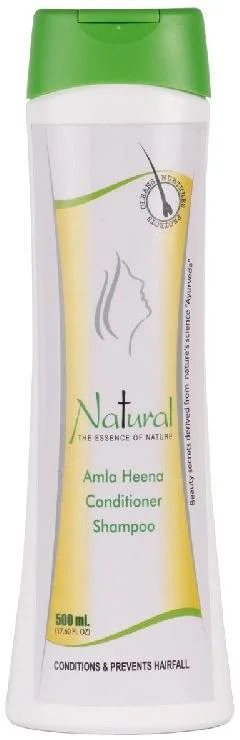
The catalogue includes a Pharmaceutical HDPE Bottle, generic Plastic Containers, PET Bottles, HDPE Shampoo Bottles, and a line of Dies & Mouldings identified under HS code 8207.30. The moulding items are manufactured from tool‑steel grades such as H13, D2 or P20, supplied on a custom‑per‑requirement basis. Each product aligns with its respective category as defined in the supplier’s data.
Product Range and Specialties of Bottle World (Dhingal Mould)
The five listed items cover standard industry formats. HDPE bottles for pharmaceuticals typically meet FDA food‑contact regulations and are supplied in capacities ranging from 30 ml to 500 ml, with wall thicknesses between 0.5 mm and 1.2 mm. PET bottles are commonly produced to ASTM D3825 specifications, featuring clear, high‑clarity containers for beverages and personal‑care liquids. HDPE shampoo bottles usually incorporate a 2 % barrier coating and are tested for a melt‑flow index (MFI) of 5 - 10 g/10 min. Plastic food containers follow EU‑Regulation 1935/2004 standards for food‑contact polymers, with typical dimensions of 200 mm × 150 mm × 30 mm and a moisture content below 0.2 %. The Dies & Mouldings catalogue item, classified under HS 8207.30, uses tool‑steel grades H13, D2 or P20, which are heat‑treated to a hardness of 45 - 55 HRC and are supplied according to custom design drawings.
Trade and Export Information - Bottle World (Dhingal Mould)
Canada’s plastic packaging sector exports primarily to the United States, the European Union and selected Asian markets, where demand for FDA‑compliant HDPE and PET containers remains strong. The relevant HS‑code families fall under Chapter 39 (Plastics and articles thereof), with HDPE bottles typically recorded under HS 3917 and PET bottles under HS 3915. Buyers often require certificates of compliance with FDA, EU REACH and ISO 9001, as well as third‑party inspection reports such as SGS or Bureau Veritas. Standard export logistics employ FOB or CIF terms, using 20‑foot or 40‑foot containers that can accommodate 1,200 - 1,500 HDPE bottles or 2,000 - 2,500 PET bottles per container; dies and mouldings are usually shipped in wooden crates with protective padding. Canadian manufacturers benefit from a stable regulatory environment and established customs procedures for plastic and steel tooling exports.
Sourcing from Bottle World (Dhingal Mould) - Buyer Guidance
When sourcing from Bottle World (Dhingal Mould), buyers should request a Material Safety Data Sheet (MSDS) for each polymer, along with FDA or REACH compliance certificates for the HDPE and PET bottles. For the shampoo bottles, a barrier‑coating test report and melt‑flow index data are standard verification points. The dies and mouldings require a material test certificate confirming the exact steel grade (H13, D2 or P20) and a hardness test report (Rockwell C). Buyers are advised to obtain a sample batch for dimensional inspection and a third‑party lab report on any food‑contact migration limits before confirming large orders. Verifying that the supplier can meet container tolerances (±0.2 mm) and that the moulding designs comply with the buyer’s CAD specifications helps mitigate production risk.
Frequently Asked Questions About Bottle World (Dhingal Mould)
What types of plastic bottles does Bottle World (Dhingal Mould) offer?
The catalogue lists Pharmaceutical HDPE Bottles, generic Plastic Containers, PET Bottles for beverages, and HDPE Shampoo Bottles, each produced in standard industry capacities and wall‑thickness ranges.
Are the HDPE bottles suitable for pharmaceutical use?
Yes, the Pharmaceutical HDPE Bottles are intended for pharma applications and are manufactured to meet FDA food‑contact requirements, with typical MFI values between 5 and 10 g/10 min.
What material is used for the Dies & Mouldings product?
The dies and mouldings are made from tool‑steel grades H13, D2 or P20, supplied on a custom per‑requirement basis, and are classified under HS code 8207.30.
Which certifications should a buyer request for the plastic packaging?
Buyers should request FDA compliance certificates for food‑contact items, REACH registration for EU markets, and an ISO 9001 quality‑management certificate from the supplier.
What packaging and container sizes are typical for export?
Export shipments usually use 20‑ft or 40‑ft containers; a 20‑ft container can hold roughly 1,200 - 1,500 HDPE bottles, while a 40‑ft container can accommodate 2,000 - 2,500 PET bottles. Dies and mouldings are packed in wooden crates with cushioning.
What documentation is needed before placing a large order?
Request MSDS for each polymer, material test certificates for the steel, third‑party inspection reports (e.g., SGS), and, where applicable, barrier‑coating test results and dimensional inspection reports.
Which markets commonly import Canadian plastic packaging?
The United States, the European Union and Southeast Asian countries are the main import destinations for Canadian HDPE and PET packaging, driven by demand for FDA‑ and REACH‑compliant containers.
What HS codes apply to the listed products?
Plastic bottles fall under Chapter 39 (e.g., HDPE bottles HS 3917, PET bottles HS 3915), while the Dies & Mouldings are recorded under HS 8207.30 for tool‑steel articles.




 , Canada