Bestar (Tianjin) Trading Co., Ltd. — Supplier
About Bestar (Tianjin) Trading Co., Ltd. - Building Insulation and Glassware Supplier in China
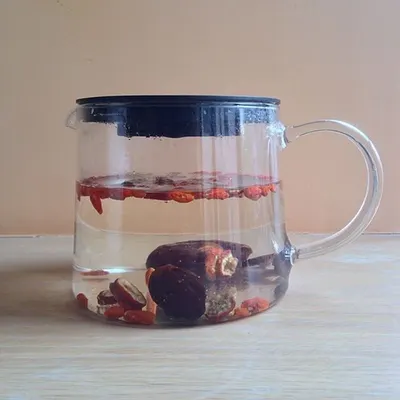
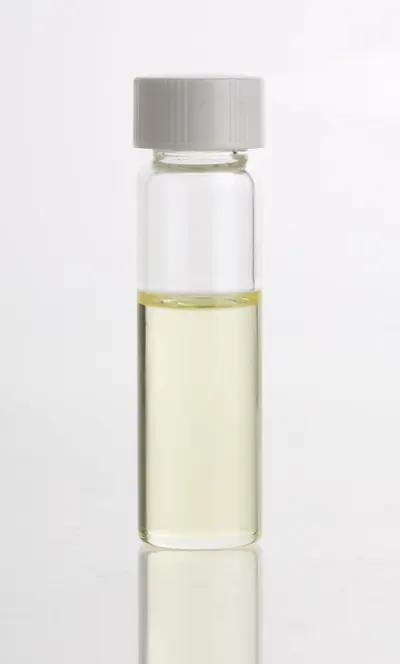
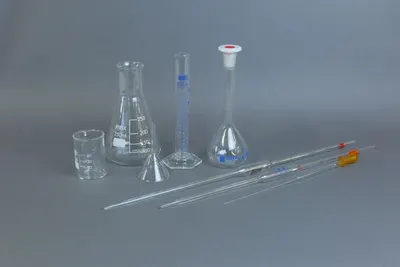
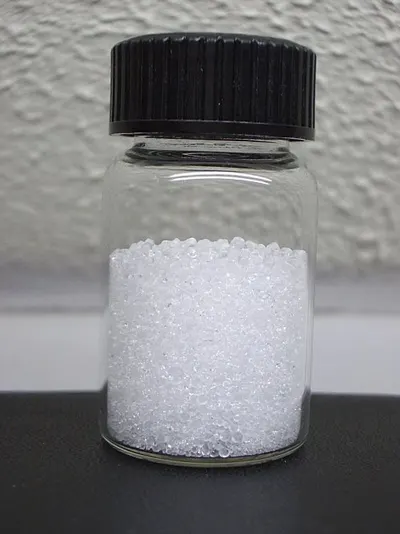
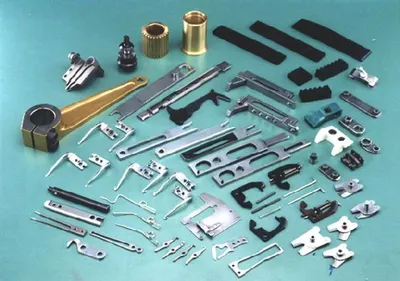
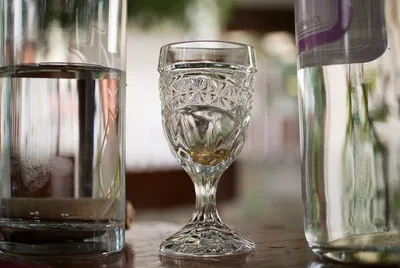
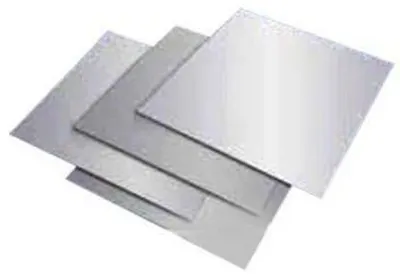
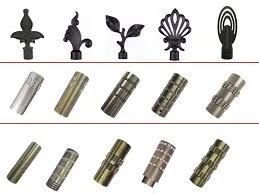
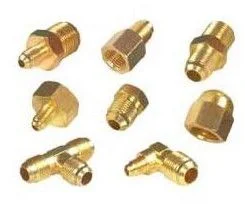
Bestar (Tianjin) Trading Co., Ltd. is a trading company registered in Tianjin, a major northern port and industrial hub in China that handles a large share of the country's building-materials and consumer-goods exports. The supplier lists 14 active products on its catalogue, grouped across eight top categories that combine construction insulation, technical glass, and household glassware. Its insulation line covers glasswool board, aluminum silicate board and felt (ceramic fiber), rock wool / basalt wool, and foam glass, while its glassware line spans glass apparatus, glass bowls, glass teapots, glass tubes and sticks, screw neck vials, and ampoule bottles. The catalogue also includes needle-punched acoustic canvas, air-conditioning duct board, and a building accessories item classified under HS code 8302.41 in galvanized steel or stainless steel 304. The mix reflects Tianjin-based trading houses that bridge Chinese factories in Hebei, Shandong, and Inner Mongolia with overseas buyers sourcing insulation for HVAC and industrial projects alongside tableware and packaging glass. Insulation densities for the wool-type boards typically range from 24 to 96 kg/m3 with thermal conductivity between 0.032 and 0.045 W/(m·K), while ceramic-fiber boards used in furnace lining are commonly rated for service temperatures of 1050 to 1260 degrees C. Glassware items such as teapots and bowls are generally produced as soda-lime or borosilicate glass in capacities from 350 ml to 1500 ml, and pharmaceutical-type glass (screw neck vials, ampoules) is normally Type I borosilicate conforming to USP <660> and EP 3.2.1. The building accessories line, coded 8302.41 (base-metal mountings, fittings and similar articles suitable for buildings), points to hardware such as hinges, brackets, or door closers in zinc-plated, galvanized, or 304 stainless steel.
Product Range and Specialties of Bestar (Tianjin) Trading Co., Ltd.
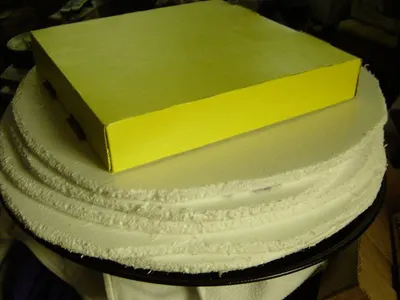
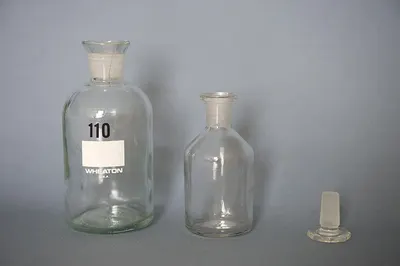
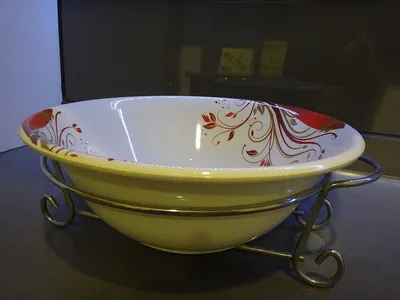
The catalogue is anchored on two distinct material families. The first is high-temperature and acoustic insulation: glasswool board (typically bonded with thermosetting resin, faced with FSK or aluminum foil, in densities 24-48 kg/m3 and thermal conductivity around 0.040 W/(m·K)), aluminum silicate / ceramic-fiber board and felt (classified by alumina content, commonly 45%, 56%, or 73% Al2O3, with shot content below 15% and organic binder below 2%), rock wool / basalt wool (slag content below 10%, density 40-200 kg/m3, used where fire rating A1 per EN 13501-1 is required), and foam glass (closed-cell, density 100-180 kg/m3, compressive strength 0.5-2.5 MPa, widely used for cryogenic and underground pipe insulation). The second family is glassware, spanning laboratory apparatus (beakers, flasks, condensers in borosilicate 3.3 per ISO 4787), tableware (glass bowls and teapots in soda-lime or heat-resistant borosilicate), and pharmaceutical primary packaging (screw neck vials in USP Type I borosilicate, ampoule bottles in clear or amber glass). Two further catalogue items sit between these families. Needle-punched acoustic canvas is a nonwoven polyester or polypropylene textile, typically 200-600 g/m2, used as a decorative facing for acoustic panels in studios, offices, and auditoriums. Air-conditioning duct board is a rigid glasswool or phenolic foam panel pre-formed for HVAC ductwork, commonly 25-50 mm thick with densities of 48-64 kg/m3 and a factory-applied aluminum or glass-cloth facing meeting ASTM C1071 for duct liner applications. The building accessories item under HS 8302.41 is specified in galvanized steel or stainless steel 304, indicating corrosion-resistant architectural hardware. Buyers evaluating this range should expect to see CE marking for construction products sold in the EU, GB 8624 fire classification for the Chinese domestic market, and ASTM E84 or EN 13501-1 fire-performance data for insulation boards destined for North American and European projects.
Trade and Export Information - Bestar (Tianjin) Trading Co., Ltd.
Insulation materials from China are typically shipped to construction, petrochemical, power-generation, and shipbuilding buyers across Southeast Asia, the Middle East, Africa, and Eastern Europe, where large infrastructure and industrial projects consume rock wool, glasswool, and ceramic fiber in container-load volumes. A standard 40 ft high-cube container holds roughly 600 to 900 m2 of glasswool board depending on density and compression, while ceramic-fiber products are usually palletized in shrink-wrap and loaded at 18-22 m3 per 40 ft container. Foam glass, being heavier (around 120-160 kg/m3), typically loads 18-22 m3 per 20 ft container. The relevant HS-code families for the insulation side are 7019 (glass fibres and articles thereof, covering glasswool), 6806 (slag wool, rock wool, and similar mineral wools), 6807 (articles of asphalt or similar material, sometimes used for faced boards), and 6901 (ceramic blocks and insulating bricks, covering some ceramic-fiber shapes). Glassware exports from Tianjin and the wider Bohai region feed tableware distributors in Europe, North America, and Latin America, as well as laboratory and pharmaceutical buyers in India, the GCC, and Africa. Tableware glass typically clears customs under HS 7013 (glassware of a kind used for table, kitchen, or toilet purposes), laboratory apparatus under HS 7017 (laboratory, hygienic, or pharmaceutical glassware), and pharmaceutical vials and ampoules under HS 7010 (carboys, bottles, flasks, jars, pots, phials, ampoules, and other containers of glass). Common Incoterms on these lanes are FOB Tianjin, CFR, and CIF to ports such as Hamburg, Jebel Ali, Santos, and Long Beach. Exporters in this segment typically work with CE documentation for tableware in contact with food (EU Regulation 1935/2004 and LFGB for Germany), FDA food-contact compliance for the US market, USP <660> and EP 3.2.1 conformity for pharmaceutical glass, and ISO 15378 for primary packaging suppliers. Standard seaworthy packaging is corrugated cartons with EPE or honeycomb dividers for glassware and palletized, stretch-wrapped loads for insulation boards.
Sourcing from Bestar (Tianjin) Trading Co., Ltd. - Buyer Guidance
Buyers sourcing insulation should request the density (kg/m3), thickness (mm), thermal conductivity (W/(m·K) at a stated mean temperature), fire classification (A1, A2-s1,d0 under EN 13501-1 or ASTM E84 flame/smoke indices), facing type (FSK, aluminum foil, glass cloth), and shot content for rock wool. For ceramic fiber, ask for the Al2O3 percentage, service temperature limit, organic binder content, and a certificate of analysis. For glassware, request the glass type (soda-lime vs. borosilicate 3.3), capacity (ml), dimensional tolerances, and any food-contact or pharmacopoeia compliance documents. The building accessories item under HS 8302.41 should be confirmed for grade (Q235, SS304), zinc-coating thickness in microns for galvanized items, and salt-spray test hours. Standard documents to ask for include a commercial invoice, packing list, bill of lading, certificate of origin (Form E for ASEAN, Form F for Chile, GSP Form A for some African and European destinations), and a fumigation or phytosanitary certificate only if wooden pallets are used. For insulation, request third-party test reports from SGS, BV, TUV, or Intertek covering thermal conductivity, density, and fire performance. For pharmaceutical glass, ask for USP Type I conformity, extractables data, and a DMF reference where available. Pre-shipment inspection (PSI) by an independent agency is standard for first orders, and buyers should confirm sample lead times (usually 7-15 days for standard items, longer for custom moulds), production lead time (typically 20-35 days after deposit for insulation, 30-45 days for glassware), and whether the supplier can consolidate mixed containers across the catalogue categories.
Frequently Asked Questions About Bestar (Tianjin) Trading Co., Ltd.
What product categories does Bestar (Tianjin) Trading Co., Ltd. list?
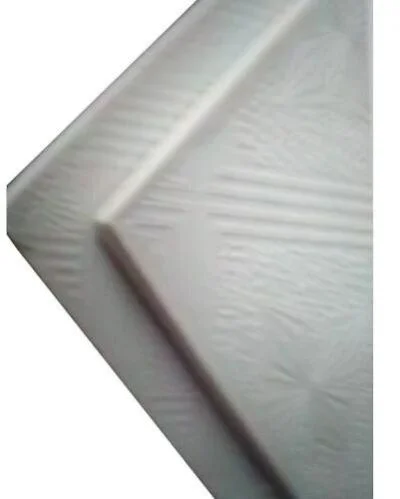
The catalogue covers 14 active products across eight top categories: roofing sheets and gypsum board, ceramic fiber, other glass products, wool, serving bowls, textile fabric and raw material, air conditioner parts, and glassware. Specific items include glasswool board, aluminum silicate board and felt, glass apparatus, rock wool, glass bowls, needle-punched acoustic canvas, air-conditioning duct board, glassware, foam glass, building accessories (HS 8302.41), screw neck vials, glass tubes and sticks, glass teapots, and ampoule bottles.
Which insulation specifications should I request before ordering?
Ask for density in kg/m3, thickness in mm, thermal conductivity in W/(m·K) at a stated mean temperature, fire classification per EN 13501-1 or ASTM E84, facing type, and shot content for rock wool. For ceramic fiber, request Al2O3 percentage, service temperature, and organic binder content. Third-party test reports from SGS, BV, TUV, or Intertek should accompany the shipment.
What glassware grades are typical in this catalogue?
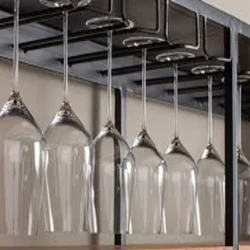
Tableware such as bowls and teapots is usually soda-lime or heat-resistant borosilicate glass in capacities from 350 ml to 1500 ml. Laboratory apparatus is generally borosilicate 3.3 per ISO 4787. Screw neck vials and ampoule bottles are typically USP Type I borosilicate glass meeting USP <660> and EP 3.2.1 for pharmaceutical primary packaging.
Which certifications and documents should I confirm with the supplier?
For insulation, request CE marking, EN 13501-1 or ASTM E84 fire data, and ISO 9001 quality system documentation. For glassware sold in the EU, ask for compliance with EU Regulation 1935/2004 and LFGB; for the US market, FDA food-contact compliance. Standard export documents are commercial invoice, packing list, bill of lading, and certificate of origin (Form E, Form F, or GSP Form A depending on destination).
What are typical MOQ and lead times for these goods?
Insulation boards are usually sold by full container (roughly 600-900 m2 of glasswool per 40 ft HC depending on density), with production lead times of 20-35 days after deposit. Glassware MOQs vary by mould but commonly start at 1,000 to 3,000 pieces per SKU, with production lead times of 30-45 days. Custom colours or moulds for glassware extend lead times by 15-30 days.
How are insulation boards and glassware packed for export?
Insulation boards are typically packed in PE shrink-wrap on wooden or steel pallets, then loaded into 40 ft containers. Glassware is packed in corrugated cartons with EPE foam or honeycomb dividers, with palletization and stretch-wrap for container loading. A 20 ft container of foam glass typically holds 18-22 m3 given its 120-160 kg/m3 density.
Which HS codes apply to the items in this catalogue?
The catalogue explicitly lists HS 8302.41 for the building accessories item in galvanized steel or stainless steel 304. The other items fall under standard families: glasswool under 7019, rock wool and slag wool under 6806, ceramic-fiber products under 6806 or 6901, foam glass under 7016 or 6806, tableware glass under 7013, laboratory glass under 7017, and pharmaceutical vials and ampoules under 7010. Confirm the exact 6-digit code with the supplier's customs broker for your destination.
Which regions typically import these product categories from China?
Insulation materials are commonly shipped to construction, petrochemical, power, and shipbuilding projects across Southeast Asia, the Middle East, Africa, and Eastern Europe. Glassware flows to tableware distributors in Europe, the Americas, and Latin America, while laboratory and pharmaceutical glass is widely exported to India, the GCC, and African markets. Common Incoterms on these lanes are FOB Tianjin, CFR, and CIF to ports such as Hamburg, Jebel Ali, Santos, and Long Beach.




 , China