Balkan Agro Centar — Verified Supplier
About Balkan Agro Centar - Fresh Fruits Supplier in Serbia
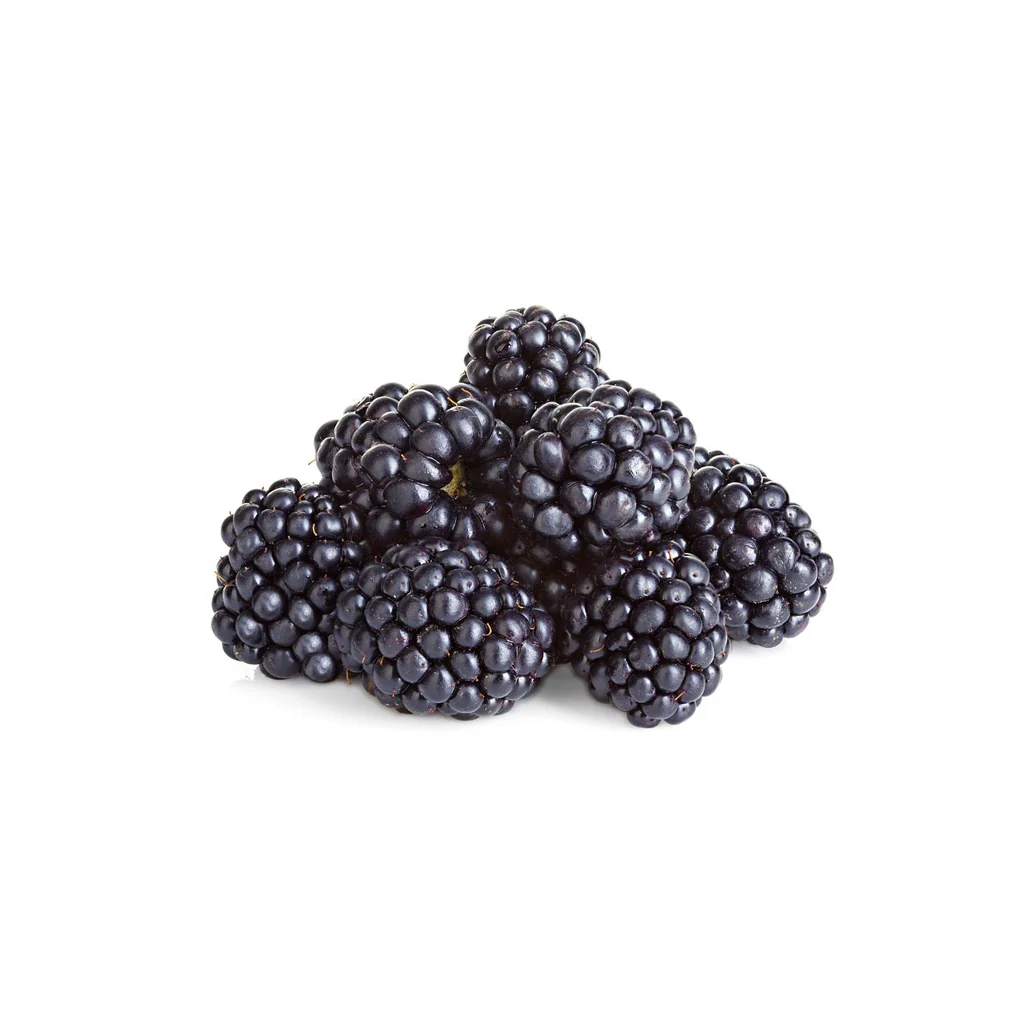
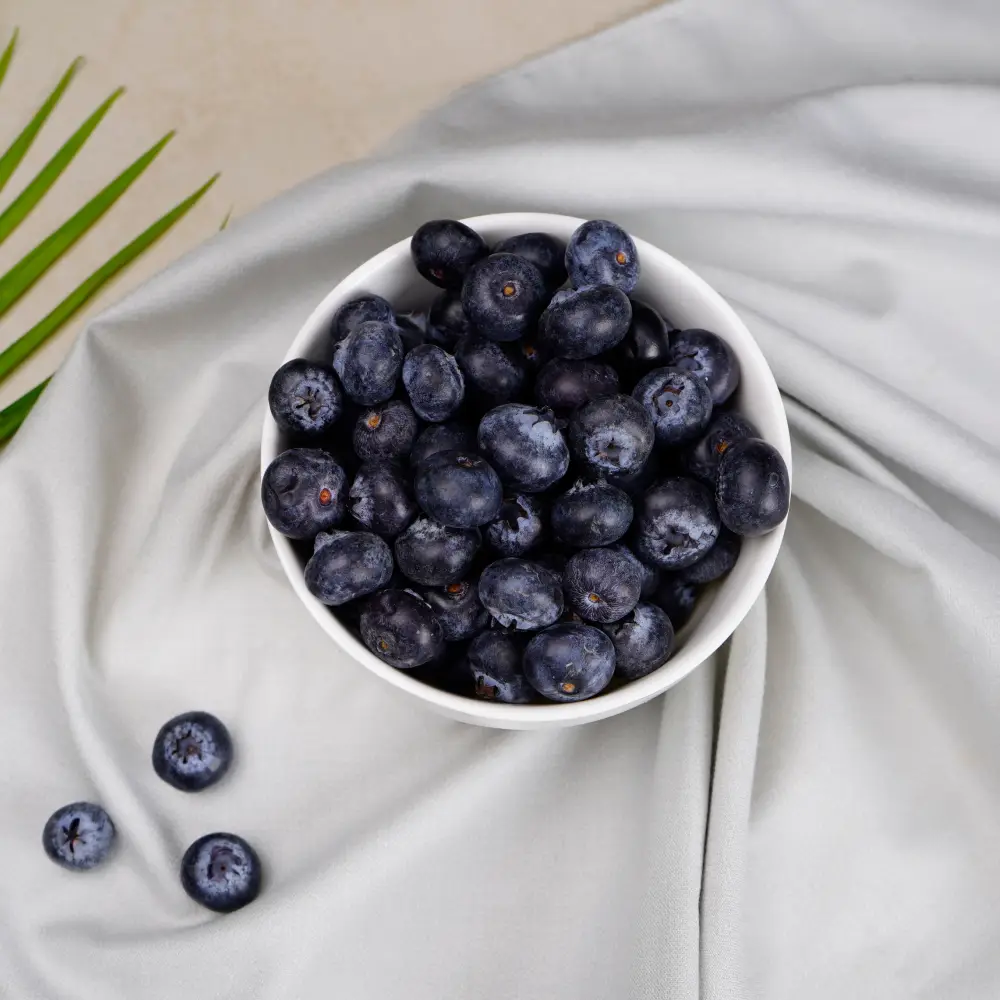
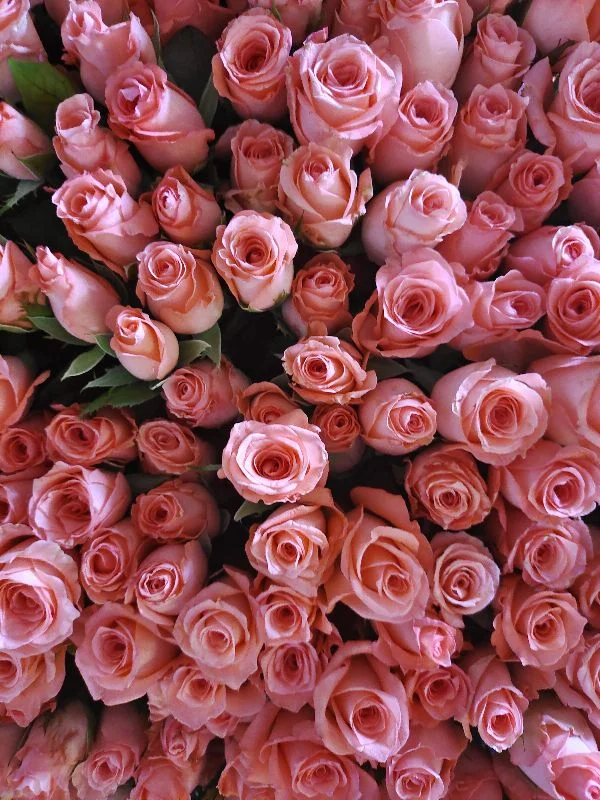
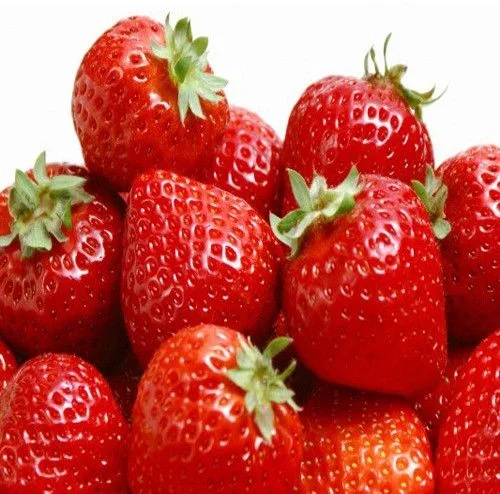
Serbia‑based Balkan Agro Centar currently lists six active products in its catalogue. The portfolio comprises Fresh Blueberry, Fresh Sweet Cherry, Fresh Strawberries, Fresh Blackberry, a Rose Nursery and a Fruit Nursery, reflecting the supplier’s focus on fresh berries, stone fruit and ornamental horticulture. All items fall under the HS chapter 08 family for fresh fruit (e.g., HS 0809 for cherries, HS 0811 for berries) and HS 0603 for cut roses, which are the standard tariff headings used by customs for these categories.
The supplier’s top categories are recorded as Blueberry, Fresh Fruits, Strawberry, Blackberry, Fresh Roses and Plants & Plant Extracts. Each product is presented as a fresh, whole commodity rather than a processed ingredient, and the catalogue does not specify any processing or value‑added treatments. The active product count of six matches the six individual listings, confirming a concise but focused range of horticultural goods available for export.
Product Range and Specialties of Balkan Agro Centar
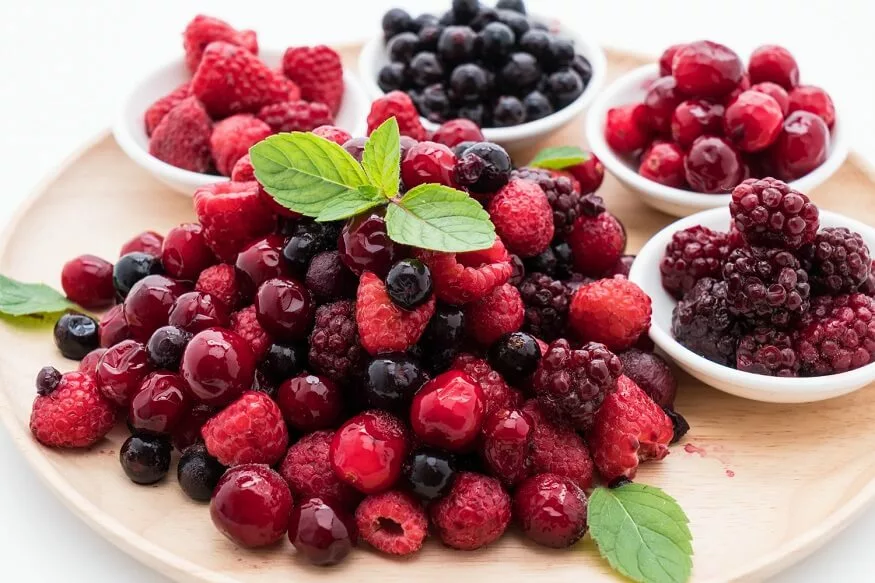
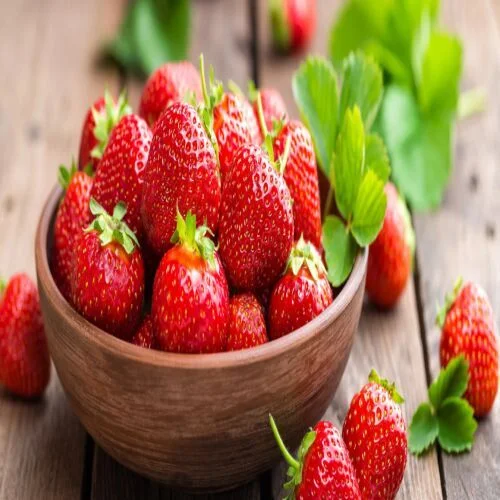
Balkan Agro Centar’s catalogue includes the typical fresh berries exported from the Balkans: blueberries, strawberries and blackberries, together with sweet cherries that are classified under HS 0809. In the global market, these berries are usually graded by size (e.g., calibre 1 - 3 mm for blueberries), soluble solids content (Brix 10‑12 % for strawberries), and visual defects. Rose Nursery items fall under HS 0603 and are commonly supplied as cut roses or potted specimens, with standard grades based on stem length (40‑60 cm) and bud opening percentage. Plant nursery stock such as fruit saplings is classified under HS 0602 and is typically graded by root quality, disease‑free status and plant age (1‑2 years).
Trade and Export Information - Balkan Agro Centar
Serbia exports fresh horticultural produce primarily to the European Union, the Middle East and Russia, using refrigerated containers that comply with EU phytosanitary regulations. For berries and cherries, HS 08 xx codes trigger mandatory phytosanitary certificates and, where applicable, GlobalGAP or BRC audit reports. Cut roses (HS 0603) and nursery stock (HS 0602) often require a Phytosanitary Certificate and a certificate of origin to satisfy import requirements in EU member states. Logistics commonly employ 20‑ft or 40‑ft refrigerated containers (reefers) with temperature control set between 0 °C and 2 °C for berries, and 2 °C to 4 °C for roses, with packaging in ventilated cardboard boxes or clamshell trays to preserve freshness during sea or air freight.
Sourcing from Balkan Agro Centar - Buyer Guidance
When sourcing berries from Balkan Agro Centar, buyers should request the latest GlobalGAP audit, a phytosanitary certificate and, if required by the destination market, a BRC food safety certificate. Samples should be examined for colour, firmness, Brix level and pesticide residue compliance with EU maximum residue limits (MRLs). For roses and nursery stock, buyers need to verify that the plants are disease‑free, accompanied by a phytosanitary certificate and a certificate of origin, and that packaging meets the importing country’s ventilation standards. Confirming these documents before order confirmation helps reduce customs delays and ensures that the shipment meets the buyer’s quality specifications.
Frequently Asked Questions About Balkan Agro Centar
What fresh fruit varieties does Balkan Agro Centar offer?
The catalogue lists Fresh Blueberry, Fresh Sweet Cherry, Fresh Strawberry and Fresh Blackberry, each supplied as whole fresh fruit under the HS 08 xx tariff headings.
Are phytosanitary certificates available for the berries?
Yes, the supplier can provide the required phytosanitary certificate for all fresh fruit items, which is standard for HS 08 xx exports from Serbia.
Which quality specifications are typical for the berries?
Buyers usually check size calibre, Brix (soluble solids) levels of 10‑12 % for strawberries, colour, firmness and compliance with EU pesticide MRLs.
What documentation is needed for Rose Nursery shipments?
A phytosanitary certificate, certificate of origin and, where requested by the buyer, a GlobalGAP or BRC audit report for cut roses (HS 0603) are standard.
What are the usual packaging formats for the berries?
Berries are commonly packed in ventilated cardboard boxes or 1 kg clamshell trays, sealed in insulated pallets for refrigerated transport.
What is the typical lead time for an order?
Lead times generally range from 10 to 20 days after order confirmation, depending on seasonality and the need for phytosanitary inspection.
What minimum order quantities apply?
Minimum order quantities are set per product; for fresh berries they usually start at one 20‑ft refrigerated container, while roses may be ordered in smaller pallet loads.
How can a buyer request a sample?
Buyers can request a sample by specifying the product, desired quantity and shipping terms; the supplier will arrange a small‑scale shipment with the necessary certificates attached.




 , Serbia