Agriculture›
 Apparel and fashion accessories›
 Construction & real estate›💡Electronic & Electrical›🍎Food & Beverages›🛋️Home furnishing & supplies›⚗️Industrial goods & chemical›🪨Minerals & metals›📦Miscellaneous›Agriculture›Apparel and fashion accessories›Construction & real estate›💡Electronic & Electrical›🍎Food & Beverages›🛋️Home furnishing & supplies›⚗️Industrial goods & chemical›🪨Minerals & metals›📦Miscellaneous›
Astra (Super Moringa) Product Catalog


About Astra (Super Moringa) - Moringa Products Supplier in India
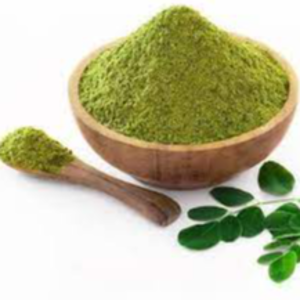
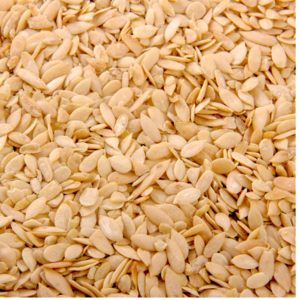
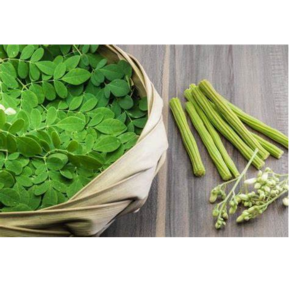
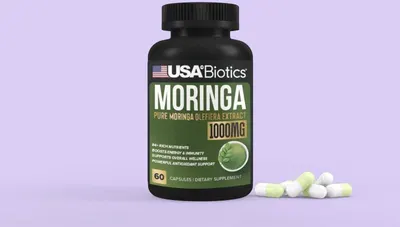
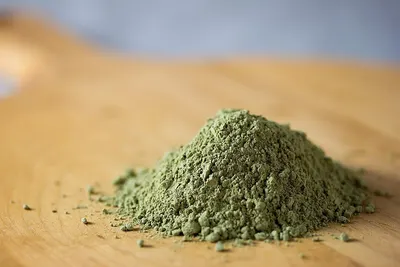
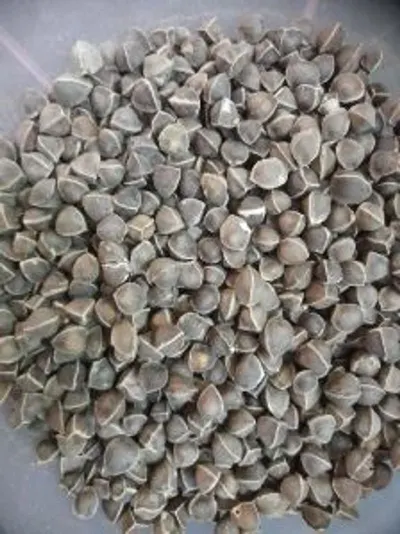
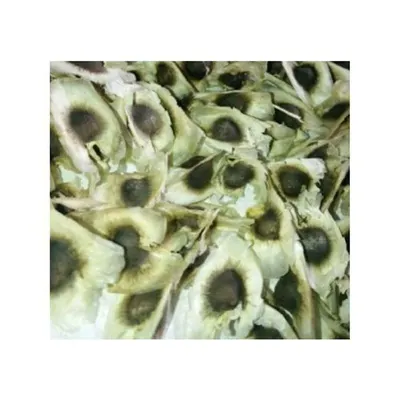
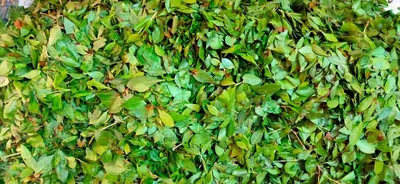
India hosts Astra (Super Moringa) with an active catalogue of seven distinct Moringa‑derived items. The supplier lists products under the broad categories of Moringa Seeds, Herbal Products and Essential Oils, which are generally classified within HS chapter 12 for oil seeds and HS chapter 13 for vegetable oils and related extracts. The seven SKUs include Moringa Seed, Wingless Moringa Seed, Dried Moringa Leaves, Cold‑Pressed Moringa Oil, Moringa Leaf Powder, Moringa Seed Powder and Moringa Seed Kernel. Each product is described by its botanical source and processing method rather than by brand‑specific claims.
The catalogue specifies that the seed and kernel are sold as whole or broken kernels, the leaf and seed powders are fine milled, and the oil is cold‑pressed without solvent use. Industry standards for these items typically require moisture levels below 8 % for powders, particle size distribution under 250 µm, and heavy‑metal limits under 10 ppm for lead and cadmium. Cold‑pressed Moringa oil is usually evaluated for free fatty acid content below 1 % and peroxide values under 10 meq O₂/kg. Packaging formats commonly seen are 25 kg burlap bags for powders, 5 L PET bottles for oil, and 500 g sealed sachets for dried leaves.
Product Range and Specialties of Astra (Super Moringa)
Astra (Super Moringa) offers a focused line of seven Moringa products that cover the seed, leaf and oil spectrum. The seed range includes whole seed and a wingless variant that is processed to remove the natural wing for easier handling. Leaf material is supplied as dried whole leaves and as a fine leaf powder, while the oil is presented as a cold‑pressed, solvent‑free extract. Seed derivatives are sold as a fine seed powder and as a kernel suitable for further processing into oil or protein concentrate.
In the broader Moringa market, buyers encounter grades such as “Food Grade” for powders with ≥ 90 % purity, low ash and microbiological limits of ≤ 10⁴ CFU/g, and “Pharma Grade” for extracts meeting stricter residual solvent and heavy‑metal thresholds. Typical oil specifications reference an iodine value of 70‑80 and a saponification value around 190 mg KOH/g. Standard export packaging includes 25 kg woven bags for powders, 5‑L PET bottles or 200 L drums for oil, and 500 g laminated pouches for dried leaves, all sealed to preserve oxidative stability.
Frequently Asked Questions About Astra (Super Moringa)
What Moringa products are listed in Astra (Super Moringa)'s catalogue?
The catalogue contains seven items: Moringa Seed, Wingless Moringa Seed, Dried Moringa Leaves, Cold‑Pressed Moringa Oil, Moringa Leaf Powder, Moringa Seed Powder and Moringa Seed Kernel.
What are the typical quality specifications for Moringa leaf powder?
Leaf powder is generally required to have moisture ≤ 8 %, purity ≥ 90 %, particle size ≤ 250 µm, heavy‑metal limits < 10 ppm for lead and cadmium, and microbial counts below 10⁴ CFU/g.
Which certifications are commonly required for the cold‑pressed Moringa oil?
Buyers usually request ISO 9001 or HACCP compliance, a Certificate of Analysis showing free fatty acid < 1 % and peroxide value < 10 meq O₂/kg, and, where applicable, organic or FSSC 22000 certification.
How is Moringa seed powder typically packaged for export?
Export packaging for seed powder commonly uses 25 kg woven burlap bags with inner polyethylene liners, sealed to protect against moisture and contamination.
Under which HS code categories do these Moringa products fall?
Moringa seed and kernel are classified under HS 1209, dried leaves under HS 1302, and cold‑pressed oil under HS 1515, reflecting oil seeds, vegetable products and vegetable oils respectively.
 India
Related Suppliers & Products
Explore similar suppliers, related products and trending categories