Agriculture›
 Apparel and fashion accessories›
 Construction & real estate›💡Electronic & Electrical›🍎Food & Beverages›🛋️Home furnishing & supplies›⚗️Industrial goods & chemical›🪨Minerals & metals›📦Miscellaneous›Agriculture›Apparel and fashion accessories›Construction & real estate›💡Electronic & Electrical›🍎Food & Beverages›🛋️Home furnishing & supplies›⚗️Industrial goods & chemical›🪨Minerals & metals›📦Miscellaneous›
Ansar Ali Product Catalog

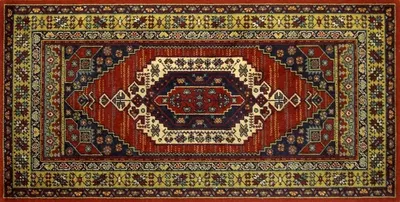
About Ansar Ali - Carpets Supplier in India
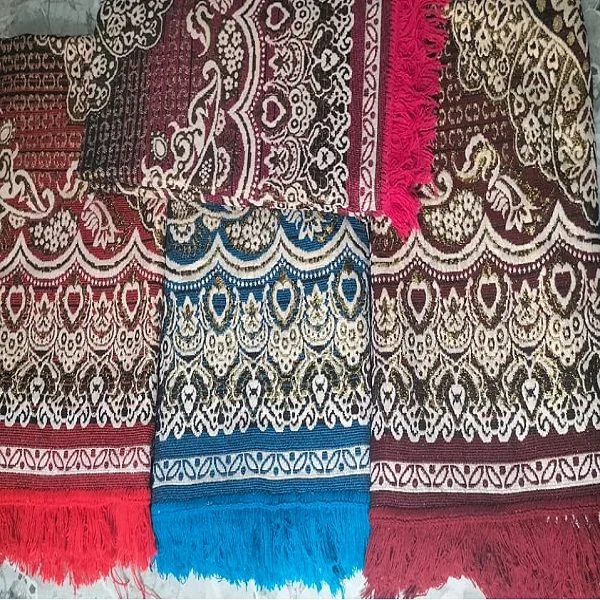
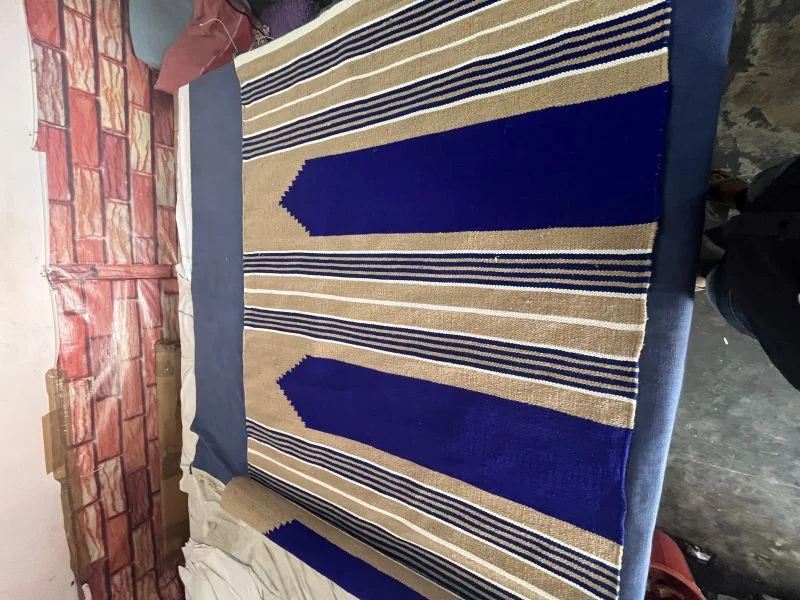
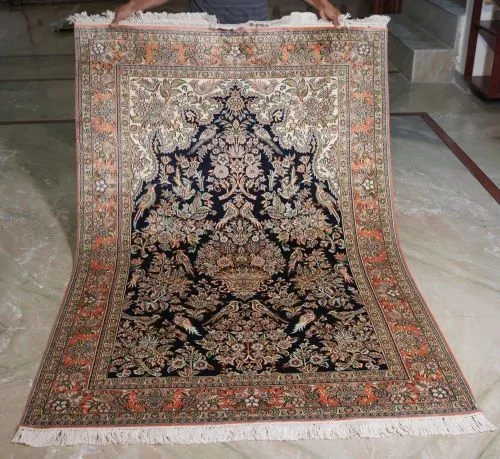
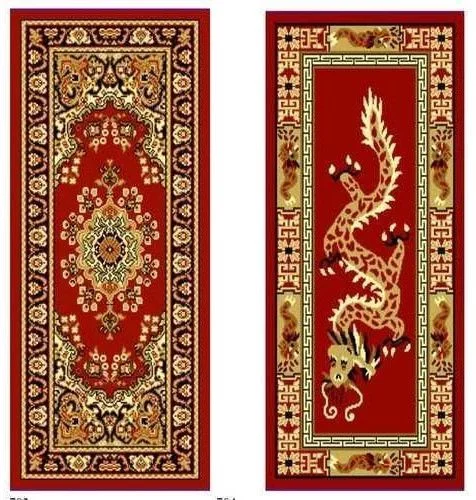
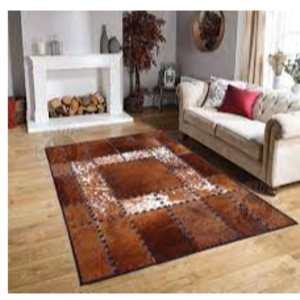
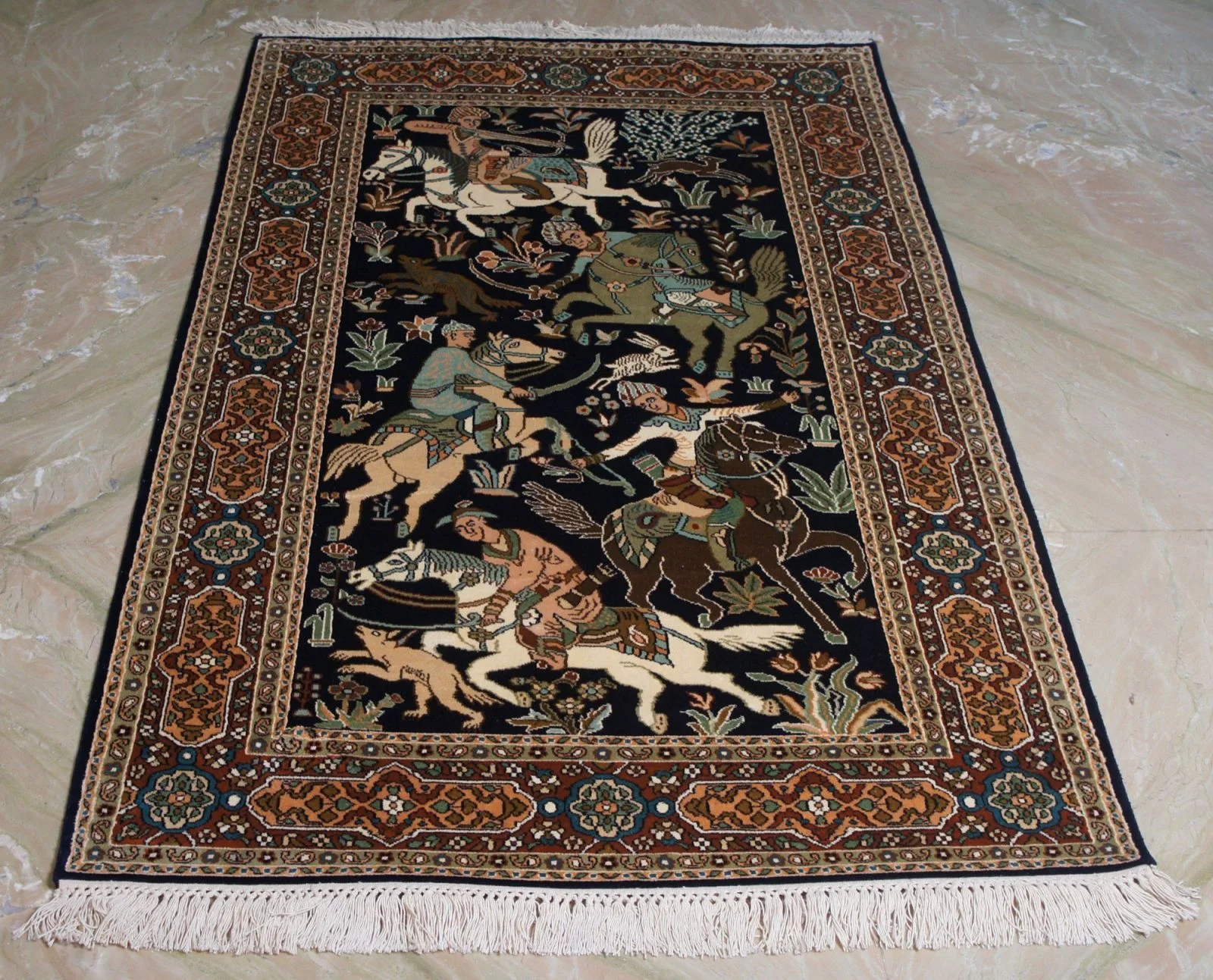
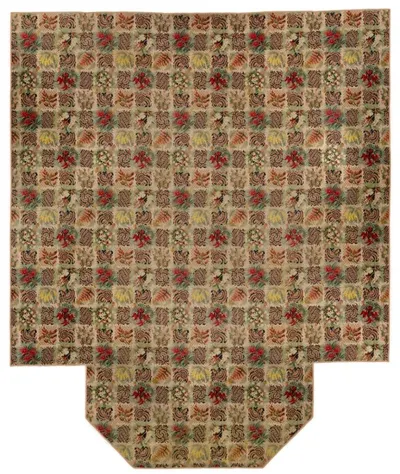
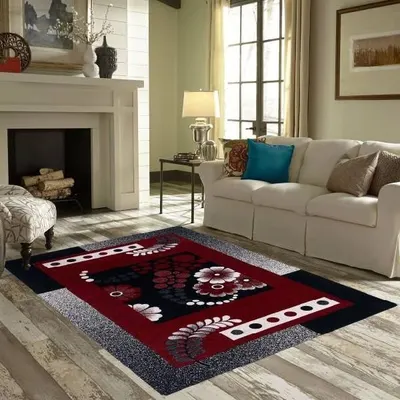
Ansar Ali is based in India and currently lists five active products in its catalogue. The company focuses on floor covering solutions, specifically carpets and rugs for hospitality and residential settings. Its catalogue includes Hotel Carpets, quality Hospitality Carpet, Hand Knotted Rugs, Indian Hospitality Carpet, and Wall To Wall Carpet. These items fall under the broader carpet and floor covering category recognized under HS chapter 57, which covers woven and tufted textile floor coverings.
The product titles indicate a specialization in hospitality environments, with both woven and hand‑knotted constructions. The Wall To Wall Carpet entry suggests a broad‑loom or tufted product designed for full‑room coverage. While no specific certifications are listed for Ansar Ali, Indian carpet exporters typically reference standards such as ISO 9001 for quality management and fire‑retardancy classifications required by destination markets.
Product Range and Specialties of Ansar Ali
Ansar Ali’s catalogue spans hotel‑grade carpets, general hospitality carpets, hand‑knotted rugs, and wall‑to‑wall floor coverings. In the carpet industry, hotel‑grade products are usually classified by pile height (e.g., 5‑10 mm), density (e.g., 30‑40 kg/m³), and wear rating such as the Woolmark or ACMA standards. Hand‑knotted rugs are often evaluated by knot count per square inch, with premium Indian rugs ranging from 80 to 150 kpsi. Wall‑to‑wall carpets are commonly produced in tufted or woven forms with backing materials like polypropylene or jute, and buyers look for dimensions such as 4 m × 6 m rolls.
Typical material specifications include nylon, polyester, wool, or blended fibers, each offering different durability and stain‑resistance profiles. For hospitality applications, a fire‑retardant treatment meeting NFPA 255 or EN 13501‑1 is frequently required, and moisture absorption below 0.5 % is a common quality target.
Frequently Asked Questions About Ansar Ali
What types of carpet products does Ansar Ali offer?
Ansar Ali lists Hotel Carpets, quality Hospitality Carpet, Indian Hospitality Carpet, Wall To Wall Carpet, and Hand Knotted Rugs. These cover both tufted and hand‑knotted floor coverings for hospitality and residential use.
Which HS code is applicable to the products listed by Ansar Ali?
The carpet and floor covering items fall under HS chapter 57, specifically HS code 5702 for woven or tufted textile floor coverings. This code is used for customs classification of most carpet products.
What certifications should a buyer request for hospitality carpets from India?
Buyers typically request fire‑retardancy test reports such as NFPA 255 or EN 13501‑1. Additional common documents include ISO 9001 quality management certificates and Oeko‑Tex Standard 100 for textile safety.
Are samples available before placing a bulk order?
Suppliers of Indian carpets usually provide a sample roll or a single hand‑knotted rug that reflects the intended pile height, material composition, and knot count. Samples allow buyers to evaluate texture, durability, and visual appearance prior to larger commitments.
What are the common packaging and shipping methods for these carpet products?
Carpet rolls are typically packed on reinforced cardboard cores, shrink‑wrapped, and loaded into 20‑ft or 40‑ft containers. Wall‑to‑wall carpets may be folded, palletized, and shipped under Incoterms such as CIF or FOB.
 India
Related Suppliers & Products
Explore similar suppliers, related products and trending categories