AMI Lanka (Pvt) Limited — Verified Supplier

About AMI Lanka (Pvt) Limited - Fresh Vegetables Supplier in Sri Lanka

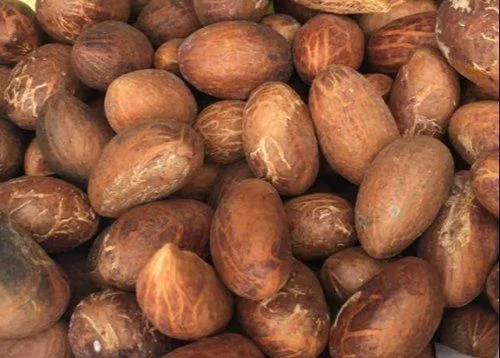
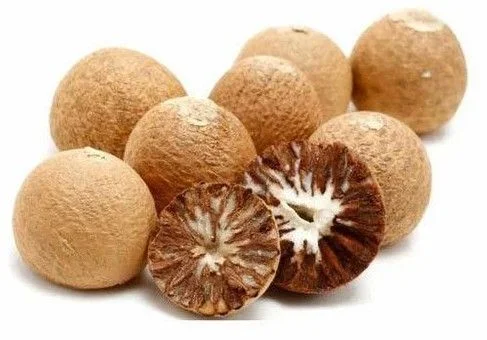
Sri Lanka is the origin of AMI Lanka (Pvt) Limited, which currently lists 94 active products across several horticultural and spice categories. The catalogue includes fresh vegetables, a variety of indoor decorative plants, and a broad selection of spice and coconut derivatives such as pure Ceylon cinnamon, black pepper, cloves, nutmeg, mace, and coconut oil powder. Specific items with HS codes in the listing are Betel nuts (HS 0802.80, dried Areca catechu nut) and Coconut coir (HS 5305.00, natural coconut fiber). The supplier’s top categories reported are Fresh Vegetables, Plants & Plant Extracts, Black Cardamom, Nutmegs, Fresh Lady Finger, Fresh Pumpkin, Fresh Potato, and Herbs.

Product Range and Specialties of AMI Lanka (Pvt) Limited

AMI Lanka’s catalogue lists spices such as pure Ceylon cinnamon (bark, quills, oil), black pepper, cloves, nutmeg and mace. In the global spice market, these commodities are classified under HS chapter 0901 and are commonly graded as Grade A (≥ 95 % essential oil for cinnamon, ≤ 12 % moisture for pepper) or Grade B, with specifications such as oil content, particle size and microbiological limits defined by ISO 4120, ISO 6675 and ISO 11036. Coconut products - copra, desiccated coconut, coconut sugar and coconut oil powder - fall under HS chapters 0801 and 0802; standard specifications include moisture below 6 % for desiccated coconut and a fat content of 60 - 70 % for coconut oil powder, with packaging in multi‑layer bags or bulk containers. Indoor ornamental plants and live decorative foliage are reported under HS 0602 and typically require phytosanitary certificates, with common sizes ranging from 30 cm to 80 cm pot height. Betel nuts (HS 0802.80) are exported as dried nuts with moisture not exceeding 12 % and are subject to pesticide residue limits in many destination markets.

Trade and Export Information - AMI Lanka (Pvt) Limited

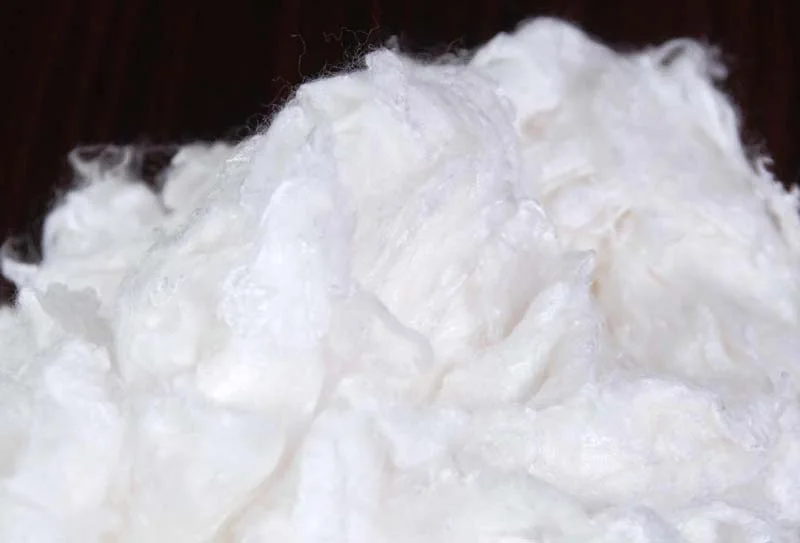
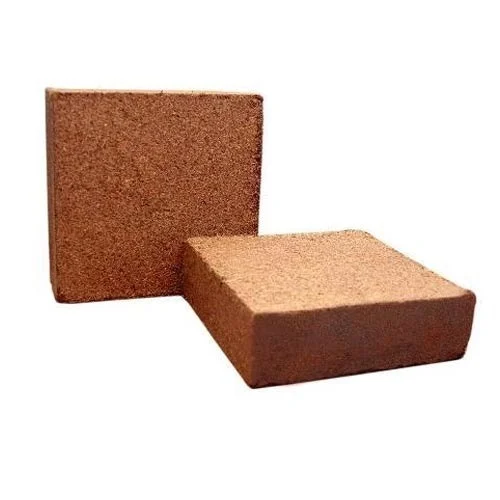
Sri Lankan exporters of spices and coconut derivatives primarily ship to the European Union, the United States, the Middle East and South‑East Asian markets. HS 0901 spices are inspected under the EU’s Rapid Alert System for Food and Feed (RASFF) and may require a Certificate of Origin, a Phytosanitary Certificate and, where applicable, an Organic Certification. Coconut coir (HS 5305.00) is widely used in horticultural substrates and is often shipped in 20‑ft containers as compressed bales, with moisture content below 10 % to prevent mould.

Typical Incoterms used by Sri Lankan spice exporters are FOB Colombo and CIF Dubai, reflecting the major port facilities. Bulk spices are packed in food‑grade multi‑layer polypropylene bags of 25 kg or 50 kg, while fresh vegetables are containerised in ventilated 40‑ft reefers with temperature control between 4 °C and 12 °C. Buyers generally request compliance with ISO 9001 quality management, HACCP food safety plans and, for organic products, certification to EU organic regulation (Regulation 834/2007).

Sourcing from AMI Lanka (Pvt) Limited - Buyer Guidance

Buyers sourcing from AMI Lanka should request a current phytosanitary certificate, a laboratory analysis report showing moisture, essential oil and pesticide residues, and, where relevant, an ISO 9001 or HACCP audit report. For spice items, confirm the grade (e.g., Grade A cinnamon with ≥ 95 % cinnamaldehyde) and verify that the sample matches the declared particle size and colour.

Typical minimum order quantities are 500 kg for bulk spices and 200 kg for coconut powder, with lead times of 30‑45 days from order confirmation. Packaging specifications such as 25 kg food‑grade bags for spices or 1 m³ bulk bags for coconut coir should be agreed in advance, and buyers should inspect the cargo on arrival for moisture and pest damage.

Frequently Asked Questions About AMI Lanka (Pvt) Limited

What spice varieties are listed in AMI Lanka’s catalogue?

The catalogue includes pure Ceylon cinnamon (bark, quills and oil), black pepper, cloves, nutmeg, mace and related extracts such as cinnamon bark oil.

Which coconut products can be sourced from AMI Lanka?

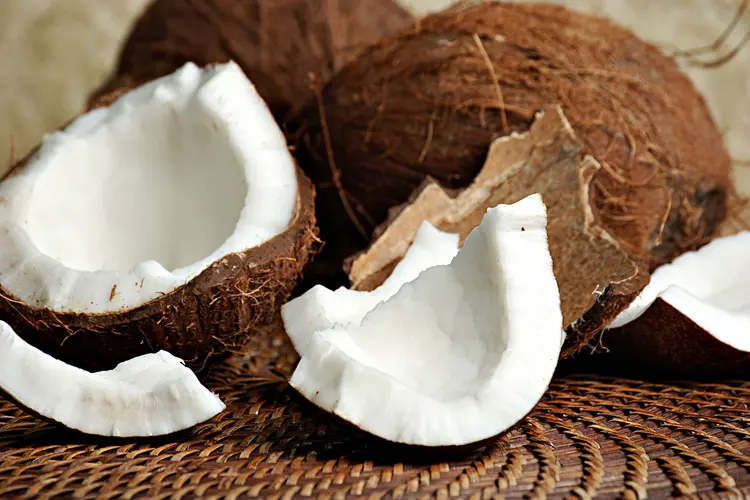
Available coconut products are copra, semi‑husked kernels, desiccated coconut, coconut sugar, coconut oil powder, coconut shell and natural coconut coir (HS 5305.00).

Does AMI Lanka provide certifications for its spice exports?

The supplier’s facts do not list specific certifications; buyers should request copies of ISO 9001, HACCP or any organic certificates that the company may hold, together with a phytosanitary certificate for each shipment.

What are the typical packaging formats for the listed spices?

Spices are normally packed in food‑grade multi‑layer polypropylene bags of 25 kg or 50 kg, sealed to meet moisture limits below 12 % and labelled with HS code 0901 series.

How are the indoor decorative plants shipped?

Live plants are packed in ventilated plastic trays or pots, protected with moisture‑retaining media, and exported under HS 0602 with a phytosanitary certificate; shipments are usually consolidated in 20‑ft containers.

What documentation is required for Betel nuts (HS 0802.80)?

Buyers should obtain a phytosanitary certificate, a certificate of origin, and a laboratory report confirming moisture content below 12 % and compliance with pesticide residue limits for the dried Areca catechu nuts.

What are the standard quality parameters for fresh vegetables from Sri Lanka?

Fresh vegetables are expected to have a shelf life of 7‑10 days, be free of visible pests, and meet residual pesticide limits set by the importing country; they are typically packed in perforated 1 m³ cartons for refrigerated transport.

What is the usual export volume for coconut coir (HS 5305.00)?

Coconut coir is commonly exported in compressed bales weighing 500 kg each, with moisture content under 10 % to prevent mould, and shipped in 20‑ft containers.

Featured Products from this Supplier

Other Suppliers in Primary Category

Top Trusted Suppliers

Related Products

Trending in Parent Category

More Suppliers in Category

Related Products

Other Suppliers

EximNext
58.7K+ live requirements
Register Free🎁 Reach verified global buyers
Post Requirement
🌍 Trusted by 224.9K+ businesses in 200+ countries|
58.7K+ active requirements right now
✉️ [email protected]
|
Sell on EximNextPost Requirement
EximNext
AgricultureApparelConstructionElectronicFoodHomeIndustrialMineralsMiscellaneous
🔥 Deals|✨ AI Match|🏭 Suppliers|📋 Buy Leads|💰 Trade Finance
58.7K+ live RFQs·194.8K+ suppliers
🎁 Reach global buyers →
EximNext
EximNext
Register Free
🎁 Reach verified global buyers
Sign In
📋Post Requirement💬Get Quotes✨AI Match📋RFQ Marketplace
All Categories
Services & Tools
🏭Supplier Directory🔥Today's Deals💰Trade Finance
Sell on EximNext →
AboutContactBlogHelp
Agriculture & Food  ·  Sri Lanka
94
products listed

AMI Lanka (Pvt) Limited

⚓ Harbor
Country flag , Sri Lanka
🛡️
77/100
Trust Score

AMI Lanka (Pvt) Limited Product Catalog

Showing 12 of 94 products
View all products →
Cabbage Purple
⚓ Harbor
Cabbage Purple
Contact
MOQ: 1 Unit
Sponge Gourd Lufa
⚓ Harbor
Sponge Gourd Lufa
Contact
MOQ: 1 Unit
Spring Onion
⚓ Harbor
Spring Onion
Contact
MOQ: 1 Unit
Sweet Potatoes
⚓ Harbor
Sweet Potatoes
Contact
MOQ: 1 Unit
Kiriala
⚓ Harbor
Kiriala
Contact
MOQ: 1 Unit
Innala
⚓ Harbor
Innala
Contact
MOQ: 1 Unit
Zucchini
⚓ Harbor
Zucchini
Contact
MOQ: 1 Unit
Frissie
⚓ Harbor
Frissie
Contact
MOQ: 1 Unit
Gotu Kola
⚓ Harbor
Gotu Kola
Contact
MOQ: 1 Unit
Green Chili
⚓ Harbor
Green Chili
Contact
MOQ: 1 Unit
Tomatoes
⚓ Harbor
Tomatoes
Contact
MOQ: 1 Unit
Hot Chilli
⚓ Harbor
Hot Chilli
Contact
MOQ: 1 Unit

About AMI Lanka (Pvt) Limited - Fresh Vegetables Supplier in Sri Lanka

Sri Lanka is the origin of AMI Lanka (Pvt) Limited, which currently lists 94 active products across several horticultural and spice categories. The catalogue includes fresh vegetables, a variety of indoor decorative plants, and a broad selection of spice and coconut derivatives such as pure Ceylon cinnamon, black pepper, cloves, nutmeg, mace, and coconut oil powder. Specific items with HS codes in the listing are Betel nuts (HS 0802.80, dried Areca catechu nut) and Coconut coir (HS 5305.00, natural coconut fiber). The supplier’s top categories reported are Fresh Vegetables, Plants & Plant Extracts, Black Cardamom, Nutmegs, Fresh Lady Finger, Fresh Pumpkin, Fresh Potato, and Herbs.

Product Range and Specialties of AMI Lanka (Pvt) Limited

AMI Lanka’s catalogue lists spices such as pure Ceylon cinnamon (bark, quills, oil), black pepper, cloves, nutmeg and mace. In the global spice market, these commodities are classified under HS chapter 0901 and are commonly graded as Grade A (≥ 95 % essential oil for cinnamon, ≤ 12 % moisture for pepper) or Grade B, with specifications such as oil content, particle size and microbiological limits defined by ISO 4120, ISO 6675 and ISO 11036. Coconut products - copra, desiccated coconut, coconut sugar and coconut oil powder - fall under HS chapters 0801 and 0802; standard specifications include moisture below 6 % for desiccated coconut and a fat content of 60 - 70 % for coconut oil powder, with packaging in multi‑layer bags or bulk containers. Indoor ornamental plants and live decorative foliage are reported under HS 0602 and typically require phytosanitary certificates, with common sizes ranging from 30 cm to 80 cm pot height. Betel nuts (HS 0802.80) are exported as dried nuts with moisture not exceeding 12 % and are subject to pesticide residue limits in many destination markets.

Trade and Export Information - AMI Lanka (Pvt) Limited

Sri Lankan exporters of spices and coconut derivatives primarily ship to the European Union, the United States, the Middle East and South‑East Asian markets. HS 0901 spices are inspected under the EU’s Rapid Alert System for Food and Feed (RASFF) and may require a Certificate of Origin, a Phytosanitary Certificate and, where applicable, an Organic Certification. Coconut coir (HS 5305.00) is widely used in horticultural substrates and is often shipped in 20‑ft containers as compressed bales, with moisture content below 10 % to prevent mould.

Typical Incoterms used by Sri Lankan spice exporters are FOB Colombo and CIF Dubai, reflecting the major port facilities. Bulk spices are packed in food‑grade multi‑layer polypropylene bags of 25 kg or 50 kg, while fresh vegetables are containerised in ventilated 40‑ft reefers with temperature control between 4 °C and 12 °C. Buyers generally request compliance with ISO 9001 quality management, HACCP food safety plans and, for organic products, certification to EU organic regulation (Regulation 834/2007).

Sourcing from AMI Lanka (Pvt) Limited - Buyer Guidance

Buyers sourcing from AMI Lanka should request a current phytosanitary certificate, a laboratory analysis report showing moisture, essential oil and pesticide residues, and, where relevant, an ISO 9001 or HACCP audit report. For spice items, confirm the grade (e.g., Grade A cinnamon with ≥ 95 % cinnamaldehyde) and verify that the sample matches the declared particle size and colour.

Typical minimum order quantities are 500 kg for bulk spices and 200 kg for coconut powder, with lead times of 30‑45 days from order confirmation. Packaging specifications such as 25 kg food‑grade bags for spices or 1 m³ bulk bags for coconut coir should be agreed in advance, and buyers should inspect the cargo on arrival for moisture and pest damage.

Frequently Asked Questions About AMI Lanka (Pvt) Limited

What spice varieties are listed in AMI Lanka’s catalogue?

The catalogue includes pure Ceylon cinnamon (bark, quills and oil), black pepper, cloves, nutmeg, mace and related extracts such as cinnamon bark oil.

Which coconut products can be sourced from AMI Lanka?

Available coconut products are copra, semi‑husked kernels, desiccated coconut, coconut sugar, coconut oil powder, coconut shell and natural coconut coir (HS 5305.00).

Does AMI Lanka provide certifications for its spice exports?

The supplier’s facts do not list specific certifications; buyers should request copies of ISO 9001, HACCP or any organic certificates that the company may hold, together with a phytosanitary certificate for each shipment.

What are the typical packaging formats for the listed spices?

Spices are normally packed in food‑grade multi‑layer polypropylene bags of 25 kg or 50 kg, sealed to meet moisture limits below 12 % and labelled with HS code 0901 series.

How are the indoor decorative plants shipped?

Live plants are packed in ventilated plastic trays or pots, protected with moisture‑retaining media, and exported under HS 0602 with a phytosanitary certificate; shipments are usually consolidated in 20‑ft containers.

What documentation is required for Betel nuts (HS 0802.80)?

Buyers should obtain a phytosanitary certificate, a certificate of origin, and a laboratory report confirming moisture content below 12 % and compliance with pesticide residue limits for the dried Areca catechu nuts.

What are the standard quality parameters for fresh vegetables from Sri Lanka?

Fresh vegetables are expected to have a shelf life of 7‑10 days, be free of visible pests, and meet residual pesticide limits set by the importing country; they are typically packed in perforated 1 m³ cartons for refrigerated transport.

What is the usual export volume for coconut coir (HS 5305.00)?

Coconut coir is commonly exported in compressed bales weighing 500 kg each, with moisture content under 10 % to prevent mould, and shipped in 20‑ft containers.

About AMI Lanka (Pvt) Limited - Fresh Vegetables Supplier in Sri Lanka

Sri Lanka is the origin of AMI Lanka (Pvt) Limited, which currently lists 94 active products across several horticultural and spice categories. The catalogue includes fresh vegetables, a variety of indoor decorative plants, and a broad selection of spice and coconut derivatives such as pure Ceylon cinnamon, black pepper, cloves, nutmeg, mace, and coconut oil powder. Specific items with HS codes in the listing are Betel nuts (HS 0802.80, dried Areca catechu nut) and Coconut coir (HS 5305.00, natural coconut fiber). The supplier’s top categories reported are Fresh Vegetables, Plants & Plant Extracts, Black Cardamom, Nutmegs, Fresh Lady Finger, Fresh Pumpkin, Fresh Potato, and Herbs.

Product Range and Specialties of AMI Lanka (Pvt) Limited

AMI Lanka’s catalogue lists spices such as pure Ceylon cinnamon (bark, quills, oil), black pepper, cloves, nutmeg and mace. In the global spice market, these commodities are classified under HS chapter 0901 and are commonly graded as Grade A (≥ 95 % essential oil for cinnamon, ≤ 12 % moisture for pepper) or Grade B, with specifications such as oil content, particle size and microbiological limits defined by ISO 4120, ISO 6675 and ISO 11036. Coconut products - copra, desiccated coconut, coconut sugar and coconut oil powder - fall under HS chapters 0801 and 0802; standard specifications include moisture below 6 % for desiccated coconut and a fat content of 60 - 70 % for coconut oil powder, with packaging in multi‑layer bags or bulk containers. Indoor ornamental plants and live decorative foliage are reported under HS 0602 and typically require phytosanitary certificates, with common sizes ranging from 30 cm to 80 cm pot height. Betel nuts (HS 0802.80) are exported as dried nuts with moisture not exceeding 12 % and are subject to pesticide residue limits in many destination markets.

Trade and Export Information - AMI Lanka (Pvt) Limited

Sri Lankan exporters of spices and coconut derivatives primarily ship to the European Union, the United States, the Middle East and South‑East Asian markets. HS 0901 spices are inspected under the EU’s Rapid Alert System for Food and Feed (RASFF) and may require a Certificate of Origin, a Phytosanitary Certificate and, where applicable, an Organic Certification. Coconut coir (HS 5305.00) is widely used in horticultural substrates and is often shipped in 20‑ft containers as compressed bales, with moisture content below 10 % to prevent mould.

Typical Incoterms used by Sri Lankan spice exporters are FOB Colombo and CIF Dubai, reflecting the major port facilities. Bulk spices are packed in food‑grade multi‑layer polypropylene bags of 25 kg or 50 kg, while fresh vegetables are containerised in ventilated 40‑ft reefers with temperature control between 4 °C and 12 °C. Buyers generally request compliance with ISO 9001 quality management, HACCP food safety plans and, for organic products, certification to EU organic regulation (Regulation 834/2007).

Sourcing from AMI Lanka (Pvt) Limited - Buyer Guidance

Buyers sourcing from AMI Lanka should request a current phytosanitary certificate, a laboratory analysis report showing moisture, essential oil and pesticide residues, and, where relevant, an ISO 9001 or HACCP audit report. For spice items, confirm the grade (e.g., Grade A cinnamon with ≥ 95 % cinnamaldehyde) and verify that the sample matches the declared particle size and colour.

Typical minimum order quantities are 500 kg for bulk spices and 200 kg for coconut powder, with lead times of 30‑45 days from order confirmation. Packaging specifications such as 25 kg food‑grade bags for spices or 1 m³ bulk bags for coconut coir should be agreed in advance, and buyers should inspect the cargo on arrival for moisture and pest damage.

Frequently Asked Questions About AMI Lanka (Pvt) Limited
What spice varieties are listed in AMI Lanka’s catalogue?
The catalogue includes pure Ceylon cinnamon (bark, quills and oil), black pepper, cloves, nutmeg, mace and related extracts such as cinnamon bark oil.
Which coconut products can be sourced from AMI Lanka?
Available coconut products are copra, semi‑husked kernels, desiccated coconut, coconut sugar, coconut oil powder, coconut shell and natural coconut coir (HS 5305.00).
Does AMI Lanka provide certifications for its spice exports?
The supplier’s facts do not list specific certifications; buyers should request copies of ISO 9001, HACCP or any organic certificates that the company may hold, together with a phytosanitary certificate for each shipment.
What are the typical packaging formats for the listed spices?
Spices are normally packed in food‑grade multi‑layer polypropylene bags of 25 kg or 50 kg, sealed to meet moisture limits below 12 % and labelled with HS code 0901 series.
How are the indoor decorative plants shipped?
Live plants are packed in ventilated plastic trays or pots, protected with moisture‑retaining media, and exported under HS 0602 with a phytosanitary certificate; shipments are usually consolidated in 20‑ft containers.
What documentation is required for Betel nuts (HS 0802.80)?
Buyers should obtain a phytosanitary certificate, a certificate of origin, and a laboratory report confirming moisture content below 12 % and compliance with pesticide residue limits for the dried Areca catechu nuts.
What are the standard quality parameters for fresh vegetables from Sri Lanka?
Fresh vegetables are expected to have a shelf life of 7‑10 days, be free of visible pests, and meet residual pesticide limits set by the importing country; they are typically packed in perforated 1 m³ cartons for refrigerated transport.
What is the usual export volume for coconut coir (HS 5305.00)?
Coconut coir is commonly exported in compressed bales weighing 500 kg each, with moisture content under 10 % to prevent mould, and shipped in 20‑ft containers.

AMI Lanka (Pvt) Limited
Country flag Sri Lanka
⚓ HarborAgriculture & Food
77/100
Trust Score
94
Products
✓ Free to contact — no commission
✓ Escrow payment available
✓ Verified business identity
Compare more suppliers
Post a requirement — get 10 quotes free
Let verified suppliers compete for your business. Free, fast, no commitment.
EximNext Verified Supplier
Business identity verified
Physical address confirmed
Financial history checked
Certifications authenticated
Trade references validated
Due Diligence
Verify this supplier's real shipping history.
Every shipment, every buyer, every port. Trade data that can't be faked.
Run due diligence →
Discover More

Related Suppliers & Products

Explore similar suppliers, related products and trending categories

Featured Products from this Supplier

Other Suppliers in Primary Category

Top Trusted Suppliers

Related Products

Trending in Parent Category

More Suppliers in Category

Stay ahead in global trade
Weekly market insights & new supplier alerts.
EximNext
Exim Next is a leading global B2B marketplace, connecting over 205,000 verified suppliers and buyers across 200+ countries. As a trusted import export marketplace, it serves as the essential B2B portal for businesses worldwide, empowering them to expand their international reach. With Exim Next, businesses can trade smarter and grow faster.
SECURE PAYMENTS
VISAMastercardPayPalSWIFTL/CEscrow
Follow us
© 2026 EximNext